The quest for sustainable weight loss has led many people to explore protein-focused approaches, with ideal protein weight loss emerging as a popular framework for achieving measurable results. Unlike traditional calorie-restriction diets that leave you feeling deprived and constantly battling hunger, protein-centered strategies work with your body's natural biochemistry to create lasting change. However, the most effective weight loss solutions extend beyond macronutrient manipulation to address the underlying neural patterns that govern your eating behaviors. Understanding how protein impacts your brain and metabolism provides the foundation for creating habits that stick.
Understanding the Science Behind Protein and Weight Loss
Protein serves as more than just a building block for muscles and tissues. When you consume adequate protein, your body experiences several metabolic advantages that support weight management. Protein requires more energy to digest than carbohydrates or fats, a phenomenon known as the thermic effect of food. This means your body burns approximately 20 to 30 percent of the calories in protein just breaking it down and processing it.
Research on optimal protein intake for weight loss suggests that consuming 25% to 30% of daily calories from protein can significantly enhance satiety and metabolic efficiency. This macronutrient triggers the release of hormones like GLP-1 and peptide YY, which signal fullness to your brain and reduce the hunger hormone ghrelin.
How Protein Affects Your Brain Chemistry
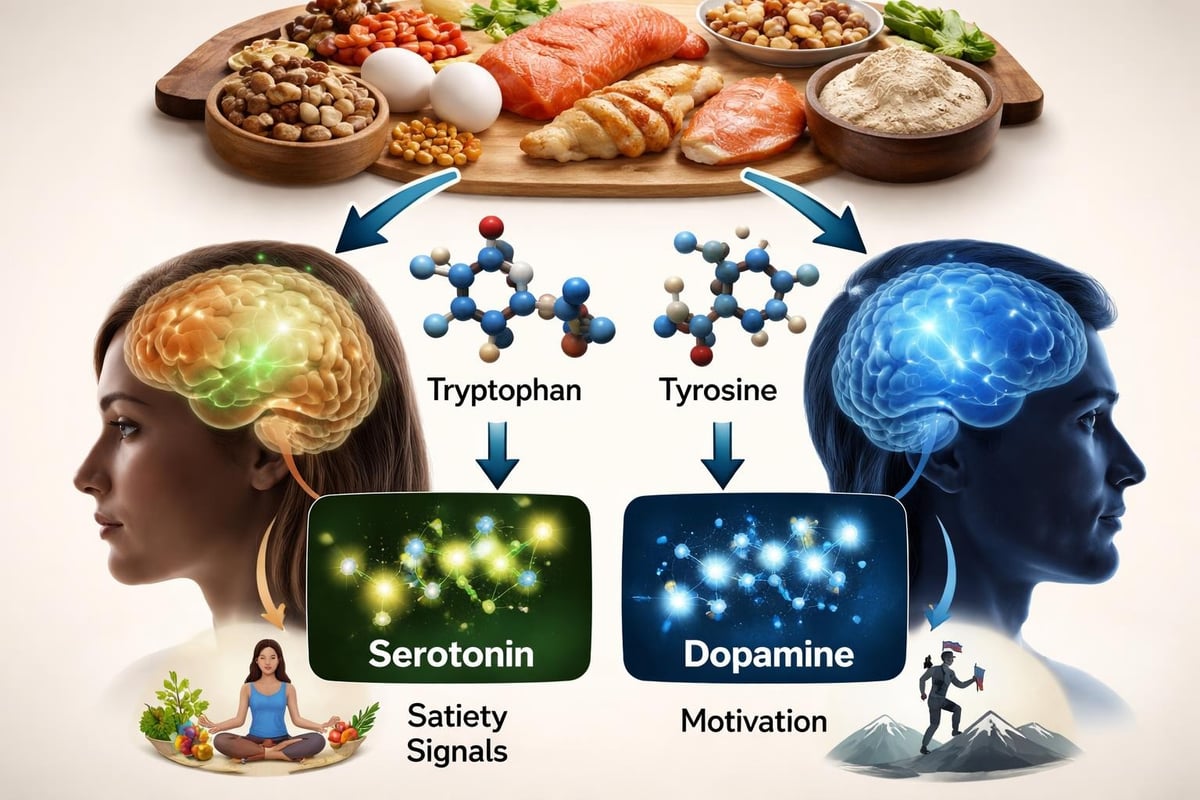
The relationship between protein and your brain extends far beyond simple hunger signals. Amino acids from protein serve as precursors to neurotransmitters that regulate mood, motivation, and decision-making. Tyrosine converts to dopamine, the neurotransmitter associated with reward and motivation. Tryptophan becomes serotonin, which influences mood and helps manage stress-related eating.
When your brain receives consistent protein, it functions more efficiently. You experience:
- Improved focus and mental clarity throughout the day
- Better emotional regulation and stress management
- Reduced cravings for quick-energy foods like sugar and refined carbohydrates
- Enhanced motivation to maintain healthy behaviors
- Stable energy levels without dramatic blood sugar fluctuations
Understanding these neurological connections reveals why online weight loss programs that address brain function alongside nutrition create more sustainable outcomes than diet plans alone.
The Ideal Protein Protocol Structure
The Ideal Protein Diet represents a specific medically-developed program that emphasizes high protein intake while restricting carbohydrates and fats. This structured approach typically unfolds in distinct phases designed to trigger rapid initial weight loss followed by gradual reintroduction of varied foods.
The program operates through four progressive stages:
- Phase One: Dramatic calorie and carbohydrate restriction with packaged protein foods and limited whole foods
- Phase Two: Continued protein focus with slight increase in vegetable variety
- Phase Three: Gradual reintroduction of foods while maintaining weight
- Phase Four: Long-term maintenance and habit solidification
This phased structure aims to shift your body into ketosis, where it burns stored fat for fuel instead of glucose from carbohydrates. While many participants experience significant weight loss, the restrictive nature and reliance on packaged foods raises questions about long-term sustainability.
Comparing Structured Programs to Brain-Based Approaches
Traditional ideal protein weight loss programs focus primarily on manipulating what you eat. They provide external structure through meal plans, packaged foods, and strict guidelines. This approach can deliver results, but often requires constant vigilance and willpower.
Brain-based weight loss takes a fundamentally different approach. Instead of fighting against your natural impulses, you retrain your subconscious mind to change those impulses at their source. When you address the neural patterns driving your food choices, healthy eating becomes automatic rather than forced.
The Ideal Protein Protocol provides detailed guidance on what to eat during each phase, but doesn't address why you developed unhealthy eating patterns in the first place. Without resolving the underlying psychological and neurological drivers of overeating, many people regain weight once the structured program ends.
Protein Requirements for Sustainable Weight Loss
Determining your optimal protein intake requires consideration of multiple factors including your current weight, activity level, metabolic health, and weight loss goals. Most adults benefit from consuming between 0.7 and 1.0 grams of protein per pound of body weight when actively trying to lose weight while preserving muscle mass.
For a 180-pound person, this translates to approximately 126 to 180 grams of protein daily. This may seem like a substantial amount, especially if you're accustomed to carbohydrate-heavy meals, but distributing protein across multiple meals makes it manageable.
Practical Protein Distribution Throughout Your Day
Strategic timing of protein intake enhances its benefits for weight management and satiety:
- Morning: 30-40 grams at breakfast to reduce cravings and stabilize blood sugar
- Midday: 35-45 grams at lunch to maintain energy and prevent afternoon slumps
- Evening: 30-40 grams at dinner for muscle recovery and overnight satiety
- Snacks: 10-15 grams if needed to bridge longer gaps between meals
This distribution pattern keeps your metabolism active, provides consistent amino acid availability for neurotransmitter production, and prevents the excessive hunger that leads to poor food choices. Unlike approaches requiring weight loss supplements, adequate protein from whole foods provides natural appetite regulation without artificial intervention.

The Mental and Behavioral Dimensions of Weight Loss
While ideal protein weight loss programs emphasize macronutrient composition, lasting success requires addressing the psychological factors that influence your relationship with food. Your brain operates on established neural pathways formed through years of repeated behaviors and emotional associations with eating.
Stress eating, emotional comfort from food, habitual snacking, and reward-seeking through treats all represent deeply ingrained neural patterns. These patterns operate at the subconscious level, triggering automatic responses before your conscious mind can intervene. Willpower alone cannot override these deeply established connections.
Neuroplasticity and Habit Reformation
Your brain possesses remarkable plasticity throughout your entire life. This means you can create new neural pathways and weaken old ones through consistent practice and repetition. Neuroplasticity forms the scientific foundation for transforming your automatic responses to food triggers.
When you repeatedly pair new thoughts, emotions, and behaviors with eating situations, your brain gradually rewires itself. The old pattern weakens while the new pattern strengthens. Eventually, the healthy response becomes as automatic as the unhealthy one once was.
Key principles for leveraging neuroplasticity include:
- Consistent daily practice rather than occasional intense effort
- Engaging multiple senses and emotions during new pattern creation
- Addressing subconscious programming through relaxation and focused attention
- Celebrating small victories to reinforce dopamine pathways associated with healthy choices
- Managing stress effectively to prevent triggering old emotional eating patterns
Research supporting behavioral approaches to weight management demonstrates that addressing mental patterns produces more sustainable outcomes than dietary restriction alone.
Combining Protein Strategy with Neuroscience-Based Solutions
The most effective approach to ideal protein weight loss integrates nutritional wisdom with brain retraining techniques. Adequate protein provides the physical foundation for stable energy, reduced cravings, and efficient metabolism. Brain-based practices provide the mental framework for maintaining those healthy choices effortlessly over time.
This integrated approach recognizes that weight loss occurs at the intersection of biology and psychology. Your body needs proper nutrition to function optimally. Your brain needs new programming to make those nutritional choices feel natural and sustainable.
Creating Synergy Between Diet and Mindset
When you combine strategic protein intake with neuroscience-based habit change, you experience compound benefits:
- Protein stabilizes your blood sugar, making it easier to practice mindful eating
- Reduced cravings free up mental energy for brain retraining exercises
- Improved neurotransmitter production supports mood stability during change
- Physical energy from proper nutrition enhances motivation and consistency
- Brain retraining reduces the stress and restriction mindset that undermines dietary adherence
Rather than viewing diet and psychology as separate interventions, this integrated perspective recognizes them as complementary components of a comprehensive solution. Your weight loss journey becomes sustainable when both physical and mental needs receive attention.

Beyond Restriction: Building a Positive Relationship with Food
Traditional ideal protein weight loss programs often emphasize what you cannot eat. This restriction-based framework can create psychological backlash, triggering feelings of deprivation that eventually lead to rebellion and weight regain. A sustainable approach focuses on abundance rather than scarcity, emphasizing all the nourishing foods you can enjoy.
When you shift from a restriction mindset to an abundance mindset, eating becomes a positive experience rather than a battleground. You choose protein-rich whole foods because they make you feel energized and satisfied, not because a program forbids alternatives. This psychological shift proves crucial for long-term success.
Practical Implementation Strategies
Transforming your approach requires both strategic planning and consistent practice:
- Start each day with a protein-rich breakfast within an hour of waking
- Prepare protein sources in advance to remove decision fatigue during busy times
- Experiment with diverse protein sources to prevent meal monotony
- Practice mindful eating techniques to fully experience satiety signals
- Address emotional triggers through stress management rather than food
- Celebrate non-scale victories like improved energy, better sleep, and enhanced mood
Similar to approaches discussed in alternative weight management programs, success comes from building sustainable habits rather than following rigid rules. The goal is creating a lifestyle you can maintain indefinitely, not enduring temporary restrictions you'll eventually abandon.
The Role of Consistency Over Perfection
Many people approach ideal protein weight loss with an all-or-nothing mindset, believing they must follow the program perfectly to see results. This perfectionism creates unnecessary stress and sets the stage for failure. Consistent imperfect action outperforms inconsistent perfection every time.
Your brain learns through repetition, not through occasional perfect performances. Missing a workout, having a less-than-optimal meal, or experiencing a stressful day doesn't erase your progress. What matters is returning to your healthy patterns consistently over time.
Research on habit formation demonstrates that behavioral consistency matters more than intensity. Small daily actions compound into significant transformation. This principle applies equally to protein intake and brain retraining practices.
Understanding Individual Variation and Personalization
No single approach works identically for everyone. Your optimal protein intake, meal timing, and specific strategies depend on your unique physiology, lifestyle, stress levels, sleep quality, and personal preferences. The Ideal Protein program provides a standardized framework, but lasting success requires personalization.
Listen to your body's signals. Some people thrive on three substantial meals daily, while others prefer smaller, more frequent eating occasions. Some feel best with protein intake at the higher end of recommendations, while others function well with moderate amounts. Your individual response should guide your approach more than rigid external guidelines.
Factors influencing your personal protein needs include:
- Current muscle mass and body composition goals
- Activity level and exercise intensity
- Metabolic health markers like insulin sensitivity
- Age-related changes in protein utilization
- Digestive capacity and gut health status
- Personal food preferences and cultural considerations
Working with healthcare professionals who understand both nutrition science and individual variation helps you develop a personalized strategy. This individualized approach proves more effective than forcing yourself into a one-size-fits-all program.
Long-Term Success Through Brain-Based Transformation
True transformation occurs when healthy choices become automatic rather than requiring constant conscious effort. Your subconscious mind controls approximately 95% of your daily decisions, including what, when, and how much you eat. Accessing and reprogramming this subconscious level creates effortless change.
Traditional diet programs operate at the conscious level, providing information and guidelines your conscious mind can follow with sufficient willpower. This approach works temporarily but fails long-term because it doesn't address the subconscious programming driving your automatic behaviors.
Brain-based approaches use techniques like guided visualization, positive suggestion during relaxed states, and repetitive positive messaging to access your subconscious mind directly. When you change programming at this level, new behaviors emerge naturally without internal conflict or constant self-monitoring.
The Ten-Minute Daily Practice Advantage
Transformation doesn't require hours of meditation or intensive therapy. Focused daily practice of just 10 minutes produces measurable changes in neural pathways within weeks. This brief commitment fits into even the busiest schedules, making consistency achievable.
During these sessions, you enter a relaxed state where your subconscious mind becomes more receptive to new programming. Through guided audio combining neuroscience principles, behavioral psychology, and focused suggestion, you systematically rewire the mental patterns underlying your eating behaviors.
This efficient approach contrasts sharply with the time-intensive meal preparation, tracking, and monitoring required by traditional ideal protein weight loss programs. Instead of spending hours managing external behaviors, you invest minutes daily changing the internal drivers of those behaviors.
Moving Forward with Confidence and Clarity
Understanding ideal protein weight loss from both nutritional and neurological perspectives empowers you to make informed decisions about your health journey. Protein provides essential physical benefits for metabolism, satiety, and body composition. Brain retraining provides the psychological foundation for maintaining healthy choices effortlessly over time.
The most sustainable approach integrates both elements, recognizing that your body and mind work together as an interconnected system. Neither nutrition alone nor psychology alone delivers optimal results. Together, they create synergistic effects that produce lasting transformation.
You don't need to choose between focusing on what you eat and addressing how you think about food. The most effective path forward incorporates both dimensions, using strategic protein intake to support your physical health while simultaneously retraining your brain to make those healthy choices feel natural and automatic.
As you move forward, remember that sustainable weight loss represents a journey of self-discovery and gradual transformation rather than a quick fix. Your relationship with food developed over years or decades, and shifting it requires patience, consistency, and compassion for yourself. Every small step forward counts, and progress builds momentum over time.
Sustainable weight loss requires addressing both what you eat and why you eat it. While adequate protein intake supports your metabolism and reduces physical hunger, lasting transformation happens when you retrain your brain to change the mental patterns driving your choices. Oneleaf offers a neuroscience-based solution that helps you reprogram your subconscious mind in just 10 minutes daily, making healthy choices feel effortless and automatic. When you change your brain, your relationship with food transforms naturally, creating results that last without restriction or willpower battles.