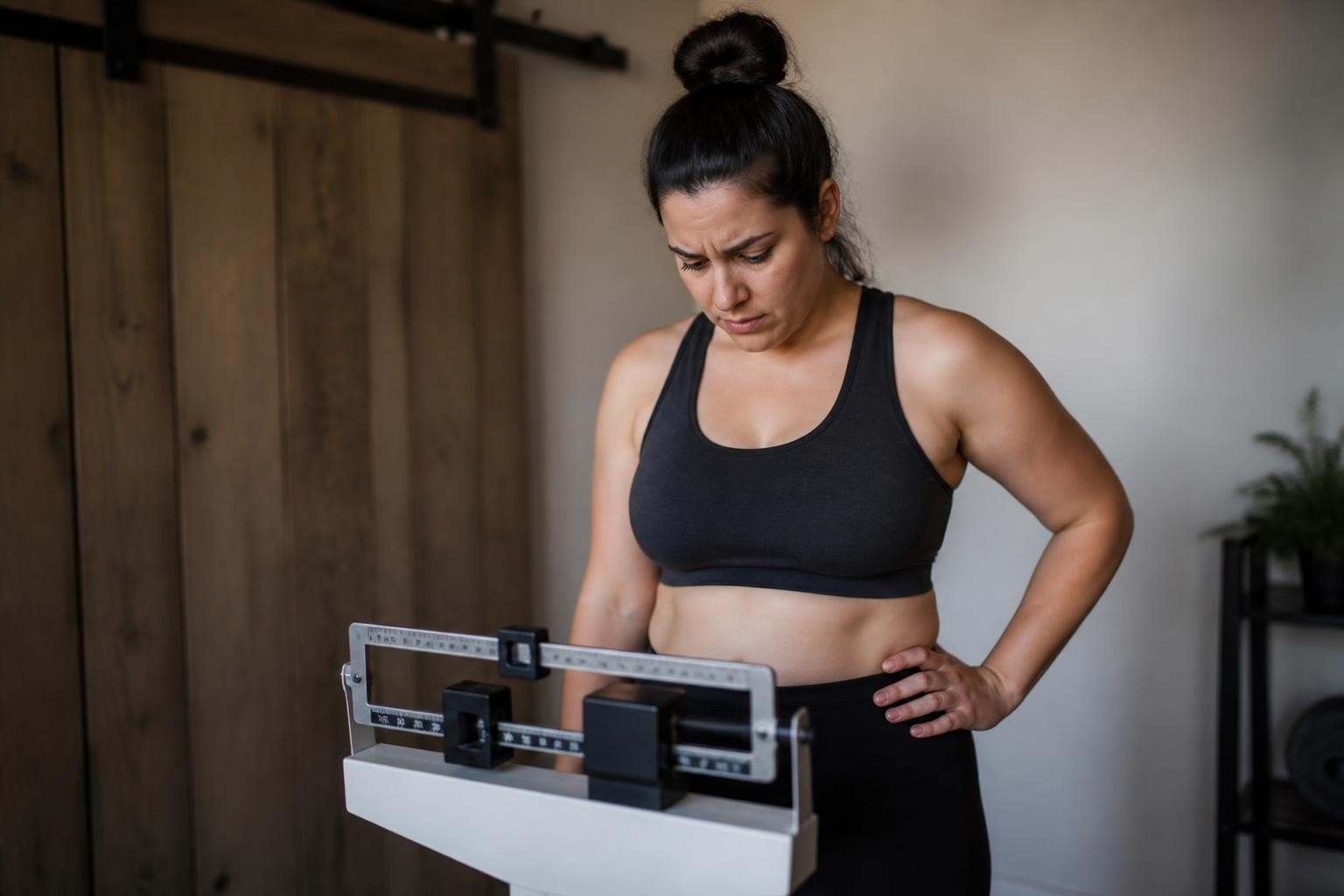
Struggling to lose thigh fat, no matter how dedicated you are? You are not alone. Many find thigh fat especially stubborn, often due to genetics, hormones, and lifestyle factors.
This complete guide will reveal the best ways to lose thigh fat in 2026, using the latest research and expert advice. Discover why thigh fat accumulates, which exercises and nutrition plans work, and how small lifestyle changes can make a big difference.
Ready for confidence, better health, and more mobility? Follow this science-backed, step-by-step plan for real change. Explore science-backed weight loss strategies to get started.
Understanding Thigh Fat: Causes, Myths, and Facts
Struggling to lose thigh fat is a common frustration, but understanding the science behind it is essential for real progress. Many people follow popular trends or spot-reduction workouts, only to see slow or minimal results. Let's break down what truly drives thigh fat accumulation and clear up the most persistent myths.

The Science of Body Fat Distribution
Why do some people store more fat in their thighs? The answer starts with genetics. Studies show that women, in particular, are more likely to accumulate fat in the thigh and hip area due to inherited patterns. Hormones such as estrogen also play a significant role, especially during puberty, pregnancy, and menopause. These hormonal shifts can make it more challenging to lose thigh fat, especially as you age.
It is important to remember that spot reduction is a myth. You cannot target fat loss from just one area of your body. Instead, fat loss happens systemically, so focusing only on inner thigh exercises will not deliver the results you want. A balanced approach, including a structured weight loss program introduction, provides the foundation for sustainable progress.
As we age, our metabolism naturally slows, and muscle mass gradually decreases through a process known as sarcopenia. After age 30, adults lose about 3 to 8 percent of muscle per decade, which impacts the ability to lose thigh fat efficiently. Maintaining and building muscle through strength training is key.
There are also two main types of fat in the thigh area:
- Subcutaneous fat: lies just beneath the skin and is the most noticeable.
- Cellulite: dimpled appearance caused by fat pushing against connective tissue, common and normal in all body shapes.
The psychological impact of thigh fat can be significant, affecting body image and confidence. For example, Jordan, a real person highlighted in competitor content, maintained healthy habits but still struggled to lose thigh fat due to these genetic and hormonal factors.
Common Myths Debunked
A major misconception is that doing endless inner thigh exercises will help you lose thigh fat faster. Unfortunately, this is not supported by research. While these movements can strengthen and tone muscles, actual fat loss requires a whole-body approach.
Another myth is that cellulite only affects people who are overweight. In reality, cellulite is extremely common and not always related to body weight. Genetics, skin thickness, and hormones all influence its appearance.
Many worry that lower body workouts will make their thighs “bulky.” However, muscle tone does not always equal increased size. Most strength routines, when paired with cardio and proper nutrition, help you lose thigh fat and create a leaner, more sculpted look.
Key facts to remember:
- Spot reduction does not work; focus on full-body fat loss.
- Cellulite is a normal part of human anatomy.
- Building muscle helps boost metabolism and support your goal to lose thigh fat, not make you bulky.
By understanding these facts and letting go of myths, you are better equipped to approach your journey with realistic expectations and a science-based plan.
Step 1: Building the Foundation—Nutrition for Thigh Fat Loss
Struggling to lose thigh fat often starts in the kitchen, not the gym. Nutrition is the cornerstone for real, sustainable results. If you want to reshape your thighs, understanding how to eat for fat loss is non-negotiable. This section will help you build the habits and knowledge needed to make every meal count.

Creating a Sustainable Calorie Deficit
The most effective way to lose thigh fat is to maintain a gentle calorie deficit while nourishing your body. Extreme diets may promise quick results, but they often lead to rebound weight gain and can slow your metabolism. Instead, focus on a balanced, nutrient-rich diet that fuels your workouts and daily activity.
Prioritize lean proteins like chicken, fish, or tofu to support muscle and satiety. Fill half your plate with colorful vegetables, and choose whole grains such as brown rice or quinoa for steady energy. Healthy fats from avocados, nuts, and olive oil can help you feel full and support hormone health.
Processed foods, refined carbs, and added sugars are linked to increased fat storage, especially around the thighs. High salt intake can cause water retention, making your legs appear puffy. To avoid this, cook more meals at home and flavor food with herbs and spices rather than excess salt.
A sample meal plan for those aiming to lose thigh fat might look like this:
- Breakfast: Greek yogurt with berries and a sprinkle of chia seeds
- Lunch: Grilled salmon salad with mixed greens, tomatoes, and chickpeas
- Snack: Sliced apple with almond butter
- Dinner: Stir-fried tofu, broccoli, and brown rice
Hydration is essential for fat loss and can help reduce bloating. Aim for at least eight glasses of water daily. If you need help calculating your daily calorie needs, try tools found in science-backed weight loss resources.
For more guidance on fat-burning foods, see this list of 32 foods that burn belly fat, many of which support thigh fat loss as well.
Explore additional meal planning tips and hydration strategies in the guide to mindful eating.
Mindful Eating and Habit Change
Sustainable efforts to lose thigh fat go beyond counting calories. Mindful eating is about tuning in to hunger cues, eating slowly, and truly enjoying your food. When you eat with intention, you’re less likely to overeat or reach for snacks out of boredom.
Try these mindful eating tips:
- Put away screens and focus on your meal
- Chew each bite thoroughly and notice flavors
- Pause between bites, and check in with your hunger level
Emotional eating can be a major barrier. Stress, sadness, or even celebration can trigger cravings for comfort foods. Learning to identify these triggers is the first step to managing them. Instead of reaching for sweets, consider a walk or a glass of water.
Chronic stress raises cortisol, a hormone linked to increased fat storage in the thighs and belly. Incorporate stress management techniques like meditation, journaling, or deep breathing into your routine. For more practical advice, read 10 tips for summer weight loss, which includes strategies that help year-round.
Track your progress with photos, measurements, or the best strategies for lasting weight loss. Small wins, such as making healthier choices or resisting a craving, deserve to be celebrated.
To reinforce habit change, explore resources on building healthy habits that last and discover how to reprogram your brain for natural weight loss.
Remember, the journey to lose thigh fat is not just about restriction. It’s about creating a lifestyle that supports your goals, boosts your confidence, and enhances your overall well-being.
Step 2: Exercise Strategies—Cardio, Strength, and Targeted Thigh Workouts
Struggling to lose thigh fat despite your best efforts? The right exercise plan can make all the difference. In this section, you’ll discover why combining cardio, strength, and targeted workouts is key for visible, lasting results. Let’s break down the best strategies to help you sculpt leaner, stronger thighs while boosting overall health.

The Role of Cardio in Overall Fat Loss
Cardio is essential if you want to lose thigh fat and improve your overall health. It works by burning calories, which is necessary for creating the calorie deficit needed for fat loss. Since fat loss happens systemically, focusing on full-body cardio helps reduce fat everywhere, including your thighs.
Some of the best cardio options include:
- Brisk walking
- Running or jogging
- Cycling (outdoors or stationary)
- Swimming
Aim for at least 150 to 300 minutes of moderate to vigorous cardio each week. Consistency is key for progress. According to this 4-week workout plan for weight loss, mixing various cardio activities keeps things interesting and supports steady results.
For extra support and a structured approach, explore science-backed routines that guide you step by step. Cardio not only helps you lose thigh fat but also boosts heart health, energy, and mood.
Strength Training for Lean, Toned Thighs
Strength training is a powerful way to lose thigh fat and build muscle definition. Contrary to popular belief, adding muscle does not automatically mean “bulky” legs. Instead, it helps increase your metabolism and burns more calories—even at rest.
Focus on compound movements, such as:
- Squats (bodyweight, goblet, or barbell)
- Lunges (forward, reverse, or walking)
- Deadlifts (Romanian or traditional)
- Step-ups
These exercises engage multiple muscle groups, making your workouts more efficient. Adding resistance, like dumbbells or resistance bands, can accelerate your progress.
High-Intensity Interval Training (HIIT) alternates periods of intense activity with short recovery, maximizing fat loss and preserving muscle. Try incorporating HIIT circuits into your routine two to three times per week for best results.
For more ideas, check out personalized strength training guides to help you stay on track. Remember, strength training is your ally if you want to lose thigh fat and reveal toned, athletic legs.
Top 10 Targeted Thigh Exercises for 2026
While you can’t spot-reduce, targeted exercises help tone and strengthen the muscles in your thighs. These movements, when combined with cardio and strength training, support your efforts to lose thigh fat and improve muscle definition.
Here are the top 10 exercises for 2026:
- Sumo squats: Wide stance for inner thigh activation
- Lateral lunges: Targets both inner and outer thighs
- Inner thigh leg lifts: Isolation for adductors
- Curtsy lunges: Glutes and inner thighs
- Glider/sliding side lunges: Stability and control
- Resistance band adduction: Added challenge for inner thighs
- Wall sits with ball squeeze: Isometric hold for muscle endurance
- Frog jumps: Plyometric for calorie burning
- Pilates leg circles: Flexibility and control
- Skater hops: Agility and shaping
For a visual guide with exercise images, visit our resource page. Each exercise is designed to maximize your ability to lose thigh fat while improving functional strength and flexibility.
Add variety by switching up your routine every few weeks. If you need more inspiration, discover effective workout routines that cater to different fitness levels. Remember, the journey to lose thigh fat is about progression, not perfection.
Balancing Workouts to Avoid Excess Bulk
Many worry that lower body training will make their thighs too muscular, but with the right approach, you can lose thigh fat and create a lean, toned look. Avoid excessive use of heavy leg machines, high-resistance cycling, or frequent sprinting if you are concerned about bulk.
Instead, structure your routine with a mix of moderate resistance, higher repetitions, and bodyweight movements. Prioritize recovery with rest days to allow muscles to repair and grow. This balance helps you avoid overtraining while supporting your goal to lose thigh fat.
Track your progress and adjust as needed. For more balanced approaches, explore holistic workout strategies and practical tips for staying motivated. Remember, consistency and smart planning are your best tools for success.
Step 3: Lifestyle Changes That Accelerate Thigh Fat Loss
Struggling to lose thigh fat despite your best efforts? Lifestyle tweaks can make all the difference. By optimizing daily habits, you can unlock faster, more sustainable progress. Let’s explore how sleep, stress, activity, hydration, and realistic tracking work together to help you reshape your thighs.

Sleep, Stress, and Hormonal Balance
Prioritizing quality sleep is essential if you want to lose thigh fat efficiently. Inadequate rest disrupts hormones that regulate appetite and fat storage, making it harder to achieve your goals. Aim for at least 7–9 hours nightly.
Chronic stress increases cortisol, which can encourage fat to accumulate in stubborn areas like the thighs. Incorporate mindfulness or meditation into your routine. Even five minutes of deep breathing can help lower stress and support your journey to lose thigh fat.
Hormonal shifts during menopause or perimenopause may slow results. Adapting your approach—such as focusing on recovery, gentle activity, and balanced nutrition—can make your efforts more effective. For more strategies, see your guide to mindful eating.
The Power of Daily Activity
Non-Exercise Activity Thermogenesis (NEAT) is a game-changer for those seeking to lose thigh fat. Simple actions like walking, standing, or taking the stairs can significantly increase your daily calorie burn. Consider walking meetings or parking further from your destination to boost movement.
Daily movement also supports muscle quality. Recent research on thigh muscle composition changes during weight loss shows that active lifestyles help preserve lean muscle, which is key for toned legs. Explore more ways to stay active with science-backed weight loss support.
Looking for practical tips? Practical tips for staying motivated offers actionable advice to make activity a habit.
Hydration and Detoxification
Staying hydrated is crucial for those aiming to lose thigh fat. Adequate water intake boosts metabolism and helps reduce bloating, which can make your thighs look slimmer. Start your day with a glass of water, and keep a bottle nearby to encourage regular sips.
Beware of detox diets and cellulite creams promising miracle results. There’s no scientific evidence that these products can melt away thigh fat. Instead, focus on a nutrient-rich diet and consistent hydration. For a deeper dive, check out explore holistic approaches to fat loss.
Want more nutrition guidance? Read how to build healthy habits that last for evidence-based strategies.
Realistic Timeframes and Progress Tracking
It’s important to set realistic expectations as you work to lose thigh fat. Most people notice visible changes in 4–8 weeks if they consistently follow a healthy plan. Patience and persistence are your best allies.
Track your progress using photos, measurements, or fitness milestones. These methods offer a clearer picture than the scale alone. Celebrate every small win—whether it’s improved endurance, confidence, or a better mood.
For more ideas on sustainable methods, visit best strategies for lasting weight loss. If you need ongoing inspiration, discover more science-backed weight loss tools and see how mindset shapes weight loss success.
Step 4: Advanced Solutions—Medical, Technological, and Professional Approaches
Are you searching for advanced ways to lose thigh fat when traditional methods are not enough? Modern medical, technological, and professional solutions offer new hope for stubborn areas, especially when paired with a personalized plan from science-backed weight loss experts. Let’s explore the latest options for safe, effective thigh fat reduction.
Non-Invasive and Surgical Options
If you want to lose thigh fat quickly and are considering medical help, there are several procedures available. Surgical methods include liposuction, which physically removes fat from the thighs. The clinical efficacy of thigh liposuction evaluated with 3D technology shows measurable reductions in thigh volume and circumference, making it a popular choice for dramatic results.
Thighplasty (thigh lift) is another surgical option for those with excess skin or significant sagging. Non-invasive treatments are gaining popularity because they do not require downtime. Cryolipolysis, often known as CoolSculpting, uses cold temperatures to target and destroy fat cells. According to cryolipolysis for inner thigh fat reduction, this method is safe and effective for treating inner thigh fat.
Other non-surgical options include laser and radiofrequency treatments, which heat fat cells for gradual reduction, and acoustic wave therapy, which may help with cellulite. While these procedures can help you lose thigh fat, they are most effective when combined with healthy habits and personalized weight loss strategies.
Professional Guidance and Support
Working with certified fitness trainers and registered dietitians is one of the best ways to lose thigh fat safely. Trainers design routines that match your body type and goals, so you achieve better results without risking injury or excess bulk. Dietitians can help you build a nutrition plan that supports fat loss and overall health.
If you have tried to lose thigh fat through diet and exercise but see little change, a medical evaluation may be helpful. Professionals can assess hormonal imbalances, metabolic concerns, or genetic factors that affect fat storage. They may suggest advanced interventions or refer you to specialists for further care.
For those seeking extra motivation, joining a supportive community or using holistic fat loss resources can make the journey easier. You can also read How Mindset Shapes Weight Loss Success for guidance on building a positive outlook.
Technology-Assisted Fat Loss Tools
Technology now plays a key role in helping people lose thigh fat and maintain progress. Wearable fitness trackers monitor your daily steps, activity, and sleep, giving you real-time feedback. Fitness apps provide structured workout routines, track nutrition, and help set achievable goals.
Leveraging science-backed weight loss support can help you stay accountable. These platforms offer expert advice, progress tracking, and personalized tips. Many users find that combining technology with professional support leads to better, lasting results.
For more advanced guidance, explore best strategies for lasting weight loss, use your guide to mindful eating, or discover practical tips for staying motivated. These resources are designed to help you lose thigh fat efficiently and keep the results over time.
Step 5: Mindset, Motivation, and Long-Term Success
Struggling to lose thigh fat can feel discouraging, especially when progress seems slow. However, adopting the right mindset, fueling your motivation, and building sustainable habits are just as crucial as the physical steps. This section will help you unlock long-term success with proven psychological and motivational strategies.
The Psychology of Weight Loss and Body Image
It is common to hit plateaus or feel frustrated when you try to lose thigh fat, as this area is often the last to respond to change. Remember, your self-worth is not defined by a number or a single body part.
Building a positive body image means appreciating your body’s strength and progress, not just its appearance. Set realistic goals and focus on the journey, not just the destination. For more on healthy self-perception, explore How Mindset Shapes Weight Loss Success.
Staying Motivated for the Long Haul
Motivation ebbs and flows, but celebrating non-scale victories can keep you going as you lose thigh fat. Notice improvements in strength, endurance, and confidence.
Consider these ways to stay inspired:
- Track your workouts and progress photos using a structured routine.
- Join online communities for encouragement.
- Try group classes or buddy up with a friend.
- Read Practical tips for staying motivated.
Remember, setbacks happen. Learn from them and refocus without guilt, knowing that consistency always trumps perfection.
Science-Backed Habit Change for Effortless Results
Transforming your habits is key when you want to lose thigh fat and keep it off. Neuroscience shows that self-hypnosis and positive reinforcement can rewire your brain for automatic healthy choices.
Start by:
- Practicing mindful eating. Use this guide to mindful eating for daily support.
- Setting small, achievable goals.
- Repeating new behaviors until they become automatic.
- Discover more strategies with science-backed weight loss support.
If you are curious about using your mind to make change easier, learn how to reprogram your brain for natural weight loss.
Tools, Resources, and Further Reading
Sustained results require the right tools and ongoing learning. To help you lose thigh fat for good, leverage these resources:
- Explore the best strategies for lasting weight loss.
- Dive into holistic approaches to fat loss.
- Build habits that last with How to build healthy habits that last.
- Stay accountable using fitness tracking tools.
- Find additional support in the science-backed weight loss tools library.
Embrace each step as progress, and remember, lasting change is built on a positive mindset and consistent action.
You've just explored evidence-based strategies for losing thigh fat, from understanding the science behind body fat to practical nutrition and workout plans that actually work. If you're ready to make these changes stick, remember that transforming your habits starts in your mind. With just a few minutes each day, you can reprogram your brain to naturally make healthier choices—no more counting calories or feeling deprived. Want to discover your personalized path and start seeing real results? Take the next step and Start Quizz to find out how Oneleaf can support your journey.