The demand for non surgical weight loss programs is reaching new heights as more people seek safer, sustainable alternatives to surgery in 2026. Recent reports show that over 60 percent of individuals considering weight loss now prefer non invasive methods, valuing both safety and long term wellness.
This article highlights the 7 most essential non surgical weight loss programs for 2026, each grounded in science and designed for user friendly results. You will discover digital, medical, behavioral, and holistic options, all tailored to meet diverse lifestyles and health needs.
If you have ever struggled with finding a lasting solution, or wondered how to achieve real results without surgery, you are not alone. These programs offer hope, real outcomes, and support for your journey.
Ready to explore which program fits your goals? Start with the most up to date insights and discover proven strategies here.
Why Non Surgical Weight Loss Programs Are Gaining Popularity in 2026
The rise of non surgical weight loss programs in 2026 reflects a significant shift in how people approach health and body transformation. As more individuals seek safer and more sustainable alternatives to surgery, the demand for these programs has soared.
Safety, Cost, and Accessibility: Why the Shift is Accelerating
Non surgical weight loss programs offer a clear advantage in safety. Unlike surgical procedures, which carry risks such as infection, anesthesia complications, and long recovery periods, these programs rely on lifestyle adjustments and evidence-based guidance. This makes them appealing for those unwilling or unable to undergo surgery.
Cost is another major factor. Surgical treatments can be expensive, often not fully covered by insurance, and may require time off work for recovery. In contrast, non surgical weight loss programs are typically more affordable and accessible. They come in various formats – from digital apps to medically supervised plans – making it easier for people to find a solution that fits their budget and lifestyle.
Advances in Digital Health and Telemedicine
The digital revolution has transformed non surgical weight loss programs. With the growth of telemedicine and app-based platforms, individuals can now access expert coaching, progress tracking, and supportive communities from anywhere. This convenience encourages higher engagement and long-term commitment.
For instance, platforms like this digital weight loss program use real-time data, habit tracking, and personalized feedback to keep users motivated. These tech-enabled solutions eliminate traditional barriers such as travel time and scheduling conflicts.
Growing Body of Scientific Evidence
Recent studies continue to validate the effectiveness of non surgical weight loss programs. Behavioral approaches, such as cognitive-behavioral therapy and self-monitoring, have shown robust results in helping individuals lose weight and maintain those results over time.
A comprehensive guide to science-backed weight loss explains how combining psychological strategies, nutrition, and activity tracking leads to sustainable outcomes. The growing evidence base reassures users that these programs are not just a trend but are grounded in proven methods.
Real-Life Success Stories and Improved Outcomes
Success stories from 2025 and 2026 highlight the real-world impact of non surgical weight loss programs. People report not only significant weight loss but also improvements in energy, mood, and overall health. Many find the ongoing support and community aspect essential for staying motivated.
For example, the Oneleaf Journal discusses why traditional diets often fail and how modern, holistic programs address underlying behavioral patterns. This holistic approach helps users break the cycle of yo-yo dieting and achieve lasting change.
Societal Shift Toward Holistic Wellness and Prevention
There is a growing societal emphasis on holistic health and disease prevention. Non surgical weight loss programs align perfectly with this trend, offering solutions that focus on long-term well-being rather than quick fixes. With resources like healthy lifestyle plans and weight loss mindset techniques, users receive tools to support both body and mind.
The adoption of non surgical weight loss programs has surged since 2020. Recent data shows a double-digit percentage increase in enrollment, with satisfaction rates rivaling or exceeding those of surgical interventions. On average, participants in these programs report greater satisfaction and less post-treatment regret compared to those who choose surgery.
Comparing Results: Non Surgical vs. Surgical Methods
When comparing outcomes, non surgical weight loss programs deliver impressive results for a broad range of users. While surgical options may yield rapid weight reduction, they often come with higher risks and require lifelong medical follow-up.
In contrast, programs that integrate behavioral change, digital support, and medical oversight offer steady, sustainable progress. For more on how these approaches work together, explore the neuroscience behind weight management.
As new research emerges and technology evolves, non surgical weight loss programs are positioned to remain the preferred choice for those seeking safe, science-driven, and sustainable results in 2026.
How to Choose the Right Non Surgical Weight Loss Program for You
Choosing from the growing number of non surgical weight loss programs can feel overwhelming, especially as options multiply in 2026. The right program should align with your goals, fit your lifestyle, and support sustainable results. Here is a step-by-step process to help you find the best fit.
Assess Your Personal Goals and Needs
Start by defining your weight loss objectives. Ask yourself:
- How much weight do you want to lose?
- Are you managing any health conditions like diabetes or hypertension?
- What is your current daily routine and activity level?
Clarifying these factors helps you target non surgical weight loss programs that are realistic for your lifestyle and health status. For example, those with chronic conditions may need medical guidance, while others might focus on habit change and digital tracking.
Understand Program Formats and Scientific Foundations
Non surgical weight loss programs come in many forms:
- App-based solutions for on-the-go tracking
- In-person group sessions for accountability
- Medical supervision for those needing prescriptions or specialized care
Look for evidence-based programs led by qualified professionals. Comprehensive reviews, such as Online weight loss program options, can help you compare features, coaching styles, and outcomes. Programs that integrate behavioral science, such as those using self-monitoring and habit building, often yield better long-term results.
For further perspective, explore resources like habit change strategies and the science of habit formation, which detail how digital tools and neuroscience drive sustainable weight loss.
Evaluate Flexibility, Personalization, and Support
Successful non surgical weight loss programs adapt to your needs. Consider:
- Customizable meal plans or activity schedules
- One-on-one coaching or supportive online communities
- Tools for self-monitoring, such as progress dashboards
Flexibility ensures you can adjust your plan during busy weeks or life changes. Look for ongoing support and access to expert guidance, which boosts motivation and accountability. The weight loss mindset techniques page offers tips to help you stay focused and positive throughout your journey.
Consider Cost, Coverage, and Long-Term Value
Compare program fees, subscription models, and what is included in each option. Some non surgical weight loss programs may be covered by insurance or employer wellness benefits, reducing out-of-pocket costs.
When evaluating value, think beyond price: Does the program offer education, medical oversight, or continued access to resources? Reading verified reviews and testimonials, such as those found in the Oneleaf Journal, provides real-world insight into program effectiveness and user satisfaction.
For more in-depth information on coverage and value, consider exploring healthy lifestyle plans and user experiences with digital weight loss program tips.
Match Your Profile to the Program
Every individual is unique, and so are their requirements. Here are some examples:
- Busy professionals may prefer app-based, flexible programs with minimal time commitment.
- Parents seeking family-friendly solutions might look for group support or holistic wellness tracks.
- Seniors often benefit from medically supervised options with telehealth access.
Matching your personal profile to the right non surgical weight loss programs increases the likelihood of long-term success and satisfaction.
Watch for Red Flags
Avoid programs that promise rapid results with little effort or rely on extreme restriction. Red flags include:
- Lack of scientific research or professional oversight
- Fad diets or single-food plans
- No clear pathway for ongoing support or habit change
Choosing a program that prioritizes evidence, personalization, and sustainable habits is essential for safe and lasting weight loss. Explore the latest science-backed weight loss approaches to stay informed and empowered in your decision.
7 Essential Non Surgical Weight Loss Programs for 2026
Seeking the most effective non surgical weight loss programs for 2026? With so many choices, it can be overwhelming to know which path will lead to real, sustainable results. Below, you’ll discover seven standout programs—ranging from digital platforms to medically supervised options—that are shaping the future of weight management. Each offers a unique blend of science, personalization, and support, helping you find the right fit for your goals and lifestyle.
1. Noom Weight
Noom Weight remains a leading choice among non surgical weight loss programs for those who value a psychology-driven approach. The platform offers monthly and annual subscription models, allowing users to select the plan that best fits their needs and budget.
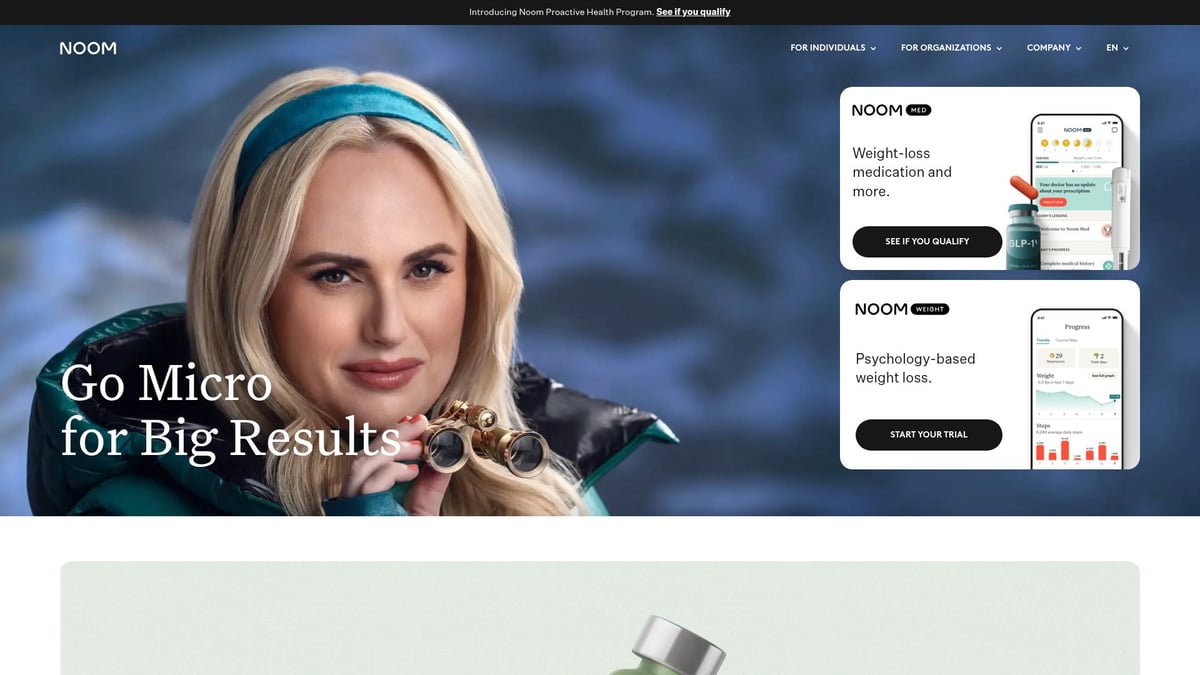
At its core, Noom combines daily food logging, interactive lessons, and personalized 1:1 coaching. The app’s curriculum is rooted in cognitive-behavioral science, helping users understand their eating triggers and develop lasting habits. This focus on behavior change, rather than restrictive dieting, sets Noom apart from many traditional weight loss methods.
Key benefits include personalized plans and access to a large, supportive community. Noom is particularly popular with tech-savvy individuals who appreciate a user-friendly interface and data-driven insights. It fits seamlessly into busy lifestyles, offering flexibility and structure in equal measure.
Pros:
- Evidence-backed approach
- Intuitive mobile app
- Access to coaching and peer support
Cons:
- Requires a monthly fee
- May not appeal to those seeking in-person or group meetings
A 2025 clinical study found that Noom users achieved an average weight loss of 7.6% of their body weight over 12 months, with high satisfaction rates. For more insights on digital tools that support weight management, explore how self-monitoring apps improve outcomes.
2. Oneleaf – Neuroscience-Based Weight Loss App
Oneleaf is redefining non surgical weight loss programs by focusing on neuroscience and self-hypnosis. The app offers a free trial, with affordable subscription plans and gift memberships for those who want to share a healthier lifestyle with friends or family.
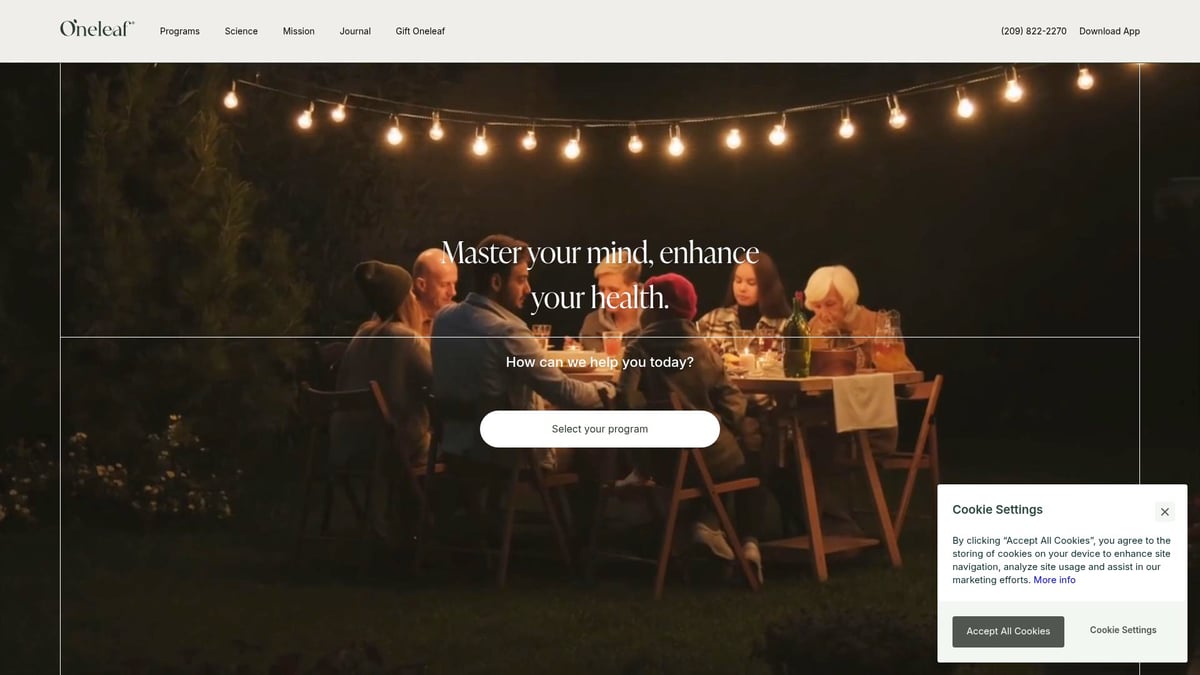
Core features include guided audio sessions, self-hypnosis for weight loss, and habit reprogramming, all designed to target subconscious patterns rather than impose food restrictions. This makes Oneleaf ideal for individuals seeking natural, science-backed habit change without calorie counting or rigid diets.
Unique benefits:
- Targets root causes of overeating
- Flexible and easy to use, fitting any schedule
- No restrictive meal plans
Pros:
- Backed by neuroscience and behavioral psychology
- Highly accessible and personalized
- Addresses emotional triggers
Cons:
- Requires consistent engagement for best results
- May not suit those seeking classic diet structures
User testimonials highlight significant shifts in mindset and eating behavior, with many reporting steady, sustainable weight loss. Neuroscience research supports the effectiveness of self-hypnosis for habit formation. Curious about the science? Learn more about weight loss mindset techniques, or gain foundational knowledge from Oneleaf’s introduction to weight loss programs.
3. Weight Watchers (WW) Digital
Weight Watchers, now known as WW, continues to lead among non surgical weight loss programs with its flexible, evidence-based system. Multiple digital plans are available, with both monthly and annual payment options.
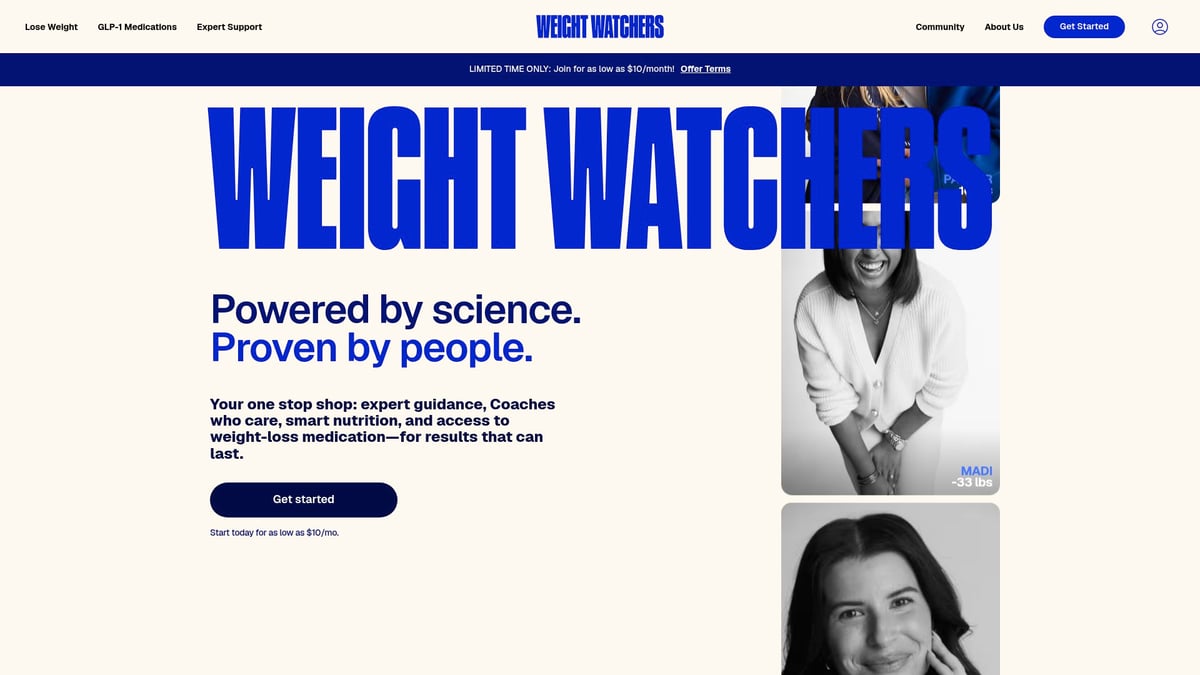
The core of WW is its points system, which simplifies meal tracking and promotes healthier choices. Users benefit from digital coaching, a vibrant online community, and a wealth of resources. The platform adapts to various dietary preferences, making it a fit for a wide audience.
Key advantages:
- Established, trusted brand
- Customizable tracking and support
- Robust community forums
Drawbacks:
- Ongoing subscription costs
- Some find points tracking repetitive
In 2026, WW introduced enhanced digital features, including AI-driven meal suggestions and improved peer support tools. Recent data shows members consistently achieve meaningful weight loss and report high satisfaction. For additional support, explore digital weight loss program tips and discover how behavioral techniques can enhance your journey.
4. Found Medical Weight Loss
Found stands out among non surgical weight loss programs by integrating medical supervision with lifestyle coaching. The program offers customized plans that include medical consultations and, when appropriate, prescription support.
Features include direct access to healthcare providers, evidence-based medication options, and comprehensive lifestyle guidance. This approach is especially beneficial for individuals with underlying health conditions or those who have struggled with weight loss in the past.
Benefits:
- Personalized, medically supervised care
- Combines medication and behavior change
- Ongoing support from a dedicated team
Potential drawbacks:
- Higher cost compared to self-guided programs
- Requires health screenings and eligibility checks
A recent clinical trial reported that Found members lost an average of 10% of their body weight in 12 months, with improvements in metabolic health markers. For those considering medically oriented solutions, habit change strategies can provide essential support alongside clinical care.
5. Omada Health
Omada Health is a digital-first program that excels in preventative care and chronic disease management, making it a top pick among non surgical weight loss programs for at-risk individuals. Omada is often covered by employers or insurance, with self-pay options available.
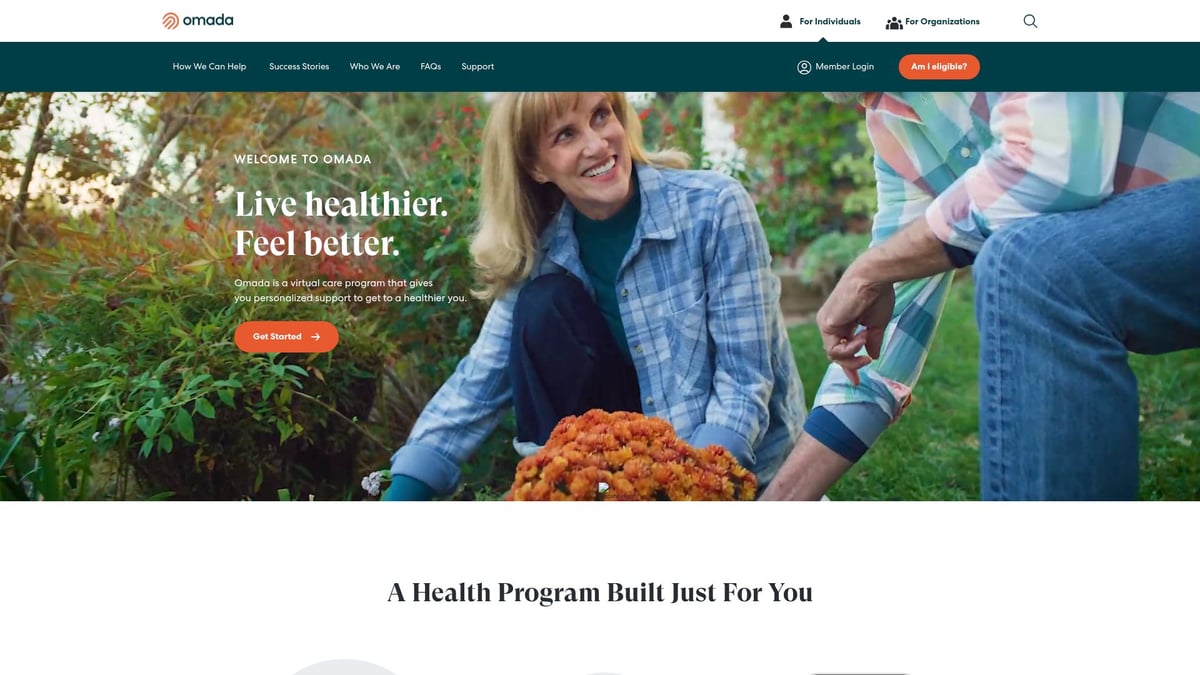
The program combines digital coaching, connected devices (such as smart scales), and interactive lessons tailored to individual risk factors. It is particularly well-suited for those with pre-diabetes, hypertension, or other metabolic concerns.
Strengths:
- Data-driven approach
- Integrates seamlessly with healthcare systems
- Scalable for large groups
Limitations:
- May require employer/insurance sponsorship
- Not universally available for individuals
In 2026, Omada expanded its reach, reporting significant improvements in weight loss and chronic disease outcomes. For a deeper dive into holistic health, check out healthy lifestyle plans and explore why hypnosis for weight loss works.
6. Form Health
Form Health delivers comprehensive, non surgical weight loss programs through telehealth. With a monthly fee, members gain access to board-certified physicians, registered dietitians, and tailored nutrition plans.
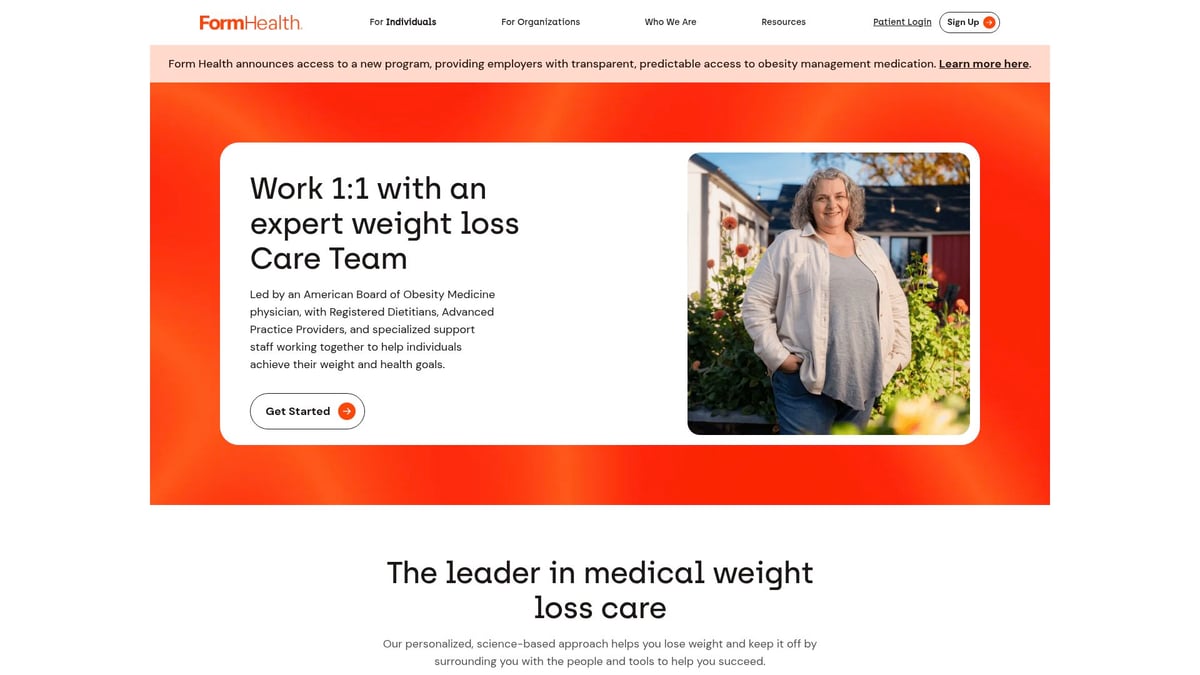
The service is designed for those with obesity or metabolic syndrome who prefer clinical support without the risks of surgery. All care is delivered remotely, offering convenience and privacy.
Key benefits:
- Highly personalized, evidence-based care
- Insurance coverage available in some states
- Focus on medical weight management
Cons:
- Not available nationwide
- More clinical, less lifestyle-focused
A recent patient case study demonstrated significant weight loss and improved health metrics within six months. For more on the science behind sustainable change, read about the science of habit formation, and explore additional science-backed weight loss approaches.
7. Calibrate Metabolic Reset
Calibrate’s annual program centers on a metabolism-first strategy, making it a leader among non surgical weight loss programs for adults with a BMI of 30 or higher, or 27 with metabolic risk factors. The fee includes prescription medications, metabolic assessments, and ongoing coaching.
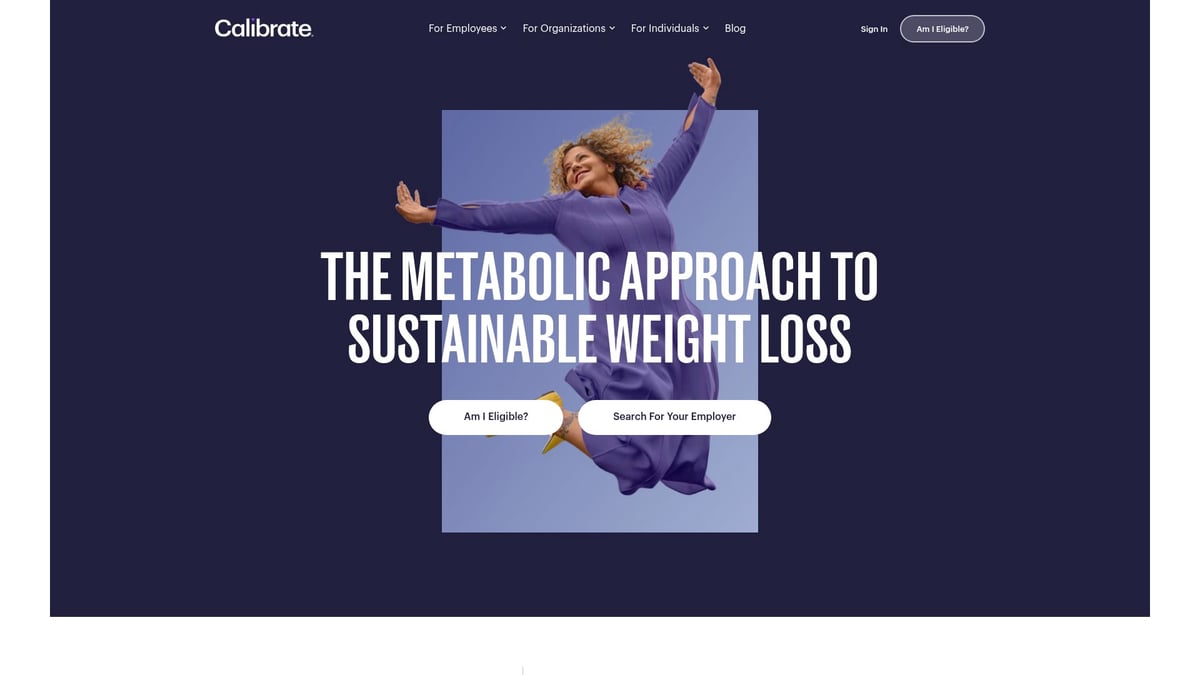
Key features:
- Comprehensive metabolic health evaluation
- Lifestyle and medication integration
- Long-term support and accountability
Pros:
- Evidence-based interventions
- Measurable, lasting results
- Combines medical and behavioral strategies
Cons:
- Requires prescription eligibility
- Higher upfront investment
According to 2026 data, Calibrate participants experienced average weight loss of 15% over a year, along with improvements in blood sugar and cholesterol. For more insights, review behavioral psychology in weight loss and get inspired by powerful affirmations for weight loss.
The Science Behind Non Surgical Weight Loss Success
Understanding why non surgical weight loss programs work begins with the science behind behavior, the brain, and metabolic health. These programs are not just about calories in and out—they are built on decades of research in psychology, neuroscience, and technology. By targeting habits, mindset, and biology together, they deliver real, sustainable results.
Behavioral Science and Habit Change
At the core of non surgical weight loss programs lies behavioral science. Decades of research show that lasting weight loss depends on changing daily habits and thought patterns, not just following a meal plan. Programs like Noom Weight and Oneleaf apply principles from cognitive-behavioral therapy (CBT), helping users identify triggers, overcome emotional eating, and develop healthier routines.
Key behavioral techniques include:
- Self-monitoring (food and activity logging)
- Setting realistic, incremental goals
- Building social support and accountability
A classic study on behavioral techniques in obesity treatment highlights the effectiveness of these methods for long-term change. For example, Oneleaf’s journal on habit change science explains how building new routines gradually rewires the brain for success. These evidence-based strategies form the backbone of modern non surgical weight loss programs.
Neuroscience and Digital Tools
Recent advances in neuroscience have revolutionized non surgical weight loss programs. Tools like guided self-hypnosis, as used in Oneleaf’s neuroscience-based app, target subconscious drivers of overeating and stress. By addressing the root causes of cravings, these programs help users build a healthier relationship with food.
Digital platforms further empower users by providing:
- Personalized feedback and motivation
- Instant access to expert resources
- Progress tracking and reminders
A 2020 meta-analysis on the effectiveness of mHealth self-monitoring found that digital self-tracking significantly improves weight loss outcomes. Explore the science of habit formation to see how these tools create lasting change. With holistic weight management plans, users can leverage both brain science and technology for better results.
Integrating Medical, Digital, and Lifestyle Strategies
The most effective non surgical weight loss programs blend medical expertise with digital innovation and lifestyle coaching. Programs such as Found Medical Weight Loss and Form Health offer access to doctors and dietitians through telehealth, ensuring safe and personalized care.
Success often depends on:
- Addressing medical conditions alongside behavioral change
- Using digital platforms for continuous support
- Adopting holistic, preventative health strategies
Insights from the National Weight Control Registry show that individuals who maintain weight loss long-term rely on a mix of self-monitoring, professional guidance, and community support. Learn more about behavioral psychology in weight loss and discover proven mindset techniques that help people overcome setbacks. For practical tips, visit Oneleaf’s Journal on why hypnosis for weight loss works.
By choosing a program that combines these elements, individuals can unlock the full potential of non surgical weight loss programs and achieve lasting health.
What to Expect: Results, Challenges, and Tips for Long-Term Success
Embarking on non surgical weight loss programs offers the promise of sustainable progress without the risks tied to surgery. Understanding the journey ahead helps set realistic expectations and empowers you to stay motivated as you pursue your health goals.
Typical Results and Timelines
Most people using non surgical weight loss programs can expect gradual, steady changes. On average, healthy weight loss ranges from 1 to 2 pounds per week, as supported by leading digital platforms and clinical data. Remember, results vary based on your starting point, program adherence, and individual metabolism.
Some users report noticeable shifts in energy and mood within weeks. For instance, Oneleaf members often highlight improved focus and healthier food choices early in their journey. For more inspiration and real-world insights, explore habit change strategies.
Common Challenges and How to Overcome Them
Setbacks are a normal part of any weight loss journey. Plateaus, dips in motivation, or disruptions such as holidays can test your commitment. The key is to anticipate these hurdles and build a plan to address them.
- Stay Accountable: Leverage digital tools for self-monitoring. Oneleaf’s weight loss mindset techniques and community features provide daily check-ins and reminders.
- Seek Support: Connect with peers or coaches. Engaging with an online group or reading expert advice can help you regain focus.
- Embrace Flexibility: If you encounter setbacks, adjust your strategies rather than giving up. Use healthy lifestyle plans to regain momentum.
Understanding psychological and behavioral factors is also crucial. Recent research on predicting weight loss with psychological factors shows that mindset, habits, and emotional triggers play a significant role in long-term success with non surgical weight loss programs.
Tips for Long-Term Success
Building sustainable habits is at the heart of effective non surgical weight loss programs. Here are proven strategies:
- Practice Mindful Eating: Slow down and savor your meals. This reduces overeating and strengthens your connection to hunger cues.
- Leverage Technology: Apps like Oneleaf offer daily audio sessions and habit tracking. Discover more in digital weight loss program tips.
- Celebrate Small Wins: Acknowledge every milestone, no matter how minor. Read success stories for motivation.
- Stay Consistent: Consistency outweighs perfection. Use resources like the science of habit formation to reinforce lasting change.
For additional support, the Oneleaf community offers guidance and encouragement throughout your journey.
Conclusion and Resources
Non surgical weight loss programs empower you to achieve real, lasting results through evidence-based approaches and ongoing support. While challenges are inevitable, the right mindset, community, and tools help you overcome obstacles and thrive.
Ready to take the next step? Explore personalized weight loss plans and discover more expert resources to guide your transformation.
As you’ve seen throughout this guide, finding a non surgical weight loss program that truly fits your lifestyle and goals is all about understanding your options and making informed choices. Whether you’re drawn to neuroscience-based solutions like Oneleaf, or another innovative approach, the right program can help you build healthier habits that last. Ready to take the next step and discover which path aligns best with your needs for 2026 Reach your goals with science-backed support—let’s find your personalized weight loss program together. Start Quizz