Are you searching for a realistic way to lose weight quickly, yet keep it off for good? The 7 day diet plan for weight loss is designed to help you kickstart real change, offering both immediate results and a foundation for lifelong health.
This guide delivers a science-backed, adaptable approach tailored for 2026. Discover a full week of delicious meal plans, expert strategies, and actionable tips, all grounded in the latest research.
With this modern blueprint, you will find flexible options for every lifestyle and proven methods for lasting success. Imagine seeing progress in just one week, while building habits that truly stick.
Ready to transform your body and your mindset? Start your journey with our step-by-step 7 day plan and experience the difference for yourself.
The Science Behind Effective Weight Loss in 2026
Achieving lasting results with a 7 day diet plan for weight loss requires more than cutting calories. Modern science reveals that true success lies in understanding your body, your mind, and how they interact. Let’s explore the principles that make today’s weight loss plans both powerful and sustainable.
Understanding Modern Weight Loss Principles
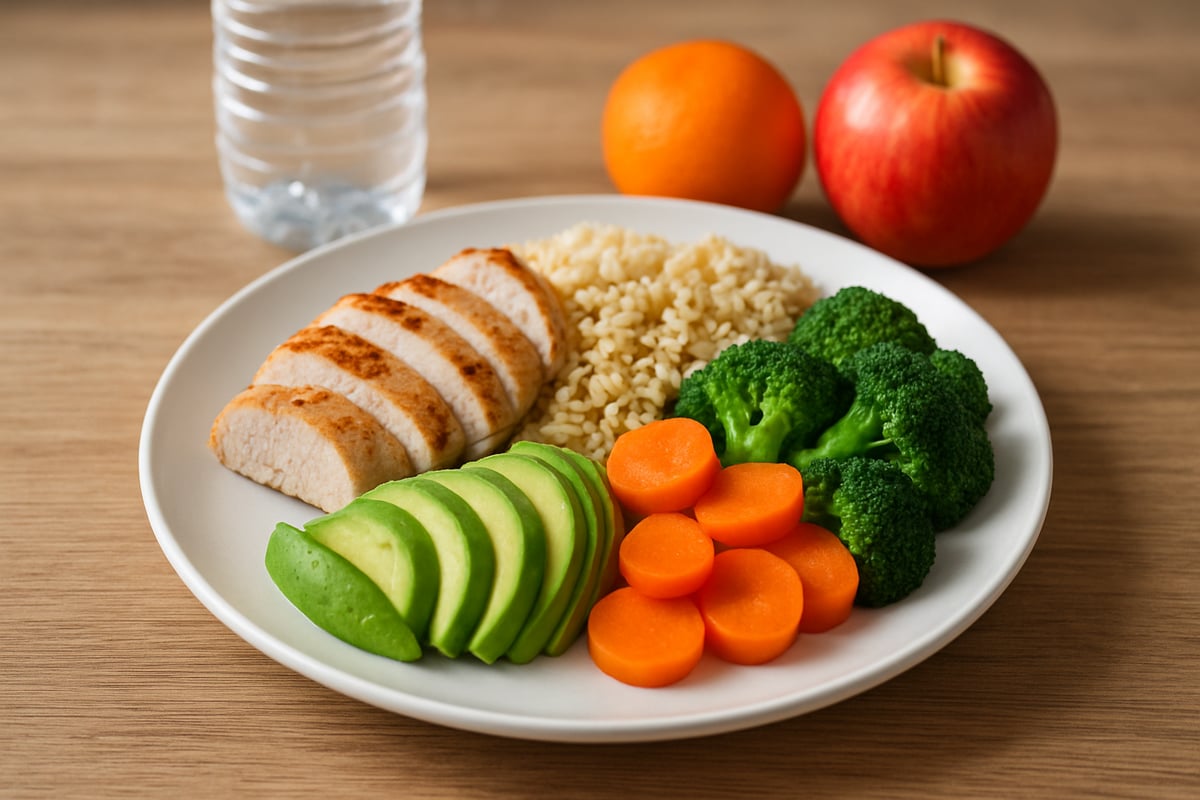
At the core of any effective 7 day diet plan for weight loss is the concept of calorie deficit. This means consuming fewer calories than your body burns each day. However, focusing only on numbers can overlook the importance of nutrient-dense foods. Choosing meals packed with lean proteins, whole grains, and fresh produce not only supports fat loss but also boosts energy and overall health.
Recent research shows that nutrient quality matters as much as quantity. For example, swapping white bread for whole grains or sugary snacks for berries can make a significant impact. These simple choices are easy to integrate into your meal planning ideas, supporting your goals without feeling deprived.
Behavioral psychology and neuroscience now play a central role in weight management. Studies highlight how habits and brain chemistry influence cravings and portion control. New data on metabolism and gut health—such as the role of the microbiome in regulating hunger—offer fresh strategies for those following a 7 day diet plan for weight loss. In a review of holistic, science-driven programs, participants reported higher success rates compared to crash diets.
Common misconceptions can hold people back:
- Believing that skipping meals speeds up fat loss
- Thinking all calories are equal, regardless of food source
- Relying solely on willpower instead of building supportive habits
Instead, making small changes—like choosing water over soda or adding greens to every meal—can yield real results. For more science-backed strategies, explore expert resources that explain how these shifts drive progress.
How Mindset and Habits Shape Success
Your mindset shapes every decision you make during a 7 day diet plan for weight loss. Habits, emotional triggers, and stress can all affect your eating patterns. Neuroscience research shows that cravings are often tied to brain pathways formed by repeated choices, not just physical hunger.
Stress and lack of sleep can undermine even the best intentions. When you’re tired or anxious, it’s easy to reach for processed snacks instead of nutritious options. Building positive routines—such as meal prepping on weekends or practicing mindful eating—can help you stay on track. For practical habit change tools, look for platforms that offer daily support and personalized reminders.
Emotional well-being is just as important as nutrition. Journaling, regular movement, and setting realistic expectations can make your 7 day diet plan for weight loss more enjoyable and achievable. If you face setbacks or cravings, self-compassion and small adjustments often work better than strict rules.
To transform your approach, consider reading about transform your habits for weight loss, which offers actionable steps for rewiring your routines. You’ll also find support resources and expert guidance to help you adapt your plan to fit your life.
For more in-depth insights on habit change and the neuroscience behind lasting results, visit this systematic review of habit-based weight loss interventions. These findings show that sustainable progress comes from small, consistent actions rather than drastic overhauls.
7 Day Diet Plan for Weight Loss: Your 2026 Blueprint
Achieving real results with a 7 day diet plan for weight loss requires more than just willpower. It demands a strategy rooted in nutrition science, behavioral psychology, and practical meal planning. This blueprint is designed to help you jumpstart your journey with structure, flexibility, and expert guidance.
Day-by-Day Meal Planning Overview
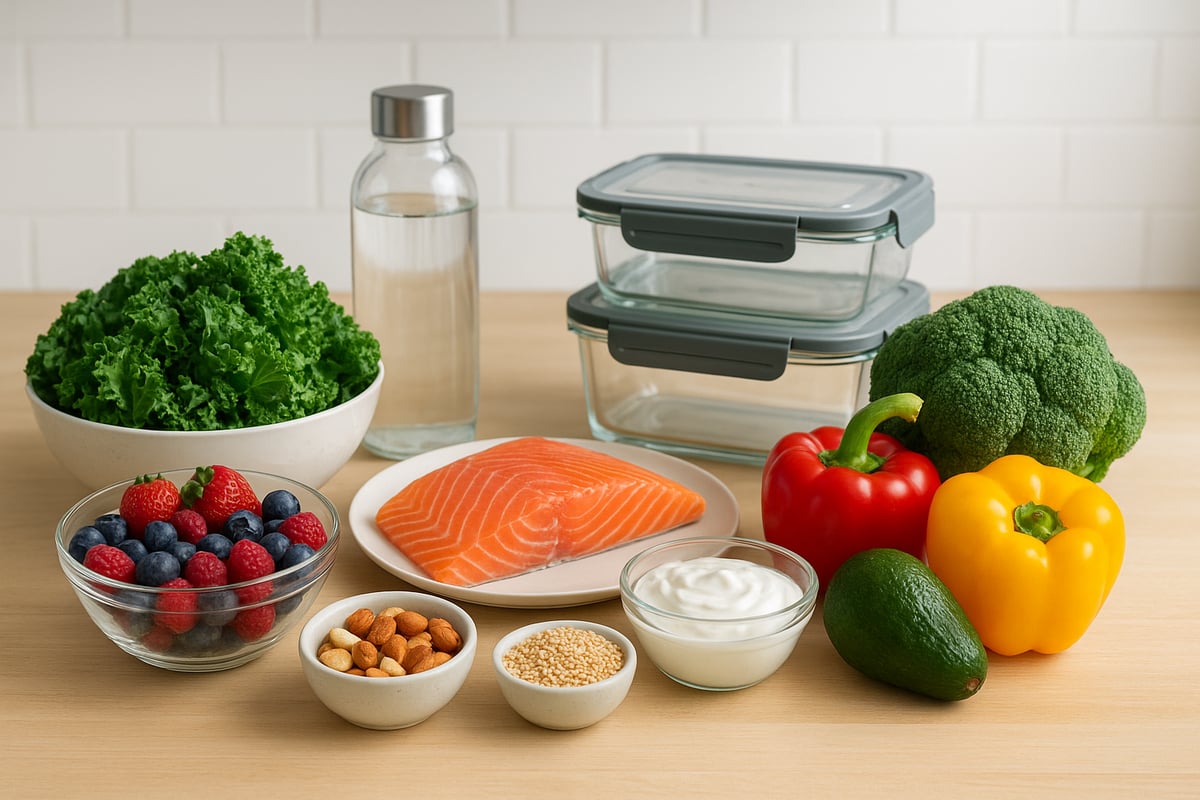
The 7 day diet plan for weight loss is built on a simple, sustainable structure: three balanced meals and two snacks daily. Each meal prioritizes whole foods such as lean proteins, whole grains, fresh vegetables, fruits, and healthy fats. The recommended calorie range is 1200–1500 per day, with adjustments based on individual needs and activity levels.
Flexibility is essential. Whether you’re vegetarian, vegan, or need gluten-free options, this plan adapts. The focus is on nutrient density, not deprivation. You’ll discover that variety and color on your plate make healthy eating enjoyable and sustainable.
To support your journey, explore complete meal plan ideas for inspiration tailored to your preferences. Meal diversity keeps you motivated and helps prevent boredom, making the 7 day diet plan for weight loss easier to follow.
For those aiming for rapid transformation, the 10 kg weight loss in 7 days diet plan offers additional strategies grounded in current nutrition research. Remember, safety and sustainability should always come first.
Detailed Daily Breakdown
Each day of the 7 day diet plan for weight loss is crafted to optimize metabolism, satiety, and enjoyment. Here’s a sample breakdown:
Day 1: Start with a high-fiber breakfast like overnight oats with berries. Enjoy grilled chicken and quinoa salad for lunch. Dinner features a veggie stir-fry with tofu or fish. Snack on carrot sticks and a handful of almonds.
Day 2: Add fermented foods such as Greek yogurt at breakfast. For lunch, try a chickpea and veggie wrap. Stay hydrated with infused water and snack on cucumber slices. Dinner could be baked salmon with roasted sweet potatoes.
Day 3: Focus on plant-based proteins. Have a smoothie bowl for breakfast, lentil soup for lunch, and a black bean taco bowl for dinner. Snack on edamame and antioxidant-rich blueberries.
Day 4: Incorporate healthy fats and complex carbs. Breakfast might be avocado toast on whole grain bread. Lunch could include a turkey and spinach wrap. Snack on walnuts. Dinner offers brown rice, grilled shrimp, and broccoli.
Day 5: Highlight omega-3s with a salmon salad or chia pudding. Lunch features a Mediterranean quinoa bowl. Snack on roasted chickpeas. Dinner can be veggie curry with brown rice.
Day 6: Emphasize meal prep. Batch-cook chicken breast and roasted vegetables for easy lunches. Breakfast could be cottage cheese with pineapple. Snack on apple slices. Dinner is a simple stir-fry with tofu and mixed greens.
Day 7: Celebrate with colorful, varied meals. Try a veggie omelette at breakfast, a grilled chicken Buddha bowl at lunch, and a baked cod dinner. Practice mindful eating and reflect on your progress.
For more simple healthy recipes, visit the Oneleaf Health resource page. You’ll also find healthy snack options and meal inspiration to keep your week exciting. If you want to boost your efforts, discover 5 ways to accelerate weight loss for actionable strategies.
Portion Control and Smart Swaps
Success with the 7 day diet plan for weight loss relies on understanding portions and making smarter choices. Use your hand as a guide: a palm-sized serving of protein, a fist of whole grains, and two open hands of vegetables per meal. This method keeps portions intuitive and manageable.
Swap refined carbs like white rice for fiber-rich quinoa. Replace chips with roasted chickpeas or sliced veggies. Instead of soda, choose sparkling water with lemon or herbal teas. These swaps increase nutrition while supporting your weight loss goals.
Explore portion control strategies to fine-tune your meals. For more practical advice, the weight loss meal planner offers tools to track your progress. If you’re curious about the science behind food choices, read about 10 foods to supercharge metabolism and incorporate them throughout your week.
Remember, small changes add up. Consistency, smart planning, and the right resources will help you make the most of your 7 day diet plan for weight loss and set the foundation for lasting results.
Essential Foods for Rapid & Sustainable Weight Loss
Achieving success with a 7 day diet plan for weight loss hinges on what you put on your plate. Choosing the right foods can jumpstart fat loss, boost energy, and help you feel satisfied, all while supporting your long-term health. Below, discover the essentials for rapid results and lasting progress.
Power Foods to Include
For any 7 day diet plan for weight loss, focusing on nutrient-dense foods is critical. These options not only reduce calorie intake but also provide the fuel your body needs for optimal function.
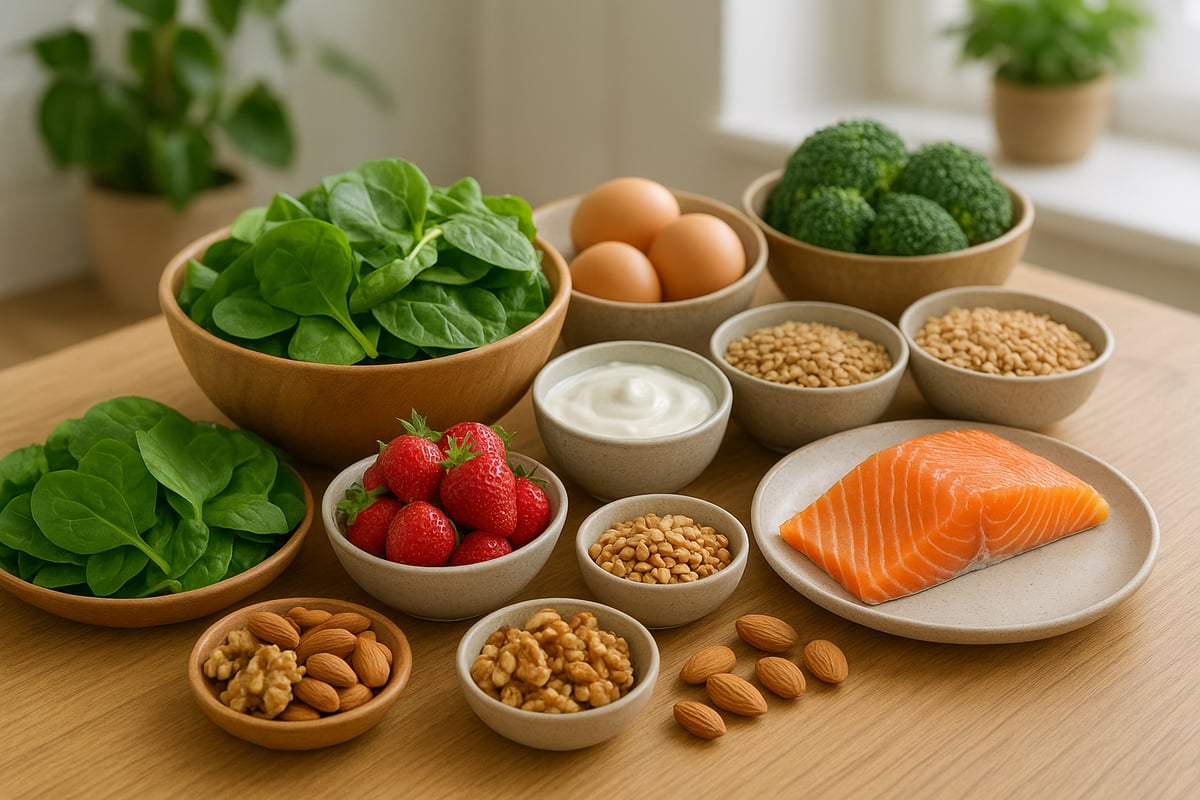
Top foods to prioritize:
- Leafy greens (spinach, kale, romaine)
- Berries (blueberries, strawberries, raspberries)
- Eggs (rich in protein and nutrients)
- Salmon and other fatty fish
- Lentils and beans
- Greek yogurt (plain, low sugar)
- Nuts and seeds
- Whole grains (quinoa, oats, brown rice)
These foods deliver a powerful combination of fiber, protein, healthy fats, and micronutrients. They help regulate appetite, stabilize blood sugar, and support gut health for sustainable weight control. Lentils, eggs, and oats are especially popular in successful meal plans, as shown in nutrient-dense food choices.
Recent research, such as a comparative study on low-carb and calorie-restricted diets, highlights the importance of focusing on quality foods over strict calorie counting. Including these options in your 7 day diet plan for weight loss can make a measurable difference.
For inspiration, explore complete meal plan ideas and simple healthy recipes to see how these foods fit into everyday meals. If you’re looking for affordable options, lentils, eggs, and oats are budget-friendly and widely available.
Want to discover more? Check out portion control strategies for guidance on serving sizes, or read why mindset matters for weight loss to understand how food choices support your goals.
Foods and Habits to Avoid
While the right foods can supercharge your 7 day diet plan for weight loss, the wrong choices can stall progress and undermine your health. Processed snacks, sugary drinks, white bread, and fried foods add empty calories and contribute to cravings.
Limit or avoid these:
- Processed snacks (chips, cookies, pastries)
- Sugary drinks (soda, sweetened teas, energy drinks)
- White bread and refined grains
- Fried foods and fast food
- High-sodium packaged items
- Foods with hidden sugars or artificial additives
Hidden sugars and excess sodium are common in packaged foods. Reading labels is essential. Numerous studies show that diets high in processed foods are directly linked to increased obesity rates. To help you stay informed, explore how to stay on track with your plan and journal prompts for weight loss mindset.
Remember, every small swap counts. Replace soda with infused water ideas, or chips with roasted chickpeas for a nutrition boost. For more tips on smart swaps and label reading, visit meal prep for weight loss.
By making these informed choices, your 7 day diet plan for weight loss becomes a blueprint for rapid, healthy results—setting you up for lasting success.
Step-by-Step Guide to Meal Prep and Planning Success
Meal prep is the backbone of every successful 7 day diet plan for weight loss. When you take time to plan ahead, you remove the guesswork from eating healthy and set yourself up for consistent progress. This section will help you master meal planning, shop smarter, and stay motivated—even when life gets busy.
The Power of Planning Ahead
The foundation of any 7 day diet plan for weight loss is structured meal planning. By mapping out your week in advance, you reduce daily stress and make healthier choices automatic. Start by setting aside 30 minutes each week to outline your meals, snacks, and beverages. Use a physical planner, a digital app, or a printable template from this meal planning resource.
Next, build a comprehensive grocery list. Organize it by food category—produce, proteins, grains, and pantry staples—so shopping is efficient. This approach keeps you focused and less tempted by impulse buys. Batch cooking is another game-changer. Prepare large portions of staples like grilled chicken, roasted vegetables, and brown rice. Store them in individual containers for grab-and-go meals.
Proper storage is essential for freshness and convenience. Use clear glass containers to easily see what’s inside. Label each with the date and meal type. For reheating, opt for microwave-safe or oven-safe dishes. These small steps ensure your 7 day diet plan for weight loss remains hassle-free and sustainable throughout the week.
Budget-Friendly Shopping and Cooking
Eating well on a 7 day diet plan for weight loss does not have to break the bank. Shopping in bulk for items like oats, beans, and frozen vegetables saves money and reduces trips to the store. Choose seasonal produce for the best value and flavor—think berries in summer or root vegetables in winter. Explore more budget-friendly meal prep ideas to stretch your grocery dollars.
Minimize food waste by planning meals that use overlapping ingredients. For example, spinach can be used in breakfast omelets, salads, and dinner stir-fries. Home cooking gives you more control over portions and nutrition, and is usually less expensive than dining out. Consider repurposing leftovers into new dishes, such as turning baked chicken into a hearty soup.
When you plan ahead, you can also incorporate simple, nutritious recipes that match your dietary needs. If you need inspiration, browse complete meal plan ideas for every dietary preference. These strategies make your 7 day diet plan for weight loss both affordable and delicious.
Staying Motivated and Overcoming Obstacles
Sticking with your 7 day diet plan for weight loss can be challenging, especially when cravings or social gatherings arise. One key to success is having healthy snacks prepped and visible. Keep containers of cut veggies, fruit, or roasted chickpeas in your fridge for quick, satisfying options.
When boredom strikes, rotate your meals using easy healthy recipe variations to keep things fresh. Social situations can test your resolve, but planning ahead—such as bringing a nutritious dish to share—makes it easier to stay on track. For extra support, explore expert Q&A and support resources.
Remember, setbacks are normal. Practice self-compassion and realistic expectations. If you encounter a plateau, review tips on overcoming a weight loss plateau to keep your momentum. Celebrate small victories, and don’t hesitate to seek out motivation strategies from those who have succeeded.
The Role of Mindset: Rewiring Your Brain for Lasting Results
Achieving success with any 7 day diet plan for weight loss is not solely about food choices. The real transformation begins in your mind. Neuroscience now confirms that our beliefs, routines, and emotional triggers shape our eating far more than willpower alone.
Many people start a 7 day diet plan for weight loss feeling motivated, yet old habits often resurface. Why? Because the subconscious mind drives nearly all daily behaviors—including what, when, and how much you eat. If you have struggled with yo-yo dieting or inconsistent results, you are not alone. The key difference between fleeting change and lasting results lies in understanding and reshaping these underlying patterns.
Why Mindset Matters More Than Willpower
When you begin a 7 day diet plan for weight loss, your mindset sets the foundation for either struggle or success. Research shows that subconscious beliefs—often formed from past experiences—can sabotage even the most science-backed eating plans. For example, if you associate comfort with high-calorie foods, stress may trigger mindless snacking despite your best intentions.
Recent breakthroughs in neuroscience reveal that habit loops are deeply ingrained in the brain. However, these loops are not permanent. With intentional strategies, you can disrupt old patterns and form healthier ones. The NIH study on breaking habitual behaviors explains the brain's ability to shift from automatic routines to conscious, goal-directed actions, which is crucial for lasting weight management.
To rewire your brain for a successful 7 day diet plan for weight loss, focus on:
- Identifying emotional triggers that prompt overeating.
- Practicing mindful eating to become aware of hunger and fullness cues.
- Replacing negative self-talk with positive affirmations and self-compassion.
- Using simple healthy recipes to reduce decision fatigue.
- Setting realistic, specific goals that align with your lifestyle.
It is not about rigid restriction but about making effortless, natural choices that support your vision. Many find that journaling, meditation, and supportive communities can accelerate this mindset shift. For more on building a positive routine, explore habits for long-term success.
How Oneleaf Supports Effortless Weight Loss
Oneleaf harnesses the power of neuroscience to help you achieve your 7 day diet plan for weight loss without constant struggle. Through guided audio sessions, Oneleaf blends behavioral psychology and self-hypnosis, working with your brain to reduce cravings and establish healthy routines.

Unlike traditional diets that rely on willpower and calorie tracking, Oneleaf empowers you to make natural choices. Users report less stress, fewer cravings, and more confidence in their ability to maintain results. This approach fits seamlessly with busy lives and can be personalized for any 7 day diet plan for weight loss.
To support your journey:
- Try portion control strategies for easy, effective meal management.
- Access complete meal plan ideas for inspiration and variety.
- Use budget meal prep tips to make healthy eating affordable.
- Read journal prompts for weight loss mindset for deeper self-reflection.
- Discover how to stay on track with your plan for ongoing motivation.
The science is clear: by changing your mindset, you unlock the path to sustainable results. Begin with small shifts, celebrate each win, and remember that lasting change is built one thought, one habit, and one meal at a time.
Frequently Asked Questions About 7 Day Diet Plans
Embarking on a 7 day diet plan for weight loss often brings up important questions. To help you make informed decisions, we have gathered expert answers to the most common concerns about safety, effectiveness, and maintaining healthy habits.
Is a 7 day diet plan for weight loss safe for everyone?
Most healthy adults can safely follow a well-structured 7 day diet plan for weight loss, as long as the focus remains on balanced nutrition and adequate calories. If you have medical conditions, are pregnant, breastfeeding, or taking medications, consult a healthcare provider before starting any new eating plan. Registered dietitians recommend adapting the plan to your needs.
How much weight can you realistically lose in a week?
Most people see a loss of 1–3 pounds with a 7 day diet plan for weight loss, depending on starting weight, metabolism, and adherence. Rapid drops are often water weight, not fat. Sustainable results come from following expert meal plans and prioritizing whole foods.
What if you have dietary restrictions or allergies?
Adapt your 7 day diet plan for weight loss with suitable swaps. Choose vegetarian, vegan, gluten-free, or allergy-friendly options. The complete meal plan guide includes suggestions for many dietary needs. When in doubt, consult a registered dietitian for personalized advice.
How should you handle setbacks or missed meals?
Missing a meal or indulging at an event is common. Simply return to your 7 day diet plan for weight loss at the next meal, and avoid guilt. Meal prepping and portion control strategies help you stay on track. For mindset support, see how to rewire your brain for weight loss.
Can you repeat the plan or adapt it for longer-term goals?
Yes, you can repeat the 7 day diet plan for weight loss or use it as a foundation for healthy habits. For lasting progress, focus on habits that support long-term success and make gradual adjustments over time.
How do you recognize signs of healthy vs. unhealthy weight loss?
Healthy weight loss feels energizing, preserves muscle, and does not cause extreme hunger or fatigue. Unhealthy signs include dizziness, irritability, or rapid weight regain. For best outcomes, follow science-backed meal plans and monitor your well-being.
What about cravings and eating pleasure?
Cravings are normal, especially when starting a new 7 day diet plan for weight loss. Recent research reveals that changes in brain chemistry, such as reduced neurotensin levels, can affect eating pleasure and drive overeating. Learn more about neurotensin's role in obesity-related eating behavior to understand your body's signals.
How do you maintain momentum after the first 7 days?
Celebrate your progress, set new goals, and use simple meal prep tips to keep healthy habits going. For more expert Q&A and ongoing support, explore additional resources.
Now that you have a clear, science-backed blueprint for your 7 day diet plan and a deeper understanding of how mindset and habits shape real, lasting change, why not take the next step toward your goals? If you’re ready to discover the approach that fits your unique needs and helps reprogram your brain for effortless, natural weight loss, I invite you to personalize your journey. Take a few moments to see how these strategies can work for you by starting with a quick quiz—it’s a simple way to gain clarity and set yourself up for success.
Start Quizz