Menopause brings significant hormonal shifts that can make weight management feel like an uphill battle. As estrogen levels decline, many women notice stubborn weight gain, particularly around the midsection, despite maintaining the same diet and exercise habits they've always followed. While supplements alone cannot reverse menopausal weight gain, certain nutrients can support your body's changing needs during this transition. Understanding the best supplements for menopause weight gain, combined with lifestyle modifications and mental reprogramming, can help you navigate this phase with greater confidence and control.
Understanding the Menopause Weight Gain Challenge
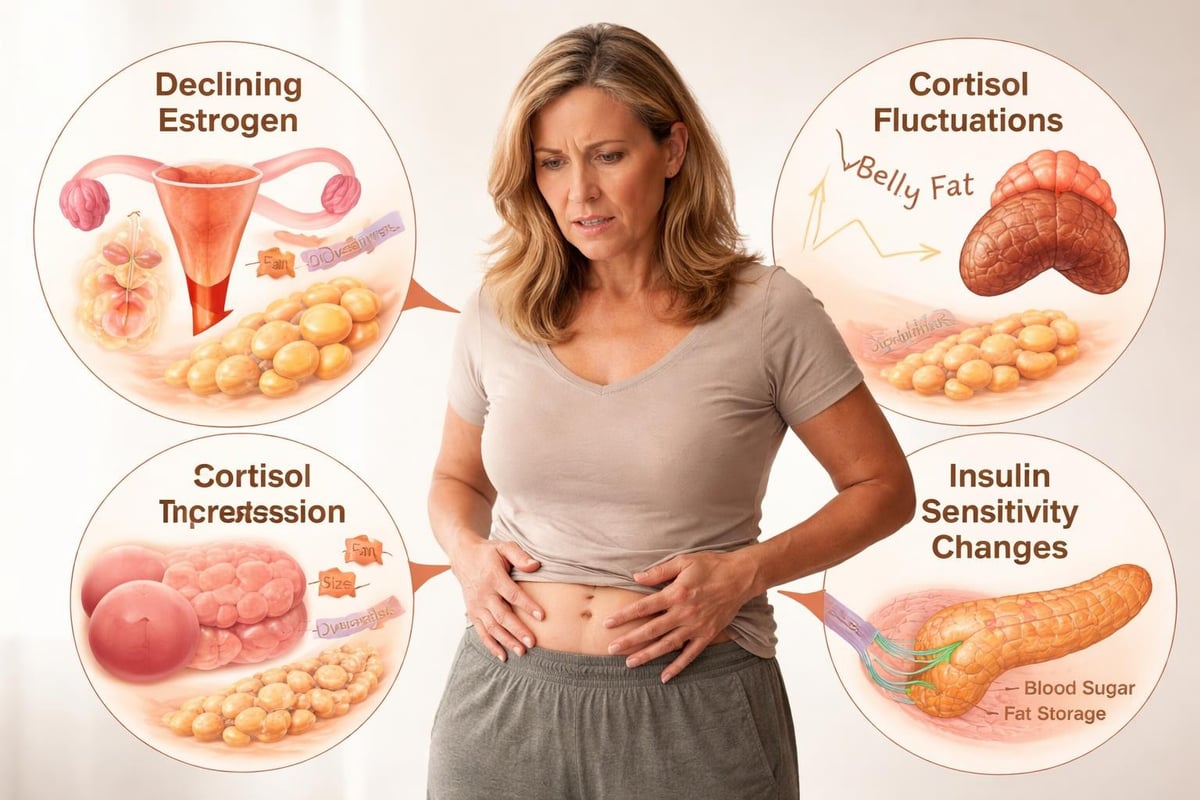
The hormonal fluctuations during menopause create a perfect storm for weight gain. Declining estrogen levels affect how your body distributes and stores fat, shifting it from the hips and thighs to the abdomen. This change isn't just cosmetic; it also increases health risks associated with visceral fat.
Beyond fat distribution, menopause slows your metabolic rate. Research indicates that women experience a decrease in resting metabolic rate of approximately 50-70 calories per day during the menopausal transition. This seemingly small reduction compounds over time, potentially leading to significant weight gain if dietary and activity levels remain unchanged.
The Role of Muscle Loss
Muscle mass naturally declines with age, a process called sarcopenia. Since muscle tissue burns more calories than fat tissue, this loss further reduces metabolic rate. According to research on metabolism and muscle loss during menopause, women can lose up to 3-5% of muscle mass per decade after age 30, with acceleration during menopause.
The psychological impact matters too. Many women experience increased stress, sleep disruptions, and mood changes during menopause, all of which can trigger emotional eating patterns. Traditional weight loss programs often fail because they don't address these underlying mental and emotional drivers.
Essential Vitamin and Mineral Supplements
Certain foundational nutrients become increasingly important during menopause, both for overall health and weight management support.
Vitamin D and Calcium
Vitamin D plays a crucial role in metabolic health and weight regulation. Studies suggest that adequate vitamin D levels may help reduce abdominal fat accumulation. Many women become deficient in vitamin D during menopause due to decreased skin synthesis and reduced dietary intake.
Recommended dosage typically ranges from 1,000 to 2,000 IU daily, though some women may require higher doses based on blood testing. Pairing vitamin D with calcium creates synergistic benefits, as vitamin D enhances calcium absorption.
Calcium supports bone health, which becomes critical as estrogen decline increases osteoporosis risk. Beyond bone support, adequate calcium intake may help with weight management. Research suggests calcium plays a role in fat metabolism and may help reduce fat storage.
- Aim for 1,200 mg of calcium daily from combined food sources and supplements
- Choose calcium citrate for better absorption, especially if taking proton pump inhibitors
- Split doses throughout the day for optimal absorption
B-Vitamin Complex
B vitamins collectively support energy metabolism, helping convert food into usable energy rather than stored fat. They also support nervous system health and mood regulation, both of which influence eating behaviors.
B12 becomes particularly important as absorption decreases with age. Deficiency can cause fatigue, which may reduce physical activity and compound weight gain. B6 helps regulate hormones and neurotransmitters, potentially reducing mood-related eating patterns.
Folate (B9) supports cellular metabolism and may help reduce homocysteine levels, which tend to rise during menopause. A quality B-complex supplement provides these nutrients in balanced ratios, typically taken once daily with food.
Hormone-Balancing Supplements
While these supplements don't replace declining estrogen, they can help modulate hormonal effects and support your body's adaptation to changing hormone levels.
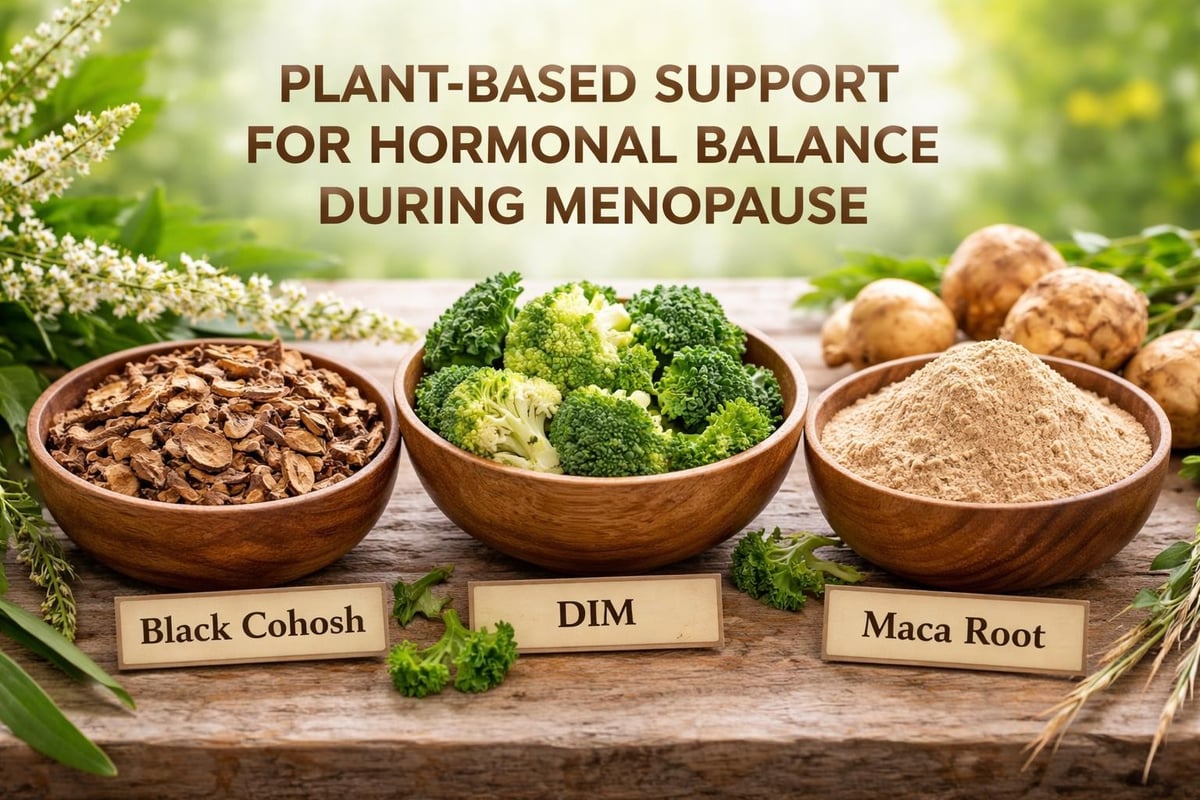
Black Cohosh
Black cohosh has been used traditionally for menopausal symptoms and shows promise in clinical research. This herb appears to work on serotonin receptors rather than directly affecting estrogen levels. Some studies suggest it may help reduce hot flashes and improve sleep quality, both of which indirectly influence weight management by reducing stress-related eating and supporting better recovery.
Typical dosing ranges from 20 to 80 mg of standardized extract daily. Effects typically become noticeable after 4-8 weeks of consistent use. Black cohosh appears in many formulations designed to support menopause symptoms.
DIM (Diindolylmethane)
DIM, a compound derived from cruciferous vegetables like broccoli and cabbage, supports healthy estrogen metabolism. It helps the body process estrogen into beneficial metabolites rather than problematic ones. This balanced estrogen metabolism may help reduce estrogen dominance symptoms that can contribute to weight gain.
Research highlighted in supplements for menopause symptoms and weight loss shows DIM may support healthy body composition during hormonal transitions. Typical supplementation ranges from 100 to 300 mg daily.
Maca Root
This Peruvian adaptogen has gained attention for supporting hormonal balance without containing hormones itself. Maca appears to work on the hypothalamic-pituitary axis, potentially helping regulate hormone production. Some women report improved energy levels and reduced menopausal symptoms with maca supplementation.
Studies suggest maca may help reduce anxiety and improve mood, which can positively impact eating behaviors. Dosages typically range from 1,500 to 3,000 mg daily of powdered maca root.
Metabolic Support Supplements
These supplements specifically target metabolic function, potentially helping counteract the metabolic slowdown associated with menopause.
Omega-3 Fatty Acids
Fish oil rich in EPA and DHA offers multiple benefits for menopausal women. These essential fatty acids support healthy inflammation response, cardiovascular health, and metabolic function. Research suggests omega-3s may help improve insulin sensitivity and reduce visceral fat accumulation.
The anti-inflammatory properties of omega-3s may also help reduce the chronic low-grade inflammation associated with menopause, which can interfere with healthy metabolism. Most experts recommend 1,000 to 2,000 mg combined EPA and DHA daily.
Quality matters significantly with fish oil supplements. Look for products that are third-party tested for purity and free from heavy metals and contaminants.
Magnesium
This often-overlooked mineral plays roles in over 300 enzymatic reactions in your body, including those involved in glucose metabolism and insulin function. Magnesium deficiency is common and may worsen during menopause due to decreased absorption and increased stress.
Benefits for menopausal women include:
- Improved sleep quality, which supports healthy metabolism and reduces stress eating
- Better blood sugar regulation, reducing energy crashes and cravings
- Reduced muscle tension and improved recovery from exercise
- Support for mood stability and stress management
Magnesium glycinate typically provides the best absorption with minimal digestive side effects. Dosages range from 200 to 400 mg daily, preferably taken in the evening to support sleep.
Green Tea Extract
Green tea extract, particularly its active compound EGCG (epigallocatechin gallate), has been studied for its potential metabolic benefits. Research suggests it may modestly increase metabolic rate and enhance fat oxidation, particularly during exercise.
As discussed in resources about supplements for menopause-related weight gain, green tea extract may provide mild thermogenic effects. Typical supplementation provides 250 to 500 mg of EGCG daily. Take green tea extract earlier in the day to avoid potential sleep disruption from its caffeine content.
Adaptogenic and Stress-Management Supplements
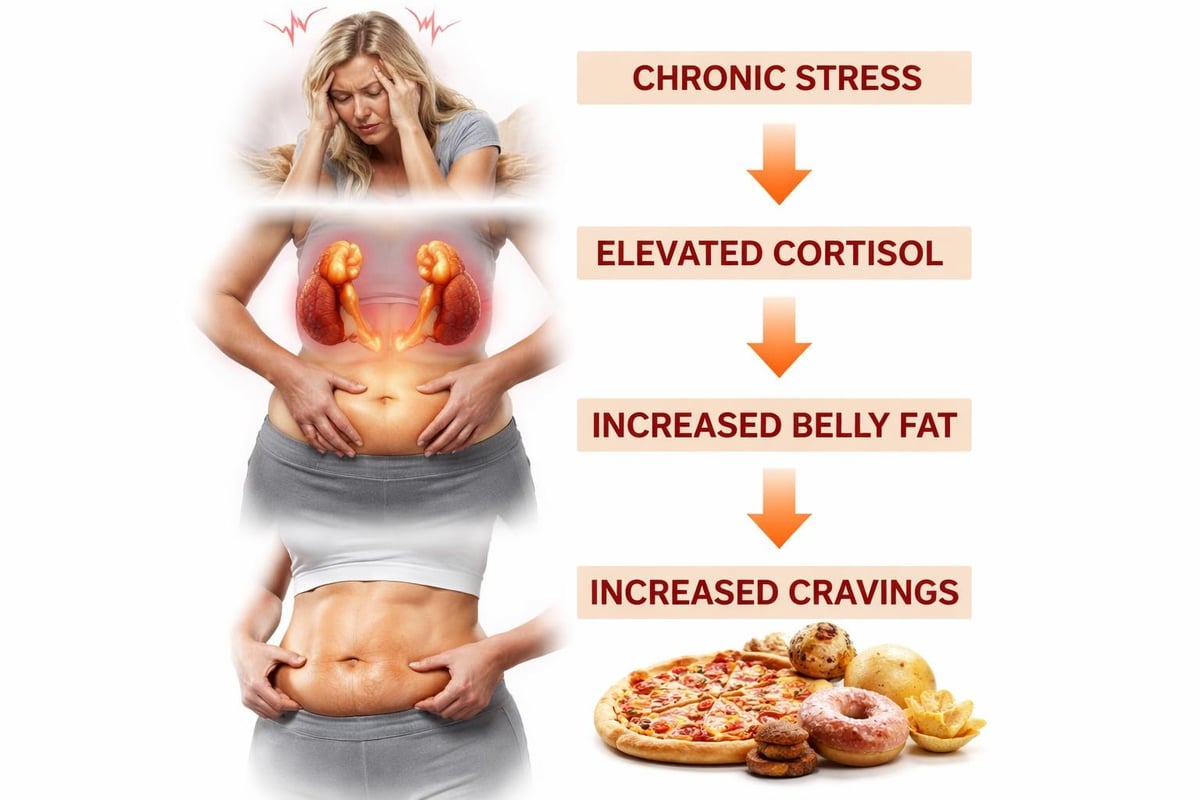
Stress management becomes increasingly important during menopause, as elevated cortisol levels can drive abdominal fat storage and increase cravings for high-calorie comfort foods.
Ashwagandha
This powerful adaptogen helps the body manage stress more effectively by modulating cortisol levels. Chronic stress and elevated cortisol are significant contributors to menopausal weight gain, particularly around the midsection.
Clinical studies show ashwagandha can reduce cortisol levels by up to 30% in stressed individuals. Beyond cortisol regulation, ashwagandha may improve sleep quality, reduce anxiety, and enhance overall vitality. Resources highlighting herbal supplements for menopausal weight gain often include ashwagandha for its comprehensive benefits.
Standard dosing ranges from 300 to 600 mg of standardized extract daily, typically taken in divided doses or in the evening.
Rhodiola Rosea
Rhodiola functions as an adaptogen that supports energy, mental clarity, and stress resilience. For menopausal women experiencing fatigue and mental fog, rhodiola may help maintain the energy needed for regular physical activity and mindful food choices.
This herb appears to work by supporting neurotransmitter balance and improving the body's stress response. Typical supplementation ranges from 200 to 400 mg daily of standardized extract containing 3% rosavins and 1% salidroside.
Protein and Fiber Supplements
Sometimes the best supplements for menopause weight gain aren't exotic herbs but simple nutritional building blocks that many women don't consume in adequate amounts.
Protein Powder
Maintaining muscle mass during menopause requires adequate protein intake, yet many women fall short of optimal levels. Protein supplementation offers several advantages:
- Preserves lean muscle mass, supporting metabolic rate
- Increases satiety, reducing overall calorie intake
- Requires more energy to digest than carbohydrates or fats (thermic effect)
- Supports recovery from resistance training
Research suggests menopausal women benefit from higher protein intake than younger women, potentially 1.0 to 1.2 grams per kilogram of body weight daily. Supplements that support weight loss often include quality protein as a foundation.
Choose high-quality sources like whey protein isolate for fast absorption or plant-based options like pea or hemp protein for those avoiding dairy. Adding a protein shake to your daily routine, particularly after exercise or as a meal replacement, can help meet these increased needs.
Fiber Supplements
Fiber plays multiple roles in weight management. It increases feelings of fullness, slows digestion to prevent blood sugar spikes, supports healthy gut bacteria, and aids in estrogen metabolism through the digestive tract.
Most American women consume only about 15 grams of fiber daily, well below the recommended 25 to 30 grams. Supplementing with psyllium husk, inulin, or a comprehensive fiber blend can help bridge this gap.
Start with small doses and increase gradually to avoid digestive discomfort. Take fiber supplements with adequate water and separate from medications, as fiber can interfere with absorption.
Integrating Supplements with Lifestyle Changes
The best supplements for menopause weight gain work synergistically with comprehensive lifestyle modifications. No supplement can overcome poor sleep, chronic stress, or sedentary habits. Instead, view supplements as supportive tools within a broader framework.
The Mind-Body Connection
Your thoughts, beliefs, and subconscious patterns profoundly influence your eating behaviors and metabolism. Stress, anxiety about weight gain, and negative self-talk create hormonal responses that make weight loss harder. This is where neuroscience-based approaches become invaluable.
Understanding how to balance hormones through supplements to balance hormones and lose weight represents only part of the equation. Addressing the neural patterns that drive your food choices, stress responses, and self-sabotaging behaviors creates sustainable change.
Just 10 minutes daily of targeted mental training can reprogram the subconscious patterns that lead to emotional eating, poor food choices, and metabolic slowdown. When you change how your brain responds to stress, food cues, and hormonal fluctuations, healthy behaviors become automatic rather than requiring constant willpower.
Exercise and Movement
Physical activity becomes even more critical during menopause. Resistance training helps preserve muscle mass, while cardiovascular exercise supports metabolic health and stress management. Supplements can support your exercise efforts by providing the nutrients needed for recovery and adaptation.
Effective exercise strategies include:
- Resistance training 2-3 times weekly to maintain muscle mass
- Regular walking or moderate cardio for metabolic health
- Flexibility and balance work like yoga or tai chi
- High-intensity interval training (if cleared by your healthcare provider)
Protein supplements support muscle recovery, while magnesium helps reduce muscle soreness. Omega-3s support the anti-inflammatory response to exercise, allowing for more consistent training.
Safety Considerations and Quality Standards
Not all supplements are created equal, and quality varies dramatically between brands. When selecting the best supplements for menopause weight gain, prioritize products that meet rigorous quality standards.
What to Look For
Third-party testing provides independent verification of purity and potency. Look for certifications from organizations like NSF International, USP (United States Pharmacopeia), or ConsumerLab. These certifications ensure the product contains what the label claims and is free from harmful contaminants.
Transparent labeling should clearly state all ingredients, dosages, and potential allergens. Avoid proprietary blends that hide individual ingredient amounts, making it impossible to know what you're actually consuming.
Appropriate dosages based on clinical research matter more than mega-doses. More isn't always better with supplements, and excessive amounts can cause side effects or interact with medications.
Potential Interactions and Precautions
Always consult with your healthcare provider before starting new supplements, especially if you take medications or have health conditions. Some important interactions to be aware of:
- Black cohosh may interact with medications metabolized by the liver
- Fish oil can increase bleeding risk when combined with blood thinners
- Vitamin D requires monitoring if you have kidney disease or certain other conditions
- Some adaptogens may affect thyroid medication effectiveness
Start new supplements one at a time rather than all at once. This approach allows you to identify which supplements provide benefits and whether any cause adverse effects.
Creating Your Personalized Supplement Strategy
Rather than taking every supplement mentioned here, create a targeted strategy based on your specific needs, symptoms, and budget. Start with foundational nutrients, then add specific supplements addressing your primary concerns.
A basic starter protocol might include:
- High-quality multivitamin with adequate vitamin D and B-complex
- Omega-3 fish oil (1,000-2,000 mg EPA/DHA)
- Magnesium glycinate (200-400 mg)
- Protein powder to support adequate daily intake
From this foundation, you might add hormone-balancing supplements like DIM or black cohosh if you experience significant hot flashes or hormonal symptoms. If stress and cortisol are major concerns, consider adding ashwagandha.
Track your symptoms, energy levels, and weight patterns over 8-12 weeks to assess whether your supplement protocol provides benefits. Supplements work gradually, so patience is essential. Most nutritional interventions require consistent use for at least 4-8 weeks before effects become noticeable.
The Bigger Picture of Menopausal Wellness
Weight gain during menopause often feels frustrating and discouraging, but this transition also offers an opportunity to develop a more compassionate, sustainable relationship with your body. The best supplements for menopause weight gain support your physiological needs, but lasting change requires addressing the mental and emotional dimensions of health as well.
Restrictive dieting and forced willpower typically backfire during menopause, increasing stress hormones and slowing metabolism further. Online weight loss programs that focus on behavioral change rather than restriction offer more sustainable approaches.
Understanding that your brain drives your behaviors provides empowerment. When you experience cravings, emotional eating, or metabolic resistance, these aren't personal failures. They're physiological responses influenced by hormones, neural patterns, and environmental cues. Changing these patterns at the source creates lasting transformation.
Consider exploring approaches that work with your brain's natural learning systems rather than against them. Resources like supplements to reduce cortisol and belly fat address the physiological side, while neuroscience-based mental training addresses the behavioral patterns driving your choices.
Managing menopausal weight gain requires a comprehensive approach that addresses nutrition, supplementation, exercise, and the mental patterns driving your behaviors. While supplements provide valuable support for hormonal balance and metabolic function, lasting change happens when you reprogram the subconscious patterns that control your relationship with food and stress. Oneleaf offers a neuroscience-based approach that helps you retrain your brain in just 10 minutes daily, making healthy choices feel natural and effortless rather than requiring constant willpower. When you address both the physical and mental dimensions of menopausal weight gain, you create sustainable results that support your wellbeing for years to come.