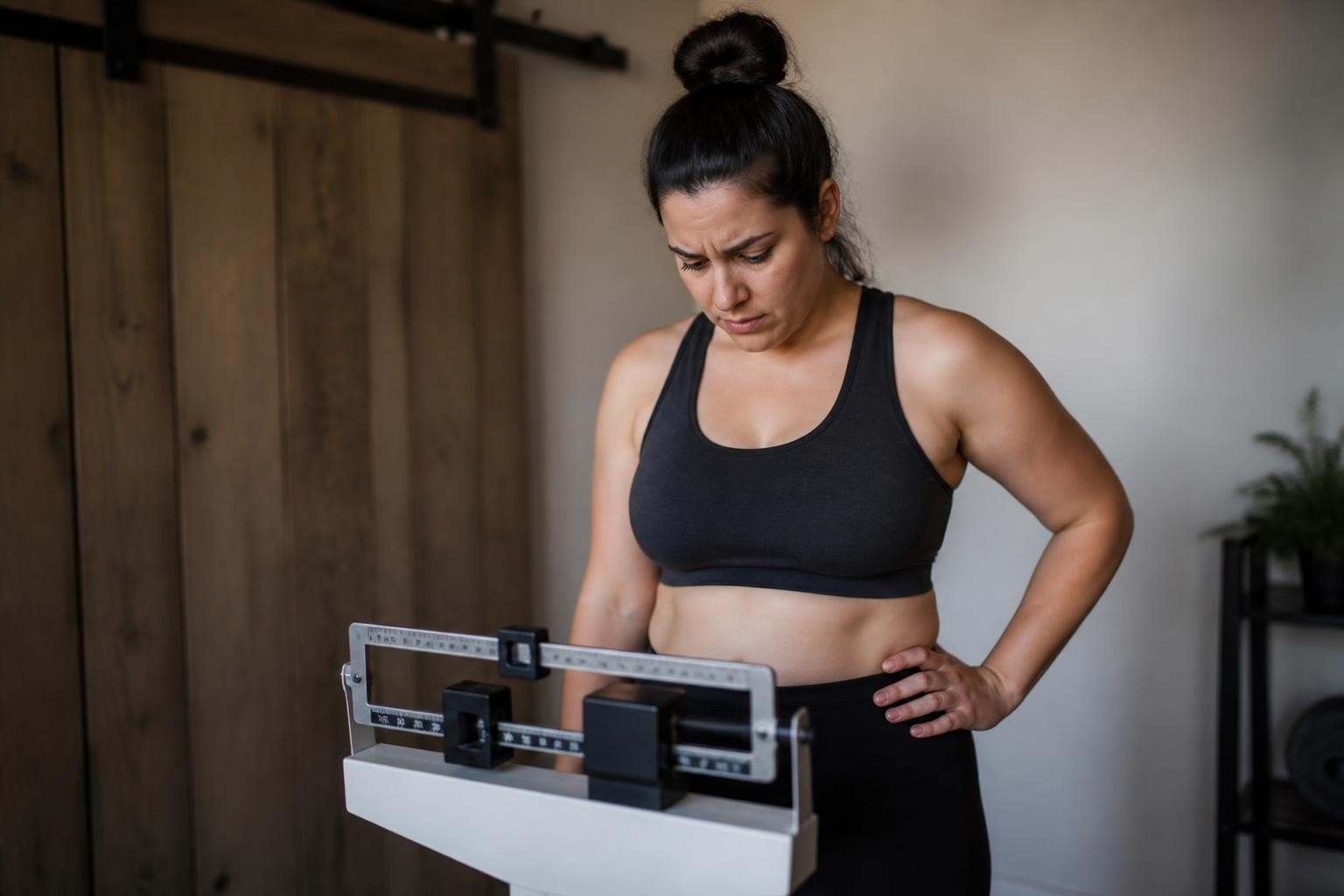
2026 is the year to finally transform your body and achieve the results you have always wanted. Thanks to cutting-edge research, innovative fitness technology, and smarter strategies, it is now more possible than ever to build muscle lose fat at the same time.
This comprehensive guide will walk you through a proven, science-backed plan—from nutrition and training to recovery, mindset, and progress tracking. Ready to unlock your full potential? Discover the actionable steps that will help you create lasting change and start your journey today with expert guidance.
Understanding Body Recomposition: The Science of Building Muscle and Losing Fat
Achieving your best physique in 2026 means rethinking old approaches and embracing the science of body recomposition. Unlike traditional cycles of bulking and cutting, body recomposition empowers you to build muscle lose fat at the same time, leading to a leaner, stronger body. This section reveals the mechanisms, success factors, and 2026’s breakthroughs that make this goal more achievable than ever.

What is Body Recomposition?
Body recomposition refers to the simultaneous process of gaining muscle mass while reducing body fat. Unlike the traditional method of alternating between bulking to gain weight and cutting to lose fat, this approach aims for gradual, sustainable transformation. The main physiological drivers are muscle protein synthesis, which supports muscle growth, and fat oxidation, which reduces stored body fat.
Recent scientific evidence, including 2023 meta-analyses, confirms that it is possible to build muscle lose fat at the same time, especially for beginners, those returning after a break, or people using optimized nutrition and training strategies. For example, higher protein intakes have shown significant benefits in muscle gain and fat loss, as highlighted in Protein intake's impact on body recomposition.
Common myths—such as “you can’t build muscle and lose fat simultaneously”—are being debunked by both research and real-world results. The key is a balanced plan, smart tracking, and consistent effort, all supported by modern resources like body composition tracking tools.
Factors That Influence Success
Several factors determine how effectively you can build muscle lose fat. These include genetics, age, gender, and hormone profiles, which all influence your body’s response to nutrition and training. Training experience matters; beginners or those returning after a layoff typically see faster changes, while advanced athletes may progress more slowly.
Your starting body composition also plays a role. For example, those with higher body fat may lose fat more rapidly, while leaner individuals might focus more on muscle gain. Realistic expectations are crucial—most people can expect to lose 0.5–1% body fat and gain 1–2 pounds of muscle per month under optimized conditions.
It is important to track both muscle and fat changes, not just the scale. Tools like smart scales, DEXA scans, and habit tracking apps offer valuable insights. Avoid the mistake of obsessing over daily weight; instead, use weekly check-ins and monthly reviews. For more guidance, see How to set sustainable weight loss goals.
Common myths include:
- You cannot build muscle lose fat at the same time.
- Only young people can recomposition.
- Cardio ruins muscle gains.
- Supplements are essential for progress.
Education and the right mindset dispel these myths, allowing you to focus on proven strategies and mindful habit development.
The 2026 Advantage: New Research & Tech
The fitness landscape in 2026 is transformed by technology. Wearables and advanced body composition trackers now provide instant feedback on your progress, making it easier to build muscle lose fat with precision. Devices like smart scales and AI-driven fitness apps analyze trends, personalize your plan, and help you adjust quickly.
Personalized nutrition is now accessible through data-driven apps that suggest optimal macro splits and meal timing. AI-powered plans adapt to your unique physiology, ensuring the most effective path to your goals. For a glimpse into the future of tracking, explore innovations such as ShapedNet enhances body composition assessment.
Data-driven decision-making accelerates results. You can compare your progress, tweak your habits, and stay accountable using modern progress tracking tools. For further reading, check out Effective metabolism-boosting strategies and build your knowledge base for lasting success.
With the right science, tools, and mindset, anyone can build muscle lose fat in 2026. Start by leveraging new technology, setting realistic goals, and engaging with supportive communities through habit tracker features.
Step 1: Set Realistic Goals and Assess Your Starting Point
Setting the right foundation is essential if your goal is to build muscle lose fat in 2026. Before jumping into nutrition or training, you need a clear, realistic roadmap and an honest look at where you are starting. This step is where lasting transformations begin.
Establishing SMART Goals for 2026
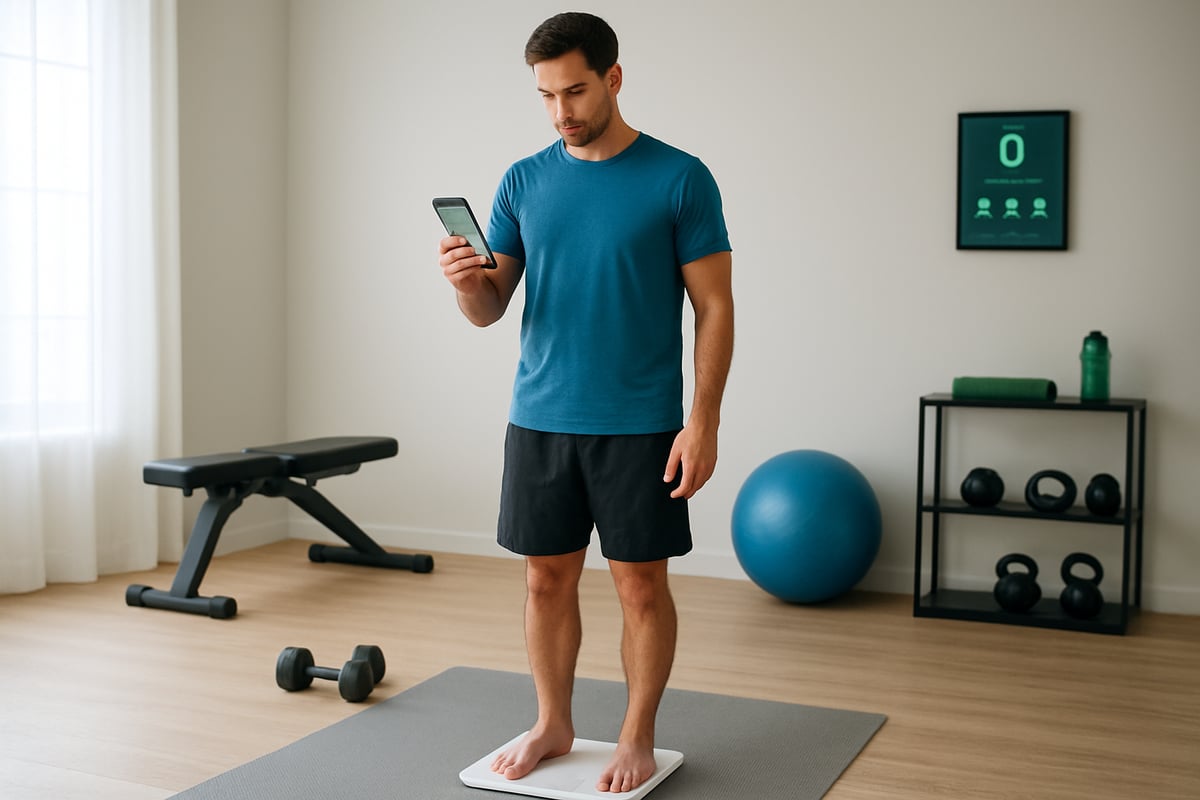
To successfully build muscle lose fat, use the SMART framework: goals must be Specific, Measurable, Achievable, Relevant, and Time-bound. For example, instead of saying "get in shape," set a goal like, "Gain 5 lbs of muscle and lose 8 lbs of fat in 16 weeks."
Tracking both your muscle mass and body fat percentage is key. Relying only on the scale can be misleading. Modern tools, such as smart scales, DEXA scans, and fitness apps, make it easier than ever to monitor your progress with precision. If you want to visually assess changes, take regular progress photos and use body measurements.
Embrace a long-term, sustainable mindset. Quick fixes rarely last and can lead to frustration. Many people fall into the trap of chasing rapid results, but patience is your best ally. Avoid the mistake of setting unrealistic deadlines or obsessing over daily scale fluctuations. For more guidance on setting achievable targets, explore how to set sustainable weight loss goals.
If you are looking for healthy recipes, meal planning tips, or ways to stay on track, check out the supportive resources available for your journey.
Tracking Your Progress
Consistency in tracking is vital when you aim to build muscle lose fat. Schedule weekly check-ins to log your weight, body fat percentage, measurements, and photos. Review your progress monthly to identify trends and make informed adjustments.
Rely on data, not emotions, to guide your decisions. If progress slows, do not panic. Instead, use habit tracking tools to monitor your daily routines and spot areas for improvement. These tools can help you stay accountable and celebrate small victories along the way.
Remember, progress is rarely linear. Plateaus are normal, and sometimes your body needs time to adapt. Use motivation boosters to stay inspired during challenging weeks. If you find yourself struggling, revisit your initial goals and consider seeking support from the Oneleaf Journal for expert advice.
Finally, leverage personalized reminders to maintain consistency and build lasting habits. With the right approach, you will have the structure and support needed to build muscle lose fat and reach your 2026 goals.
Step 2: Master Your Nutrition for Muscle Gain and Fat Loss
Achieving the right nutrition is essential if you want to build muscle lose fat in 2026. Modern science shows that your food choices, timing, and habits are as important as your workouts. This section will break down the latest evidence-based strategies, so you can confidently fuel your transformation.
The Energy Balance Equation Made Simple
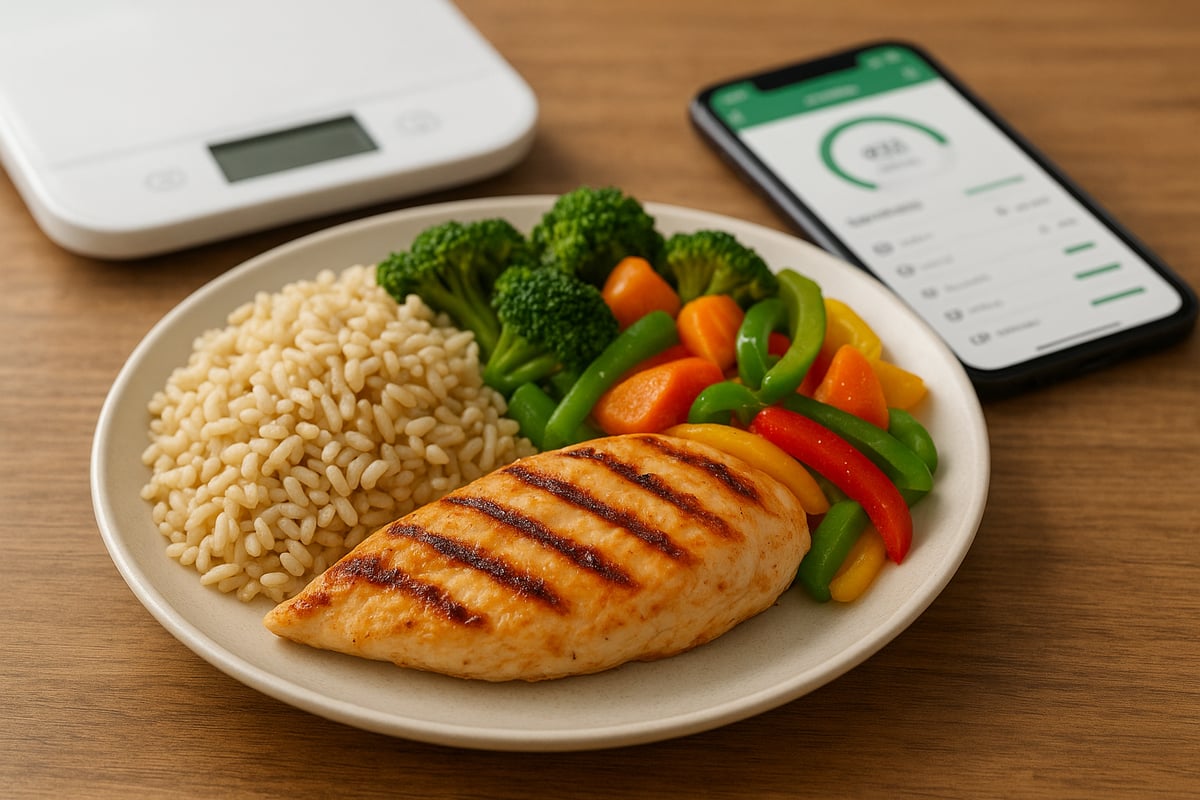
At the heart of every successful build muscle lose fat plan is energy balance. Simply put, this means managing the calories you consume and the calories you burn daily. To lose fat, you need a slight calorie deficit. To gain muscle, you need enough energy and nutrients to support growth.
Instead of drastic cuts or surpluses, most people will benefit from eating close to maintenance calories or a modest deficit of 200–300 calories per day. Wearables and fitness apps can help you estimate your needs, and online calculators provide a starting point. For even more precision, consider using habit tracking tools to monitor your daily intake and activity.
Remember, consistency is more important than perfection. Adjust your calories as your body changes, and celebrate small wins along the way.
Protein, Carbs, and Fats: The Ideal Macro Split
Your macro split is the foundation of your build muscle lose fat nutrition. Prioritize protein, aiming for 1.6–2.2 grams per kilogram of body weight. Protein helps you retain muscle during fat loss and supports new muscle growth.
Carbohydrates are your primary fuel source for intense training and recovery. Do not fear carbs—focus on whole grains, fruits, and vegetables. Healthy fats are crucial for hormone production and long-term health. Avocado, olive oil, and fatty fish are excellent choices.
Need a practical template? Check out this 2000 calorie meal plan example for inspiration. And for more variety, explore high-protein recipes designed for fat loss and muscle gain. Always balance your meals to stay energized and satisfied.
Meal Timing and Nutrient Timing
When you eat matters almost as much as what you eat, especially if your goal is to build muscle lose fat. Consuming protein and carbs before and after training can maximize muscle protein synthesis and speed up recovery.
Some people benefit from intermittent fasting or time-restricted eating, but these strategies are not essential for everyone. The latest 2026 research suggests that regular meal frequency, aligned with your training schedule, is most effective for metabolism and performance.
Curious about optimizing your meal times? Read about the best times to eat for weight loss. Experiment to see what keeps you feeling strong, and use habit tracking tools to stay consistent.
Supplements: What Works and What Doesn’t
Supplements can support your build muscle lose fat journey, but they are not magic bullets. Stick to evidence-based options like whey protein, creatine, vitamin D, and omega-3s. These support muscle growth, recovery, and health.
Avoid unproven fat burners and diet pills, as they rarely deliver sustainable results. Hydration is vital too—use these hydration strategies to optimize performance.
For peace of mind, follow safe supplement shopping tips and consult your healthcare provider before starting anything new.
Mindful Eating and Craving Control
Mindful eating is a powerful tool for those who want to build muscle lose fat without constant struggle. Stress and emotions can drive overeating or poor food choices. Practice slow eating, pay attention to hunger cues, and use portion control.
Try these mindful eating techniques to boost awareness and satisfaction. If cravings strike, use craving management tips to navigate them without guilt.
Remember, building a healthy relationship with food is as important as hitting your macros. Consistency, patience, and a focus on progress—not perfection—will set you up for long-term success.
Step 3: Optimize Your Training for Maximum Results
Unlocking your ability to build muscle lose fat hinges on smart, science-backed training. In 2026, combining proven methods with cutting-edge tech and recovery strategies will accelerate your transformation. Let’s break down how to maximize your workouts for real, sustainable results.
Resistance Training: Building Muscle Efficiently
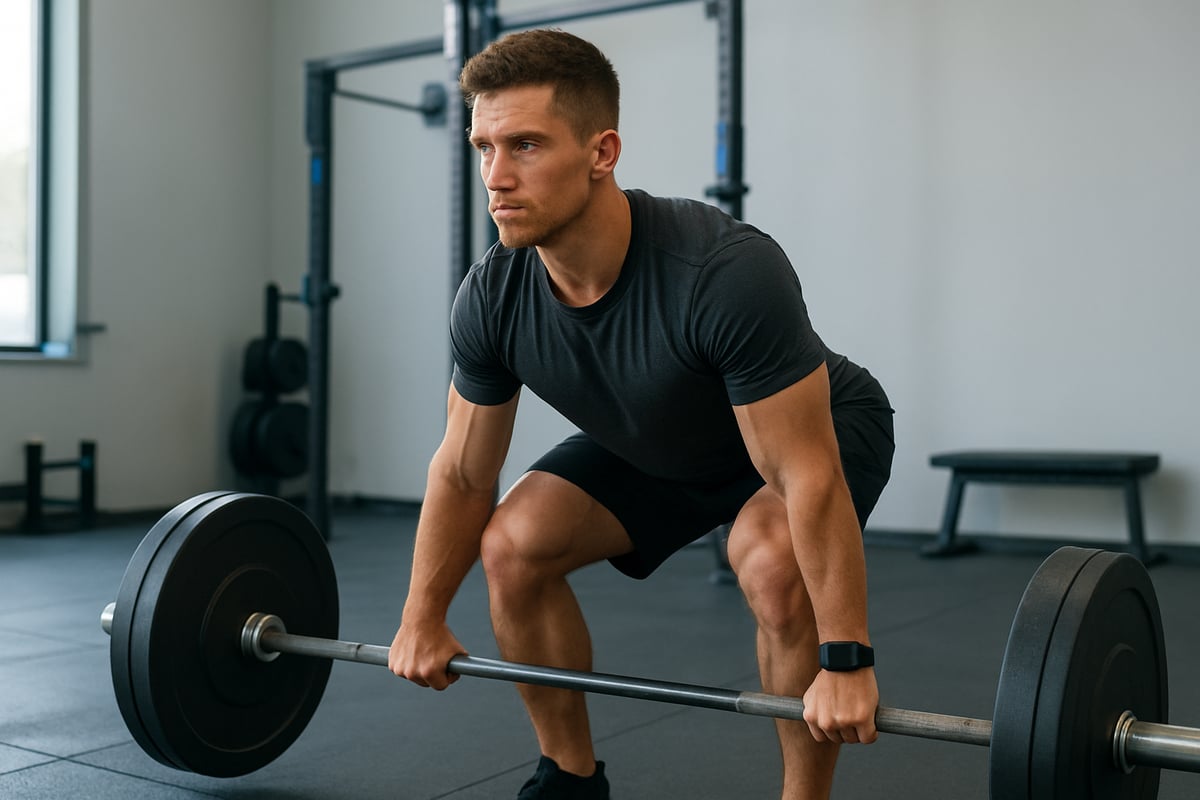
Resistance training remains the cornerstone for anyone aiming to build muscle lose fat. The foundation lies in progressive overload, where you consistently challenge your muscles with heavier weights, more reps, or varied intensity. Prioritize compound movements such as squats, deadlifts, bench presses, and rows, as these exercises recruit multiple muscle groups and offer the greatest return for your effort.
Sample training splits for 2026:
- 3-day full-body routine: Monday, Wednesday, Friday
- 4-day upper/lower split: Monday/Thursday (upper), Tuesday/Friday (lower)
Aim for 10–20 sets per major muscle group per week, adjusting volume and intensity based on your experience. Beginners should focus on mastering form, while advanced trainees can experiment with periodization and intensity techniques.
Emerging technologies, including wearables and AI-powered apps, now offer real-time feedback on your lifts. These tools help you track progress, optimize recovery, and personalize your plan for the best body recomposition results. For more on how AI is transforming workouts, explore AI fitness trends transforming workouts.
To dive deeper into effective routines, check out Strength training for fat loss and muscle gain. You’ll find structured guides and progressions that support your journey to build muscle lose fat. Remember, consistency and gradual progression are your allies.
Cardio: Finding the Right Balance
Integrating cardio is crucial when your goal is to build muscle lose fat. The challenge is finding the sweet spot where you burn fat without compromising muscle growth. High-intensity interval training (HIIT) has gained popularity for its efficiency and metabolic benefits. HIIT alternates short bursts of intense effort with brief recovery periods, making it ideal for busy schedules.
Example HIIT workout:
- 30 seconds all-out sprint (bike, treadmill, or rower)
- 90 seconds active recovery (light pace)
- Repeat for 6–10 rounds
Steady-state cardio, such as brisk walking or cycling, supports fat loss and can aid recovery. Aim for 2–3 HIIT sessions or 150 minutes of moderate-intensity cardio per week. The timing of cardio matters—consider performing cardio after weights or on separate days to preserve strength and maximize muscle retention.
For more guidance, explore cardio strategies for fat loss and discover how to optimize your sessions. Blending resistance and cardio training creates a synergistic effect, helping you build muscle lose fat efficiently.
Recovery, Mobility, and Injury Prevention
Recovery is often the missing link in many training programs. Quality sleep, rest days, and mobility work are essential if you want to build muscle lose fat and avoid setbacks. Sleep fuels muscle repair and regulates fat-burning hormones. Prioritize 7–9 hours nightly, and use sleep trackers or smart devices to monitor quality.
Mobility routines, including dynamic stretching and foam rolling, enhance performance and reduce injury risk. Incorporate these drills before and after workouts:
- Hip flexor stretches
- Thoracic spine rotations
- Ankle mobility drills
Common mistakes include skipping warm-ups, neglecting mobility, or training through pain. Prevent these errors by reviewing Mobility exercises for beginners.
For additional tips, visit injury prevention best practices and sleep strategies for athletes. You’ll find actionable habits that support recovery and keep your progress on track.
Finally, remember that a holistic approach—balancing resistance work, cardio, and recovery—will help you build muscle lose fat and maintain your results for years to come.
Step 4: Prioritize Recovery, Sleep, and Stress Management
Prioritizing recovery is the secret weapon in every successful build muscle lose fat journey. In 2026, science and technology offer new ways to optimize sleep and stress management, ensuring your body can truly transform. By focusing on rest, you unlock faster muscle gain, more efficient fat loss, and sustainable results.
Sleep: The Unsung Hero of Body Transformation
Sleep is crucial for anyone looking to build muscle lose fat. During deep sleep, your body releases growth hormone, repairs muscle, and resets metabolism. Poor sleep can increase cravings, slow recovery, and disrupt hormone balance, making it much harder to see progress.
In 2026, advanced wearables and sleep tracking apps help you monitor not just your hours of rest, but also your sleep quality. Devices sync with habit tracking tools to provide actionable feedback. Aim for 7 to 9 hours per night, and keep your bedroom cool, dark, and quiet.
Establishing a consistent bedtime routine—such as turning off screens, stretching, or listening to calming music—can dramatically improve your recovery. For more tips on optimizing your routine, explore safe supplement shopping tips to support sleep and recovery.
Stress Management for Consistent Progress
Chronic stress can sabotage your build muscle lose fat efforts by raising cortisol, which promotes fat storage and muscle breakdown. In high-stress periods, your body often craves high-calorie foods, making it harder to stick to your nutrition plan.
Mindfulness practices, such as meditation, deep breathing, or journaling, help lower stress and keep you focused on your goals. Try using mindful eating techniques to stay present during meals and avoid emotional eating. Pair these with habit tracking tools to recognize stress patterns and create healthier coping strategies.
Active relaxation—like yoga, walking in nature, or guided stretching—also supports recovery. To learn more about building sustainable habits, check out the Oneleaf Journal.
Building a Recovery Routine
A well-rounded recovery routine is essential for those aiming to build muscle lose fat. Regular foam rolling, dynamic stretching, and active rest days allow your muscles to repair and grow while preventing overuse injuries.
For beginners, mobility exercises for beginners can increase flexibility and support strength training. Incorporate strength training for fat loss and muscle gain with proper recovery to accelerate results.
Make recovery enjoyable by scheduling it like any other workout. Celebrate progress and listen to your body's signals. By mastering recovery, you create the foundation needed to achieve your 2026 fitness goals and maintain them long-term.
Step 5: Mindset, Motivation, and Overcoming Plateaus
Building a resilient mindset is essential if you want to build muscle lose fat in 2026. Success is not just about the perfect meal plan or training split. Your beliefs, habits, and self-talk shape your outcomes as much as your macros or reps.
Building a Resilient Mindset for 2026
To build muscle lose fat, start by adopting a growth mindset. This means viewing challenges as opportunities to learn, not as evidence of failure. When you set process-oriented goals, such as "hit four workouts this week" or "prepare high-protein meals," you focus on actions within your control.
Visualization and affirmations can also make a difference. Picture yourself reaching your next milestone, and use positive self-talk to reinforce your commitment. When setbacks happen, reframe them as feedback. For example, if you miss a workout, ask what you can change next time.
Motivation often comes from your environment. Surround yourself with people who support your journey. Join online communities or use accountability tools to keep yourself on track. You might also benefit from tracking your habits to reinforce consistency.
Remember, sustainable transformation is a marathon, not a sprint. Celebrate every small win, like hitting a new squat PR or sticking to your meal plan for a week. These moments build the confidence needed to build muscle lose fat long term.
Overcoming Plateaus and Staying Consistent
Everyone hits a plateau at some point in their build muscle lose fat journey. Signs include stagnant weight, unchanged measurements, or declining motivation. Recognizing these signals early allows you to respond with proven strategies.
Try implementing a diet break, adjusting your calorie intake, or adding a training deload. Sometimes, simply changing your workout structure or meal timing can reignite progress. For more detailed strategies, see these common causes of weight loss plateaus.
Consistency is your greatest asset. Use progress check-ins and habit reinforcement techniques to stay engaged. When you notice progress, however small, reward yourself with a healthy treat or a new fitness accessory.
Above all, remember that every step forward counts, even if it feels slow. With the right mindset and a willingness to adapt, you can build muscle lose fat and break through any plateau.
Frequently Asked Questions: Build Muscle and Lose Fat in 2026
Curious about how to build muscle lose fat in 2026? Here are the most frequent questions answered with the latest science and practical tips to help you succeed.
Can beginners build muscle lose fat at the same time?
Yes, especially if you are new to resistance training or returning after a break. When you start a structured program, your body is primed to build muscle lose fat efficiently. Focus on consistent workouts, a balanced diet, and use a habit tracker to monitor your daily progress for best results.
How long does body recomposition take?
Timelines vary, but many see visible changes in 8–16 weeks. On average, you can expect to build muscle lose fat at a rate of 0.5–2 pounds of fat loss and 0.25–1 pound of muscle gain per month. For optimal results, log your changes with a body composition tracker and review your progress monthly.
Is fasted cardio better for fat loss?
Fasted cardio is not required to build muscle lose fat. Studies show that total calorie deficit and workout consistency matter more than timing. Instead, prioritize fueling workouts and using a meal planner to support both muscle growth and fat loss.
Do women and men need different approaches?
Both can build muscle lose fat using similar principles, but hormonal differences may affect results. Women may gain muscle more slowly, while men might see faster changes in body composition. Tracking with a fitness app helps tailor your plan. For nutritional strategies, see foods that supercharge metabolism.
What are the most common mistakes to avoid?
Common pitfalls include under-eating, overtraining, or relying on quick fixes. To build muscle lose fat sustainably, avoid extreme diets and prioritize recovery. Use a supplement guide to choose evidence-based products, and check out journal articles for deeper insights.
How do I know if I’m gaining muscle or just weight?
Track more than just the scale. Use photos, measurements, and a progress tracker to see real changes. If your clothes fit better, you look leaner, and your strength increases, you are on the right path to build muscle lose fat.
Where can I find more expert answers and resources?
Stay up to date with expert answers on weight loss and muscle gain, and read the Oneleaf Journal for the latest science-backed advice. For daily motivation, explore motivation tips and join a supportive community.
Now that you understand how science-backed strategies and a positive mindset can help you build muscle and lose fat in 2026, why not take the next step toward real change? You deserve to feel confident and in control of your health, without the stress of strict diets or endless restrictions. If you're ready to see what’s possible for you, it all starts with a simple, personalized plan. Let’s make your goals feel achievable and sustainable—begin your journey today with a quick, tailored assessment by clicking Start Quizz.