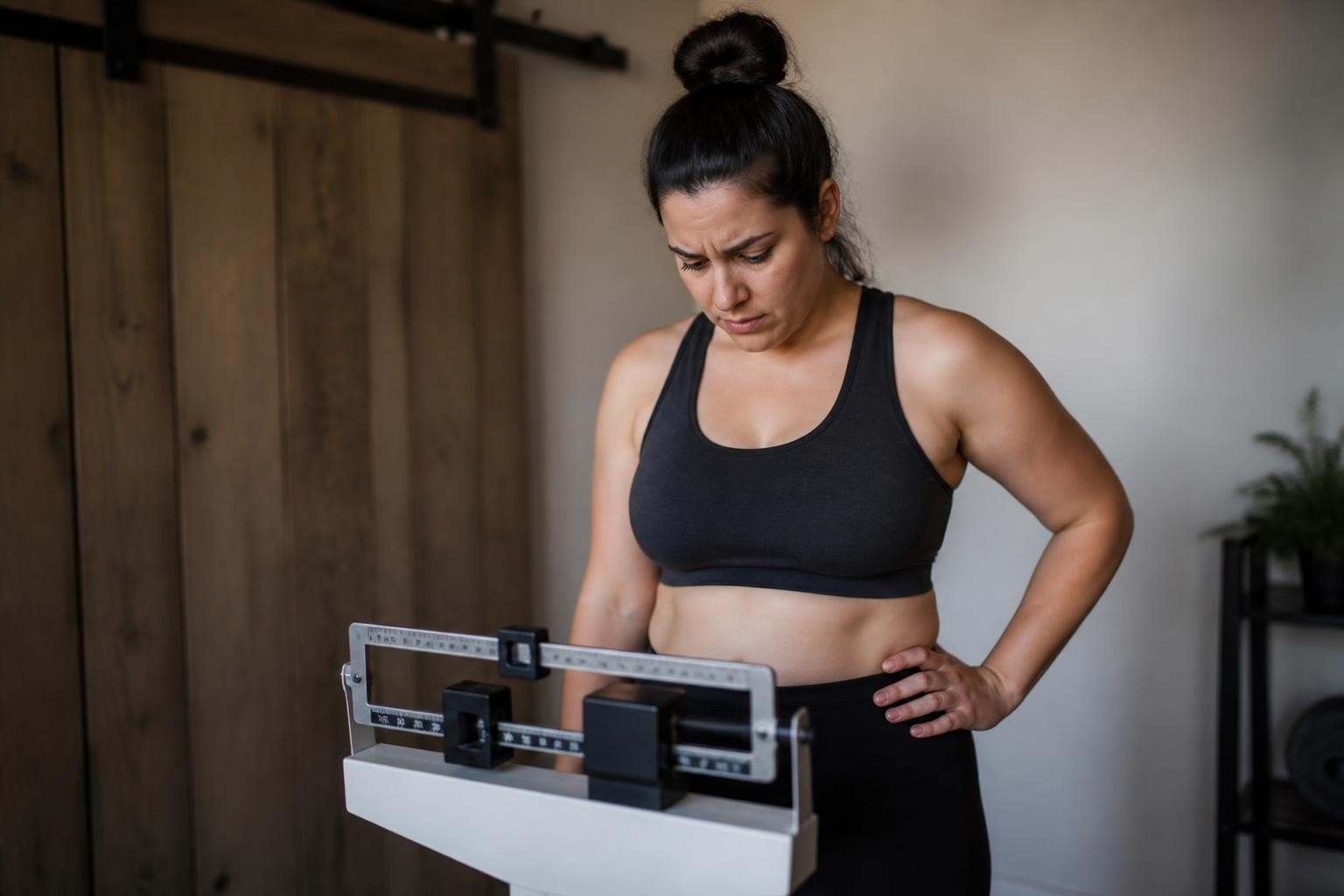
Imagine stepping on the scale just 30 days from now and seeing that you managed to lose 20 pounds in a month. How would that change your confidence, energy, and outlook?
This guide is designed to give you a realistic, science-backed plan to make that transformation safely in 2026. You will learn proven nutrition and exercise strategies, discover the truth about rapid weight loss, and follow a detailed, step-by-step approach.
Get ready to uncover expert insights, avoid common mistakes, and set yourself up for lasting success. If you are ready to take the first step, find a weight loss program tailored to your lifestyle and let this guide be your roadmap.
Is It Realistic and Safe to Lose 20 Pounds in a Month?
Imagine setting a bold goal to lose 20 pounds in a month. The appeal is obvious: rapid transformation and a jumpstart toward better health. However, understanding what it truly takes to achieve this, as well as the potential risks, is essential before you embark on this journey. Let’s break down the science, health considerations, and what realistic expectations look like for anyone determined to lose 20 pounds in a month.

The Science Behind Losing 20 Pounds in 30 Days
To lose 20 pounds in a month, you need to create a significant caloric deficit. Each pound of fat represents roughly 3,500 calories, so losing 20 pounds requires a deficit of about 70,000 calories over 30 days. That means you’d need to burn or cut approximately 2,350 calories every day.
For most adults, this is an aggressive target. Typical safe weight loss rates are around 0.5 to 1 percent of your body weight per week, which often results in a total monthly loss of 4 to 12 pounds. If you have a higher starting weight, you might see faster initial results, but this pace is difficult to sustain.
Rapid weight loss often leads to losing not just fat, but also water and muscle. In the first week, much of the weight you lose may be water, especially if you reduce carbs. Over time, tracking your body composition with waist measurements or scans is the best way to see if you’re actually losing fat, not just water or muscle. If your goal is to lose 20 pounds in a month, understanding these numbers is key to setting safe and achievable milestones.
Health Risks of Rapid Weight Loss
Attempting to lose 20 pounds in a month comes with notable health risks. First, extreme calorie restriction can increase the risk of gallstones, which are painful and may require medical intervention. You may also face electrolyte imbalances and nutrient deficiencies, since cutting calories often means cutting essential nutrients.
Another concern is muscle loss. When you drop weight quickly, your body may break down muscle tissue for energy, slowing your metabolism and making future weight loss harder. This can also lead to fatigue, weakness, and a reduced ability to maintain your results.
There’s also a higher chance of regaining the weight quickly, a phenomenon known as yo-yo dieting. The mental health impact should not be ignored, either. Stress, anxiety, and even disordered eating patterns can arise when you push your body too hard. For anyone considering how to lose 20 pounds in a month, it’s vital to weigh these physical and psychological risks alongside your motivation.
Setting Realistic Expectations
Sustainable weight loss is typically in the range of 1 to 2 pounds per week, according to leading medical organizations. While some individuals with a higher starting weight may see faster progress initially, most people will find that aiming to lose 20 pounds in a month is not realistic without significant risks.
Setting incremental goals makes the process safer and more rewarding. For example, plan to lose 5 pounds in the first week, then reevaluate and adjust your strategy. Regular check-ins help you stay on track and prevent unhealthy patterns.
It’s also important to note that professional supervision is recommended for any aggressive weight loss plan. Registered dietitians and physicians can help tailor a strategy that supports your health. For further perspective, expert insights on losing 20 pounds safely emphasize the importance of gradual progress over rapid results. Remember, the journey to lose 20 pounds in a month should prioritize your well-being, making long-term success more likely.
Core Pillars: Nutrition Strategies for Losing 20 Pounds Fast
Losing weight rapidly requires a focused nutrition plan. If your goal is to lose 20 pounds in a month, you need a strategy that promotes fat loss while keeping you healthy and energized. The right nutrition choices can make this process manageable and safe.

Creating a Caloric Deficit Without Starvation
To lose 20 pounds in a month, you must create a significant caloric deficit. This means consuming fewer calories than your body burns each day. Begin by calculating your Total Daily Energy Expenditure (TDEE) using an online tool or app.
Reduce your daily calorie intake by 1,000 to 1,500 calories, but never go below 1,200 calories for women or 1,500 for men unless supervised by a professional. Instead of skipping meals, focus on nutrient-dense foods that keep you full and satisfied. Use digital food diaries or apps to track your progress and stay accountable.
- Choose whole foods over processed snacks.
- Fill half your plate with non-starchy vegetables.
- Include lean proteins and healthy fats at every meal.
For extra support, explore customized meal plans that align with your calorie needs and preferences.
Prioritizing Protein and Macronutrients
Protein is essential when you want to lose 20 pounds in a month. Aim for 0.8 to 1.2 grams of protein per pound of lean body mass to help preserve muscle and keep you satisfied. Prioritizing protein at every meal also helps control hunger and supports metabolism.
Balance carbohydrates and fats for lasting energy, but avoid extreme restrictions. For example, a 160-pound person should target around 160 grams of protein daily. To maximize your results, include foods that support your metabolism. Learn more about 10 foods to supercharge metabolism and add them to your diet.
- Eggs, fish, chicken, and tofu offer high-quality protein.
- Choose whole grains like quinoa and brown rice.
- Add healthy fats from avocado, olive oil, and nuts.
For expert nutrition guidance, check out track your progress tools designed for rapid, healthy weight loss.
Reducing Processed Foods and Added Sugars
Cutting out processed foods is crucial if you want to lose 20 pounds in a month. Processed snacks, sugary drinks, and refined carbohydrates can sabotage your efforts by causing blood sugar spikes and cravings.
Replace these with whole grains, fruits, and vegetables to stay fuller longer and reduce inflammation. Swap soda for water or herbal tea, and choose fresh fruit instead of desserts.
- Read labels to avoid hidden sugars.
- Prepare snacks like apple slices with almond butter.
- Plan meals ahead to resist unhealthy options.
For meal prep inspiration, explore meal prep tools and find tips in this guide to supercharging your metabolism.
Hydration for Weight Loss
Staying hydrated is a simple but powerful strategy to lose 20 pounds in a month. Drinking water before meals can help control hunger and support your metabolism. Aim for at least eight cups a day, and more if you are active or live in a hot climate.
Proper hydration also reduces water retention, helping you look and feel leaner. If you struggle to drink enough water, infuse it with lemon, cucumber, or berries for natural flavor.
- Drink a glass of water before each meal.
- Carry a reusable water bottle.
- Limit sugary beverages and alcohol.
For personalized weight loss support, visit personalized weight loss support and discover strategies that fit your lifestyle.
Sample Meal Structure for a Month-Long Plan
A structured meal plan is vital when you aim to lose 20 pounds in a month. Here is a sample day to guide your choices:
- Breakfast: Spinach and egg white omelet, a side of berries.
- Lunch: Grilled chicken or fish over a large salad with olive oil dressing.
- Dinner: Lean protein, steamed vegetables, a small serving of brown rice or quinoa.
- Snacks: Apple with almond butter, carrot sticks with hummus.
Rotate these meals with different proteins and vegetables to keep things interesting. For more ideas, check out expert nutrition guidance and browse the weight loss program overview for structured approaches.
Remember, consistency and variety can help you stick with your plan and achieve your goal to lose 20 pounds in a month.
Step-by-Step Exercise Blueprint for Maximum Fat Loss
Embarking on a focused exercise strategy is essential if you want to lose 20 pounds in a month. A balanced blueprint combines targeted workouts, increased daily movement, and intentional rest for efficient fat loss. This section offers expert-backed steps to help you maximize your results while keeping your routine safe and sustainable.

Combining Cardio and Strength Training
The best way to lose 20 pounds in a month is to blend both cardio and strength training into your weekly plan. Cardio, such as jogging, cycling, or brisk walking, burns calories quickly and helps create the deficit needed for rapid weight loss. Strength training, on the other hand, builds and preserves muscle, which boosts your metabolism and maintains a toned appearance.
Aim for at least three full-body strength sessions each week. Focus on compound movements like squats, presses, and rows. Add two to three cardio sessions, ranging from steady-state efforts to interval work. For those seeking a detailed routine, explore this 4-week workout plan for weight loss to structure your month effectively.
To stay consistent, consider joining a supportive weight loss community for ongoing motivation. Remember, the balance between cardio and strength is what drives sustainable progress as you strive to lose 20 pounds in a month.
High-Intensity Interval Training (HIIT)
HIIT is a powerful tool if your goal is to lose 20 pounds in a month. This approach alternates short bursts of high-effort movement with brief recovery periods, maximizing calorie burn in less time. HIIT can be adapted to any fitness level and performed with or without equipment.
For example, try 30 seconds of sprinting followed by 90 seconds of walking, repeated 8–10 times. HIIT not only burns fat during the workout but also increases post-exercise calorie expenditure, accelerating your progress.
You can incorporate HIIT into your schedule two to three times a week, supplementing traditional cardio. To keep things fresh, check out these science-based workout routines designed for fast fat loss. HIIT is ideal for busy individuals who need efficient, results-driven sessions to lose 20 pounds in a month.
Increasing NEAT (Non-Exercise Activity Thermogenesis)
NEAT includes all the calories you burn through daily non-workout activities, like walking, cleaning, or taking the stairs. Increasing NEAT is crucial when trying to lose 20 pounds in a month, as these small actions add up throughout the day.
Set a goal of at least 8,000 steps per day outside of your structured workouts. Look for simple ways to move more: park farther away, pace during phone calls, or opt for active breaks at work. These strategies help you stay in a calorie deficit without feeling deprived.
For extra guidance, explore easy lifestyle tweaks for weight loss and discover additional mindset tools that keep you motivated. The more you move, the closer you get to your goal to lose 20 pounds in a month.
Rest and Recovery Essentials
Prioritizing rest is as important as your workouts when your aim is to lose 20 pounds in a month. Sleep supports muscle repair, hormone balance, and appetite regulation. Strive for seven to nine hours each night to optimize fat loss and recovery.
Schedule at least one or two rest days per week. Use these for active recovery activities, such as yoga or stretching, which help prevent injury and burnout. Managing stress with techniques like deep breathing or meditation also keeps your body primed for results.
Need help building healthy recovery habits? Try this step-by-step guide to sustainable weight loss for more tips. For deeper insights, read about habit change and neuroscience to support your journey. Consistency in both training and recovery is the key to maintaining momentum and achieving your plan to lose 20 pounds in a month.
Week-by-Week Plan: How to Lose 20 Pounds in 30 Days
Embarking on a journey to lose 20 pounds in a month requires a focused, structured approach. By following a detailed week-by-week plan, you can maximize fat loss while maintaining energy, motivation, and health. Let’s break down your month for optimal results.

Week 1: Kickstart and Foundation
The first week sets the tone for your mission to lose 20 pounds in a month. Begin by establishing clear, measurable goals. Take your starting weight, waist measurement, and progress photos. These metrics will help you track real changes, not just numbers on a scale.
Clear your kitchen of processed foods and sugary snacks. Prep healthy meals for the week to make sticking to your plan effortless. Start your fitness routine with two strength training sessions and two cardio workouts. Focus on full-body movements such as squats, pushups, and brisk walks.
Increase your daily water intake. Aim for at least 8 cups each day, drinking a glass before every meal to help curb hunger. Use a food diary or reliable app to monitor your intake and ensure you are in a consistent calorie deficit.
- Set measurable goals: weight, waist, photos
- Remove processed foods
- Prep nutritious meals in advance
- Start structured workouts
- Track food and water intake
For additional guidance on creating a routine that fits your lifestyle, visit weight loss program that fits your lifestyle. Your foundation is now set to lose 20 pounds in a month with confidence.
Week 2: Intensify and Optimize
With the basics in place, week two is about ramping up your efforts to lose 20 pounds in a month. Increase your workout intensity by adding a high-intensity interval training (HIIT) session or an extra cardio day. This boosts your metabolism and helps break through early plateaus.
Prioritize protein at every meal to preserve muscle and stay full. Choose lean meats, fish, eggs, or plant-based proteins. If you notice your weight loss stalling, reassess your calorie intake and make necessary adjustments. Use tracking apps to ensure accuracy.
Combat hunger with high-fiber, high-protein snacks like Greek yogurt, cottage cheese, or mixed nuts. Stay hydrated and continue to monitor your step count, aiming for at least 8,000 steps daily outside of workouts.
- Add HIIT or extra cardio
- Eat protein with every meal
- Adjust calories as needed
- Use high-fiber snacks for satiety
- Continue tracking and hydration
For help building effortless healthy habits, explore effortless healthy habits for lasting weight loss. This week is crucial to accelerate your results and maintain momentum as you lose 20 pounds in a month.
Week 3: Overcoming Plateaus and Staying Motivated
By week three, it’s common to hit a plateau when trying to lose 20 pounds in a month. Change up your exercise routine to challenge your body in new ways. Swap running for cycling, or try bodyweight circuits if you usually lift weights.
Consider intermittent fasting or calorie cycling if progress stalls. These strategies can help shock your metabolism and reignite fat loss. Join an accountability group or use a progress journal to keep motivation high. Celebrate non-scale victories like increased energy, better sleep, or improved mood.
- Change exercise modalities
- Try intermittent fasting or calorie cycling
- Join support groups or track progress visually
- Celebrate improvements beyond the scale
Stay motivated with neuroscience-backed support from stay motivated with neuroscience-backed support and dive deeper into mindset strategies in How to rewire your brain for weight loss. As you push through this critical week, your commitment to lose 20 pounds in a month will be tested and strengthened.
Week 4: Finishing Strong and Planning Ahead
The final week is about tightening your plan and preparing for long-term success after you lose 20 pounds in a month. Refine your meal planning and portion control, ensuring every calorie counts. Prioritize sleep—aim for at least 7 hours per night—and manage stress through mindfulness or light activity.
Begin planning your transition to maintenance. Reflect on what you’ve learned and how you can keep these habits going. Set your next goals, whether that’s building muscle, maintaining your new weight, or improving fitness.
- Tighten meal planning and portions
- Prioritize quality sleep and stress management
- Plan a transition to maintenance
- Reflect and set new goals
Start your sustainable journey with your sustainable weight loss journey starts here. For advanced habit formation and science-based tips, read The neuroscience of weight loss.
Remember, to lose 20 pounds in a month safely, focus on consistency, adapt when needed, and celebrate every victory along the way.
Overcoming Obstacles: Common Challenges and Solutions
Losing weight rapidly is never a seamless journey. When you aim to lose 20 pounds in a month, you will inevitably face hurdles that test your determination and strategy. The right solutions can make all the difference between giving up and powering through toward your goal.
Managing Hunger and Cravings
One of the toughest parts when you try to lose 20 pounds in a month is managing hunger and cravings. Extreme calorie deficits can trigger strong urges for comfort foods, which can derail your progress if not handled properly.
- Choose high-protein, high-fiber foods at each meal to stay full longer.
- Drink water before meals to help reduce appetite and prevent overeating.
- Practice mindful eating: slow down, savor each bite, and recognize true hunger cues.
If you notice persistent cravings, try tracking your meals with a simple habit-building tool. For more guidance on emotional triggers, read How to rewire your brain for weight loss.
Breaking Through Plateaus
Experiencing a plateau is common when you attempt to lose 20 pounds in a month. Your body adapts, and weight loss can stall even with continued effort.
- Adjust your calorie intake slightly, or increase workout intensity.
- Incorporate strategies like intermittent fasting or calorie cycling.
- Switch up exercise types to challenge new muscle groups.
If you feel stuck, a personalized plan can help you break through plateaus. Remember, small changes can restart your progress and keep you moving forward.
Dealing with Social Pressures and Events
Social gatherings, dining out, and celebrations can make it difficult to lose 20 pounds in a month. However, with planning, you can stay aligned with your goals.
- Prepare your meals in advance or check menus before eating out.
- Set clear boundaries and communicate your intentions to friends and family.
- Allow for occasional indulgences, but get back on track at the next meal.
Learn how to navigate social events without sabotaging your progress. Building these skills will serve you long after the initial month is over.
Staying Motivated for 30 Days
Motivation can fluctuate, especially during an intense effort to lose 20 pounds in a month. Sustaining your drive is crucial to reaching your target.
- Track your progress visually with charts, photos, or journals.
- Celebrate every milestone, no matter how small.
- Seek support from a community, coach, or online group.
For ongoing encouragement, try expert-backed support systems. For a deeper dive into habit formation, see The neuroscience of weight loss.
Preventing Burnout and Overtraining
Pushing hard to lose 20 pounds in a month can lead to burnout if you do not prioritize recovery. Overtraining increases injury risk and can sap your motivation.
- Schedule regular rest days and listen to your body’s signals.
- Use stress reduction techniques like meditation or deep breathing.
- Adjust your plan when you feel overwhelmed to maintain both mental and physical health.
Consider a sustainable approach that balances effort and self-care. Explore how to stay on track after reaching your goal for long-term wellness.
Maintaining Results Beyond the Month: Your Long-Term Success Blueprint
Achieving your goal to lose 20 pounds in a month is a significant milestone, but what comes next is just as important. Real transformation depends on sustaining your results, building healthier habits, and protecting your progress for years to come. This blueprint will guide you through the essential steps for long-term weight management, so you can maintain your hard-earned success and feel confident about your future.
Transitioning to a Sustainable Routine
After you lose 20 pounds in a month, it is crucial to shift your focus from rapid results to sustainable living. Gradually increase your calorie intake to maintenance level, rather than returning immediately to old eating patterns. Continue strength training and keep up with regular movement, as these habits help preserve lean muscle and metabolism.
To maintain your weight, use strategies like meal prepping and planning your weekly menu. This makes healthy choices easier and reduces last-minute temptations. For personalized guidance, consider exploring a weight loss program tailored to your lifestyle.
- Increase calories slowly to avoid sudden rebound
- Keep up with regular exercise and daily movement
- Prepare healthy meals in advance to stay on track
A successful transition ensures your effort to lose 20 pounds in a month leads to lasting results.
Building Lasting Habits
Lasting success is rooted in habits, not quick fixes. Keep tracking your food intake periodically, especially if you notice weight creeping back. Maintain a focus on high protein, whole foods, and limit processed snacks. Scheduling regular check-ins—such as monthly weigh-ins or waist measurements—helps you catch small changes before they become setbacks.
Use tools and resources that support habit formation, like transforming your habits for lifelong wellness. Reading articles on rewiring your brain for weight loss can also provide insights into building a healthier mindset.
- Continue meal prepping for consistency
- Prioritize protein and whole foods
- Set reminders for regular progress reviews
These habits anchor your ability to lose 20 pounds in a month, turning a short-term win into a permanent lifestyle change.
Avoiding the Yo-Yo Effect
One of the biggest challenges after you lose 20 pounds in a month is avoiding the cycle of rapid regain. The body often fights weight loss by increasing hunger hormones and decreasing metabolism. Recognize your personal triggers for overeating or old habits, and develop coping strategies such as mindful eating or stress management.
Recent research highlights the risk of quick weight regain, especially after discontinuing weight-loss medications. The study on weight regain after stopping weight-loss drugs underscores the importance of lifestyle changes alongside any medical interventions.
- Identify and address emotional eating triggers
- Practice stress-reduction techniques
- Seek support when needed, such as expert advice for lasting motivation
By staying aware and proactive, you can protect your progress and avoid the frustration of regaining what you worked so hard to lose.
When to Seek Professional Support
There are times when expert guidance can make a significant difference. If you struggle to maintain your weight after you lose 20 pounds in a month, consider consulting a registered dietitian, physician, or behavioral health specialist. These professionals can help you personalize your plan, address underlying issues, and provide accountability.
For those using weight-loss medications or considering new therapies, review the latest research on weight loss drug efficacy to understand your options and potential long-term outcomes. You can also explore neuroscience-based tools for healthy habits for additional support.
- Reach out to healthcare professionals for guidance
- Utilize behavioral support and mindset coaching
- Stay informed about new medical advances
Professional support can be the key to sustaining your results after you lose 20 pounds in a month.
Additional Resources for Continued Progress
Maintaining your progress is easier with the right resources at your fingertips. Consider joining a supportive community or using digital tools to help you stay motivated. Explore how to stay on track after reaching your goal for practical advice, or read more expert strategies on the Oneleaf Health Journal.
Other valuable resources include:
- Effortless healthy habits for lasting weight loss
- Stay motivated with neuroscience-backed support
- Your sustainable weight loss journey starts here
By leveraging these tools, you can ensure that your journey to lose 20 pounds in a month marks the start of a healthier, happier future.
As you reach the end of this essential guide, remember that lasting weight loss isn’t about quick fixes or endless restriction—it’s about changing the way your mind and body work together. By focusing on neuroscience-backed strategies, mindful eating, and realistic goals, you can lose 20 pounds in a month safely and set yourself up for lifelong success. Ready to discover the best plan for your unique needs and take the first step toward effortless, sustainable results? Let’s personalize your journey together—start by taking the Start Quizz and see how Oneleaf can help you reprogram your habits from the inside out.