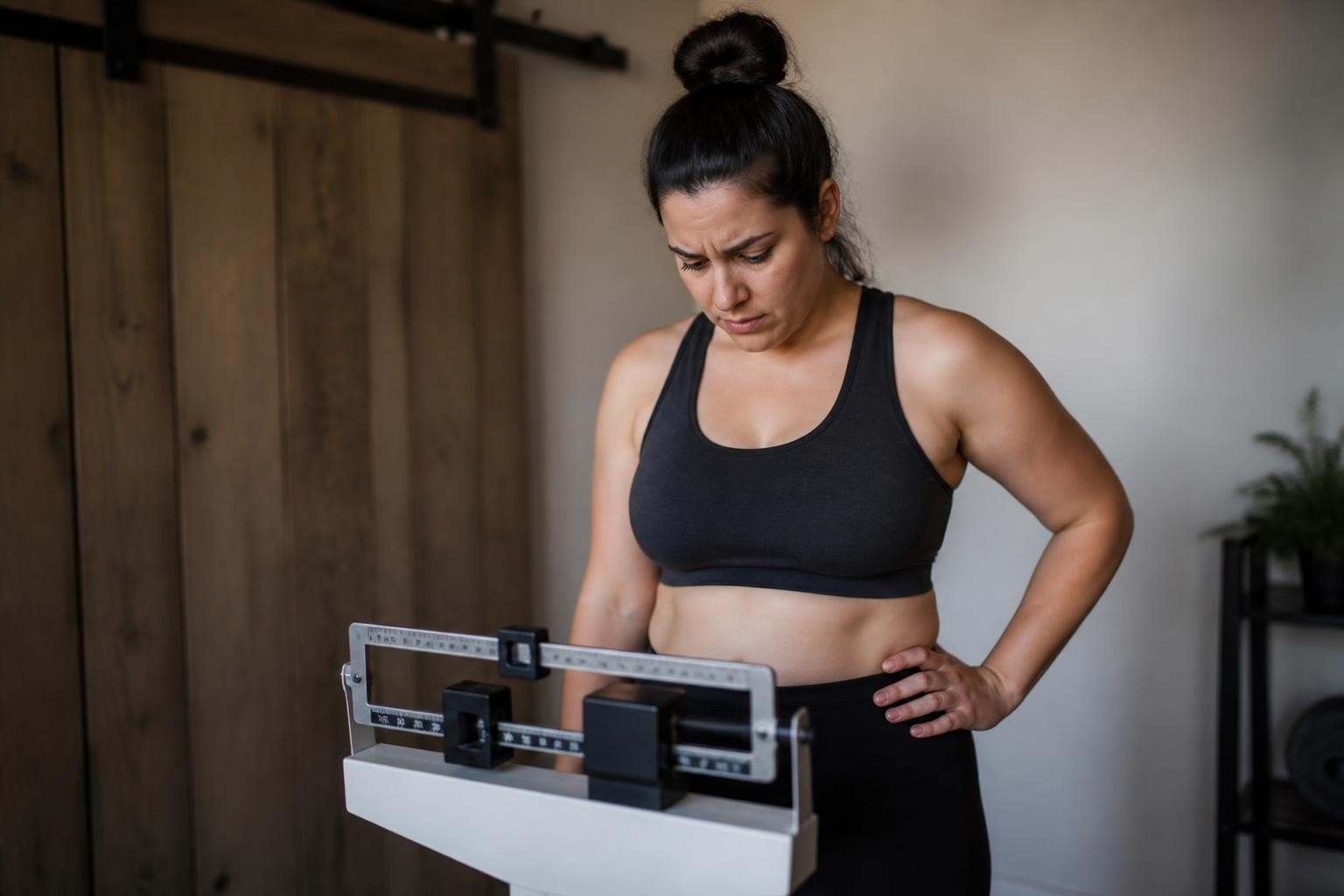
Imagine seeing real results in just 30 days—without crash diets or marathon gym sessions. The 30 day weight loss challenge offers a proven, science-backed path to help you achieve your 2026 health goals.
This guide breaks down each step, from nutrition and workouts to mindset shifts and expert troubleshooting. With the growing popularity of 30 day challenges, you can remove guesswork, boost motivation, and build healthy habits that last.
Ready for sustainable weight loss and more energy? Start your transformation today with this expert-led guide.
Why a 30 Day Weight Loss Challenge Works
Committing to a 30 day weight loss challenge is more than just a trend—it is a proven strategy grounded in behavioral science and practical psychology. By focusing on a single, structured month, you give yourself the perfect window to build habits, see results, and set the stage for sustainable health improvements.

The Science Behind 30-Day Habit Formation
The core reason a 30 day weight loss challenge is effective lies in the science of habit formation. Research repeatedly shows that it takes about 21–30 days to establish a new routine, making this timeframe ideal for meaningful change. During these four weeks, your brain’s neural pathways adapt, transforming healthy choices into automatic behaviors.
Unlike crash diets, a 30 day weight loss challenge leverages consistency to drive steady progress. As noted in the Science of 30-Day Habit Formation, sustained daily actions—like meal prepping or regular movement—are far more likely to stick when practiced for a full month. This approach reduces overwhelm, as you only need to focus on manageable, short-term goals.
People often report benefits that extend beyond the scale. Improved energy, clearer skin, and better sleep are common side effects of the challenge. You might also notice fewer cravings and more stable moods as your body adapts to cleaner nutrition. According to Anytime Fitness, nutrition is responsible for up to 80% of your fitness results—so making small, consistent upgrades each day pays off.
For inspiration, explore real success stories and see how others have transformed their habits in just 30 days. Many participants find that the structure of the challenge removes guesswork and boosts motivation, setting the foundation for lifelong change.
Setting Realistic Expectations and Goals
To get the most from your 30 day weight loss challenge, it is vital to set realistic, sustainable goals. SMART goals—Specific, Measurable, Achievable, Relevant, and Time-bound—help you track progress and stay focused. For instance, aiming to lose 4–8 pounds in a month is both healthy and attainable for most people.
Avoid falling for the myth that rapid weight loss is better. In reality, losing 1–2 pounds per week is optimal, and plateaus are a normal part of the journey. When progress slows, remember to celebrate victories beyond the scale, such as better sleep, improved mood, or increased energy.
Tracking your journey is key. Use progress photos, body measurements, or a daily journal to capture changes you might otherwise miss. Visual tools like habit trackers or printable calendars can keep you accountable—download a free challenge calendar to stay on target.
Small wins matter. Celebrate each healthy meal, completed workout, or new recipe tried. For extra support, browse 10 tips for summer weight loss or discover powerful affirmations for weight loss to boost your mindset.
If you need more structure, find step-by-step challenge guidelines and connect with others going through the same process. Remember, the 30 day weight loss challenge is about building habits that last well beyond the initial month.
Preparing for the Challenge: Mindset, Planning, and Tracking
Starting a 30 day weight loss challenge is more than just a commitment to new habits. It is a journey that requires the right mindset, thoughtful planning, and consistent tracking. Setting yourself up for success begins with understanding how your thoughts influence your actions and how preparation can turn your goals into reality.

Building a Success-Oriented Mindset
The foundation of any 30 day weight loss challenge is a strong, positive mindset. Research in behavioral psychology and neuroscience shows that lasting change starts with how you think and feel about your goals. Emotional eating, stress, and self-sabotage often stand in the way of progress.
To overcome these barriers, practice self-compassion and use positive self-talk. Many successful athletes and coaches credit their achievements to mental resilience rather than sheer willpower. Celebrate consistency, not perfection, and remember that setbacks are part of the process.
Try journaling about your daily wins or using mindfulness exercises before meals. For more expert tips, explore science-backed weight loss strategies. By nurturing a growth mindset, you empower yourself to thrive during your 30 day weight loss challenge.
Creating Your Personalized 30-Day Plan
Before you dive into your 30 day weight loss challenge, take time to assess where you are starting. Note your current habits, weight, and lifestyle. Create a daily schedule that includes meal times, workouts, and self-care routines.
Advance planning is essential. Prepare a grocery list, plan your meals, and organize your kitchen to make healthy choices easy. Meal prepping on weekends can save time and reduce temptation during busy weekdays.
Keep your plan visible—print it, take a screenshot, or bookmark your guidelines for quick reference. Check out practical planning guides and read meal prep tips for more ideas. A structured approach, such as the science-backed weight loss program overview, can provide extra support as you tailor your challenge.
Tracking Progress and Staying Accountable
Tracking your journey is crucial for motivation and results during a 30 day weight loss challenge. Use a journal, app, or calendar to log your meals, workouts, and mood. Photos and measurements offer a visual reminder of your progress, even when the scale does not budge.
Accountability partners or online communities can help you stay on track. Celebrate every win, no matter how small, to boost your confidence. Try using a habit tracker or share your streaks with friends for extra encouragement.
Stay inspired by reading real-life transformation stories and find accountability resources. Remember, tracking increases adherence and is a proven strategy for lasting success in your 30 day weight loss challenge.
Nutrition: The Foundation of Your 30 Day Weight Loss Challenge
Nutrition is the cornerstone of any successful 30 day weight loss challenge. The right foods, portion sizes, and eating habits can determine whether your efforts lead to lasting transformation or short-term results. In this section, you will discover proven nutrition strategies tailored for the 30 day weight loss challenge, ensuring your body gets what it needs for optimal fat loss, energy, and well-being.

Clean Eating Principles for Sustainable Weight Loss
Clean eating is at the heart of every effective 30 day weight loss challenge. Unlike restrictive diets, clean eating focuses on enjoying whole, minimally processed foods that nourish your body. Research such as the Short-Term Weight Loss Interventions study shows that structured, short-term changes—like a 30 day weight loss challenge—can create real results.
Prioritize foods like lean proteins (chicken, turkey, fish, tofu), complex carbs (quinoa, brown rice, sweet potatoes), healthy fats (avocado, olive oil, nuts), and plenty of fruits and vegetables. Avoid processed snacks, sugary drinks, trans fats, and refined grains whenever possible.
For portion control, use your hand as a guide: a palm-sized portion of protein, a cupped hand of carbs, a thumb of healthy fats, and two fists of veggies at each meal. Most successful participants in a 30 day weight loss challenge aim for six servings of lean protein and 4 to 6 servings of fruits and vegetables daily.
Want more clean eating tips? Explore nutrition resources packed with practical advice for your 30 day weight loss challenge.
Building a Balanced Meal Plan
A balanced meal plan is essential for consistent progress during your 30 day weight loss challenge. Instead of skipping meals or following extreme plans, space out 5 to 6 small meals every 2 to 3 hours to keep your energy levels steady and reduce cravings.
Each meal should combine protein and complex carbs for satiety and muscle preservation. For example, start your day with scrambled eggs and spinach, enjoy Greek yogurt with berries as a snack, have grilled chicken with brown rice and broccoli for lunch, and finish with salmon, sweet potato, and asparagus for dinner.
Hydration is just as important. Aim for at least 2 liters (8 cups) of water per day. Swapping sugary drinks for water or herbal tea supports your 30 day weight loss challenge and helps you feel fuller between meals.
For more meal planning ideas, download a free meal prep guide and check out healthy recipe inspiration to keep your meals exciting throughout your challenge.
Calculating and Adjusting Macronutrients
Understanding your macros—protein, carbs, and fat—is vital for any 30 day weight loss challenge. Start by calculating your calorie needs, then create a moderate deficit to ensure safe, sustainable fat loss.
Use this simple formula: Protein = goal weight x 0.85 (in lbs), Carbs = goal weight x 0.75, Fat = goal weight x 0.3. For example, if your target is 150 lbs, aim for about 128g protein, 113g carbs, and 45g fat per day. This balance preserves muscle while fueling your workouts and daily activities.
Monitor your progress weekly. If you feel fatigued or hit a plateau, adjust your macros slightly and track how your body responds. Avoid common mistakes like skipping meals, under-eating, or following ultra-restrictive plans. Instead, prioritize adequate protein and nutrient-rich foods to support your 30 day weight loss challenge.
For a step-by-step macro calculator and more tips, visit the nutrition tools section. For deeper insights, read evidence-based nutrition strategies.
Smart Strategies for Eating Out and Social Events
Social gatherings and restaurant meals are part of life, even during a 30 day weight loss challenge. The key is to plan ahead and make mindful choices that align with your goals.
When eating out, scan the menu for grilled proteins, steamed veggies, and whole grains. Ask for dressings and sauces on the side, and opt for water or unsweetened drinks. Portion control is crucial—consider sharing dishes or boxing half your meal before you start eating.
At parties, fill your plate with lean proteins and veggies first, then add small portions of other items. Avoid arriving hungry by having a healthy snack beforehand, which helps you stay in control and stick to your 30 day weight loss challenge.
Remember, enjoying occasional treats is part of a balanced lifestyle. Aim for an 80/20 approach: 80% whole, nutrient-dense foods, 20% flexibility. For more strategies to stay on track, discover expert tips for social situations, and find real-world success stories that prove balance is possible.
Looking for a printable dining-out checklist? Access practical resources here.
Exercise: Structuring Your 30 Day Workout Plan
Embarking on a 30 day weight loss challenge means exercise becomes your secret weapon for burning fat, building strength, and boosting energy. A well-designed workout routine not only accelerates weight loss, but also lays the foundation for a healthier, more resilient body. The right mix of training styles keeps results coming and motivation high throughout the challenge.
Combining Cardio, Strength, and HIIT for Maximum Results
The most effective 30 day weight loss challenge plans combine strength training, cardiovascular exercise, and high intensity interval training (HIIT). This trio works together to maximize calorie burn, preserve lean muscle, and improve overall fitness.
Strength training should be the backbone of your routine. Lifting weights or using resistance bands increases muscle mass, which in turn boosts metabolism and helps your body burn more calories even at rest. Cardio options like brisk walking, cycling, or group fitness classes support heart health and help you torch extra calories.
HIIT sessions, which alternate short bursts of intense effort with recovery periods, can supercharge fat loss in a fraction of the time. For most, a balanced weekly structure might look like this:
- 3–4 days of strength training (targeting major muscle groups)
- 2–3 days of cardio or HIIT
- 1–2 rest or active recovery days
A popular approach for a 30 day weight loss challenge is a 5-day workout split—legs, chest/shoulders, back, arms, and cardio focus. For a detailed example, explore the 4-week female weight loss workout plan to see how different training styles fit together.
If you are looking for more tailored exercise tips, unlock expert advice for your workouts and discover new routines to keep your sessions fresh. This variety keeps your body adapting and your mind engaged.
Sample 30 Day Workout Schedule
A progressive schedule helps you make steady gains throughout your 30 day weight loss challenge. Start by focusing on proper form and foundational movements in week 1. As you gain confidence, gradually increase workout intensity and variety.
Here is a sample week-by-week breakdown:
- Week 1: Learn basic strength moves like squats, pushups, and rows. Try light cardio, such as brisk walking or cycling.
- Week 2: Add HIIT intervals to your cardio days. Begin increasing resistance or weights for strength sessions.
- Week 3: Combine supersets (two exercises back-to-back), introduce core-focused moves, and try new cardio routines.
- Week 4: Push your limits with higher-intensity intervals, heavier weights, and more challenging endurance workouts.
Each session should include a warm-up and cool-down. Aim for 30–45 minutes per workout, adjusting based on your fitness level and schedule.
Looking for more structure? Download your free 30 day challenge calendar for daily workout ideas. You can also find week-by-week tips designed to help you stay on track and motivated.
For additional guidance, explore practical strategies in science-backed workout articles and read inspiring success stories from those who completed a 30 day weight loss challenge.
Staying Motivated and Injury-Free
Consistency is the key to long-term results in your 30 day weight loss challenge. Preventing injury and staying motivated go hand in hand. Always begin with a dynamic warm-up to prepare muscles and end each session with gentle stretching.
Listen to your body. If you feel pain or excessive fatigue, modify exercises or take an extra rest day. Tracking your progress—whether with a journal, fitness app, or progress photos—keeps you accountable and helps you celebrate every milestone, not just the number on the scale.
To boost enjoyment, try working out with a friend, joining a group class, or updating your playlist. Remember, celebrating non-scale victories like improved mood or better sleep is just as important as seeing physical changes.
Ready to take your next step? Start your personalized workout journey and access exclusive resources to support your 30 day weight loss challenge. For more daily motivation, discover powerful tools that fit seamlessly into your routine.
Mindset and Motivation: The Missing Link in Weight Loss
Unlocking real change with a 30 day weight loss challenge starts in the mind, not just the kitchen or gym. Mindset is often the hidden driver behind every transformation. If you want to make your results last, you must address the thoughts and habits that shape your daily actions.
Rewiring Your Brain for Healthy Habits
Lasting success with a 30 day weight loss challenge depends on changing your brain’s patterns. Neuroscience shows that our brains are wired by repeated thoughts and behaviors. When you identify triggers that lead to overeating or skipping workouts, you can replace them with positive routines and rewards.
Behavioral psychology highlights the importance of understanding your personal cues. For example, if stress at work makes you reach for snacks, try substituting a quick walk or deep breathing. Over time, your brain forms new pathways, making healthy choices easier and more automatic.
Mental blocks such as self-doubt, cravings, or emotional eating are common during a 30 day weight loss challenge. Acknowledging these challenges allows you to prepare effective strategies. Consistency always outperforms perfection—progress matters more than all-or-nothing thinking.
Research from the National Weight Control Registry Insights reinforces that individuals who maintain weight loss long term focus on sustainable habits, not quick fixes. Use tools like daily affirmations, visual reminders, and habit tracking to reinforce your commitment. Practicing self-compassion and celebrating small wins will help you stay motivated and resilient.
How to Retrain Your Mind for Effortless Weight Loss
For many, the 30 day weight loss challenge is about more than food or exercise—it’s about breaking free from old patterns. Visualization and affirmation techniques can help you picture your success. Try starting each day with a positive statement, such as “I am capable of achieving my goals.”

Mindfulness practices, like pausing before meals to check in with your hunger or emotions, can reduce mindless eating. Guided sessions, such as Oneleaf’s neuroscience-based approach, fit easily into your routine and address cravings at the root. These techniques support your 30 day weight loss challenge by making healthy choices feel natural, not forced.
Engage with digital tools or communities for extra motivation. Setting up your environment with visual cues—like a vision board or progress chart—keeps your goals front and center. Remember, your mindset is your most powerful asset on this journey. When you nurture it, every day of your 30 day weight loss challenge brings you closer to lasting change.
Overcoming Common Challenges and Plateaus
Every 30 day weight loss challenge comes with its own set of hurdles. Knowing how to tackle plateaus, cravings, and life’s disruptions will boost your success and help you stay on track for the full 30 days.
Troubleshooting: What to Do When Progress Stalls
Hitting a plateau during your 30 day weight loss challenge is common and completely normal. Your body adapts to calorie deficits and activity, which can cause weight loss to slow or even pause temporarily. Many experts agree that focusing only on the scale can overlook important body composition changes, such as gaining lean muscle or losing inches.
Understanding why plateaus happen is key. Water retention, increased muscle mass, or small shifts in daily habits can all play a role. To break through, try adjusting your calorie intake, changing up your workout routine, or boosting your daily movement. For example, swap your usual cardio for a new class or add more steps by taking the stairs.
If you want more evidence-based advice, the Managing Weight Loss Plateaus guide offers practical strategies. You can also find actionable tips and printable tools in the challenge resources to help you track and adjust your approach.
Non-scale victories matter, too. Celebrate improvements in energy, mood, and sleep. Take progress photos and keep a journal of your journey, as recommended in our week-by-week challenge tips. Small wins will keep you motivated through the toughest stretches.
Managing Cravings, Stress, and Emotional Eating
Cravings and emotional eating can challenge your consistency, especially during a 30 day weight loss challenge. The urge to snack often spikes during stressful times. To handle cravings, practice mindful eating. Pause and ask yourself if you’re truly hungry or just bored. Swap high-calorie snacks for fruit, air-popped popcorn, or Greek yogurt.
Stress management is just as important. Techniques like deep breathing, short walks, or journaling can help you regain control. Set aside a few minutes each day for self-care, or try guided mindfulness sessions from our science-backed methods.
It’s also okay to plan for treats. The 80/20 rule—eating healthy 80 percent of the time and allowing some flexibility—prevents feelings of deprivation. For inspiration, explore real-world success stories from others who overcame similar hurdles.
Remember, progress is about building habits. Our nutrition tips offer healthy swaps and meal ideas to keep you satisfied while staying on track.
Staying Consistent When Life Gets Busy
Life rarely slows down for a 30 day weight loss challenge. Time-saving strategies and smart planning are your allies. Meal prepping on weekends ensures you have healthy options ready to go. Batch-cook proteins, chop veggies, and portion out snacks in advance.
Workouts can fit any schedule. Short, effective routines—like HIIT or brisk walks—can be done at home or during lunch breaks. Use habit stacking by pairing new behaviors, such as doing squats while waiting for your coffee, to anchor routines in your day.
Accountability is crucial. Share your goals in an online community or with friends. Visual tools like calendars or habit trackers help you see your streaks and celebrate consistency. For more strategies, check out expert advice on overcoming setbacks and explore neuroscience-backed approaches for lasting change.
Stay flexible and remember that each small action adds up over the 30 day weight loss challenge. If you miss a day, refocus and keep moving forward. Use our printable challenge calendar to visualize your progress and plan ahead.
Your 30 Day Weight Loss Challenge: Week-by-Week Success Plan
Embarking on a 30 day weight loss challenge is a powerful way to transform your body and mind in a short period. Breaking your journey into weekly milestones not only makes the process more manageable but also sets you up for lasting success. Here is your comprehensive, week-by-week blueprint to maximize outcomes and maintain motivation throughout your 30 day weight loss challenge.
Week 1: Kickstart and Build Momentum
The first week of your 30 day weight loss challenge is all about laying a solid foundation. Start by clearing out your pantry of tempting processed foods and stocking up on nutrient-dense options. Set up your preferred tracking method, whether it is a digital app or a physical journal.
- Meal prep healthy lunches and snacks in advance.
- Commit to daily walks or short workouts.
- Start a food and mood journal to monitor patterns.
Early wins are crucial. Celebrate every healthy decision to build motivation. For guidance on habit formation, download your printable 30 day challenge calendar. This visual tool helps you keep your goals front and center as you progress through the challenge.
Week 2: Optimize Nutrition and Workouts
In the second week, focus on refining your nutrition and increasing your activity level. Adjust your macronutrients to ensure you are fueling your body for fat loss and energy. Try new, balanced recipes and experiment with healthy swaps, such as using Greek yogurt instead of sour cream.
- Increase the intensity of your workouts by adding HIIT intervals.
- Track your water intake and aim for at least 2 liters daily.
- Monitor your progress with weekly photos and measurements.
Small changes can drive noticeable results. For more support, find expert nutrition strategies here. Remember, consistency will help you see steady improvements as you continue your 30 day weight loss challenge.
Week 3: Master Mindset and Overcome Obstacles
This week, shift your focus to mindset and troubleshooting. Address cravings and emotional eating by practicing mindfulness before meals. Join a support group or online community to stay accountable and share your wins.
- Practice daily affirmations or meditation to manage stress.
- Adjust your meal timing if you notice energy dips.
- Reflect on non-scale victories like improved sleep and mood.
Mindset shifts are essential for breaking through plateaus. For neuroscience-backed strategies, read how to retrain your mind for effortless weight loss. You will find that overcoming mental barriers is just as important as physical changes in the 30 day weight loss challenge.
Week 4: Solidify Habits for Lasting Change
The final week of your 30 day weight loss challenge is dedicated to reviewing your progress and planning for the future. Take after photos and compare them to your starting point. Reflect on your achievements and set new goals to maintain momentum.
- Review your food and workout logs to identify successful habits.
- Celebrate your consistency and non-scale victories.
- Plan your next steps to ensure ongoing results.
For added inspiration, read real-life success stories from others who completed the challenge. You can also explore more week-by-week tips and discover science-backed strategies to keep your transformation going strong.
You’ve seen how a structured 30 day plan can transform not just your body, but your mindset and daily habits too. With science-backed strategies, practical nutrition tips, and a focus on lasting change, you’re already set up for success. If you’re ready to take the next step and personalize your journey, I encourage you to begin with a quick assessment. It only takes a few minutes and will help you tailor the challenge to your unique needs, making your 2026 success plan even more effective. Let’s get started—Start Quizz.