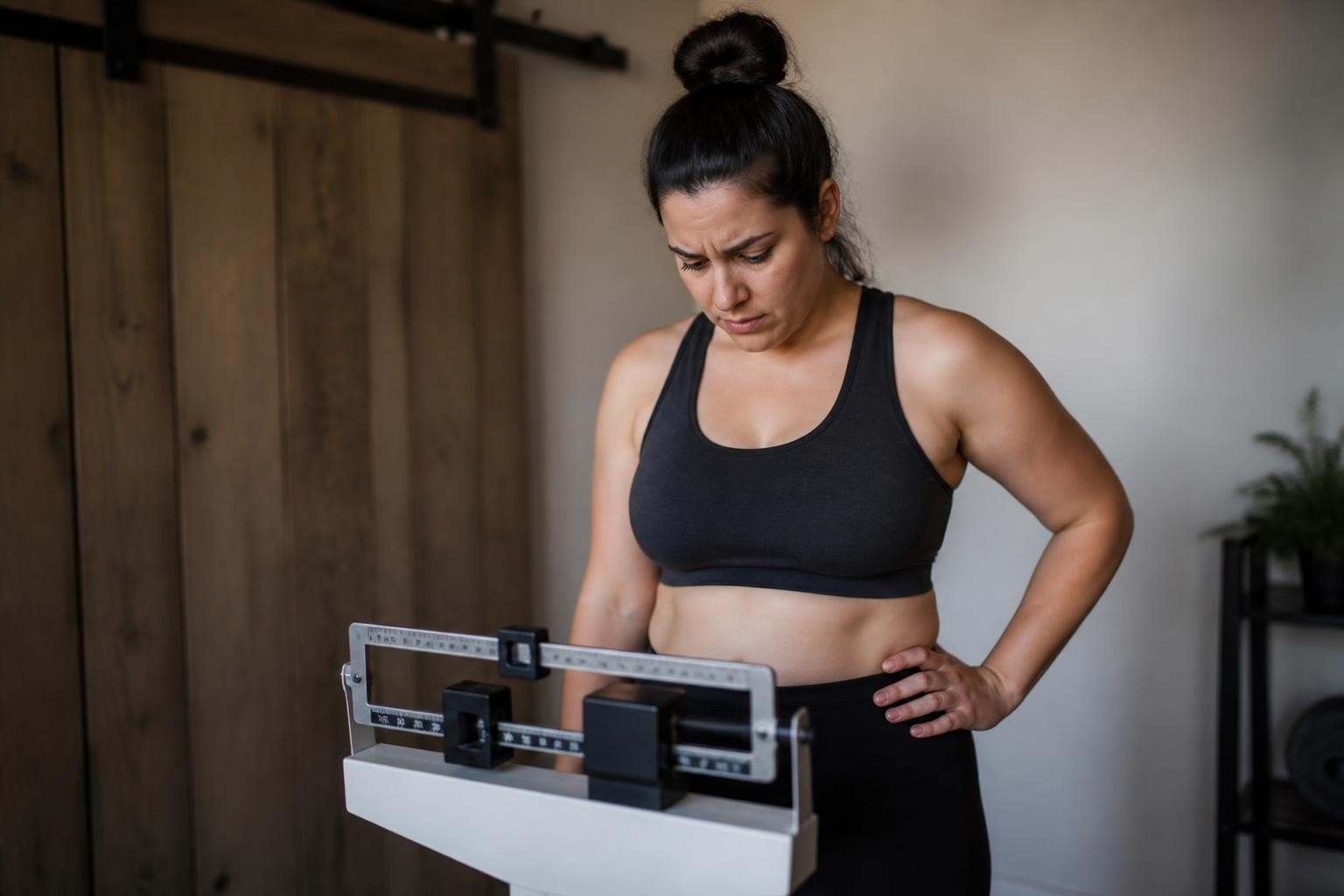
Belly fat represents more than just an aesthetic concern. Visceral fat, the type that accumulates around your midsection, poses significant health risks including heart disease, type 2 diabetes, and metabolic dysfunction. While countless fitness programs promise quick fixes, understanding the science behind fat loss and selecting the best exercise to lose belly fat requires knowledge of how your body and brain work together. The most effective approach combines strategic physical activity with neural reprogramming that addresses why you store fat in the first place.
Understanding Belly Fat and Exercise Science
Your body stores two types of abdominal fat: subcutaneous fat beneath the skin and visceral fat surrounding internal organs. Visceral fat proves particularly stubborn because it responds to stress hormones like cortisol, which signal your body to preserve energy stores.
Exercise works through multiple mechanisms to reduce belly fat. Physical activity creates a caloric deficit, increases metabolic rate, improves insulin sensitivity, and triggers hormonal changes that promote fat burning. However, exercise alone rarely produces dramatic results without addressing the psychological patterns that drive overeating and sedentary behavior.
Key factors that determine exercise effectiveness:
- Intensity level and heart rate zones
- Duration and frequency of workouts
- Muscle engagement and metabolic demand
- Consistency over weeks and months
- Integration with stress management
The best exercise to lose belly fat isn't necessarily the one that burns the most calories in a single session. Instead, it's the exercise you'll maintain consistently while supporting your body's natural fat-burning processes through better stress management and decision-making patterns.

High-Intensity Interval Training for Maximum Fat Loss
High-Intensity Interval Training (HIIT) consistently ranks as the best exercise to lose belly fat based on research demonstrating superior fat reduction compared to steady-state cardio. HIIT alternates short bursts of maximum effort with recovery periods, creating an "afterburn effect" that elevates metabolism for hours post-workout.
A typical HIIT session lasts 20-30 minutes but delivers results comparable to 60 minutes of moderate cardio. This efficiency makes HIIT ideal for busy individuals who struggle to maintain lengthy workout routines.
Effective HIIT protocols for belly fat reduction:
- Sprint intervals: 30 seconds maximum effort, 90 seconds recovery
- Cycling sprints: 20 seconds all-out, 40 seconds easy pace
- Bodyweight circuits: 40 seconds work, 20 seconds rest
- Rowing intervals: 1 minute hard pull, 2 minutes moderate pace
The British Heart Foundation emphasizes aerobic exercise for reducing belly fat while noting that consistency matters more than intensity alone. Your brain plays a crucial role here as mental resistance often prevents people from sustaining challenging workouts.
When you reprogram your subconscious patterns around exercise, you transform workouts from punishment into preferred activities. This neural shift makes the best exercise to lose belly fat whichever one you'll actually perform regularly rather than dreading and avoiding.
Strength Training Builds Fat-Burning Muscle
Resistance training deserves recognition as a top contender for the best exercise to lose belly fat, though it works differently than cardio. Building lean muscle increases your basal metabolic rate, meaning you burn more calories even at rest. Each pound of muscle burns approximately 6-10 calories daily compared to just 2-3 calories per pound of fat.
Compound movements that engage multiple muscle groups simultaneously provide the greatest metabolic benefit. These exercises create significant hormonal responses that promote fat burning throughout your body, including your midsection.
Most effective strength exercises for belly fat loss:
- Deadlifts engage posterior chain and core
- Squats activate largest muscle groups
- Bench press builds upper body mass
- Rows strengthen back and core stabilizers
- Overhead press demands full-body coordination
- Lunges challenge balance and leg muscles
WebMD outlines strength training alongside aerobic activities as essential components of effective belly fat reduction programs. The combination proves more powerful than either approach alone.
Many people sabotage strength training progress through subconscious beliefs about their capabilities or worthiness. Neural patterns established in childhood often convince us we're "not athletic" or "not strong," creating self-fulfilling prophecies. Addressing these mental blocks through neuroscience-based reprogramming allows you to build consistency and progressive overload essential for results.
Walking: The Underrated Belly Fat Solution
Recent research reveals that walking, particularly at slower paces, can be remarkably effective for reducing belly fat. A University of Michigan study found that slow walking specifically targets belly fat reduction, challenging assumptions that only intense exercise delivers results.
Walking offers unique advantages as the best exercise to lose belly fat for many individuals. It requires no equipment, produces minimal injury risk, reduces cortisol rather than spiking it, and integrates easily into daily routines. The psychological benefits of walking in nature further support fat loss by reducing stress-driven eating.
Walking strategies that maximize belly fat loss:
- 10,000+ steps daily through lifestyle integration
- Morning fasted walks to enhance fat burning
- Post-meal walks to improve glucose metabolism
- Incline walking to increase caloric expenditure
- Walking meetings to combine productivity with movement
The accessibility of walking makes it sustainable long-term, which matters more than short-term intensity. However, your brain must support this habit through positive associations rather than viewing it as a chore.
Core-Specific Exercises and Spot Reduction Myths
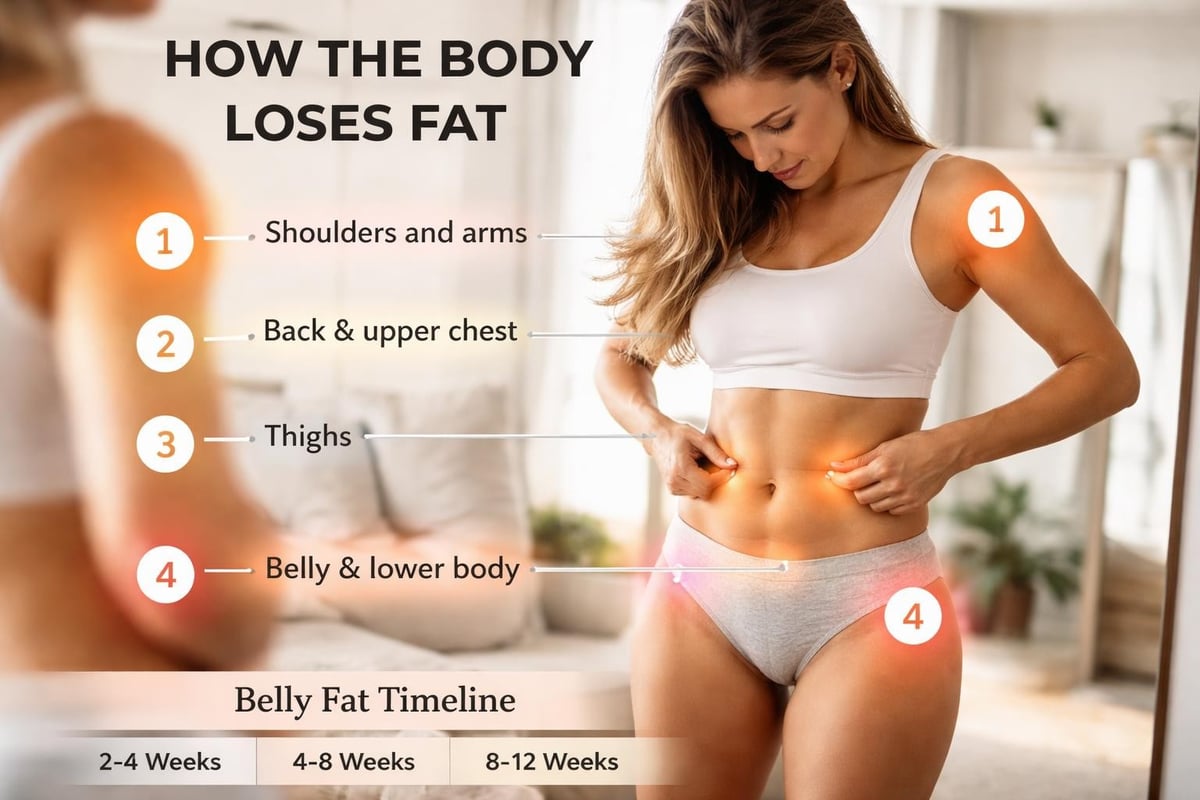
While crunches, planks, and other ab exercises strengthen core muscles, they don't preferentially burn belly fat through "spot reduction." This physiological impossibility frustrates many people who perform hundreds of sit-ups without seeing their abs.
Core exercises do contribute to a comprehensive program by improving posture, enhancing functional strength, and building muscle that increases metabolic rate. They simply shouldn't be confused with the best exercise to lose belly fat in isolation.
Valuable core exercises for overall fitness:
- Planks and variations for deep core activation
- Dead bugs for coordinated core control
- Bird dogs for stability and balance
- Mountain climbers combining cardio and core
- Russian twists for oblique engagement
Tom's Guide lists specific exercises including burpees and cycling that combine core engagement with cardiovascular demand, offering superior results to isolated ab work.
The mental frustration from spot reduction myths often leads to giving up entirely. Understanding that fat loss occurs systematically throughout your body based on genetics and hormones prevents unrealistic expectations. Your subconscious mind needs accurate information to maintain motivation through plateaus and slower-than-desired progress.
Cardiovascular Exercise for Consistent Caloric Burn
Steady-state cardiovascular exercise like jogging, cycling, swimming, or rowing provides reliable caloric expenditure that contributes to the deficit necessary for fat loss. While less time-efficient than HIIT, moderate cardio offers sustainability advantages and lower injury risk for some individuals.
The "fat-burning zone" at 60-70% maximum heart rate burns a higher percentage of calories from fat compared to carbohydrates, though total caloric burn matters more than fuel source. Longer duration moderate exercise can match or exceed HIIT's total caloric expenditure while feeling less psychologically demanding.
Cardiovascular options for belly fat reduction:
- Running or jogging outdoors or on treadmill
- Cycling for low-impact cardio
- Swimming for full-body engagement
- Rowing for combined strength and cardio
- Elliptical training for joint-friendly movement
- Dancing for enjoyable caloric burn
AARP emphasizes overall weight loss rather than targeted approaches, noting that balanced diet and regular exercise together produce the best results. The best exercise to lose belly fat becomes whichever form of movement you genuinely enjoy enough to sustain indefinitely.
Your brain's reward systems determine whether you'll maintain cardiovascular exercise long-term. When workouts trigger dopamine release through enjoyment rather than relying solely on willpower, consistency becomes effortless. This neural reprogramming transforms exercise from obligation into preference.
Yoga and Mind-Body Practices for Stress-Related Belly Fat
Yoga addresses belly fat through mechanisms beyond simple caloric burn. By reducing cortisol levels, improving sleep quality, enhancing body awareness, and supporting mindful eating, yoga targets the stress-driven fat storage that affects many people struggling with abdominal weight.
Certain yoga styles like Vinyasa and Power Yoga provide cardiovascular benefits comparable to moderate-intensity exercise while building functional strength. Restorative and Yin yoga styles support recovery and stress management essential for hormonal balance.
Yoga practices that support belly fat reduction:
- Sun salutations for dynamic movement
- Warrior sequences for strength building
- Twisting poses for digestive support
- Core-focused holds like boat pose
- Breathwork for stress reduction
- Meditation for craving management
PharmEasy includes yoga asanas alongside cardio and strength training in comprehensive belly fat reduction programs. The mental clarity and stress resilience developed through yoga practice often prove more valuable than the physical exercise component alone.
The mind-body connection cultivated through yoga aligns perfectly with neuroscience-based weight loss approaches. When you develop awareness of how emotions trigger eating behaviors and learn to respond differently, you address root causes rather than symptoms.
Circuit Training Combines Multiple Benefits
Circuit training alternates between different exercise types with minimal rest, combining cardiovascular conditioning, strength building, and metabolic demand in efficient workouts. This versatility makes circuits contenders for the best exercise to lose belly fat for time-constrained individuals seeking maximum results.
A well-designed circuit might include bodyweight exercises, free weights, cardio intervals, and core work in 30-45 minute sessions performed 3-4 times weekly. The variety prevents boredom while the pace maintains elevated heart rate throughout the workout.
Sample circuit for belly fat reduction:
- Kettlebell swings (1 minute)
- Push-ups (45 seconds)
- Jump rope (1 minute)
- Dumbbell squats (45 seconds)
- Mountain climbers (1 minute)
- Bent-over rows (45 seconds)
- Burpees (1 minute)
- Plank hold (45 seconds)
Repeat 3-4 rounds with 2 minutes rest between circuits.
The mental challenge of circuit training demands focus and determination that many people lack when subconscious patterns prioritize comfort over growth. Developing mental toughness through neural reprogramming allows you to push through discomfort productively rather than quitting prematurely.
Creating Your Personalized Exercise Strategy
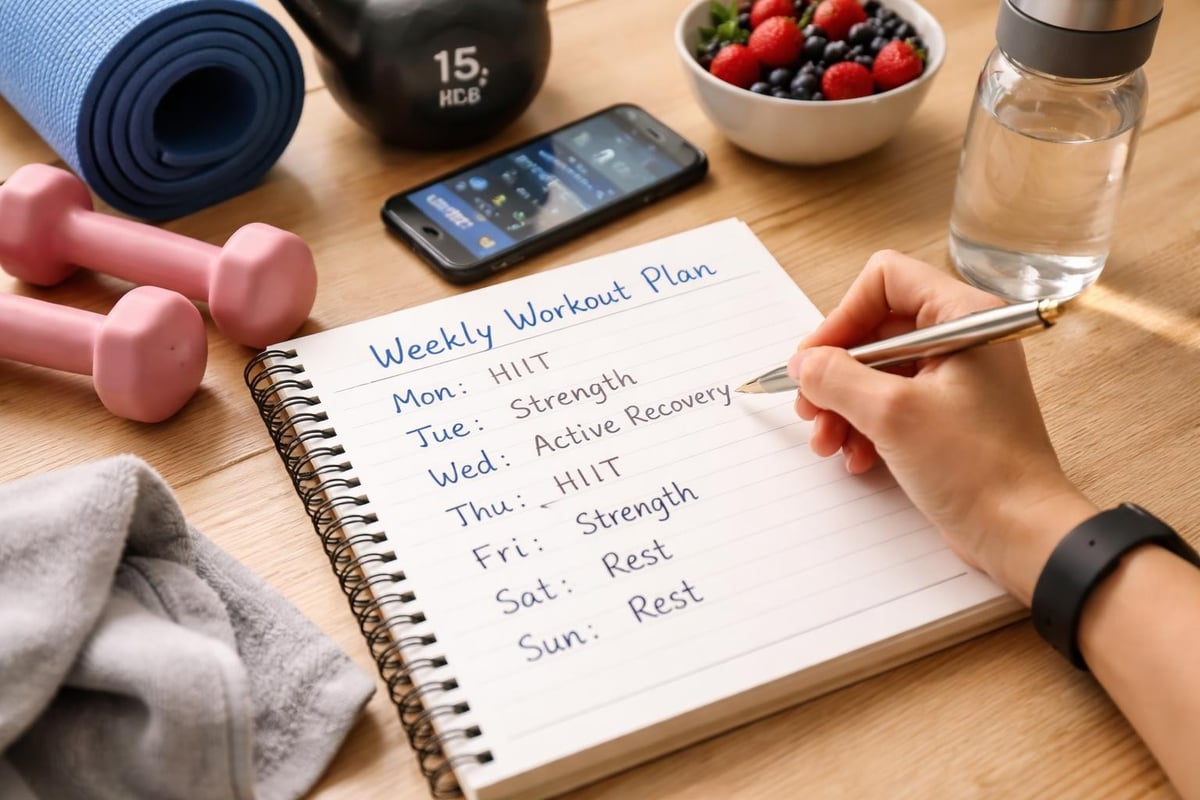
The truly best exercise to lose belly fat varies based on individual factors including current fitness level, injury history, time availability, personal preferences, and psychological relationship with movement. Personalization matters more than following generic prescriptions.
Assessment factors for choosing your optimal approach:
- Current activity level and fitness baseline
- Time realistically available for exercise
- Access to equipment or facilities
- Physical limitations or injuries
- Exercise preferences and enjoyment
- Stress levels and recovery capacity
Pfizer's Health Answers discusses cardiovascular activities, core exercises, and strength training as effective options, emphasizing the importance of consistency and overall lifestyle rather than any single exercise type.
Begin with modest, achievable commitments that build confidence and neural pathways supporting exercise as a habit. Starting with 10-minute daily walks proves more valuable than planning intense hour-long workouts you'll never complete. Progressive overload applies to habit formation as much as muscle building.
The Brain-Body Connection in Exercise Adherence
Exercise science provides clear guidelines about the best exercise to lose belly fat, yet most people struggle with implementation rather than information. Your subconscious mind contains deeply ingrained patterns about movement, discomfort, self-worth, and capability that determine whether you'll maintain any exercise program.
Common mental blocks include all-or-nothing thinking that leads to quitting after missed workouts, negative self-talk that undermines motivation, perfectionism that prevents starting until conditions feel ideal, and self-sabotage patterns rooted in fear of success or change.
Traditional willpower-based approaches fail because they fight against your brain's programming rather than working with it. When your subconscious mind associates exercise with punishment, deprivation, or failure, no amount of conscious determination produces lasting change.
Neuroscience-based reprogramming rewires these patterns at their source. Through techniques combining behavioral psychology and guided visualization, you can transform your automatic responses to exercise from resistance to attraction. This mental shift converts the best exercise to lose belly fat from theoretical knowledge into consistent action.
The Oneleaf approach to weight loss recognizes that sustainable physical change requires mental transformation first. When you address the subconscious patterns driving sedentary behavior and self-sabotage, exercise adherence becomes natural rather than forced.
Nutrition and Exercise Synergy
No exercise program delivers optimal belly fat reduction without supporting nutrition that creates the caloric deficit necessary for fat loss. Exercise alone rarely compensates for poor eating habits, as it's far easier to consume calories than burn them through activity.
However, approaching nutrition through restriction and willpower produces the same failures as forced exercise. Your brain's survival mechanisms interpret restriction as threat, triggering compensatory behaviors like increased cravings, reduced metabolic rate, and eventual binge eating.
Nutrition principles that support exercise for belly fat loss:
- Adequate protein to preserve muscle during fat loss
- Whole foods that provide satiety and nutrients
- Consistent meal timing that stabilizes blood sugar
- Hydration supporting metabolic function
- Strategic carbohydrate timing around workouts
- Mindful eating that responds to hunger cues
The best exercise to lose belly fat works synergistically with brain-based eating changes that feel sustainable rather than restrictive. When you retrain your subconscious preferences toward nutritious foods and appropriate portions, healthy choices become automatic rather than requiring constant willpower.
Recovery and Sleep Optimization
Exercise creates the stimulus for change, but recovery provides the opportunity for adaptation. Inadequate sleep and recovery undermine even the best exercise program through elevated cortisol, reduced testosterone and growth hormone, impaired insulin sensitivity, and increased hunger hormones.
Sleep deprivation specifically promotes belly fat accumulation by disrupting the hormones leptin and ghrelin that regulate appetite and satiety. People sleeping fewer than 6 hours nightly show significantly higher rates of abdominal obesity regardless of exercise habits.
Recovery strategies that enhance exercise results:
- 7-9 hours quality sleep nightly
- Strategic rest days between intense workouts
- Active recovery through walking or gentle movement
- Stress management techniques like meditation
- Adequate protein and nutrients for tissue repair
- Hydration supporting cellular function
Many people unconsciously sabotage their sleep through stress-driven patterns, late-night eating, or screen habits. Addressing these behaviors through neural reprogramming supports the recovery essential for exercise to produce belly fat reduction.
Measuring Progress Beyond the Scale
The scale provides incomplete and often misleading feedback about belly fat loss progress. Body composition changes frequently occur without significant weight changes as muscle replaces fat. Fixating on scale weight creates psychological distress that undermines adherence.
Better progress indicators for belly fat reduction:
- Waist circumference measurements
- How clothing fits around midsection
- Progress photos from consistent angles
- Body fat percentage testing
- Energy levels and physical capability
- Metabolic markers like fasting glucose
Celebrating non-scale victories reinforces the neural pathways that support continued effort. Your brain responds powerfully to positive feedback, making it essential to recognize improvements in strength, endurance, mood, sleep quality, and daily function alongside physical changes.
The best exercise to lose belly fat produces results that extend far beyond appearance. Improved cardiovascular health, enhanced insulin sensitivity, better stress resilience, increased confidence, and greater functional capacity all contribute to quality of life regardless of how quickly visible belly fat disappears.
Finding the best exercise to lose belly fat requires understanding both exercise science and the neural patterns that determine whether you'll maintain any program long-term. While HIIT, strength training, walking, and other approaches each offer distinct advantages, consistency matters more than choosing the theoretically optimal workout you'll never sustain. If you're ready to address the subconscious patterns that have prevented lasting change, Oneleaf combines neuroscience, behavioral psychology, and self-hypnosis in just 10 minutes daily to rewire your brain for effortless healthy choices. When you change your mental patterns first, the physical results follow naturally and permanently.