Your body burns calories constantly, even at rest. The process of converting food into heat and energy, known as thermogenesis, plays a crucial role in metabolism and weight management. While many weight loss approaches focus on restriction and willpower, understanding how certain foods naturally increase your metabolic rate offers a smarter, more sustainable path. Thermogenic foods work with your body's biology rather than against it, creating measurable effects on calorie expenditure that extend far beyond the meal itself. When combined with the right mindset and habits, these foods become powerful allies in your journey toward lasting health.
Understanding the Science Behind Thermogenesis
Thermogenesis refers to the production of heat in the body, and it occurs through several distinct mechanisms. Diet-induced thermogenesis (DIT) accounts for approximately 10% of total daily energy expenditure in most individuals. This process begins the moment food enters your system, as your body works to digest, absorb, and process nutrients.
Different macronutrients require varying amounts of energy to metabolize. Protein demands the most energy, using 20-30% of its calories just for processing. Carbohydrates require 5-10%, while fats need only 0-3%. This fundamental difference explains why protein-rich foods are considered highly thermogenic.
Beyond basic digestion, certain bioactive compounds in foods can stimulate thermogenesis through specialized mechanisms. These substances activate brown adipose tissue, increase norepinephrine release, or enhance metabolic enzyme activity. The body responds by generating more heat and burning additional calories, even during rest periods.
Top Thermogenic Foods That Boost Metabolism
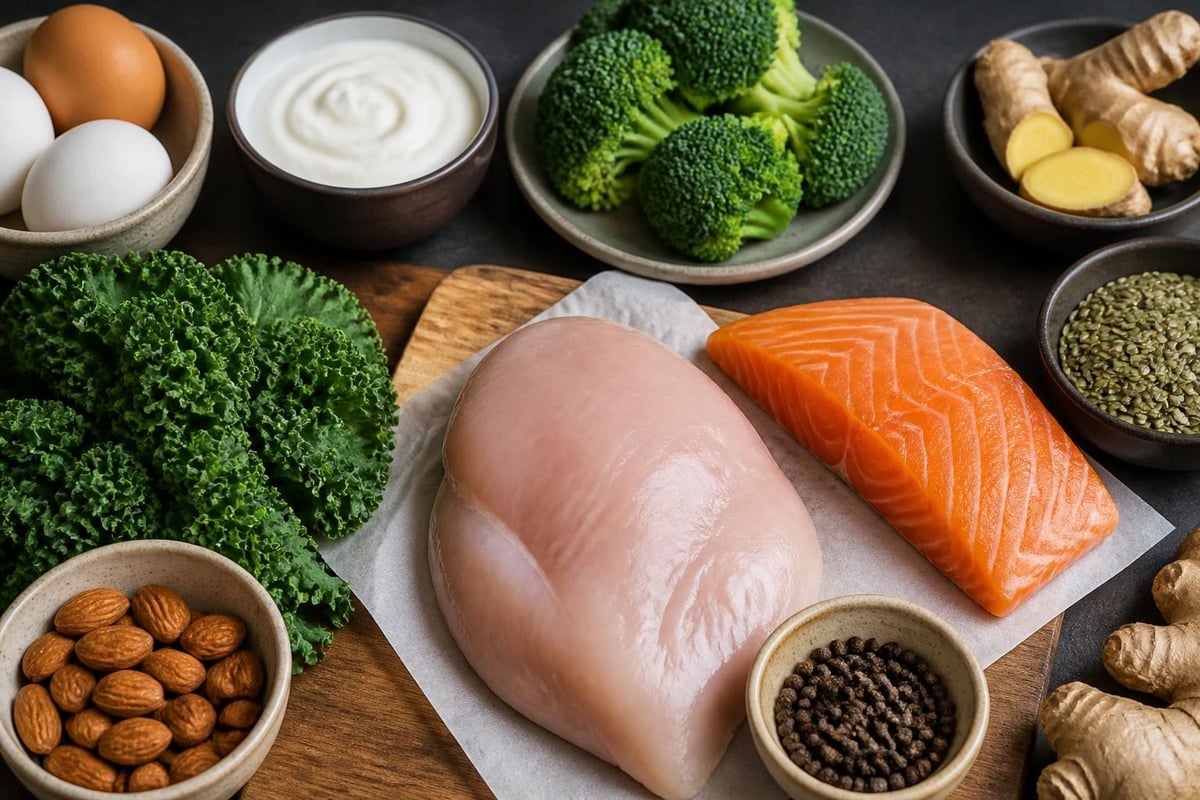
Several foods demonstrate consistent thermogenic properties backed by scientific research. Understanding which ones deliver the most significant effects helps you make informed choices without falling into restrictive eating patterns.
Protein-Rich Options:
- Lean chicken and turkey breast
- Fish including salmon, tuna, and cod
- Eggs and egg whites
- Greek yogurt and cottage cheese
- Legumes such as lentils and chickpeas
Spicy and Pungent Foods:
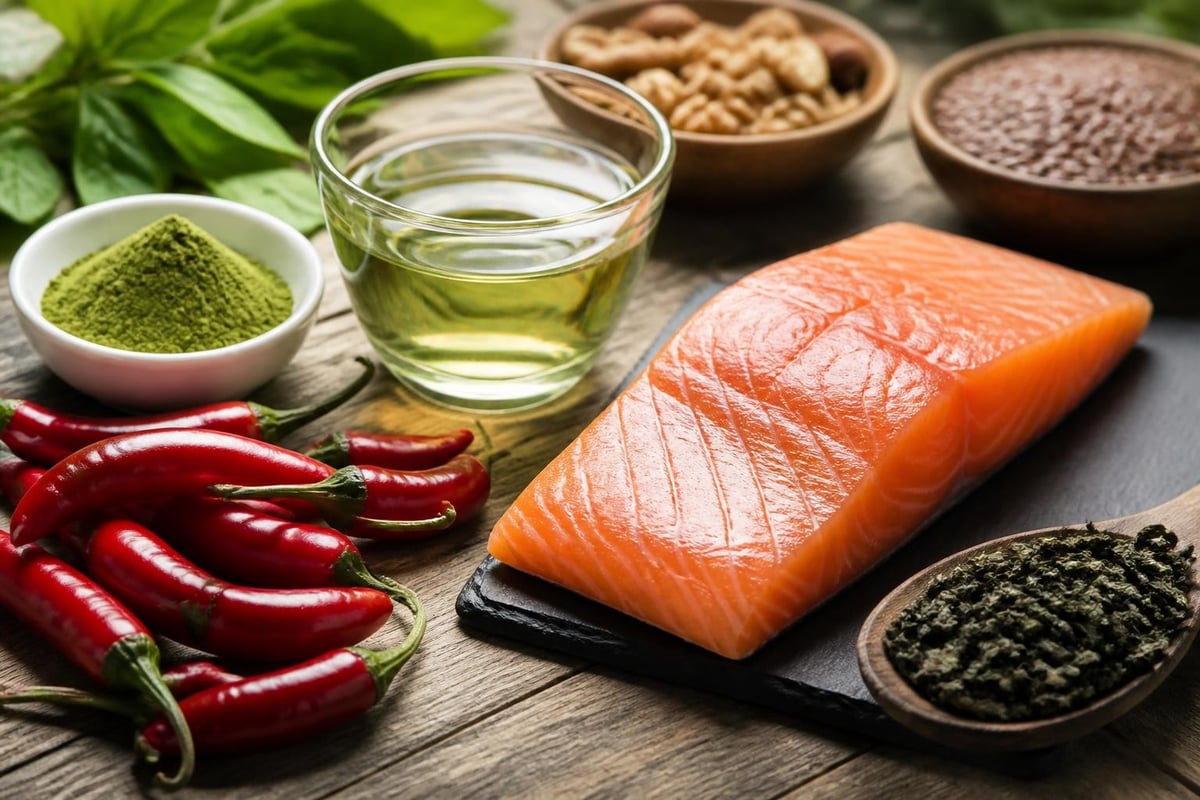
- Cayenne pepper and hot chili peppers
- Ginger root (fresh or powdered)
- Mustard seeds and prepared mustard
- Black pepper and piperine extracts
- Turmeric with enhanced curcumin content
Beverages and Herbs:
- Green tea and matcha powder
- Black coffee (unsweetened)
- Oolong tea varieties
- Apple cider vinegar diluted in water
- Cinnamon added to meals or drinks
Research indicates that caffeine and green tea extract work synergistically to enhance thermogenesis and influence appetite regulation. These compounds don't just provide temporary energy boosts; they create measurable increases in metabolic rate that persist for several hours after consumption.
How Capsaicin Triggers Metabolic Activation
Capsaicin, the compound responsible for the heat in chili peppers, stands out as one of the most studied thermogenic substances. When consumed, it activates TRPV1 receptors throughout your body, triggering a cascade of metabolic responses.
This activation increases sympathetic nervous system activity, raises core body temperature, and enhances fat oxidation. Studies show that regular capsaicin consumption can increase energy expenditure by 50-100 additional calories per day. While this might seem modest, it accumulates to significant numbers over weeks and months.
The beauty of capsaicin lies in its dual action. It simultaneously reduces appetite in many individuals while increasing calorie burn. Your brain receives signals of satisfaction sooner, potentially reducing overall intake naturally rather than through forced restriction. This aligns perfectly with approaches that work with your neuroscience rather than against it.
The Role of Brown Adipose Tissue Activation
Unlike white fat that stores energy, brown adipose tissue (BAT) burns calories to generate heat. Adults possess varying amounts of BAT, primarily in the neck and upper back regions. Activating this specialized tissue represents a promising avenue for natural metabolism enhancement.
Research on diet-induced thermogenesis reveals that certain food ingredients specifically stimulate BAT activity. Cold exposure was long considered the primary BAT activator, but scientists now recognize that specific nutrients can produce similar effects.
Foods and compounds that activate brown fat:
- Omega-3 fatty acids from fish and flax
- Capsaicin and other capsaicinoids
- Green tea catechins, especially EGCG
- Resveratrol from grapes and berries
- Menthol and mint compounds
When brown adipose tissue activates, it doesn't just burn calories; it improves insulin sensitivity, glucose metabolism, and lipid profiles. These metabolic improvements extend far beyond simple weight management, supporting comprehensive health optimization.
Individual Variation in BAT Response
Your genetic makeup, age, body composition, and lifestyle factors all influence how much brown adipose tissue you possess and how responsive it is to dietary stimulation. Younger individuals typically have more active BAT, but older adults can still benefit from thermogenic strategies.
The key lies in consistency rather than intensity. Regular exposure to thermogenic foods creates cumulative effects that build over time. Your brain and body adapt to these inputs, gradually optimizing metabolic efficiency.
Protein's Powerful Thermogenic Effect
Among all macronutrients, protein stands unmatched in its thermogenic power. The thermic effect of protein reaches 20-30%, meaning your body uses up to one-third of protein's calories simply processing it. This creates a significant metabolic advantage compared to fats and carbohydrates.
Beyond immediate calorie burning, protein supports muscle maintenance and growth. Muscle tissue is metabolically active, burning more calories at rest than fat tissue. By preserving and building lean mass, adequate protein intake creates a lasting increase in your baseline metabolic rate.
Strategic protein timing maximizes benefits:
- Morning protein intake jumpstarts metabolism
- Post-workout protein supports muscle recovery
- Evening protein helps maintain overnight muscle synthesis
- Distributed protein throughout the day sustains thermogenesis
Research examining bioactive food stimulants and 24-hour energy expenditure confirms that protein distribution patterns significantly impact total daily calorie burn. Eating protein at regular intervals maintains elevated thermogenesis throughout waking hours.
Quality Matters as Much as Quantity
Not all protein sources deliver identical thermogenic effects. Complete proteins containing all essential amino acids trigger stronger metabolic responses than incomplete sources. Animal proteins generally rank higher in bioavailability, though plant-based options combined strategically can match their effectiveness.
Lean sources minimize excess caloric intake while maximizing thermogenic benefits. Choose options like:
- Skinless poultry and game meats
- White fish and shellfish
- Egg whites or whole eggs in moderation
- Low-fat dairy products
- Plant proteins like pea, hemp, and rice protein
The processing required for these foods demands substantial energy from your body, creating natural calorie deficits without requiring conscious restriction or willpower battles.
Green Tea and Caffeine: The Dynamic Duo
Green tea contains a unique combination of caffeine and catechins, particularly epigallocatechin gallate (EGCG). This pairing creates thermogenic effects greater than either compound alone. The synergy between these substances enhances fat oxidation while preserving lean muscle mass.
Studies on thermogenic compounds demonstrate that regular green tea consumption increases 24-hour energy expenditure by 4-5%. While seemingly small, this translates to approximately 60-80 additional calories burned daily. Over a year, that's equivalent to several pounds of body fat without any other changes.
The caffeine component stimulates the central nervous system, increasing alertness and metabolic rate. EGCG inhibits an enzyme that breaks down norepinephrine, prolonging the hormone's fat-burning effects. Together, they create sustained thermogenesis that lasts several hours per serving.
Optimal consumption strategies:
- Drink 2-3 cups daily spread throughout the day
- Choose high-quality loose leaf or matcha for maximum catechins
- Avoid adding sugar or high-calorie additives
- Time consumption away from iron-rich meals to optimize absorption
- Consider alternating with black coffee for variety
Your brain responds to consistent caffeine intake by adjusting receptor sensitivity. Cycling your intake or maintaining moderate, steady consumption prevents tolerance buildup while sustaining metabolic benefits.
Creating a Thermogenic Eating Pattern
Building meals around thermogenic foods doesn't require complex planning or restrictive rules. Instead, focus on incorporating these elements naturally into eating patterns you enjoy and can sustain long-term.
Start your day with protein and thermogenic beverages. A breakfast containing eggs, vegetables with black pepper, and green tea or coffee sets a metabolic tone that persists for hours. Your body immediately shifts into higher gear, burning calories more efficiently throughout the morning.
Sample daily pattern:
- Morning: Protein-rich breakfast with spices, green tea
- Mid-morning: Black coffee or herbal tea with cinnamon
- Lunch: Lean protein, vegetables with ginger or turmeric, water with lemon
- Afternoon: Greek yogurt with berries and cayenne
- Dinner: Fish or poultry with mustard or pepper, cruciferous vegetables
- Evening: Herbal tea with mint or chamomile
This approach emphasizes addition rather than subtraction. You're adding thermogenic elements to meals rather than removing foods you enjoy. This psychological shift reduces the resistance and rebellion that often accompany restrictive diets.

Listening to Your Body's Signals
Thermogenic foods naturally influence hunger and satiety hormones. Protein increases peptide YY and GLP-1, both promoting fullness. Capsaicin can temporarily reduce appetite. Green tea catechins may modestly suppress hunger between meals.
Rather than ignoring these signals or overriding them with willpower, learning to recognize and trust them creates sustainable eating patterns. Your brain already knows how to regulate intake properly; it simply needs the right inputs and freedom from interference.
When you consistently provide thermogenic foods, your subconscious mind receives clear feedback about satiety and energy. Over time, cravings for processed, low-nutrient foods naturally diminish as your neural pathways rewire around healthier preferences. This happens automatically when you remove judgment and punishment from the equation.
Beyond Food: Lifestyle Factors That Enhance Thermogenesis
While thermogenic foods provide significant benefits, complementary lifestyle practices amplify their effects. Sleep quality, stress management, movement patterns, and hydration all influence how efficiently your body generates heat and burns calories.
Sleep and metabolic health:
Poor sleep disrupts hormones that regulate hunger and metabolism. Ghrelin increases while leptin decreases, creating intense cravings for high-calorie foods. Growth hormone secretion declines, reducing muscle maintenance and fat burning. Aim for 7-9 hours nightly to optimize thermogenic food benefits.
Stress and cortisol:
Chronic stress elevates cortisol, which promotes fat storage, particularly around the midsection. High cortisol also interferes with thyroid function and thermogenesis. Managing stress through mindfulness, meditation, or breathing exercises protects your metabolic rate and enhances results from dietary changes.
Movement throughout the day:
While exercise isn't thermogenesis in the classical sense, it creates similar metabolic adaptations. Regular activity increases muscle mass, improving resting metabolic rate. Movement also enhances insulin sensitivity, making thermogenic foods work more effectively.
Hydration and thermal regulation:
Adequate water intake supports all metabolic processes, including thermogenesis. Cold water consumption requires energy to warm to body temperature, providing a small but measurable thermogenic effect. Staying well-hydrated also helps distinguish true hunger from thirst, preventing unnecessary eating.
The Neuroscience Connection to Food Choices
Your food choices don't happen in a vacuum. They emerge from complex neural networks shaped by years of experiences, emotions, and learned associations. Understanding this connection reveals why simply knowing which foods boost metabolism doesn't automatically change behavior.
When stress, boredom, or emotional discomfort arise, your brain reflexively seeks comfort foods that provided relief in the past. These patterns operate below conscious awareness, making willpower-based approaches frustratingly ineffective. The solution isn't stronger discipline; it's rewiring the underlying neural pathways.
Thermogenic foods support this rewiring process in multiple ways. The increased satiety they provide reduces the biological drive to overeat. The metabolic benefits create tangible positive feedback, reinforcing healthier patterns. Most importantly, eating these foods becomes associated with feeling energized and capable rather than deprived.
Neural pattern transformation occurs through:
- Repeated positive experiences with thermogenic foods
- Reduced cravings as blood sugar stabilizes
- Improved mood from better nutrient intake
- Enhanced energy levels supporting activity
- Automatic preference shifts over time
As these new patterns strengthen, healthy choices require less conscious effort. What once demanded constant decision-making becomes automatic and natural. Your brain literally restructures itself around these new behaviors, making sustainable change possible without ongoing struggle.
Realistic Expectations and Sustainable Results
Thermogenic foods offer genuine metabolic benefits, but they're not magic solutions that override fundamental energy balance principles. Realistic expectations prevent disappointment and support long-term commitment to beneficial practices.
Most thermogenic interventions increase daily energy expenditure by 50-150 calories. This represents meaningful progress over months and years, particularly when combined with other healthy practices. However, it won't override massive caloric excess or sedentary lifestyles.
What thermogenic foods can do:
- Modestly increase metabolic rate throughout the day
- Enhance satiety and reduce overall calorie intake
- Support muscle preservation during weight loss
- Improve insulin sensitivity and glucose metabolism
- Provide nutrients that support overall health
What they cannot do:
- Compensate for consistently excessive calorie intake
- Replace the benefits of regular physical activity
- Override genetic factors entirely
- Produce rapid, dramatic weight changes alone
- Eliminate the need for overall healthy lifestyle patterns
The real power of thermogenic foods lies in their cumulative effects and their compatibility with sustainable eating patterns. Unlike extreme diets that require constant willpower and eventually fail, incorporating these foods becomes a natural part of how you eat. This sustainability creates results that build over time rather than vanishing when motivation fades.
Individual Responses and Personalization
Genetic variations influence how strongly you respond to different thermogenic compounds. Some individuals show robust reactions to capsaicin, while others barely notice effects. Green tea catechins work powerfully for certain people but produce minimal changes in others.
Testing different thermogenic foods and observing your personal responses helps identify which strategies work best for you. Keep notes about energy levels, appetite, and how you feel after incorporating various options. This data guides personalized optimization rather than following generic recommendations.
Factors affecting individual responses:
- Genetic variants in metabolic enzymes
- Gut microbiome composition and diversity
- Current metabolic health and insulin sensitivity
- Habitual caffeine intake and tolerance levels
- Age, sex, and hormonal status
Rather than viewing variation as a problem, recognize it as an opportunity to discover your unique metabolic profile. The foods that work best for your physiology might differ from those recommended most frequently. Trust your experience and adjust accordingly.
Personalization extends beyond food selection to timing, combinations, and quantities. Experimenting systematically reveals patterns that generic advice cannot predict. This self-knowledge becomes invaluable for creating truly sustainable, effective eating strategies.
Thermogenic foods offer a science-backed approach to naturally enhance metabolism without restriction or deprivation. By understanding how these foods work and incorporating them consistently, you create sustainable changes that support long-term health. However, lasting transformation requires more than nutritional knowledge alone-it demands addressing the neural patterns that drive eating behavior at its source. Oneleaf helps you reprogram these subconscious patterns through neuroscience-based audio sessions, making healthy choices effortless rather than a constant battle. When you combine thermogenic nutrition with transformed thought patterns, you create powerful, lasting change that feels natural rather than forced.