You've cut the carbs, tracked your macros religiously, and committed to the ketogenic lifestyle. The scale should be moving, but it's not. The frustration of not losing weight on keto despite doing everything "right" is one of the most common complaints among keto dieters, and it reveals something important: weight loss isn't just about what you eat. Your brain, stress levels, sleep patterns, and even subconscious habits play a massive role in determining whether your body releases stored fat or holds onto it stubbornly. Understanding why the scale isn't budging requires looking beyond your plate and examining the neurological and behavioral patterns that govern your metabolism.
The Hidden Carbohydrate Problem
Many people experience not losing weight on keto because they're consuming more carbohydrates than they realize. The ketogenic diet requires keeping net carbs below 20-50 grams daily to maintain ketosis, but hidden carbs lurk everywhere.
Condiments, sauces, and processed "keto-friendly" products often contain added sugars and starches. A tablespoon of ketchup contains four grams of carbs. Sugar-free products may use maltitol or other sugar alcohols that spike blood glucose. Even vegetables like bell peppers, onions, and tomatoes add up quickly when portions aren't measured.
Tracking Versus Guessing
The difference between tracking and estimating is significant:
- Accurate tracking reveals actual carb intake through apps or food journals
- Portion creep happens when eyeballing servings instead of weighing food
- Label reading catches hidden ingredients like dextrose, maltodextrin, and cornstarch
- Restaurant meals often contain hidden sugars in marinades and dressings
Without precise measurement, you might be eating 50-70 grams of carbs daily while believing you're at 25 grams. This keeps your body fluctuating in and out of ketosis, preventing consistent fat burning.

Your Stress Response Is Sabotaging Ketosis
Chronic stress directly interferes with weight loss through cortisol elevation. When cortisol remains elevated, your body prioritizes glucose production through gluconeogenesis, converting protein into sugar even when you're eating low-carb.
High cortisol levels trigger several metabolic changes:
- Increased insulin resistance
- Enhanced fat storage, especially around the midsection
- Elevated blood sugar despite carb restriction
- Suppressed thyroid function
- Increased inflammation
Many dieters focus exclusively on food while ignoring the neurological component of weight regulation. Your brain interprets chronic stress as a survival threat, activating ancient pathways that conserve energy and prevent fat loss regardless of your dietary choices.
The stress-weight connection explains why two people following identical keto protocols see vastly different results. If your nervous system remains in fight-or-flight mode, your metabolism won't release stored fat efficiently. This is where understanding factors that may hinder weight loss on a keto diet becomes essential.
Managing Cortisol Through Brain Retraining
Research in neuroscience shows that consistent mental practices can lower baseline cortisol levels. Daily sessions focusing on stress reduction, visualization, and subconscious reprogramming help shift your nervous system from sympathetic (fight-or-flight) to parasympathetic (rest-and-digest) dominance.
When your brain feels safe, your metabolism responds accordingly. Cravings decrease, hunger hormones normalize, and your body becomes more willing to release stored fat. This neurological shift often produces results that diet alone cannot achieve.
Protein Intake: The Goldilocks Problem
Protein consumption on keto requires careful balance. Too little protein causes muscle loss and metabolic slowdown. Too much protein stimulates insulin and gluconeogenesis, potentially disrupting ketosis for sensitive individuals.
Optimal protein intake depends on several factors:
- Body composition and lean muscle mass
- Activity level and exercise intensity
- Metabolic health and insulin sensitivity
- Individual protein tolerance
The standard recommendation of 0.6-1.0 grams per pound of lean body mass works for most people, but individual variation matters significantly. Some people maintain ketosis easily at higher protein levels, while others need to stay at the lower end of the range.
If you're not losing weight on keto, experiment with protein timing and amounts. Consuming most protein earlier in the day and reducing intake in the evening may improve ketone production for some individuals.
The Calorie Equation Still Matters
While ketogenic diets provide metabolic advantages, thermodynamics still apply. Eating more calories than you burn prevents weight loss, even in ketosis.
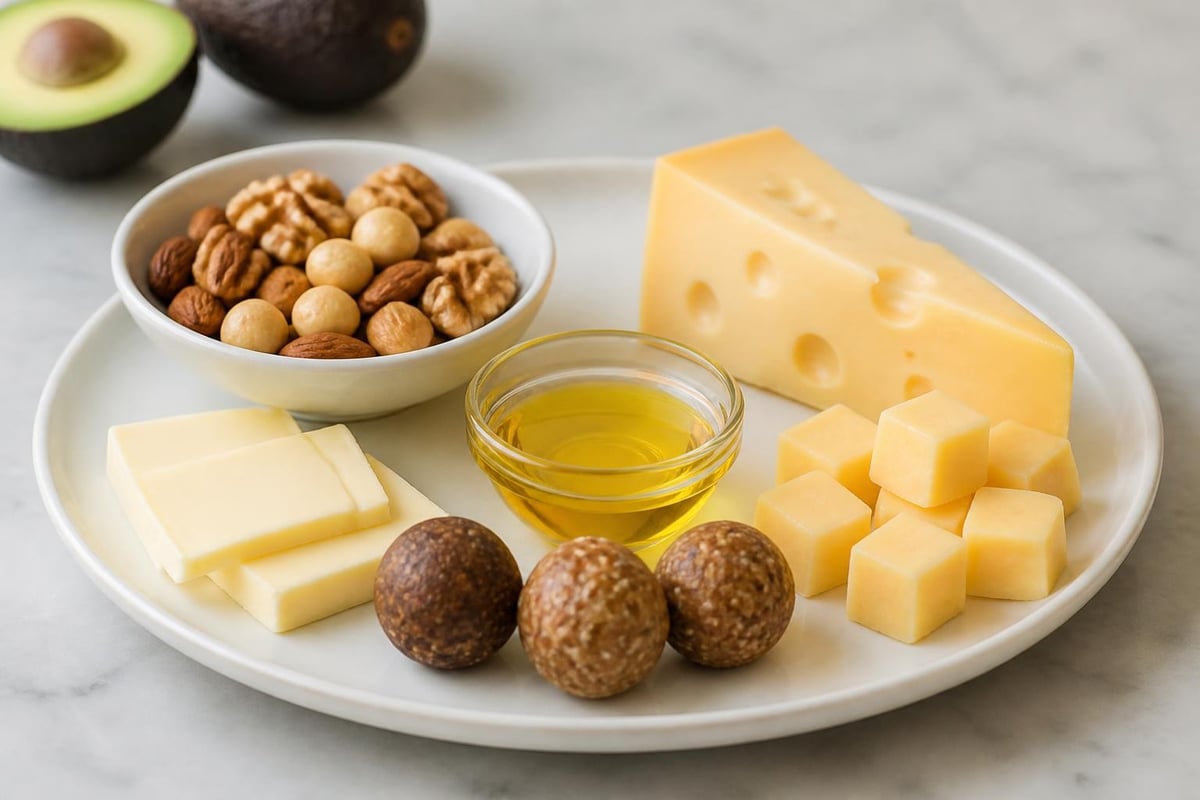
Keto-friendly foods are calorie-dense. Nuts, cheese, oils, and fatty meats pack substantial energy into small servings. It's remarkably easy to consume 3,000+ calories daily while feeling like you're eating moderately because fat is so satiating.
Common Calorie Traps
- Fat bombs and keto desserts: Often 300-500 calories each
- Nut consumption: A quarter cup of almonds contains 200 calories
- Excessive oil use: One tablespoon of olive oil adds 120 calories
- Cheese portions: Two ounces of cheddar provides 230 calories
- Bulletproof coffee: Can easily reach 400-500 calories
Many dieters add fat unnecessarily, believing they need to hit high fat macros. Unless you're pursuing therapeutic ketosis for neurological conditions, there's no need to force-feed fat. Your body can use stored fat for energy instead.
Sleep Deprivation Disrupts Everything
Poor sleep quality and insufficient sleep duration sabotage weight loss through multiple pathways. Sleep deprivation increases ghrelin (hunger hormone), decreases leptin (satiety hormone), impairs insulin sensitivity, and elevates cortisol.
Research consistently shows that sleeping less than seven hours nightly significantly impairs weight loss efforts. One study found that dieters who slept 5.5 hours lost 55% less body fat compared to those sleeping 8.5 hours, despite identical caloric intake.
Sleep affects weight loss through:
- Hormonal regulation of hunger and fullness
- Glucose metabolism and insulin sensitivity
- Recovery and muscle preservation
- Decision-making and impulse control
- Stress hormone balance
When exhausted, your brain craves quick energy from carbohydrates and simple sugars. Willpower depletes faster, and the mental bandwidth required to maintain dietary compliance diminishes. Even if you successfully avoid carbs while sleep-deprived, your metabolism may not cooperate with fat burning.
Metabolic Adaptation and Set Point Theory
Your body adapts to sustained caloric restriction by reducing metabolic rate. This adaptive thermogenesis can decrease daily energy expenditure by 200-500 calories beyond what would be predicted by weight loss alone.
The brain regulates body weight through complex feedback systems involving leptin, insulin, ghrelin, and numerous other hormones. When body fat decreases significantly, your brain interprets this as starvation and activates compensatory mechanisms: reduced metabolic rate, increased hunger, decreased spontaneous movement, and enhanced nutrient absorption.
This explains why people frequently experience weight loss plateaus on the keto diet after initial success. The first 10-20 pounds might come off easily, then progress stalls despite continued adherence.
Breaking Through Plateaus
Rather than further restricting calories or adding more exercise, strategic approaches work better:
- Metabolic priming: Periodically increasing calories to maintenance level for 7-14 days
- Macro cycling: Varying protein and fat intake throughout the week
- Exercise variation: Changing workout intensity and type to prevent adaptation
- Stress reduction: Lowering cortisol through mental practices and relaxation
- Sleep optimization: Prioritizing 7-9 hours of quality sleep nightly
The most effective strategy addresses the neurological component. Your subconscious mind holds beliefs and patterns about food, weight, and body image that directly influence metabolic function. Changing these deep-seated patterns through targeted brain retraining can unlock progress when dietary manipulation alone fails.
Thyroid Function and Hormonal Balance
Extended low-carb dieting sometimes suppresses thyroid function, particularly the conversion of T4 to active T3 hormone. This occurs because carbohydrates play a role in thyroid hormone production and conversion.
Symptoms of reduced thyroid function include:
- Persistent fatigue despite adequate sleep
- Cold sensitivity, especially in hands and feet
- Dry skin and hair loss
- Constipation and digestive slowdown
- Depression or mood changes
- Weight loss resistance despite caloric deficit
Women are particularly susceptible to thyroid suppression on very low-carb diets due to higher sensitivity to metabolic stress. The combination of caloric restriction, low carbohydrates, and exercise can signal the body to downregulate thyroid output as a protective mechanism.
If you suspect thyroid-related reasons for not losing weight on a low-carb diet, consider strategic carb cycling or brief refeeds to support thyroid function. Some individuals need 75-100 grams of carbs occasionally to maintain optimal T3 production.

The Movement Paradox
Exercise provides numerous health benefits, but its role in weight loss is complex and often misunderstood. Many people compensate for exercise by eating more, either consciously through post-workout meals or unconsciously through increased snacking.
Research shows that exercise alone rarely produces significant weight loss because:
- Caloric burn is overestimated: A 30-minute jog burns approximately 300 calories
- Compensation behaviors increase: People reward workouts with food or reduce non-exercise activity
- Appetite increases: Intense exercise stimulates hunger hormones
- Metabolic adaptation occurs: The body becomes more efficient, burning fewer calories for the same activity
This doesn't mean exercise is useless for weight management. Movement supports muscle preservation, improves insulin sensitivity, reduces stress, and enhances overall metabolic health. However, expecting exercise to create substantial weight loss often leads to disappointment.
For those not losing weight on keto who exercise intensely, the solution might be strategic rest and recovery rather than more training. Excessive exercise combined with caloric restriction and carb limitation creates a metabolic stress trifecta that elevates cortisol and suppresses fat loss.
Medication and Medical Conditions
Certain medications and medical conditions make weight loss significantly more challenging regardless of dietary approach. Common culprits include:
- Insulin and diabetes medications: Promote fat storage as a primary mechanism
- Antidepressants: Many SSRIs and tricyclics cause weight gain
- Beta-blockers: Slow metabolism and reduce exercise capacity
- Corticosteroids: Increase appetite and promote central fat accumulation
- Antipsychotics: Strongly associated with metabolic changes and weight gain
Medical conditions affecting weight regulation:
- Polycystic ovary syndrome (PCOS): Causes insulin resistance and hormonal imbalances
- Hypothyroidism: Slows metabolic rate significantly
- Cushing's syndrome: Excessive cortisol production
- Insulin resistance: Impairs fat burning even in ketosis
While the ketogenic diet often helps manage these conditions, individual responses vary. Some people with severe insulin resistance need to address the underlying metabolic dysfunction before significant weight loss occurs. Emerging research in peptide therapy, particularly compounds studied at facilities like Data Peptides, explores metabolic regulation at the cellular level, though these remain in the research phase.
The Psychology of Eating and Brain Patterns
The most overlooked aspect of weight loss involves subconscious eating patterns, emotional connections to food, and deeply ingrained neural pathways that govern food choices. Your conscious mind decides to follow keto, but your subconscious mind controls 95% of your daily behaviors and decisions.
Common psychological patterns that prevent weight loss:
- Eating for emotional comfort rather than physical hunger
- Using food as reward or punishment
- Associating specific foods with safety, love, or belonging
- Unconscious self-sabotage when approaching goal weight
- Identity conflicts between current self and desired self
These patterns exist in neural pathways formed over decades. Simply deciding to eat differently doesn't rewire these deep structures. This explains why willpower fails repeatedly and why the same person can lose and regain weight multiple times despite knowing exactly what to eat.
Traditional approaches focus on restricting food but ignore the brain driving food choices. Understanding common reasons for not losing weight on keto reveals that most obstacles stem from behavioral and neurological factors rather than dietary mistakes.
Neuroplasticity and Habit Formation
Your brain remains plastic throughout life, capable of forming new neural pathways and weakening old ones. Consistent practice of new thought patterns, behaviors, and responses creates physical changes in brain structure.
Methods combining neuroscience, behavioral psychology, and repetitive auditory learning can:
- Reduce unconscious cravings by rewiring reward pathways
- Improve stress management through nervous system regulation
- Strengthen motivation by connecting goals to deeper values
- Address self-sabotage by resolving subconscious conflicts
- Build automatic healthy behaviors without requiring constant willpower
When you change the subconscious patterns governing your food relationship, dietary compliance becomes natural rather than forced. The internal struggle disappears because your brain genuinely wants what your body needs.
Inflammation and Gut Health
Chronic inflammation impairs weight loss through insulin resistance, hormonal disruption, and metabolic dysfunction. While ketogenic diets reduce inflammation for many people, individual food sensitivities can maintain inflammatory states.
Common inflammatory triggers on keto include:
- Dairy products: Particularly problematic for those with casein or lactose sensitivity
- Eggs: A frequent allergen that many people don't recognize
- Nuts: Especially peanuts and tree nuts in sensitive individuals
- Nightshades: Tomatoes, peppers, and eggplant affect some people
- Artificial sweeteners: Disrupt gut bacteria and increase inflammation in certain individuals
Gut microbiome composition significantly influences weight regulation, metabolism, and even food cravings. An imbalanced microbiome can extract more calories from food, increase intestinal permeability, promote inflammation, and alter hunger signaling.
Testing for food sensitivities and supporting gut health through fermented foods, prebiotics, and strategic supplementation may resolve weight loss resistance when other interventions fail.
The Timeline Expectations Problem
Unrealistic timeline expectations create frustration and abandonment of effective protocols. Social media and marketing create false impressions about normal weight loss rates, showing extreme transformations that represent outliers rather than typical results.
Realistic weight loss expectations on keto:
- Week 1-2: Rapid water weight loss (5-10 pounds)
- Month 1: Continued weight loss (4-8 pounds of fat)
- Months 2-3: Slower progress (2-6 pounds monthly)
- Months 4+: Intermittent progress with plateaus
The body doesn't release fat linearly. Weight fluctuates daily based on water retention, sodium intake, hormonal cycles, stress levels, and digestive content. A plateau lasting 2-3 weeks doesn't indicate failure but rather normal metabolic adjustment.
Many people quit just before breakthrough moments because they expect constant downward scale movement. Building mental resilience and maintaining perspective requires managing expectations and trusting the process during temporary stalls.
Water Retention Masks Fat Loss
The scale measures total body weight, not body composition. You can lose significant fat while maintaining or gaining weight due to water retention, muscle gain, inflammation, or digestive contents.
Factors causing water retention:
- New exercise routines: Muscles hold water during repair processes
- Hormonal fluctuations: Menstrual cycles cause 3-5 pound variations
- High sodium intake: Each gram of sodium binds approximately 2 grams of water
- Stress and cortisol: Promotes fluid retention
- Carb refeeds: Each gram of glycogen stores 3-4 grams of water
Weighing daily and tracking the trend line provides better information than weekly weigh-ins. Better yet, use multiple metrics including measurements, photos, clothing fit, and energy levels to assess progress comprehensively.
Many people report not losing weight on keto when they're actually losing fat but retaining water. This temporary masking effect frustrates dieters into abandonment when patience would reveal genuine progress.
Food Quality Beyond Macros
While ketosis depends primarily on carbohydrate restriction, food quality affects metabolic health, inflammation, hormone function, and overall well-being. Eating processed keto products versus whole foods produces different metabolic outcomes despite identical macros.
Whole food keto emphasizes:
- Grass-fed and pasture-raised animal products
- Wild-caught fish high in omega-3 fatty acids
- Organic vegetables to minimize pesticide exposure
- Healthy fat sources like avocados, olive oil, and coconut oil
- Minimal processing and additive-free ingredients
Processed keto products often contain inflammatory oils (soybean, canola, sunflower), artificial ingredients, preservatives, and hidden carbs that disrupt metabolism subtly over time. These effects don't prevent ketosis but may impair the metabolic benefits that facilitate weight loss.
Optimizing food quality addresses micronutrient deficiencies that affect thyroid function, energy production, and metabolic efficiency. Magnesium, potassium, zinc, and B vitamins all play critical roles in fat metabolism and hormonal balance.
Achieving weight loss on keto requires more than macro tracking and carb restriction. The interplay between stress, sleep, hormones, inflammation, and especially your subconscious brain patterns determines whether your body releases stored fat or clings to it defensively. If you've addressed the dietary factors but still struggle with progress, the missing piece likely lives in your neurology, not your plate. Oneleaf offers a neuroscience-based approach that retrains your brain to support weight loss naturally through daily audio sessions combining behavioral psychology and self-hypnosis. By changing the subconscious patterns that drive your food choices and stress responses, you can finally achieve the results your diet alone couldn't deliver.