Weight loss injections have transformed medical weight management over the past few years, offering scientifically proven results for people struggling with obesity and weight-related health conditions. As we move through 2026, several FDA-approved medications have demonstrated remarkable effectiveness in clinical trials and real-world applications. Understanding which options deliver the best results, how they work, and whether they align with your health goals requires careful consideration of multiple factors. This comprehensive guide examines the best weight loss injections currently available, their mechanisms of action, effectiveness rates, and what makes each option unique for different individuals.
Understanding How Weight Loss Injections Work
The best weight loss injections target hormones that regulate appetite, blood sugar, and metabolism. Most successful medications belong to a class called GLP-1 receptor agonists, which mimic naturally occurring hormones in your digestive system.
These medications work by slowing gastric emptying, which keeps you feeling full longer after meals. They also signal your brain's satiety centers to reduce hunger and cravings. Additionally, many weight loss injections improve insulin sensitivity, helping your body process glucose more efficiently.
The pharmaceutical approach differs fundamentally from behavioral interventions because it alters your physiological responses rather than requiring sustained willpower. However, understanding that your brain's neural pathways around food, stress, and habits play an equally critical role in long-term success remains essential for sustainable results.
The Science Behind GLP-1 Medications
GLP-1 (glucagon-like peptide-1) is a hormone your intestines release after eating. It regulates blood sugar by stimulating insulin production and reducing glucagon secretion. When pharmaceutical companies developed synthetic versions of this hormone, they discovered significant weight loss effects.
The medications bind to GLP-1 receptors throughout your body, particularly in areas of the brain responsible for appetite regulation. This biological mechanism explains why people using these injections report reduced food cravings and earlier feelings of fullness during meals.

Top-Ranked Weight Loss Injections in 2026
Clinical research continues to refine our understanding of which medications deliver optimal results for different patient profiles. The following injections represent the most effective options currently available.
Tirzepatide (Zepbound and Mounjaro)
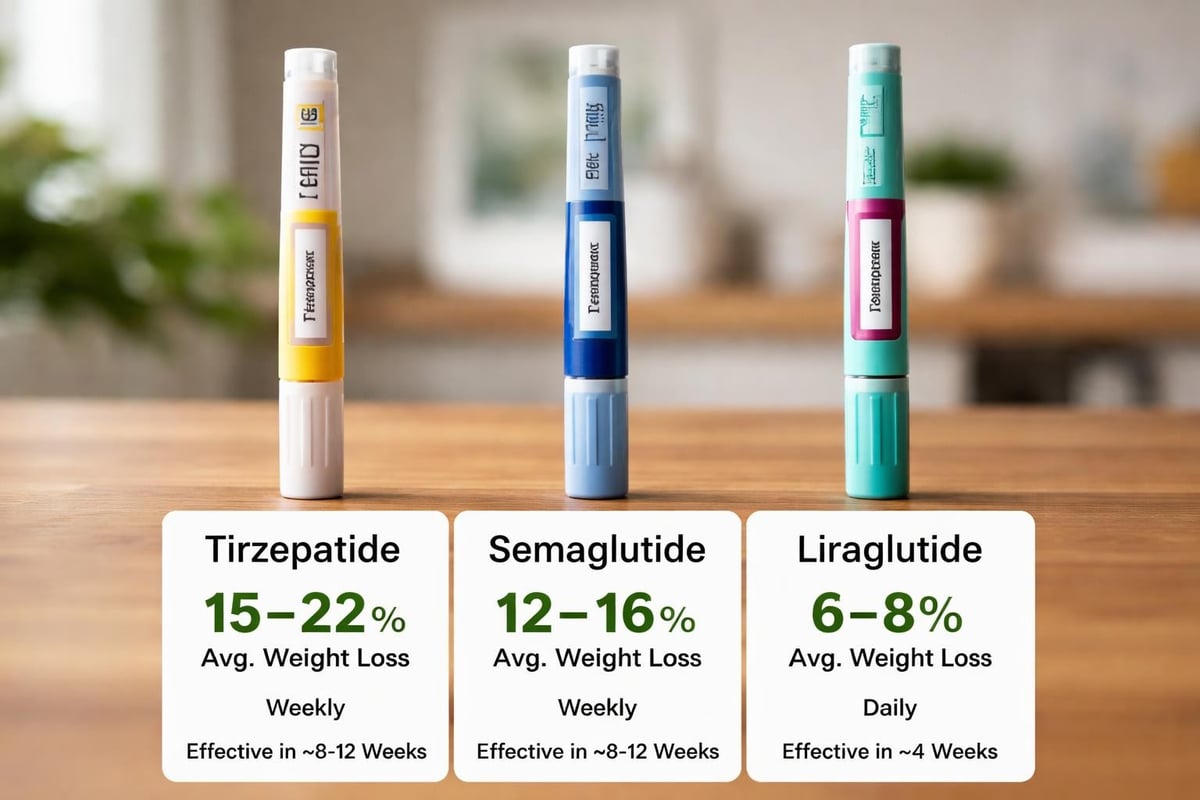
Tirzepatide stands as one of the best weight loss injections based on clinical trial outcomes. This dual-action medication activates both GLP-1 and GIP (glucose-dependent insulinotropic polypeptide) receptors, creating a synergistic effect.
Key features include:
- Average weight loss of 15-22% of body weight in clinical trials
- Weekly injection schedule
- FDA approval specifically for chronic weight management
- Improved glycemic control for people with type 2 diabetes
The dual mechanism distinguishes tirzepatide from single-receptor medications. By activating GIP receptors alongside GLP-1 pathways, it enhances insulin secretion and may improve fat metabolism more effectively than earlier options.
Dosing typically starts at 2.5 mg weekly, gradually increasing to maintenance doses between 5 mg and 15 mg based on individual response and tolerance. The escalation protocol helps minimize gastrointestinal side effects during the adjustment period.
Semaglutide (Wegovy and Ozempic)
Semaglutide has become one of the most recognized names among the best weight loss injections. Originally developed for type 2 diabetes management under the brand name Ozempic, the higher-dose formulation Wegovy received FDA approval specifically for weight loss.
This medication demonstrated impressive results in multiple clinical trials:
- Average weight reduction of 12-15% of body weight
- Once-weekly subcutaneous injection
- Cardiovascular benefits for high-risk patients
- Long half-life allowing consistent blood levels
Recent developments include an oral formulation of semaglutide, expanding options for people who prefer not to use injections. The pill form requires daily administration and different dosing considerations compared to the injectable version.
Wegovy starts at 0.25 mg weekly, with gradual increases every four weeks until reaching the maintenance dose of 2.4 mg. This titration schedule reduces the likelihood of nausea and other digestive side effects.
Liraglutide (Saxenda)
Liraglutide represents an earlier generation of GLP-1 medications but remains among the best weight loss injections for specific patient populations. While it requires daily injections rather than weekly administration, some individuals prefer the more gradual pharmacological effect.
Advantages of liraglutide:
- Daily dosing allows for more precise titration
- Shorter duration in the system if side effects occur
- Established safety profile with years of clinical use
- Lower cost in some insurance formularies
Clinical trials showed average weight loss of 5-10% of body weight, which is lower than newer medications but still clinically significant. The daily injection requirement can be a barrier for some people, though others appreciate the consistency and control it provides.
Maximum dosing reaches 3.0 mg daily, starting from 0.6 mg and increasing by 0.6 mg increments weekly. This allows your body to adjust gradually to the medication's effects.
Effectiveness and Expected Results
When evaluating the best weight loss injections, understanding realistic expectations helps you make informed decisions. Results vary significantly based on individual factors, adherence, and lifestyle modifications.
Timeline for Visible Results
Most people notice initial appetite suppression within the first week of starting treatment. However, significant weight loss typically becomes apparent after 4-8 weeks as dosages increase and your body adjusts to the medication.
Typical progression looks like:
- Weeks 1-4: Reduced appetite, smaller portion sizes, initial weight loss of 2-5%
- Months 2-3: Accelerated weight loss as dose reaches therapeutic levels, 5-10% reduction
- Months 4-6: Continued steady weight loss, behavioral changes become more automatic
- Months 6-12: Reaching plateau or maintenance, total loss of 10-20% depending on medication
The most substantial results occur during the first six months of treatment. After this period, weight loss typically slows as your body reaches a new equilibrium.
Factors Influencing Individual Outcomes
Not everyone responds identically to the best weight loss injections. Several variables affect your personal results:
- Starting weight and BMI: People with higher initial weights often lose more pounds, though percentages may be similar
- Metabolic health: Pre-existing conditions like insulin resistance influence medication effectiveness
- Lifestyle integration: Combining injections with improved nutrition and activity enhances outcomes
- Medication adherence: Consistent dosing schedules optimize results
- Neural programming: Your brain's habitual patterns around food, stress, and emotional eating significantly impact long-term success
While injections modify physiological hunger signals, addressing the psychological and neural components of eating behavior creates more comprehensive and lasting transformation. Your subconscious patterns, stress responses, and automatic food choices operate independently of appetite hormones.
Side Effects and Safety Considerations
All medications carry potential side effects, and the best weight loss injections are no exception. Understanding common reactions helps you prepare and manage symptoms effectively.
Common Side Effects
Gastrointestinal symptoms represent the most frequent complaints during initial treatment phases:
- Nausea and occasional vomiting
- Diarrhea or constipation
- Abdominal discomfort or bloating
- Decreased appetite (desired effect but sometimes excessive)
- Fatigue during adjustment period
These effects typically diminish as your body acclimates to the medication. Starting with low doses and increasing gradually minimizes severity. Eating smaller, more frequent meals can help manage digestive symptoms.
Serious Risks and Contraindications
While generally safe for appropriate candidates, certain situations require caution or preclude use entirely:
- Thyroid concerns: GLP-1 medications carry warnings about thyroid C-cell tumors based on rodent studies
- Pancreatitis history: Previous pancreatic inflammation may increase risk
- Diabetic retinopathy: Rapid blood sugar changes can worsen eye conditions
- Pregnancy and breastfeeding: Not recommended during these periods
- Gastrointestinal disease: Active gallbladder disease or gastroparesis may worsen
Medical supervision throughout treatment ensures early detection of complications and appropriate management. Regular monitoring of blood work, blood pressure, and symptoms provides safety oversight.
Cost and Insurance Coverage
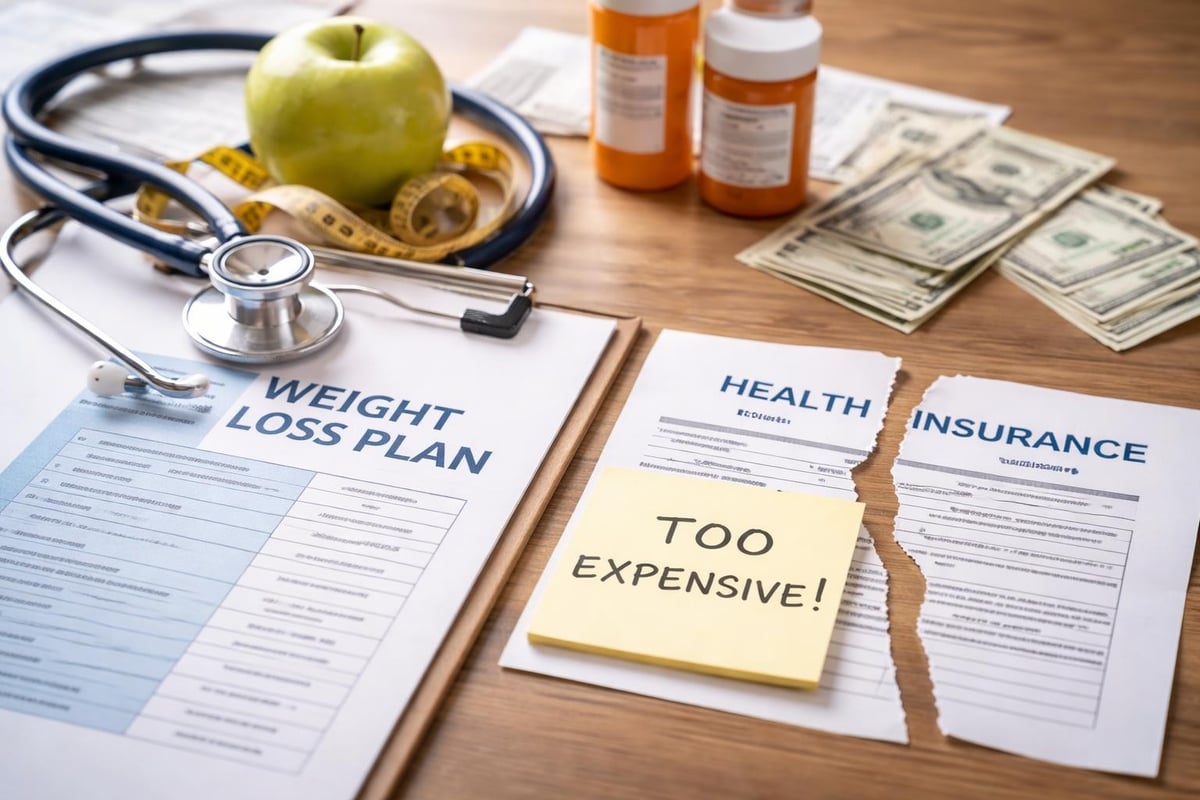
Financial considerations significantly impact access to the best weight loss injections. Pricing varies widely based on insurance coverage, pharmacy benefits, and manufacturer programs.
Typical Costs Without Insurance
Retail prices for these medications remain substantial:
- Tirzepatide (Zepbound): $1,000-$1,400 per month
- Semaglutide (Wegovy): $1,300-$1,600 per month
- Liraglutide (Saxenda): $1,200-$1,500 per month
These figures represent list prices before any discounts, rebates, or insurance coverage. Many people cannot sustain these costs long-term without financial assistance.
Insurance and Patient Assistance Programs
Coverage policies continue evolving as insurance companies reassess weight loss medication benefits. Some plans cover these injections when prescribed for obesity (BMI ≥30) or overweight (BMI ≥27) with related health conditions.
Options for reducing costs include:
- Manufacturer savings cards and copay programs
- Patient assistance programs for qualifying individuals
- Pharmacy discount programs and coupon services
- Compounding pharmacies offering lower-cost alternatives (with quality considerations)
- Health savings accounts or flexible spending accounts for pre-tax payment
Discussing financial concerns with your healthcare provider often reveals options you weren't aware of. Many physicians maintain current information about assistance programs and alternative formulations.
Who Should Consider Weight Loss Injections
The best weight loss injections work most effectively for specific populations meeting clinical criteria. Understanding whether you're an appropriate candidate requires honest assessment and medical consultation.
FDA-Approved Criteria
Regulatory approval establishes clear guidelines for prescribing these medications:
- BMI of 30 or higher (obesity), regardless of other conditions
- BMI of 27 or higher (overweight) with at least one weight-related condition such as type 2 diabetes, hypertension, or high cholesterol
- Age 18 or older for most formulations
- Willingness to implement lifestyle modifications alongside medication
These criteria ensure the medications target people who face genuine health risks from excess weight and haven't achieved adequate results through lifestyle changes alone.
When Injections May Not Be the Best Solution
Despite their effectiveness, weight loss injections aren't universally appropriate or necessary. Several situations suggest alternative approaches:
- Modest weight loss goals: People seeking to lose 10-20 pounds may achieve results through behavioral changes without medication
- Psychological eating patterns: When emotional eating, stress-related consumption, or habitual behaviors drive weight gain, addressing neural programming offers more sustainable solutions
- Financial constraints: Unable to maintain long-term treatment costs without creating hardship
- Medical contraindications: Pre-existing conditions that increase risk
- Preference for non-pharmaceutical approaches: Desire to address root causes through brain-based behavioral change
Understanding different weight loss injection options helps contextualize where they fit within the broader spectrum of weight management strategies.
Integrating Injections with Lifestyle Changes
Pharmaceutical interventions work best when combined with sustainable habit modifications. The most successful outcomes occur when people use injections as tools within comprehensive lifestyle transformations.
Nutrition Strategies While Using Injections
These medications reduce appetite, creating an opportunity to reset eating patterns:
- Focus on nutrient-dense foods to meet nutritional needs with smaller volumes
- Prioritize protein intake to preserve muscle mass during weight loss
- Choose high-fiber options to support digestive health and satiety
- Stay hydrated, as thirst can masquerade as hunger
- Practice mindful eating to recognize genuine fullness signals
The appetite suppression created by injections provides a window to establish healthier patterns. However, without addressing the subconscious drivers of food choices, old habits often resurface when medication stops.
Physical Activity Recommendations
Movement enhances weight loss outcomes and provides benefits beyond the scale:
- Resistance training: Preserves muscle mass during caloric reduction
- Cardiovascular exercise: Increases caloric expenditure and improves heart health
- Daily movement: Walking, stairs, and general activity compound over time
- Recovery and rest: Adequate sleep supports hormonal balance and recovery
Starting conservatively and building gradually prevents injury and burnout. Finding activities you genuinely enjoy increases adherence far more than forcing yourself into dreaded workouts.
The Neural Component of Lasting Change
While the best weight loss injections modify hunger hormones, your brain's learned patterns around food remain unchanged. Stress eating, emotional consumption, automatic snacking, and reward-seeking behaviors operate through neural pathways independent of GLP-1 receptors.
Sustainable weight management requires reprogramming these subconscious patterns. Your brain has learned associations between emotions, situations, and food over decades. These automatic responses don't disappear simply because you feel less hungry.
Addressing the neurological foundation of eating behaviors creates lasting transformation that persists regardless of medication status. When you retrain your brain's automatic responses, healthy choices feel natural rather than requiring constant conscious effort.
Long-Term Maintenance and Sustainability
Questions about duration of treatment and what happens after stopping medication remain critical considerations when starting the best weight loss injections.
Duration of Treatment
Current evidence suggests most people need to continue these medications long-term to maintain weight loss. Studies show significant weight regain when treatment stops, typically recovering 50-70% of lost weight within a year.
This reality challenges the concept of using injections as temporary interventions. Instead, they function more like ongoing management for chronic conditions. Just as people with hypertension continue blood pressure medications indefinitely, weight loss injections may require extended use.
Some individuals successfully transition off medications by:
- Gradually reducing doses rather than stopping abruptly
- Establishing robust behavioral habits before discontinuation
- Addressing psychological and neural eating patterns comprehensively
- Maintaining regular monitoring and having restart plans if needed
Beyond Medication: Building Sustainable Habits
The most successful long-term outcomes combine pharmaceutical support with fundamental behavioral transformation. Relying exclusively on injections without addressing underlying patterns creates vulnerability when treatment changes.
Essential components of sustainable weight management include:
- Neural reprogramming: Changing automatic responses and subconscious patterns around food
- Stress management: Developing healthy coping mechanisms beyond eating
- Sleep optimization: Supporting hormonal balance and recovery
- Community support: Connecting with others pursuing similar goals
- Self-compassion: Releasing guilt and punishment cycles that sabotage progress
These elements work synergistically with medication but also provide foundation for success independent of pharmaceutical support.
Alternative and Complementary Approaches
While examining the best weight loss injections, recognizing that multiple pathways to sustainable weight management exist empowers informed decision-making. Pharmaceutical interventions represent one option within a broader landscape.
Neuroscience-Based Behavioral Change
Your brain's neural networks control eating behavior at a level deeper than conscious awareness. Stress triggers, emotional associations, habitual patterns, and reward-seeking behaviors operate automatically through well-established pathways.
Reprogramming these subconscious patterns addresses weight management at its source. Rather than fighting against your brain's programming through willpower, neuroscience-based approaches retrain your automatic responses.
This method offers several advantages:
- Works with your brain's natural learning mechanisms
- Creates lasting change that doesn't depend on medication
- Addresses emotional and stress-related eating patterns
- Builds intrinsic motivation rather than external control
- Reduces cravings and unhealthy urges at their neurological origin
Ten minutes daily of targeted brain training can rewire decades-old patterns, making healthy choices feel effortless rather than requiring constant battle against yourself.
Combining Approaches for Optimal Results
The most effective strategy often integrates multiple modalities. Medication provides physiological support while behavioral interventions address psychological and neural components.
This comprehensive approach creates synergy where each element enhances the others. Injections reduce physical hunger while brain-based training eliminates emotional eating. Together, they address both body and mind.
Making Your Decision
Choosing whether to pursue the best weight loss injections requires careful consideration of multiple factors. Medical guidance, personal circumstances, financial reality, and long-term goals all influence this decision.
Questions to Ask Your Healthcare Provider
Productive conversations with your doctor should cover:
- Am I an appropriate candidate based on medical history and current health status?
- Which specific medication would work best for my situation?
- What monitoring and follow-up will be required during treatment?
- How long should I expect to use this medication?
- What happens if I need to stop treatment for any reason?
- Are there alternatives I should consider first or alongside injections?
Honest dialogue about expectations, concerns, and goals creates foundation for successful outcomes.
Self-Assessment Considerations
Beyond medical criteria, personal readiness influences success:
- Can you commit to regular injections and medical appointments?
- Do you have realistic expectations about results and timeline?
- Are you prepared to make lifestyle changes alongside medication?
- Have you addressed emotional and behavioral eating patterns?
- Can you sustain long-term costs or have reliable coverage?
Taking time for thorough self-reflection before starting treatment increases likelihood of satisfaction with your choice.
Moving Forward with Confidence
The landscape of weight loss injections continues evolving as research expands and new medications enter the market. Staying informed about options, understanding how they work, and recognizing their appropriate role within comprehensive weight management empowers you to make decisions aligned with your values and goals.
Whether you choose pharmaceutical support, behavioral interventions, or integrated approaches, the key lies in addressing weight management as a multifaceted challenge requiring attention to both physiological and psychological components. Your body responds to hormonal signals, but your brain drives the choices that ultimately determine long-term success.
The best weight loss injections offer powerful tools for managing obesity and weight-related health conditions, with medications like tirzepatide and semaglutide delivering impressive clinical results. However, sustainable transformation requires addressing the neural patterns and subconscious programming that drive eating behavior beyond physical hunger. Oneleaf provides a neuroscience-based approach that retrains your brain in just 10 minutes daily, helping you develop lasting healthy habits without relying on medication, restrictive diets, or constant willpower. By combining guided audio sessions rooted in behavioral psychology and self-hypnosis, you can reprogram the mental patterns that lead to overeating and create automatic, effortless change that supports your goals for life.