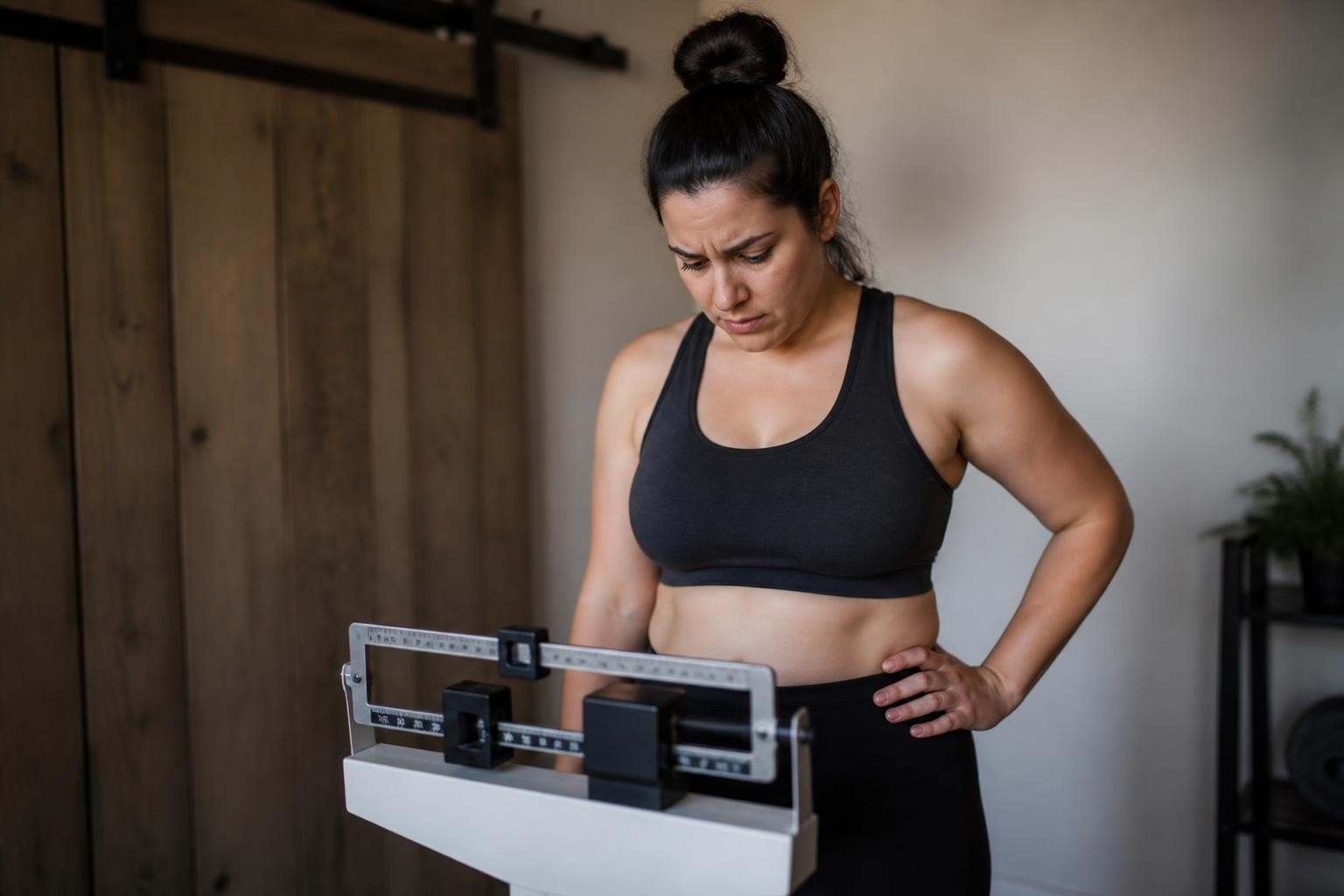
Creating a sustainable diet plan for weight loss for female success requires understanding how women's bodies respond differently to nutrition compared to men. Women face unique physiological challenges, including hormonal fluctuations, different metabolic rates, and varying nutritional needs throughout different life stages. The most effective approach combines evidence-based nutrition strategies with behavioral changes that address the underlying patterns driving food choices. Rather than relying on restrictive dieting that triggers compensatory mechanisms in the brain, successful weight loss happens when you align your eating habits with your body's natural signals and reprogram automatic behaviors that lead to overeating.
Understanding Female Metabolism and Weight Loss
Women's bodies are designed to preserve energy stores more efficiently than men's, a biological adaptation that affects how quickly weight comes off. Female metabolism operates at approximately 5-10% slower rates than male metabolism, even when accounting for differences in muscle mass and body composition.
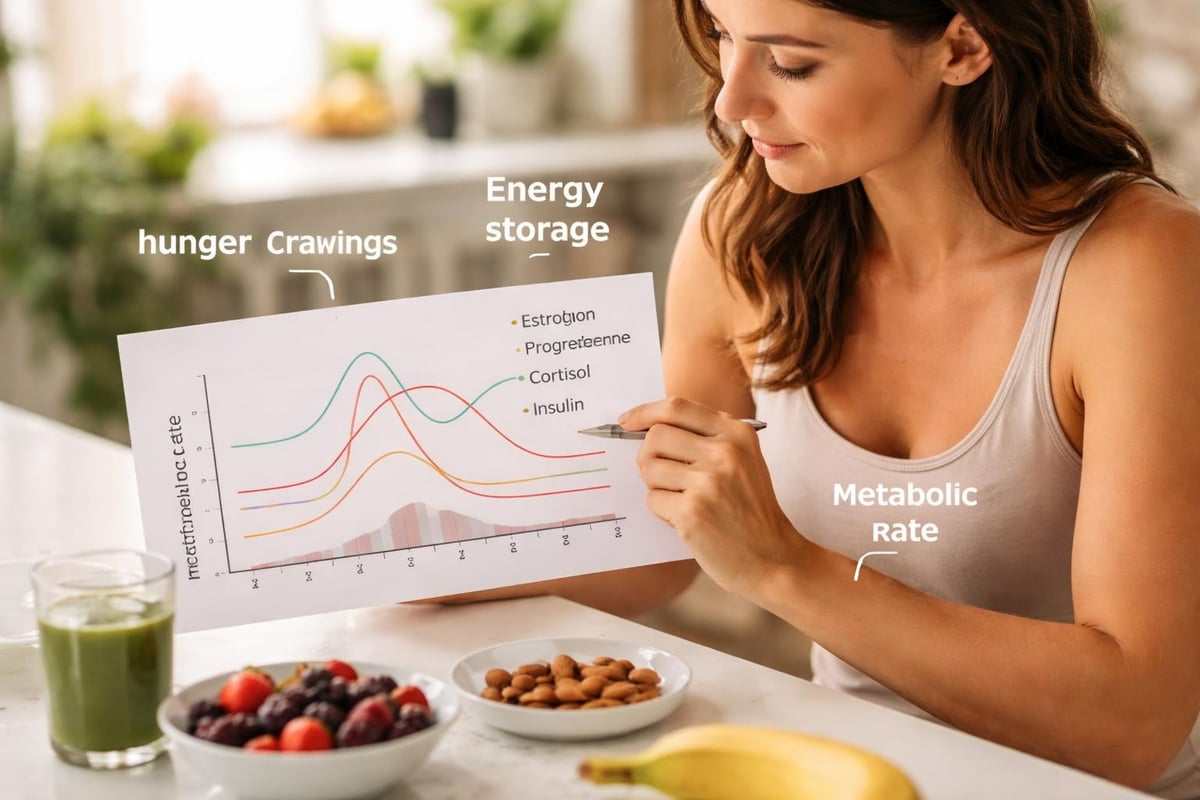
Hormonal cycles create additional complexity. Estrogen, progesterone, cortisol, and insulin all influence how your body stores fat, processes carbohydrates, and regulates hunger signals. During the luteal phase of menstruation, many women experience increased cravings and water retention, making it seem like their weight loss programs are failing when they're simply navigating normal physiological changes.
Key Metabolic Considerations for Women
- Basal metabolic rate decreases with age, particularly after 30
- Thyroid function significantly impacts weight regulation
- Insulin sensitivity varies throughout monthly cycles
- Stress hormones trigger cortisol-driven fat storage, especially around the midsection
- Sleep deprivation disrupts leptin and ghrelin balance
A successful diet plan for weight loss for female health must account for these metabolic realities rather than fighting against them. When you work with your body's natural rhythms instead of imposing arbitrary restrictions, sustainable results become achievable.
Essential Nutritional Components
Building an effective diet plan for weight loss for female wellness starts with understanding macronutrient distribution and micronutrient needs. Women require different nutritional ratios than generic diet plans typically provide.
Protein intake deserves particular attention. Most women consume insufficient protein, yet it's essential for preserving muscle mass during weight loss, regulating appetite hormones, and supporting metabolic function. Aim for 0.8-1.0 grams per pound of target body weight daily.
Optimal Macronutrient Ranges
Research suggests these evidence-based ranges work well for most women pursuing weight loss:
- Protein: 30-35% of daily calories
- Healthy fats: 25-30% of daily calories
- Complex carbohydrates: 35-40% of daily calories
- Fiber: Minimum 25-30 grams daily
Quality matters more than quantity. Various diet approaches can work effectively when they prioritize whole foods, adequate protein, and nutrient density. The Mediterranean approach, DASH diet, and balanced whole-food plans all show positive outcomes when calories align with individual needs.
Healthy fats play crucial roles in female hormone production. Include sources like avocados, nuts, seeds, olive oil, and fatty fish. These fats support vitamin absorption, brain function, and satiety while reducing inflammation that can interfere with weight loss.
Creating Your Personalized Meal Framework
A realistic diet plan for weight loss for female success balances structure with flexibility. Rigid meal plans often fail because they don't accommodate real-life situations, preferences, or spontaneous social events.
Start by establishing your baseline caloric needs. For gradual, sustainable weight loss, create a modest deficit of 300-500 calories below your total daily energy expenditure. Aggressive deficits trigger metabolic adaptations that make continued weight loss increasingly difficult.
Sample Daily Eating Pattern
Morning (7:00-9:00 AM)
- Protein-rich breakfast within 1-2 hours of waking
- Complex carbohydrates for sustained energy
- Example: Greek yogurt with berries, ground flaxseed, and a small portion of oats
Midday (12:00-1:00 PM)
- Balanced lunch combining all three macronutrients
- Emphasis on vegetables and lean protein
- Example: Large salad with grilled chicken, quinoa, mixed vegetables, and olive oil dressing
Afternoon (3:00-4:00 PM)
- Optional protein-based snack if genuinely hungry
- Example: Handful of almonds with an apple or vegetable sticks with hummus
Evening (6:00-8:00 PM)
- Lighter dinner focusing on vegetables and protein
- Moderate carbohydrates depending on activity level
- Example: Baked salmon with roasted vegetables and sweet potato
The importance of meal timing and composition extends beyond just calories. When you eat affects insulin sensitivity, energy levels, and how your body partitions nutrients between storage and immediate use.
Foods to Prioritize and Foods to Minimize
Strategic food selection makes adherence significantly easier while supporting nutritional needs. Rather than categorizing foods as strictly "good" or "bad," consider which choices move you toward your goals and which create obstacles.
Foods That Support Female Weight Loss
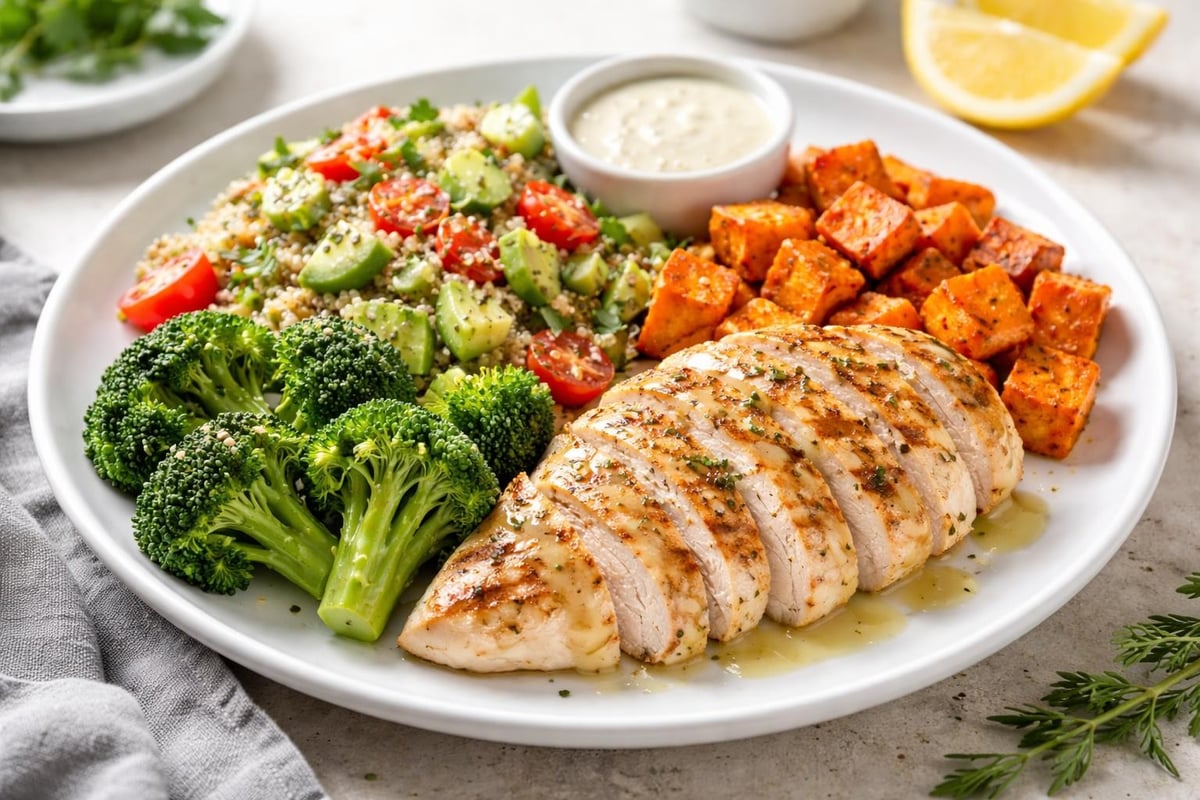
- Lean proteins: Chicken breast, turkey, fish, egg whites, Greek yogurt, legumes
- Fibrous vegetables: Broccoli, cauliflower, spinach, kale, Brussels sprouts, peppers
- Healthy fats: Avocados, nuts, seeds, olive oil, fatty fish like salmon
- Complex carbohydrates: Quinoa, sweet potatoes, oats, brown rice, lentils
- Fruits: Berries, apples, citrus fruits (in moderation)
- Hydrating options: Herbal tea, infused water, vegetable-based soups
Foods to Limit or Avoid
- Refined carbohydrates and white flour products
- Added sugars and sweetened beverages
- Processed snack foods with artificial ingredients
- Trans fats and heavily processed oils
- Alcohol (empty calories that disrupt metabolism)
- High-sodium processed foods causing water retention
Notice the emphasis on whole, minimally processed options. These foods provide greater satiety per calorie while delivering the micronutrients essential for optimal metabolic function. When your body receives adequate nutrition, the brain signals that drive cravings and overeating naturally diminish.
Addressing Common Female-Specific Challenges
Women encounter distinct obstacles that generic diet plans often fail to address. Recognizing these challenges allows you to develop specific strategies rather than assuming you're simply lacking willpower.
Hormonal Fluctuations and Cravings
Premenstrual cravings aren't weakness but biological responses to changing hormone levels. During the luteal phase, progesterone increases while serotonin decreases, driving cravings for carbohydrates and chocolate.
Strategic responses:
- Increase complex carbohydrates slightly during this phase
- Choose dark chocolate (70%+ cacao) in small portions
- Ensure adequate magnesium intake through leafy greens and nuts
- Accept minor weight fluctuations from water retention
Stress Eating and Emotional Patterns
Research consistently shows that women experience higher rates of emotional eating than men. Stress, anxiety, and difficult emotions trigger automatic eating behaviors that operate below conscious awareness.
Traditional diet plan for weight loss for female approaches focus exclusively on food choices while ignoring the neural patterns driving those choices. This oversight explains why willpower-based strategies fail-you're fighting against deeply ingrained automatic behaviors in your subconscious mind.
Breaking these patterns requires addressing the root cause. When you retrain your brain's automatic responses to stress and emotions, healthy choices become effortless rather than requiring constant conscious effort. Neuroscience-based approaches work by rewiring the neural pathways that connect emotions with eating behaviors.

Lifestyle Factors That Amplify Results
Nutrition represents only one component of successful weight loss. Several lifestyle factors significantly influence whether a diet plan for weight loss for female participants delivers results.
Sleep Quality and Duration
Poor sleep disrupts the hormones regulating hunger and fullness. When you sleep fewer than seven hours nightly, ghrelin (hunger hormone) increases while leptin (satiety hormone) decreases. This hormonal shift can add 300-500 calories of additional consumption daily without conscious awareness.
Sleep optimization strategies:
- Maintain consistent sleep-wake schedules, even on weekends
- Create a cool, dark sleeping environment (65-68°F optimal)
- Limit screen exposure 60-90 minutes before bed
- Avoid caffeine after 2:00 PM
- Consider magnesium supplementation to support sleep quality
Stress Management Approaches
Chronic stress elevates cortisol, which promotes abdominal fat storage and increases cravings for high-calorie comfort foods. Managing stress effectively becomes as important as managing food intake.
Effective stress reduction techniques include mindfulness meditation, deep breathing exercises, regular physical activity, and time in nature. Additionally, modern neuroscience approaches can help retrain your brain's stress response patterns, making it easier to maintain healthy behaviors even during challenging periods.
Hydration and Its Impact
Adequate water intake supports metabolic function, helps distinguish true hunger from thirst, and aids in eliminating metabolic waste products. Many women chronically under-hydrate, mistaking thirst signals for hunger.
Aim for at least eight 8-ounce glasses daily, more if you exercise vigorously or live in hot climates. Starting each meal with a full glass of water naturally reduces portion sizes while supporting digestion.
Movement and Physical Activity Integration
While this article focuses primarily on nutrition, physical activity significantly enhances any diet plan for weight loss for female health. Exercise doesn't just burn calories; it improves insulin sensitivity, preserves muscle mass, supports mental health, and helps regulate appetite hormones.
Recommended Activity Patterns
- Resistance training: 2-3 sessions weekly to preserve muscle during weight loss
- Cardiovascular exercise: 150+ minutes weekly of moderate-intensity activity
- Daily movement: 8,000-10,000 steps to increase baseline energy expenditure
- Flexibility work: Yoga or stretching to reduce stress and improve recovery
Women often avoid resistance training from misconceptions about "bulking up." In reality, muscle tissue burns more calories at rest and creates the toned appearance most women desire. Progressive strength training is essential for metabolic health.
Tracking Progress Beyond the Scale
The scale provides one data point but doesn't tell the complete story. Women's weight fluctuates significantly due to water retention, hormonal cycles, and other factors unrelated to fat loss.
Comprehensive Progress Indicators
- Body measurements: Waist, hips, thighs taken monthly
- Progress photos: Weekly or biweekly in consistent lighting and clothing
- Clothing fit: How specific garments fit over time
- Energy levels: Sustained energy throughout the day
- Sleep quality: Falling asleep easily and waking refreshed
- Mood stability: Reduced irritability and improved emotional regulation
- Physical performance: Strength gains and improved endurance
When multiple indicators trend positively, you're making progress even if the scale temporarily stalls. Trust the process and focus on changing the underlying behaviors rather than obsessing over daily weight fluctuations.
Adjusting Your Plan Over Time
No single diet plan for weight loss for female success works indefinitely without modification. As you lose weight, your caloric needs decrease. What created a deficit at 180 pounds won't create the same deficit at 150 pounds.
When and How to Adjust
Reassess every 4-6 weeks:
- Recalculate caloric needs based on current weight
- Evaluate which foods and meal patterns work best
- Identify any emerging challenges or patterns
- Adjust macronutrient ratios if needed
Signs you need to adjust your approach:
- Weight loss stalled for more than 3-4 weeks
- Experiencing constant hunger or low energy
- Finding the plan unsustainable or overly restrictive
- Developing unhealthy attitudes toward food
- Losing strength or muscle mass
Successful long-term weight management requires periodic refinement. Balanced approaches that emphasize variety tend to be more sustainable than extremely restrictive programs that eliminate entire food groups.
The Role of Mindset and Neural Reprogramming
Perhaps the most overlooked aspect of creating an effective diet plan for weight loss for female participants is addressing the psychological and neurological foundations of eating behavior. Traditional approaches assume that providing information about nutrition will lead to behavior change, yet research consistently shows this isn't how humans actually function.
Why Information Alone Isn't Enough
Your subconscious mind controls approximately 95% of your daily behaviors, including when, what, and how much you eat. These automatic patterns developed over years or decades of conditioning. Simply knowing you "should" eat vegetables instead of cookies doesn't change the neural pathways that drive automatic behavior.
This explains the familiar pattern: you start a new diet with enthusiasm and willpower, maintain it for days or weeks, then gradually revert to old habits. You didn't fail due to lack of knowledge or discipline. The automatic patterns in your subconscious mind simply reasserted themselves.
Rewiring Automatic Behaviors
Lasting change requires addressing eating behaviors at their source-the neural patterns in your brain. When you reprogram these subconscious patterns, healthy choices become automatic rather than requiring constant willpower.
Neuroscience-based approaches work by:
- Identifying the triggers that activate unhealthy eating patterns
- Interrupting the automatic response between trigger and behavior
- Installing new neural pathways that connect triggers with healthier responses
- Strengthening these new pathways through repetition until they become automatic
This approach complements any nutritional strategy, making adherence effortless rather than exhausting. When your brain naturally gravitates toward healthy choices, you don't need to rely on willpower-a finite resource that inevitably depletes.
Common Mistakes to Avoid
Even well-intentioned women often sabotage their diet plan for weight loss for female success through preventable mistakes. Awareness of these pitfalls helps you navigate around them.
Critical Errors That Undermine Progress
Excessive caloric restriction: Dropping calories too low triggers metabolic adaptations, muscle loss, hormonal disruptions, and inevitable rebound weight gain. Gradual deficits produce superior long-term results.
Eliminating entire macronutrient groups: Extremely low-carb or low-fat approaches often prove unsustainable. Balance supports adherence and provides complete nutrition.
Comparing your progress to others: Every woman's metabolic response differs based on genetics, history, age, and numerous other factors. Your journey is uniquely yours.
All-or-nothing thinking: Believing you've "ruined" your diet after one imperfect meal leads to complete abandonment. Sustainable success comes from consistency over time, not perfection in every moment.
Ignoring hunger and fullness cues: Your body provides valuable feedback through hunger and satiety signals. Learning to recognize and honor these signals creates sustainable eating patterns.
Neglecting strength training: Focusing exclusively on cardio while avoiding resistance training accelerates muscle loss during weight loss, slowing metabolism over time.
Building Sustainable Habits
The ultimate goal isn't just losing weight-it's creating habits that maintain your results without constant conscious effort. A truly effective diet plan for weight loss for female long-term success evolves into an intuitive eating pattern that feels natural rather than restrictive.
Habit Formation Principles
Start with small, manageable changes rather than overhauling your entire life overnight. The cumulative effect of consistent small improvements exceeds the short-lived impact of dramatic but unsustainable changes.
Progressive implementation strategy:
- Week 1-2: Establish consistent meal timing and adequate protein intake
- Week 3-4: Add vegetable servings at lunch and dinner
- Week 5-6: Reduce processed foods and added sugars
- Week 7-8: Optimize sleep schedule and stress management
- Week 9-10: Fine-tune portions and introduce meal planning
This gradual approach allows your brain to adapt to each change before adding the next. When changes feel manageable, your subconscious mind accepts them rather than triggering resistance.
Social Situations and Dining Out
Restaurant meals and social gatherings present challenges that rigid diet plans can't accommodate. Developing flexible strategies allows you to participate in normal social life while maintaining progress.
Practical Restaurant Strategies
- Review menus online beforehand to make decisions without time pressure
- Request dressings and sauces on the side to control portions
- Start with a protein and vegetable appetizer to reduce hunger
- Share entrees or immediately box half for later
- Choose grilled, baked, or roasted preparation methods over fried
- Skip the bread basket or limit to one small piece
- Order sparkling water with lime instead of alcoholic beverages
Social pressure to eat certain foods or drink alcohol often stems from others' discomfort with your healthy choices. A simple "I'm good, thank you" without elaborate explanations usually suffices. True friends support your goals rather than sabotaging them.
Nutritional Supplementation Considerations
While whole foods should provide most nutrients, certain supplements can support a diet plan for weight loss for female wellness, particularly given the physiological demands women face.
Evidence-Based Supplement Options
- Multivitamin: Insurance against micronutrient gaps during caloric restriction
- Vitamin D: Critical for hormone regulation; many women are deficient
- Omega-3 fatty acids: Support inflammation reduction and brain health
- Magnesium: Helps sleep quality, stress management, and reduces cravings
- Probiotics: Support gut health, which influences weight regulation
- Iron: Especially important for menstruating women or those with heavy periods
Always consult healthcare providers before starting new supplements, particularly if you take medications or have underlying health conditions. Supplements enhance an already strong nutritional foundation; they don't compensate for poor dietary choices.
Age-Specific Considerations
Women's nutritional needs and metabolic function change significantly across different life stages. An optimal diet plan for weight loss for female health adapts to these changing requirements.
Twenties and Thirties
Metabolism remains relatively high, but lifestyle factors like stress, sleep deprivation, and inconsistent eating patterns often create obstacles. Focus on establishing sustainable habits that will serve you throughout life.
Forties and Perimenopause
Hormonal fluctuations intensify as perimenopause begins. Estrogen decline affects fat distribution, muscle preservation, and insulin sensitivity. Increase protein intake, prioritize strength training, and be patient with fluctuating progress.
Fifties and Beyond
Post-menopause, metabolic rate decreases further while muscle loss accelerates without intervention. Resistance training becomes non-negotiable. Consider slightly higher protein intake (1.0-1.2 grams per pound of target weight) to preserve lean tissue.
Understanding these age-related changes helps set realistic expectations and guides appropriate strategy adjustments.
Moving Forward with Confidence
Creating and maintaining an effective diet plan for weight loss for female success combines evidence-based nutrition, lifestyle optimization, and most importantly, addressing the neural patterns that drive automatic eating behaviors. When you understand that lasting change happens in your brain before it shows up in your body, you can focus your efforts where they create maximum impact.
The strategies outlined here provide a comprehensive framework, but remember that information alone doesn't create change. Implementation does. Start with one or two changes this week, build consistency, then gradually add more positive behaviors as each becomes automatic.
Your relationship with food, your body, and yourself deserves more than the punishment and restriction that traditional dieting offers. Sustainable transformation comes from working with your biology rather than fighting against it, and from reprogramming the subconscious patterns that make healthy choices feel effortless.
Building a sustainable diet plan for weight loss for female success requires both sound nutritional strategies and addressing the neural patterns that drive eating behaviors. If you're ready to stop fighting willpower battles and start changing your habits at their source, Oneleaf offers a neuroscience-based approach that retrains your brain to make healthy choices automatically. In just 10 minutes daily, you'll rewire the subconscious patterns that lead to overeating, reduce cravings naturally, and build lasting results without restriction or guilt.