The weight loss supplement industry generates billions annually, with men constantly searching for effective solutions to shed stubborn body fat. Fat burners for men dominate this market, promising accelerated metabolism, increased energy, and rapid fat loss. But beneath the marketing claims lies a complex reality about how these supplements actually work, what science supports, and whether they deliver sustainable results. Understanding the truth about these products requires examining their ingredients, mechanisms, potential risks, and how they compare to approaches that address the fundamental drivers of weight gain at the neurological level.
Understanding How Fat Burners for Men Actually Function
Fat burners work through several distinct mechanisms that target different aspects of metabolism and energy expenditure. The most common approach involves thermogenesis, where specific ingredients increase body temperature and metabolic rate, forcing your system to burn more calories at rest. Stimulants like caffeine create this effect by activating the sympathetic nervous system, which triggers the release of norepinephrine and epinephrine.
Another mechanism focuses on appetite suppression. Ingredients in fat burners for men often include compounds that affect hunger hormones like ghrelin and leptin, theoretically reducing caloric intake throughout the day. Some formulations also claim to block fat absorption or enhance fat oxidation during exercise, though the evidence supporting these effects varies significantly.
The challenge with these mechanisms is they address symptoms rather than causes. While temporarily boosting metabolism or reducing hunger might create short-term calorie deficits, they don't change the underlying behavioral patterns, stress responses, or subconscious associations that drive overeating in the first place.
Common Ingredients and Their Scientific Support
Most fat burners for men contain a combination of stimulants, herbal extracts, and amino acids. Caffeine remains the most researched ingredient, with studies consistently showing it can increase metabolic rate by 3-11% and enhance fat oxidation during exercise. Green tea extract, containing catechins and EGCG, demonstrates modest effects on fat loss when combined with caffeine.

L-carnitine appears in many formulations with claims about transporting fatty acids into mitochondria for energy production. However, research shows supplementation only benefits individuals with actual carnitine deficiency, which is rare in healthy adults consuming adequate protein. Similarly, conjugated linoleic acid (CLA) shows mixed results in human studies, with some research indicating modest body composition changes but others finding no significant effects.
Yohimbine, derived from the bark of an African tree, blocks alpha-2 adrenergic receptors, potentially enhancing fat breakdown in stubborn areas. Yet this ingredient also carries significant side effects including anxiety, elevated blood pressure, and digestive distress, making it unsuitable for many users.
The Reality Behind Effectiveness Claims
Marketing materials for fat burners frequently showcase dramatic transformations and promises of effortless weight loss. The actual research presents a more modest picture. Even the most well-studied ingredients typically produce additional fat loss of just 1-3 pounds over several months when combined with diet and exercise, according to comprehensive analyses of fat burner effectiveness.
Several factors explain this gap between marketing and reality:
- Study design limitations: Many supplement studies use small sample sizes, short durations, and fail to control for diet and exercise variables
- Publication bias: Research showing positive results gets published more frequently than studies finding no effect
- Individual variation: Genetic factors, existing metabolic rate, and hormonal profiles create vastly different responses between users
- Tolerance development: The body adapts to stimulants over time, reducing their metabolic impact with continued use
The most significant issue involves sustainability. Even when fat burners for men produce measurable short-term results, users typically regain weight after discontinuing the supplements because the fundamental eating behaviors and mental patterns remain unchanged.
Potential Risks and Side Effects
The safety profile of fat burners varies dramatically based on ingredients, dosing, and individual health status. Common side effects include:
- Jitteriness, anxiety, and sleep disruption from excessive stimulant content
- Elevated heart rate and blood pressure
- Digestive issues including nausea and diarrhea
- Headaches and dizziness
- Interactions with medications
More serious concerns arise with proprietary blends that don't disclose exact ingredient amounts, making it impossible to assess safety or effectiveness. The FDA has issued warnings about numerous fat burner products containing banned substances or pharmaceutical ingredients not listed on labels. Some formulations have been linked to liver damage, heart attacks, and strokes, particularly when users exceed recommended doses or combine multiple stimulant sources.
Men with pre-existing conditions face elevated risks. Those with cardiovascular disease, high blood pressure, anxiety disorders, or thyroid problems should avoid most fat burners entirely. Safety considerations become especially important when examining the long-term health implications of chronic stimulant use, which remains poorly studied.
The Neuroscience of Weight Loss and Habit Formation
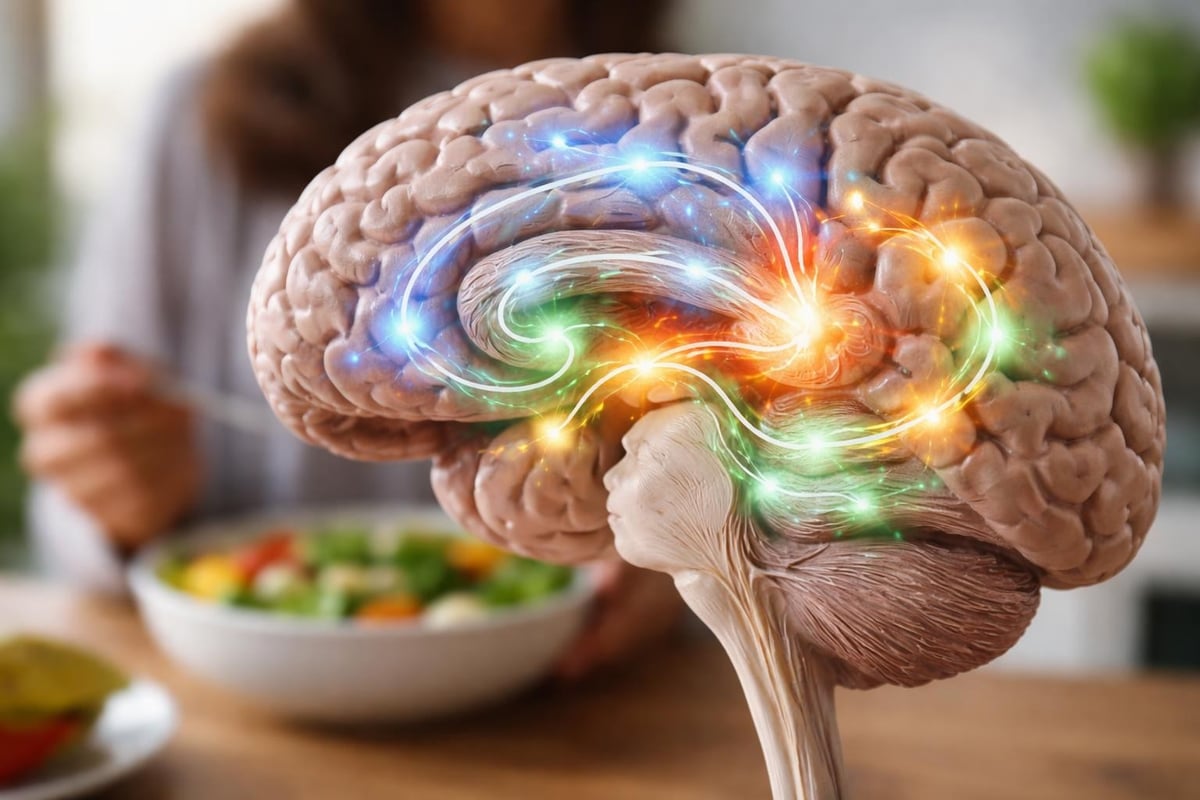
While fat burners attempt to override metabolism through chemical intervention, neuroscience reveals that lasting weight loss requires changing how the brain processes food, stress, and reward. The subconscious mind controls approximately 95% of daily decisions, including what you eat, when you stop eating, and how you respond to stress or emotional triggers.
Three key brain systems determine eating behavior:
- The reward pathway: Dopamine release in response to hyperpalatable foods creates powerful associations that drive cravings and override logical decision-making
- The stress response system: Cortisol activation triggers comfort-seeking behaviors, with the brain associating specific foods with emotional relief
- The habit formation network: The basal ganglia automate repeated behaviors, making unconscious eating patterns incredibly resistant to willpower alone
Fat burners for men don't address these neurological drivers. They might temporarily suppress appetite signals, but they can't rewire the subconscious associations between stress and eating, change dopamine responses to trigger foods, or break automated habits formed over years or decades.
Research in neuroplasticity demonstrates that targeted interventions can actually reshape these neural pathways. Techniques combining behavioral psychology, guided visualization, and repetitive mental rehearsal create new automatic responses that make healthy choices feel natural rather than requiring constant conscious effort.
Why Willpower-Based Approaches Fail
Traditional diet approaches, including those supplemented with fat burners, rely heavily on conscious willpower to override subconscious drives. This creates an exhausting internal battle that most people cannot sustain long-term. The prefrontal cortex, responsible for rational decision-making and self-control, has limited capacity and depletes throughout the day as you make decisions and resist temptations.
Meanwhile, the limbic system and automated habit networks operate continuously without fatigue, creating an uneven contest. This explains why fat burning supplements often disappoint even when users maintain perfect compliance during the initial weeks. Once willpower reserves deplete or life stress increases, old patterns reassert themselves.
Sustainable weight loss requires working with the brain's natural learning mechanisms rather than fighting against them. By addressing the subconscious level where habits and emotional associations reside, you can transform the experience of healthy eating from constant resistance to automatic preference.
Smarter Alternatives to Supplement Dependence
Rather than relying on fat burners for men, evidence-based approaches focus on creating the conditions where fat loss occurs naturally and sustainably. These strategies work with your physiology rather than attempting to override it temporarily.
Nutrition Strategies That Support Hormonal Balance
Optimizing macronutrient ratios and meal timing can dramatically impact hunger hormones, energy levels, and fat metabolism without supplements. Adequate protein intake (0.7-1.0 grams per pound of body weight) preserves muscle mass during weight loss while providing superior satiety compared to carbohydrates or fats.
Strategic carbohydrate timing around training sessions supports performance and recovery while keeping insulin levels stable during sedentary periods. Including healthy fats from sources like fish, nuts, and olive oil supports testosterone production and absorption of fat-soluble vitamins, both critical for male metabolic health.
Fiber intake often gets overlooked but significantly impacts weight loss success. Soluble fiber slows digestion, stabilizes blood sugar, and feeds beneficial gut bacteria that influence metabolism and inflammation. Aiming for 30-40 grams daily from vegetables, fruits, and whole grains provides these benefits without requiring pills or powders.
Movement and Metabolic Health
Physical activity affects weight loss through multiple pathways beyond simple calorie burning. Resistance training stimulates muscle protein synthesis, increasing lean mass that elevates resting metabolic rate permanently. Unlike fat burners that temporarily boost metabolism, muscle tissue burns calories 24/7.
High-intensity interval training creates EPOC (excess post-exercise oxygen consumption), where elevated metabolism continues for hours after workouts end. This approach delivers metabolic benefits similar to thermogenic supplements but through natural physiological adaptation rather than chemical stimulation.
Daily movement outside formal exercise matters enormously. Non-exercise activity thermogenesis (NEAT) can account for several hundred calories daily and varies dramatically between individuals. Simple changes like standing while working, taking stairs, or walking during phone calls accumulate significant energy expenditure over weeks and months.
Sleep and Stress Management
Sleep deprivation disrupts hunger hormones, decreasing leptin (which signals fullness) while increasing ghrelin (which drives hunger). Just a few nights of poor sleep can reduce insulin sensitivity and increase cravings for high-calorie foods. Prioritizing 7-9 hours of quality sleep supports all aspects of metabolism and makes healthy eating decisions substantially easier.
Chronic stress elevates cortisol, promoting abdominal fat storage and driving emotional eating behaviors. While fat burners might contain adaptogens claiming to reduce stress, they can't replicate the benefits of addressing stress at its source through meditation, time management, boundary setting, or cognitive restructuring.
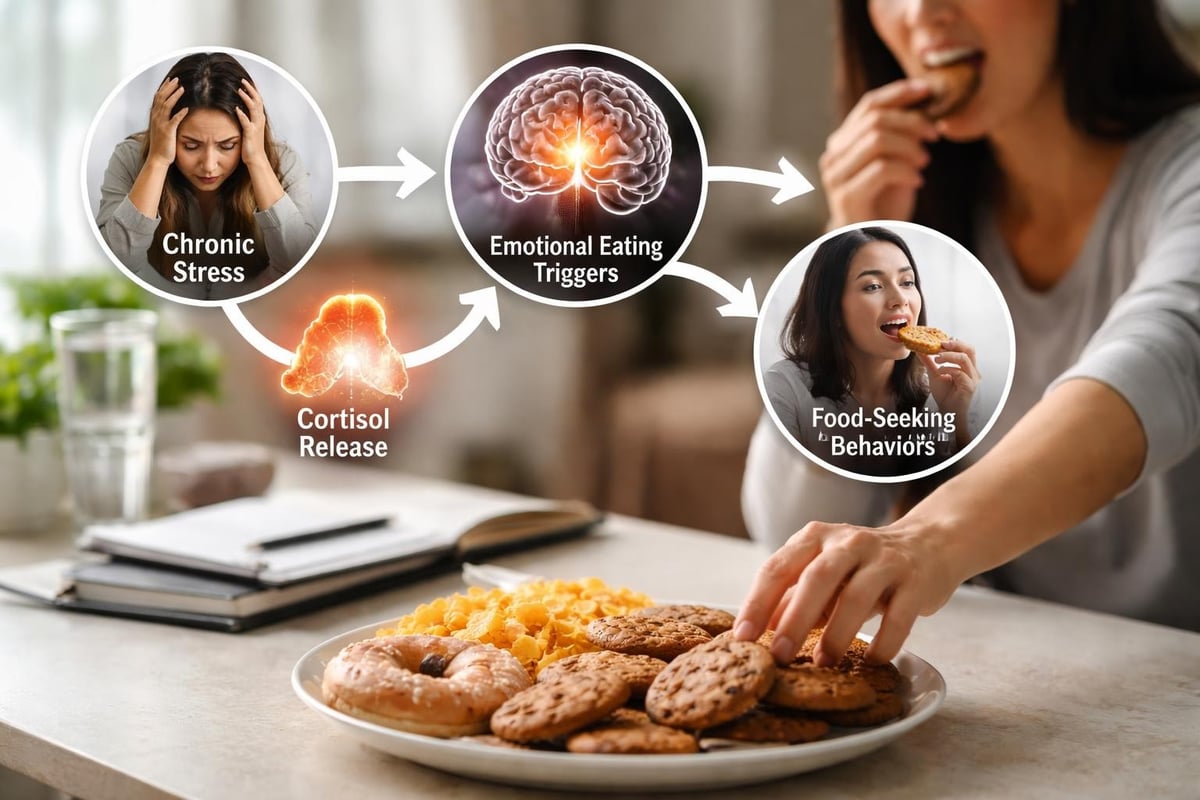
Men often neglect stress management while focusing exclusively on diet and exercise, creating a missing piece that undermines all other efforts. Managing stress changes brain chemistry in ways that reduce cravings, improve sleep, and make rational food choices accessible even during challenging circumstances.
Evaluating Fat Burner Products for Quality and Safety
If you choose to use fat burners for men despite the limitations discussed, selecting quality products becomes critical for both safety and any potential benefit. Understanding what to look for in supplement formulations helps minimize risks and avoid ineffective products.
Key evaluation criteria include:
- Transparent labeling: Avoid proprietary blends that hide ingredient amounts. Reputable manufacturers disclose exact quantities so you can research appropriate dosing
- Third-party testing: Look for certifications from organizations like NSF International, Informed-Choice, or USP, which verify products contain what labels claim without banned substances
- Research-backed ingredients: Prioritize formulations using ingredients with human studies supporting their use at the doses provided
- Realistic claims: Be skeptical of products promising dramatic results or using before/after photos without disclosing diet and exercise details
- Manufacturer reputation: Choose established companies with quality control processes and responsive customer service
Dosing timing affects both effectiveness and side effects. Taking fat burners early in the day minimizes sleep disruption from stimulants. Starting with half the recommended dose helps assess tolerance before increasing to full strength.
Cycling on and off prevents tolerance development. Using products for 8-12 weeks then taking 4-6 weeks off maintains effectiveness better than continuous use. This approach also provides regular breaks to assess whether benefits actually derive from the supplement or from improved diet and exercise habits established during use.
The Brain-Based Approach to Lasting Change
The fundamental limitation of fat burners for men lies in their temporary nature and surface-level mechanisms. They might slightly boost metabolism or reduce appetite, but they can't rewire the thought patterns, emotional associations, and automated behaviors that determine what you eat when no one is watching.
Neuroscience-based approaches work differently by targeting the subconscious programming that drives 95% of eating decisions. Through consistent mental rehearsal and guided sessions, you can:
- Reduce cravings by weakening neural pathways connecting stress with specific foods
- Strengthen associations between healthy foods and positive emotions
- Reprogram automatic responses to environmental triggers that previously led to overeating
- Build intrinsic motivation that persists without constant conscious effort
This transformation happens through neuroplasticity, the brain's ability to form new connections and weaken old ones based on repeated experiences. Just as learning a musical instrument or language creates new neural pathways through practice, targeted mental training can reshape eating behaviors at the subconscious level.
The process requires consistency rather than intensity. Brief daily sessions over weeks and months create cumulative changes that feel natural rather than forced. Unlike supplements that you either take or don't, brain-based training develops skills and automatic responses that become permanent parts of how you think and behave.
Men often appreciate the logical, systematic nature of this approach. Rather than hoping a pill will override biology, you're working with established neuroscience principles to create the internal conditions where healthy choices become the path of least resistance.
Understanding fat burners for men requires separating marketing promises from scientific reality, recognizing both the modest potential benefits and significant limitations of these supplements. Real, sustainable weight loss stems from addressing the neurological patterns that drive eating behavior rather than temporarily manipulating metabolism through stimulants. If you're ready to move beyond quick fixes and create lasting change through proven neuroscience, Oneleaf offers a different approach. In just 10 minutes daily, you'll retrain your subconscious mind to make healthy choices automatic, reducing cravings and transforming your relationship with food without restriction or willpower battles. When you change your brain, your body follows naturally.