Achieving sustainable fat loss requires more than temporary dietary changes or extreme calorie restriction. Men face unique physiological challenges when creating a fat loss diet plan for male body composition goals, including hormonal factors, muscle mass preservation, and metabolic considerations. While traditional approaches focus solely on calories and macronutrients, the most effective strategies address both nutrition and the neurological patterns that drive eating behaviors. Understanding how your brain processes hunger signals, manages stress-related cravings, and responds to food choices creates the foundation for lasting transformation.
Understanding Male-Specific Fat Loss Requirements
Men typically carry excess body fat differently than women, with increased visceral adipose tissue around the midsection. This distribution pattern responds particularly well to structured nutrition interventions combined with behavioral modification.
The average male requires approximately 2,000 to 3,000 calories daily depending on activity level, age, and current body composition. Creating an effective fat loss diet plan for male participants means establishing a sustainable calorie deficit of 500 to 750 calories per day, leading to one to two pounds of weekly fat loss.
Metabolic Considerations for Men
Male metabolism operates with distinct characteristics that influence fat loss strategies:
- Higher baseline metabolic rates due to increased muscle mass
- Testosterone levels that support muscle preservation during caloric restriction
- Greater insulin sensitivity in younger males
- Different hunger hormone patterns compared to female physiology
Research demonstrates that men often experience faster initial fat loss results but may plateau more quickly without proper nutritional adjustments. Evidence-based weight loss diet plans emphasize the importance of protein intake and resistance training to maintain lean tissue.

Macronutrient Distribution for Optimal Fat Loss
Proper macronutrient ratios form the cornerstone of any successful fat loss diet plan for male body transformation. Rather than following arbitrary percentages, effective distribution considers individual goals, training intensity, and lifestyle factors.
Protein Requirements
Protein serves as the most critical macronutrient during fat loss phases. Men should target 0.8 to 1.2 grams per pound of body weight daily.
Benefits of adequate protein intake:
- Preserves lean muscle mass during caloric deficits
- Increases satiety and reduces hunger between meals
- Elevates thermic effect of food, burning more calories during digestion
- Supports hormone production and recovery
Quality protein sources include chicken breast, lean beef, fish, eggs, Greek yogurt, and plant-based options like legumes and tofu. Distributing protein across four to five meals optimizes muscle protein synthesis throughout the day.
Strategic Carbohydrate Timing
Carbohydrates fuel high-intensity training and support metabolic function. A comprehensive weight loss meal plan for men typically includes 100 to 200 grams daily, adjusted based on activity levels.
Effective carbohydrate strategies:
- Concentrate carbohydrate intake around training sessions
- Choose complex sources like sweet potatoes, oats, and quinoa
- Reduce refined sugars and processed grains
- Monitor energy levels and adjust quantities accordingly
Men with higher training volumes may require additional carbohydrates to maintain performance and prevent metabolic adaptation.
Healthy Fats for Hormone Production
Dietary fat supports testosterone production and vitamin absorption. Target 20 to 30 percent of total calories from quality fat sources.
Essential fat sources include avocados, nuts, olive oil, fatty fish rich in omega-3 fatty acids, and natural nut butters. Avoiding trans fats and limiting saturated fat intake protects cardiovascular health during weight loss.
Caloric Deficit Strategies That Preserve Muscle
Creating sustainable energy deficits represents the fundamental requirement for fat loss. However, the approach matters significantly for maintaining strength and metabolic health.
Calculating Your Starting Point
Determine maintenance calories through multiple methods:
- Track current intake for seven days without changing habits
- Use validated online calculators based on age, weight, height, and activity
- Monitor weight changes over two weeks while eating normally
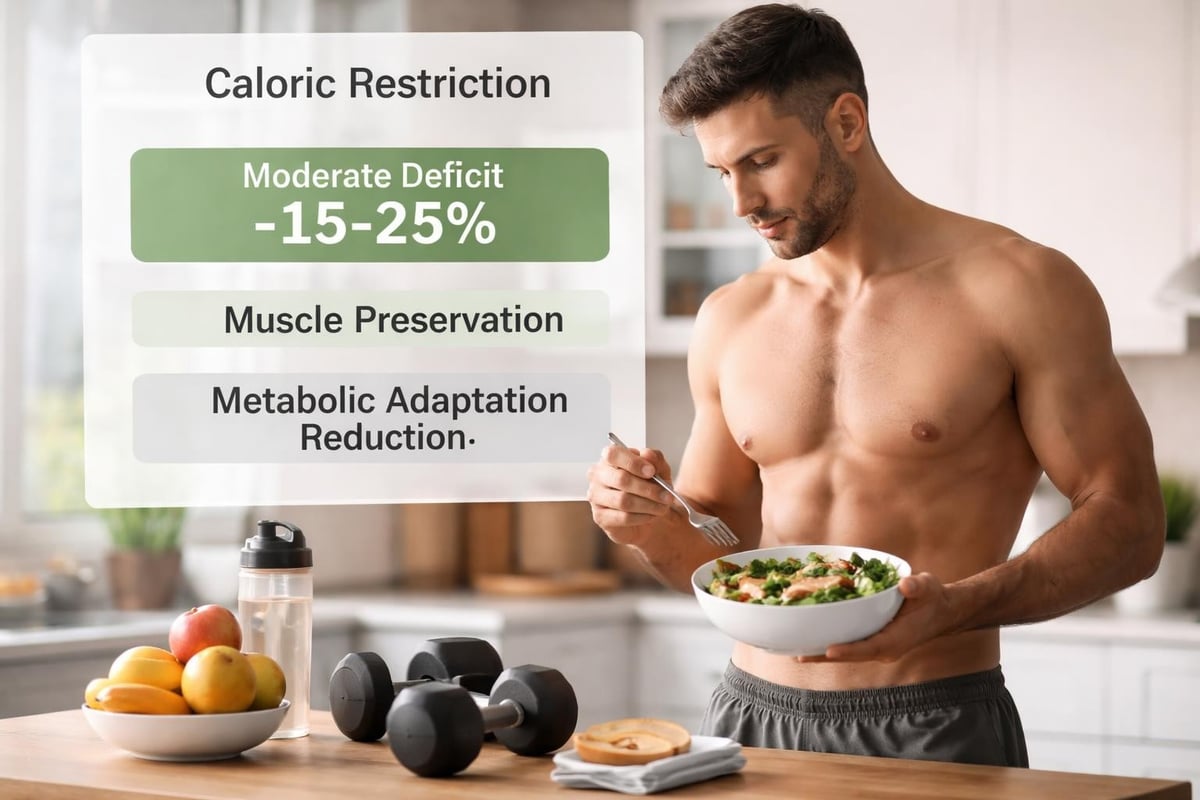
Once you establish baseline needs, reduce intake by 15 to 25 percent. More aggressive deficits increase muscle loss risk and trigger metabolic compensation.
The Importance of Diet Breaks
Continuous caloric restriction triggers adaptive responses that slow fat loss. Implementing strategic diet breaks every six to eight weeks helps maintain metabolic rate.
During these periods, increase calories to maintenance levels for one to two weeks. This approach, supported by research on the best weight loss diets for men, restores hormone levels and psychological willpower.
Sample Meal Structures for Male Fat Loss
Practical meal planning transforms nutritional theory into daily action. These examples demonstrate how to structure eating patterns within an effective fat loss diet plan for male participants.
High-Protein Breakfast Options
Starting the day with substantial protein reduces overall calorie intake and improves satiety:
- Four-egg omelet with vegetables and one ounce cheese
- Greek yogurt parfait with berries and almond butter
- Protein pancakes made with oats and egg whites
- Smoked salmon with avocado on whole grain toast
Each option provides 25 to 35 grams of protein while keeping calories moderate.
Balanced Lunch Combinations
Midday meals should balance all three macronutrients:
- Grilled chicken breast with quinoa and roasted vegetables
- Turkey and avocado wrap with mixed greens
- Salmon salad with olive oil dressing and sweet potato
- Lean beef stir-fry with brown rice and broccoli
These meals provide sustained energy without causing afternoon crashes that trigger snacking.
Strategic Dinner Planning
Evening meals within a structured fat loss meal plan should emphasize protein and vegetables:
- Grass-fed steak with asparagus and cauliflower rice
- Baked cod with Brussels sprouts and small serving of wild rice
- Chicken thighs with Mediterranean salad and chickpeas
- Pork tenderloin with green beans and roasted peppers
Limiting heavy carbohydrates at dinner helps many men control total daily intake and improve sleep quality.
Addressing Common Male Fat Loss Challenges
Men encounter specific obstacles when implementing nutritional changes. Understanding these patterns helps create sustainable solutions.
Managing Work-Related Eating
Professional demands often interfere with consistent meal timing and quality choices. Preparation becomes essential for success.
Workplace nutrition strategies:
- Meal prep on weekends for the entire week
- Keep protein-rich snacks at the office
- Choose restaurants with healthy options for business meals
- Use time-blocking to schedule regular eating intervals
Building systems removes decision fatigue and reduces reliance on willpower alone.
Social Situations and Alcohol
Social commitments involving food and drinks present frequent challenges. Men who develop flexible strategies maintain progress without social isolation.
Before events, eat a protein-rich meal to reduce hunger. Choose clear spirits with calorie-free mixers instead of beer or sugary cocktails. Budget calories throughout the day to accommodate planned indulgences without derailing weekly progress.
Managing Stress-Related Eating
Neurological responses to stress often trigger overeating, particularly of high-calorie comfort foods. Traditional willpower approaches fail because they ignore the underlying brain patterns driving these behaviors.
Men experiencing chronic work stress, relationship challenges, or financial pressure need tools that address both nutrition and neural programming. Recognizing emotional eating triggers represents the first step toward developing healthier coping mechanisms.

Low-Carb and Ketogenic Approaches
Some men achieve excellent results with low-carb and ketogenic diet protocols that dramatically reduce carbohydrate intake while increasing fat consumption.
Ketogenic Diet Fundamentals
Ketogenic eating restricts carbohydrates to 20 to 50 grams daily, forcing the body to use fat for primary fuel through ketone production.
Potential benefits for male fat loss:
- Rapid initial weight loss from water and glycogen depletion
- Appetite suppression from elevated ketone levels
- Improved insulin sensitivity
- Mental clarity for some individuals
However, ketogenic diets require careful planning to ensure adequate micronutrient intake and may impair high-intensity exercise performance.
Modified Low-Carb Protocols
Less extreme approaches reduce carbohydrates to 75 to 150 grams daily while maintaining moderate protein and fat intake. These protocols often provide similar fat loss results with better adherence and fewer side effects.
Men who train intensively may find modified low-carb approaches more sustainable than strict ketogenic eating.
Meal Timing and Frequency Considerations
The timing and frequency of meals influences hunger management, energy levels, and adherence to any fat loss diet plan for male transformation goals.
Intermittent Fasting Protocols
Many men successfully implement intermittent fasting by restricting eating to specific daily windows, typically eight hours with sixteen hours of fasting.
Common approaches include skipping breakfast and consuming meals between noon and 8:00 PM. This pattern often reduces total calorie intake naturally while simplifying meal planning.
Research suggests intermittent fasting may enhance fat oxidation and improve metabolic markers in men, though individual responses vary significantly.
Traditional Meal Frequency
Others achieve better results with four to six smaller meals distributed throughout the day. This approach maintains stable blood sugar and prevents extreme hunger that triggers overeating.
Neither strategy demonstrates clear superiority for fat loss. The optimal approach depends on individual preferences, schedule constraints, and behavioral patterns. Practical balanced daily menus can be structured around either frequency pattern.
Supplement Considerations for Enhanced Results
While whole foods should form the nutritional foundation, specific supplements may support male fat loss efforts.
Protein Powder
Whey or plant-based protein powders offer convenient options for meeting daily protein targets. They work particularly well as post-workout nutrition or quick meal replacements during busy periods.
Choose minimally processed options without excessive added sugars or artificial ingredients.
Micronutrient Support
Caloric restriction may create nutritional gaps. A quality multivitamin ensures adequate vitamin and mineral intake during fat loss phases.
Vitamin D, magnesium, and zinc deserve particular attention for men, as these nutrients support testosterone production and metabolic function.
Performance and Fat Loss Aids
Caffeine enhances workout performance and slightly increases metabolic rate. Creatine monohydrate supports strength maintenance during caloric deficits.
Other supplements marketed for fat loss generally lack compelling evidence or provide minimal effects compared to fundamental nutrition and training consistency.
The Neuroscience Connection to Sustainable Fat Loss
Traditional fat loss diet plans for male participants often fail because they ignore the neurological patterns controlling food choices. Your brain operates through established neural pathways that automate eating behaviors, making conscious dietary changes feel like constant battles against ingrained programming.
How Neural Patterns Influence Eating
Every repeated behavior strengthens specific brain connections. When stress triggers snacking, reward centers activate and reinforce that pattern. Over time, these responses become automatic, operating below conscious awareness.
Calorie counting and meal planning address symptoms rather than causes. Without changing underlying neural programming, old patterns eventually reassert themselves, leading to weight regain.
Retraining Your Brain for Effortless Change
Emerging neuroscience reveals that targeted interventions can reprogram subconscious eating patterns. When you modify neural pathways at their source, healthy choices become automatic rather than requiring constant willpower.
This approach combines behavioral psychology principles with specific techniques that access subconscious programming. Rather than fighting cravings through restriction, you eliminate them by changing how your brain responds to triggers.
Men who address both nutrition and neuroscience create synergistic effects. The physical benefits of proper eating combine with psychological ease, producing sustainable transformations instead of temporary results.
Tracking Progress Beyond the Scale
Body weight fluctuates daily due to water retention, glycogen stores, and digestive contents. Effective monitoring uses multiple metrics to assess true fat loss.
Comprehensive Measurement Strategies
Track these indicators weekly:
- Body weight first thing in the morning
- Waist circumference at navel level
- Progress photos from front, side, and back angles
- Strength performance on key exercises
- How clothing fits around the waist and chest
These combined metrics reveal fat loss trends even when scale weight temporarily stalls.
Adjusting Based on Results
Review progress every two to three weeks. If fat loss stalls for more than two consecutive weeks despite consistent adherence, reduce calories by an additional 200 to 300 per day or increase activity expenditure.
Conversely, if energy levels plummet or strength decreases significantly, slightly increase calories to support recovery and metabolic health.
Building Long-Term Dietary Habits
Sustainable fat loss requires developing permanent behavioral changes rather than following temporary diet plans. The transition from active fat loss to maintenance determines long-term success.
Gradual Reverse Dieting
After reaching target body composition, slowly increase calories back toward maintenance levels. Add 100 to 200 calories weekly while monitoring weight stability.
This gradual approach allows metabolic adaptation and prevents rapid fat regain that occurs with abrupt dietary changes.
Establishing Flexible Eating Patterns
Perfect adherence proves impossible to maintain indefinitely. Successful long-term weight management incorporates flexibility while maintaining overall nutritional quality.
The 80/20 principle allows 80 percent of calories from nutrient-dense whole foods while permitting 20 percent from treats and less optimal choices. This balance maintains results while supporting psychological sustainability.
Creating Environmental Support
Your physical environment significantly influences eating behaviors. Stock your home with healthy options and remove tempting processed foods. Establish routines around meal preparation and eating times.
Social support from family, friends, or online communities reinforces commitment during challenging periods. Share your goals with supportive individuals who respect your health priorities.
Effective male fat loss combines strategic nutrition with an understanding of the brain-based patterns that drive eating behaviors. While macronutrient balance, caloric deficits, and meal timing provide the physiological foundation, addressing the neurological programming behind food choices creates lasting transformation. Rather than relying on willpower alone, Oneleaf helps you reprogram your subconscious mind in just 10 minutes daily, making healthy choices automatic and effortless. When you change your brain, your body follows naturally-start your transformation today.