Creating satisfying evening meals that support your weight loss goals doesn't require complicated recipes or restrictive diets. The secret lies in understanding how your food choices impact your brain chemistry and hunger signals. When you focus on nutrient-dense ingredients and balanced portions, healthy dinners for weight loss become an opportunity to retrain your mind and body to crave what truly nourishes you. This approach transforms your evening meal from a source of stress into a sustainable habit that feels natural and enjoyable.
The Neuroscience Behind Evening Eating
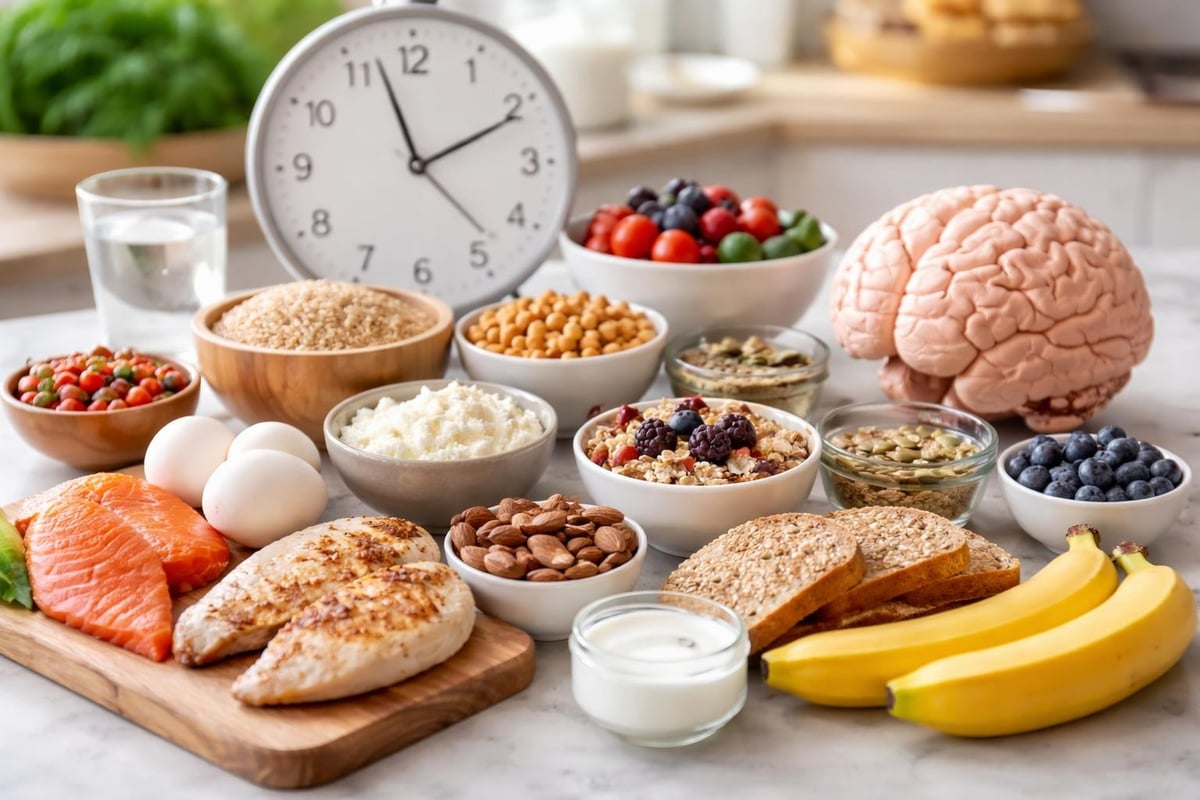
Your brain processes dinner differently than any other meal of the day. Evening hours typically bring higher stress levels and lower willpower reserves, making this the most challenging time to make conscious food choices.
The prefrontal cortex, responsible for decision-making and impulse control, shows reduced activity after a full day of work and responsibilities. This neurological fatigue explains why so many people struggle with evening overeating or reaching for convenient, less nutritious options.
Understanding these brain patterns helps you design meals that work with your neuroscience, not against it:
- Protein-rich dinners increase dopamine production, improving satisfaction signals
- Complex carbohydrates boost serotonin levels, reducing stress-driven cravings
- Regular eating schedules strengthen neural pathways that automate healthy choices
- Mindful eating practices activate the parasympathetic nervous system, improving digestion
When you prepare healthy dinners for weight loss with brain chemistry in mind, you're not just feeding your body. You're reprogramming the subconscious patterns that determine what you want to eat tomorrow and next week.
Building Your Ideal Weight Loss Dinner Plate
The composition of your dinner plate directly influences how satisfied you feel and how quickly hunger returns. Research shows that balanced meals containing specific ratios of macronutrients create lasting satiety while supporting metabolic health.
The Protein Foundation
Start with a palm-sized portion of lean protein as your anchor. Protein requires more energy to digest than other macronutrients, and it signals fullness hormones more effectively than carbohydrates or fats.
Excellent protein choices include:
- Grilled chicken breast seasoned with herbs
- Wild-caught salmon rich in omega-3 fatty acids
- Grass-fed lean beef in moderate portions
- Turkey tenderloin marinated in citrus
- Firm tofu or tempeh for plant-based meals
- White fish like cod or halibut
Each protein source brings unique benefits. Salmon provides healthy fats that support brain function and reduce inflammation. Chicken offers versatility and affordability. Plant-based proteins deliver fiber alongside protein, creating even stronger satiety signals.
Vegetable Volume Strategy
Fill half your plate with non-starchy vegetables to maximize nutrient density while managing calorie intake. Vegetables provide fiber that slows digestion, stabilizes blood sugar, and feeds beneficial gut bacteria that influence weight regulation.
The variety of colors on your plate indicates different phytonutrients that support cellular health. Dark leafy greens offer magnesium for stress management. Cruciferous vegetables contain compounds that support hormone balance. Colorful peppers and tomatoes provide antioxidants that reduce inflammation.
Consider preparing vegetables using methods that enhance both flavor and nutrient absorption. Roasting caramelizes natural sugars and intensifies taste without added calories. Light sautéing in olive oil improves absorption of fat-soluble vitamins. Raw preparations in salads preserve heat-sensitive nutrients and add satisfying crunch.
Smart Carbohydrate Selection
Complete your plate with a fist-sized portion of complex carbohydrates that provide sustained energy without blood sugar spikes. This portion size supports brain function while maintaining the calorie deficit needed for weight loss.
Quality carbohydrate sources for healthy dinners for weight loss include quinoa, sweet potatoes, brown rice, wild rice, and legumes. These foods contain fiber and resistant starch that feed beneficial gut bacteria, improving the gut-brain axis that influences appetite regulation.
Timing matters when it comes to carbohydrate consumption. Evening carbohydrates can support better sleep by increasing serotonin production, which converts to melatonin. Quality sleep directly impacts leptin and ghrelin, the hormones that control hunger and fullness the following day.
Five Dinner Formulas That Accelerate Results
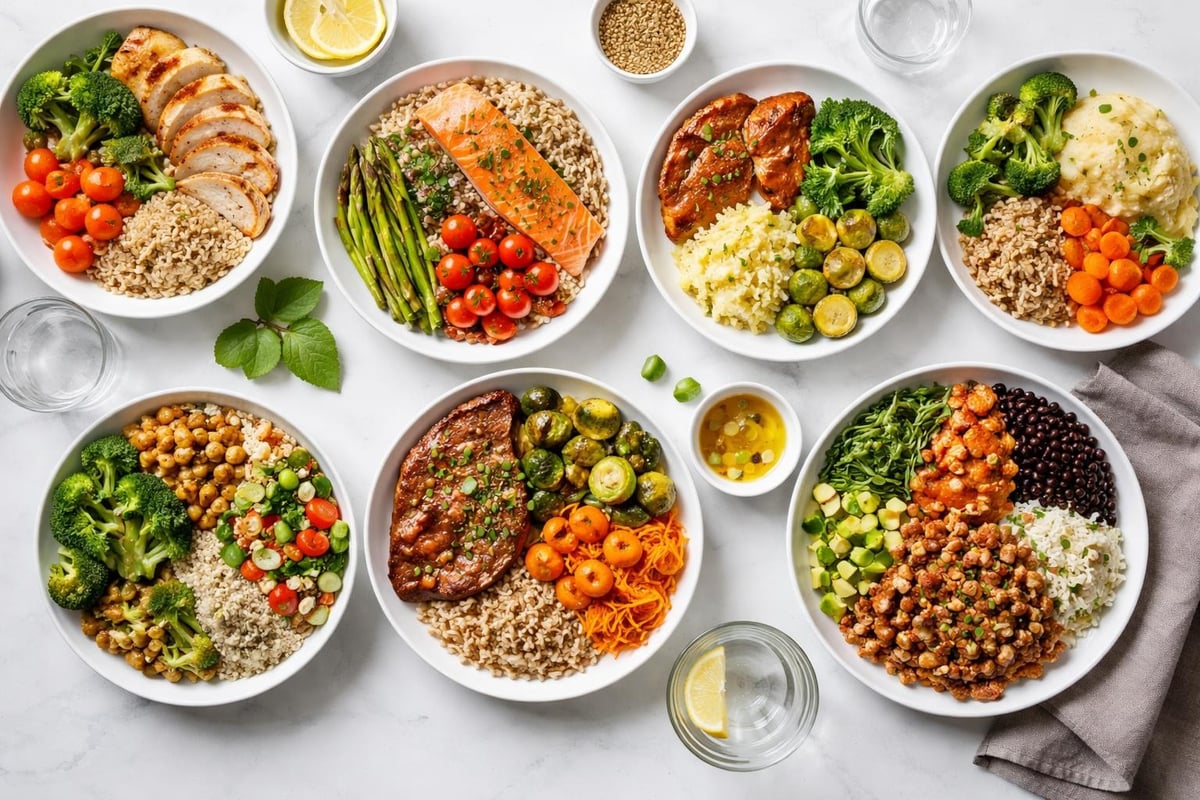
Creating variety prevents boredom while maintaining the nutritional balance that supports sustainable weight loss. These formulas provide structure without rigidity, allowing you to adapt based on preferences and available ingredients.
Mediterranean Bowl Formula
This approach combines the brain-healthy fats and anti-inflammatory properties of Mediterranean eating patterns. Research consistently shows that Mediterranean-style diets support both weight loss and cognitive function.
Build your bowl with a base of mixed greens, add grilled chicken or chickpeas, include roasted vegetables like zucchini and bell peppers, top with a small portion of quinoa, and finish with olives, feta cheese, and a lemon-tahini dressing. The healthy fats from olives and tahini increase satisfaction while supporting hormone production.
Asian-Inspired Stir-Fry Formula
Stir-fries offer endless customization while maintaining the quick-cooking method that preserves nutrients. The high heat and minimal cooking time create flavorful meals without excessive oil.
Select a lean protein, choose three to four colorful vegetables, add aromatics like garlic and ginger that boost metabolism, include a small portion of brown rice or rice noodles, and season with low-sodium soy sauce, rice vinegar, and sesame oil. This combination provides volume and satisfaction with controlled calories.
Sheet Pan Simplicity Formula
Meal prepping for weight loss becomes effortless when you master sheet pan dinners. This method requires minimal cleanup while allowing you to prepare multiple servings simultaneously.
Arrange your protein of choice on one side of the pan, surround it with chopped vegetables that roast well like Brussels sprouts, broccoli, and cauliflower, drizzle everything with olive oil and seasonings, and roast at 400°F until golden. The hands-off cooking method reduces the mental effort required, supporting consistent healthy choices even on busy evenings.
Soup and Salad Pairing Formula
This combination provides high volume with lower calorie density, perfect for those evenings when hunger feels particularly strong. The liquid content of soup triggers stretch receptors in your stomach, signaling fullness before you've consumed many calories.
Prepare a broth-based soup loaded with vegetables and lean protein, pair it with a large mixed green salad containing nuts or seeds for healthy fats, and include a light vinaigrette rather than creamy dressing. The two-component meal extends eating time, allowing satiety hormones to reach your brain before overeating occurs.
Deconstructed Burrito Bowl Formula
Transform traditional heavy Mexican food into a nutrient-dense dinner that satisfies comfort food cravings without derailing progress. This formula proves that healthy dinners for weight loss can still feel indulgent.
Layer cauliflower rice or a small portion of brown rice, add seasoned ground turkey or black beans, top with fajita vegetables, include fresh pico de gallo and guacamole in measured portions, and finish with a squeeze of lime and cilantro. The bold flavors satisfy your palate while the balanced nutrition supports your goals.
Portion Control Without Measuring
Developing intuitive portion awareness eliminates the need for constant measuring and tracking, which research shows becomes unsustainable for most people long-term. Your brain can learn to recognize appropriate portions through consistent practice and mindful attention.
Use these visual cues to build properly portioned plates:
- Protein: palm of your hand (thickness and circumference)
- Complex carbohydrates: your clenched fist
- Healthy fats: your thumb
- Non-starchy vegetables: both hands cupped together
These hand-based measurements automatically adjust to your body size, providing personalized portions without calculations. Over time, your subconscious mind memorizes these proportions, making appropriate serving sizes feel automatic and natural.
The speed at which you eat significantly impacts portion control. Eating slowly allows time for cholecystokinin, the primary satiety hormone, to signal your brain that you've had enough. This process takes approximately 20 minutes from the first bite.
Create environmental cues that promote slower eating. Use smaller plates that make portions appear larger. Put your fork down between bites. Engage in conversation during meals. These simple strategies work with your brain's visual and temporal processing to enhance satisfaction with less food.
Meal Timing and Metabolic Optimization
When you eat dinner matters almost as much as what you eat. Your body's circadian rhythms influence how efficiently you metabolize different nutrients throughout the day.
Research on time-restricted eating shows that consuming calories earlier in the day aligns with natural cortisol and insulin patterns. Eating dinner at least three hours before bedtime allows for proper digestion and helps maintain the overnight fasting period that supports cellular repair and fat oxidation.
Late-night eating disrupts these natural rhythms. When you eat close to bedtime, your body prioritizes digestion over cellular cleanup processes. This shift can impair sleep quality, which then affects hunger hormones the following day, creating a cycle that works against weight loss.
If your schedule requires later dinners, focus on lighter, easily digestible options. Choose fish over red meat, emphasize vegetables over starches, and keep portions moderate. Your body will thank you with better sleep and more consistent energy the next morning.
Flavor Without Extra Calories
One common misconception about healthy dinners for weight loss is that they must be bland or boring. The opposite is true when you understand how to build complex flavors using herbs, spices, and cooking techniques.
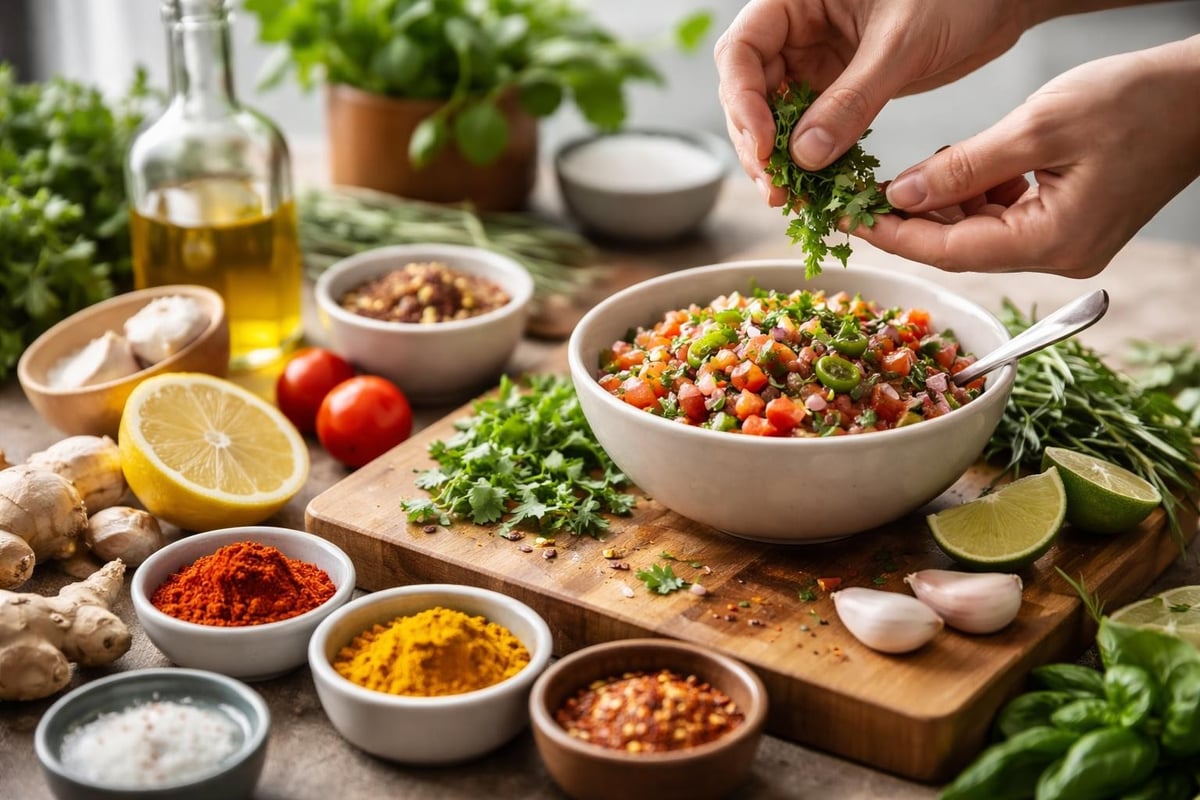
Fresh herbs like basil, cilantro, parsley, and dill add bright flavors without any calories. Dried spices such as cumin, smoked paprika, turmeric, and coriander create depth and can even boost metabolism slightly through their thermogenic properties.
Acidic ingredients transform simple dishes into restaurant-quality meals. Lemon juice, lime juice, and various vinegars brighten flavors and reduce the need for salt or sugar. A splash of acid at the end of cooking makes vegetables more appealing and proteins more dynamic.
Master these flavor-building techniques:
- Toast spices in a dry pan before adding to dishes
- Use citrus zest along with juice for concentrated flavor
- Add fresh herbs at the end of cooking to preserve their brightness
- Incorporate umami-rich ingredients like tomato paste, mushrooms, or miso
- Brown proteins properly to develop caramelized flavors
These methods prove that eating for weight loss doesn't mean sacrificing enjoyment. When your meals taste delicious, your brain creates positive associations with healthy eating, strengthening the neural pathways that make these choices feel natural and effortless over time. This is explored further in our article on how to make healthy food taste good.
Strategic Meal Preparation Systems
Consistency matters more than perfection when creating lasting weight loss results. The most nutritious dinner plan fails if you can't execute it regularly. Strategic preparation removes decision fatigue and reduces the temptation to choose convenient, less healthy options.
Batch Cooking Proteins
Dedicate one or two sessions per week to preparing multiple protein portions. Grill several chicken breasts at once, roast a large piece of salmon that provides three to four servings, or cook a batch of turkey meatballs that reheat perfectly.
Properly stored proteins last four to five days in the refrigerator, giving you flexibility throughout the week. This system means you always have the foundation of a healthy meal ready, requiring only fresh vegetables and a carbohydrate source to complete your plate.
Vegetable Prep Shortcuts
Washing, chopping, and storing vegetables in advance dramatically reduces dinner preparation time. Many vegetables maintain quality for several days when stored properly in airtight containers with paper towels to absorb excess moisture.
Invest 30 minutes on Sunday preparing bell peppers, broccoli, cauliflower, zucchini, and leafy greens. This small time investment pays dividends all week, making it easier to include adequate vegetable portions at every meal. A well-structured meal plan often includes this type of preparation strategy.
Sauce and Dressing Foundations
Homemade sauces and dressings transform simple ingredients into exciting meals while controlling added sugars and unhealthy fats found in commercial products. Most homemade versions stay fresh for one to two weeks in the refrigerator.
Prepare a lemon-herb vinaigrette, a ginger-sesame sauce, a Greek yogurt-based ranch, and a simple tomato sauce with garlic and herbs. Having these options ready means you can create variety without extra effort during busy weeknights.
Dining Out While Maintaining Progress
Social meals and restaurant dining don't have to derail your weight loss journey. Understanding menu navigation and making strategic choices allows you to enjoy these experiences while continuing to move toward your goals.
Most restaurants serve portions two to three times larger than appropriate serving sizes. Request a to-go container when your meal arrives and immediately portion half for tomorrow's lunch. This simple action removes the temptation to clear your plate out of habit rather than hunger.
Focus on menu items that emphasize vegetables and lean proteins. Grilled, baked, or roasted preparations typically contain fewer hidden calories than fried or sautéed options. Ask for sauces and dressings on the side so you control the amount consumed.
Apply these restaurant strategies:
- Start with a vegetable-based appetizer or salad to begin filling up on nutrient-dense foods
- Skip the bread basket or chips to avoid mindless eating before your meal arrives
- Choose water or unsweetened beverages instead of caloric drinks
- Ask questions about preparation methods and request modifications
- Eat slowly and check in with your hunger levels throughout the meal
The goal isn't perfection but rather making the best available choice in each situation. Your brain learns from every decision, gradually building preferences for options that support your wellbeing. For more guidance, explore resources on healthy dinner options for weight loss.
Addressing Common Dinner Challenges
Real life presents obstacles that can disrupt even the most well-intentioned meal plans. Preparing for these challenges with specific strategies prevents temporary setbacks from becoming permanent derailments.
Managing Family Preferences
Cooking for a family with different tastes and needs requires creativity but remains completely achievable. The key lies in creating a flexible base that accommodates customization.
Prepare a protein and vegetables that everyone enjoys, then offer multiple carbohydrate options or toppings that satisfy different preferences. Build-your-own dinner formats like taco bars or grain bowls allow each person to create their ideal combination while you maintain your healthy dinners for weight loss approach.
Dealing With Time Constraints
Busy schedules often lead to takeout or convenience foods that don't align with your goals. Combat this by keeping emergency meal components on hand for those especially chaotic evenings.
Stock your freezer with pre-portioned proteins, frozen vegetables that cook quickly, and pre-cooked whole grains. A nutritious meal can come together in 15 minutes when you have these foundations ready. Additionally, consider one-pot meals like chili, curry, or stew that require minimal hands-on time.
Overcoming Evening Hunger
Strong hunger in the evening often results from inadequate nutrition earlier in the day. If you consistently arrive home ravenous, examine your breakfast and lunch choices. Insufficient protein or long gaps between meals create blood sugar crashes that trigger intense cravings.
While addressing daytime eating, manage evening hunger by keeping cut vegetables and hummus readily available. Eating something nutritious immediately upon arriving home prevents impulsive decisions driven by extreme hunger. This small buffer gives you time to prepare a proper meal without making choices you'll regret.
Weekend Meal Strategies
Weekends present different challenges and opportunities compared to weekday routines. The lack of structure can either support creativity and enjoyment or lead to overeating and poor choices, depending on your approach.
Use weekend dinners as opportunities to try new recipes or techniques that require more time. Experimenting with healthy recipes for weight loss keeps your meal rotation interesting and builds cooking skills that make healthy eating more sustainable.
Consider weekend batch cooking that sets you up for success during the busy week ahead. Spending an hour or two preparing components or complete meals eliminates the weekday stress of dinner decisions. This investment in weekend time creates ease and consistency when you need it most.
Balance indulgence with nutrition by applying the 80/20 principle. If 80 percent of your meals follow your healthy guidelines, the remaining 20 percent can include more flexibility for social occasions or favorite foods. This approach prevents the restrictive mindset that often leads to rebellion and binge eating.
The Psychology of Sustainable Change
Long-term weight loss success depends less on perfect execution and more on consistent, sustainable habits. Your brain forms new neural pathways through repetition, making healthy choices increasingly automatic over time.
Each time you choose a nutritious dinner over a less healthy option, you strengthen the neural circuits associated with that decision. Eventually, these pathways become so well-established that healthy choices feel easier and more natural than poor ones. This process requires patience but creates permanent change rather than temporary willpower.
Perfectionism undermines this learning process. When you label meals as good or bad, successes or failures, you create an all-or-nothing mentality that leads to giving up after perceived mistakes. Instead, view each meal as data that informs your next choice. What worked well? What would you adjust next time? This growth mindset supports continuous improvement without judgment.
Environmental design significantly impacts your dinner decisions. Keep healthy ingredients visible and accessible while storing less nutritious options out of sight. Use smaller plates and bowls that make appropriate portions appear more substantial. These subtle changes work with your subconscious decision-making processes rather than requiring constant willpower. Our article on healthy habits for weight loss explores this concept further.
Building Your Personal Dinner Blueprint
The most effective approach to healthy dinners for weight loss combines evidence-based nutrition principles with your unique preferences, schedule, and lifestyle. Cookie-cutter meal plans fail because they ignore individual differences that determine long-term sustainability.
Start by identifying five to seven dinner combinations that you genuinely enjoy and can prepare consistently. These become your foundation meals, the reliable options you turn to during busy weeks or when decision fatigue hits. Rotate these regularly to prevent boredom while maintaining the consistency your brain needs to form lasting habits.
Gradually expand your repertoire by trying one new recipe or ingredient each week. This measured approach prevents overwhelm while continually building your skills and options. Over months, you develop an extensive collection of go-to meals that support your goals without feeling repetitive or restrictive.
Track patterns rather than calories to identify what works best for your body and brain. Notice which dinner combinations keep you satisfied until morning versus those that trigger evening snacking. Pay attention to how different foods affect your energy, sleep quality, and next-day hunger. This self-awareness creates personalized knowledge that no generic meal plan can provide.
Remember that changing your relationship with food happens gradually through repeated positive experiences, not through force or restriction. When you approach healthy dinners for weight loss with curiosity and self-compassion rather than rigid rules, you create space for sustainable transformation that extends far beyond the dinner plate.
Creating nourishing evening meals that support your weight loss goals becomes simpler when you understand the neuroscience behind your food choices and build systems that make healthy decisions effortless. The strategies outlined above provide a comprehensive framework for transforming dinner from a daily challenge into an opportunity for sustainable progress. If you're ready to change your relationship with food at its source, Oneleaf offers a neuroscience-based approach that reprograms your subconscious mind in just 10 minutes a day, making healthy choices feel natural and automatic without relying on willpower or restriction.