Weight loss doesn't require extreme restriction or complicated meal plans. The secret often lies in choosing foods that naturally satisfy your hunger, regulate your appetite, and support your body's metabolic processes. High fiber foods for weight loss offer exactly these benefits, helping you feel fuller longer while providing essential nutrients that keep your metabolism functioning optimally. Understanding which foods deliver the most fiber and how to incorporate them into your daily routine can transform your approach to weight management without triggering the stress response that comes with traditional dieting.
Understanding the Weight Loss Benefits of Dietary Fiber
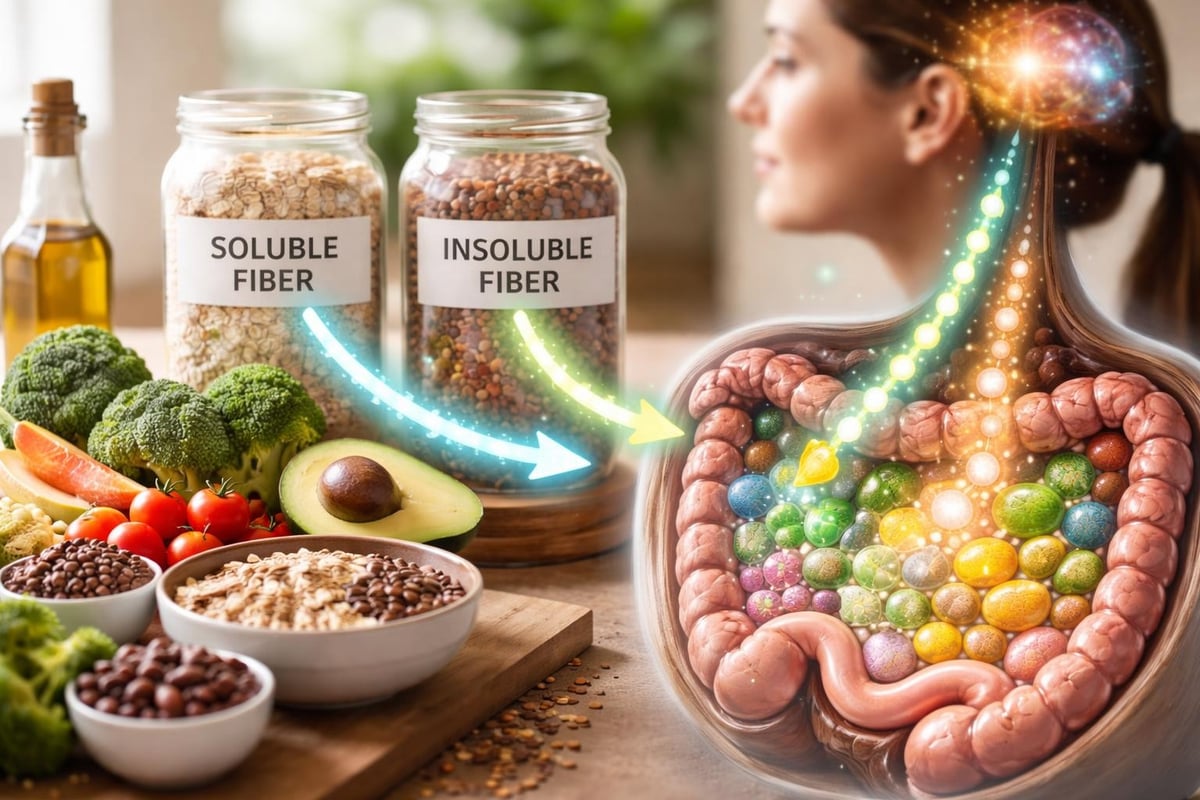
Fiber acts as a natural appetite suppressant by expanding in your stomach and slowing digestion. This mechanical process sends satiety signals to your brain, reducing the urge to overeat. When you consume high-fiber foods regularly, you're essentially programming your body to feel satisfied with appropriate portions.
Beyond simple fullness, fiber influences hormones that regulate hunger and metabolism. Soluble fiber forms a gel-like substance in your digestive tract that slows the absorption of sugar, preventing the blood glucose spikes that trigger cravings and energy crashes. This steady energy release helps your brain maintain stable decision-making capacity around food choices.
The gut microbiome responds powerfully to fiber intake. Beneficial bacteria ferment fiber into short-chain fatty acids that reduce inflammation, improve insulin sensitivity, and even influence the production of appetite-regulating hormones like GLP-1 and peptide YY. This neurochemical feedback loop between your gut and brain creates a natural foundation for sustainable weight management.
The Two Types of Fiber and Their Roles
Soluble fiber dissolves in water to create a viscous gel that:
- Slows stomach emptying
- Reduces cholesterol absorption
- Stabilizes blood sugar levels
- Feeds beneficial gut bacteria
- Creates lasting satiety
Insoluble fiber doesn't dissolve but adds bulk that:
- Promotes regular bowel movements
- Prevents constipation
- Speeds food transit through digestive system
- Reduces calorie absorption efficiency
- Creates mechanical fullness
Most plant foods contain both types, though ratios vary. Research from Harvard Health demonstrates that combining both fiber types throughout the day maximizes weight loss benefits while supporting overall metabolic health.
Top High Fiber Foods for Weight Loss
Building your meals around fiber-rich whole foods creates natural portion control without requiring constant willpower. The following categories offer the highest fiber density per calorie, making them ideal choices for sustainable weight reduction.
Legumes and Pulses
Lentils lead the category with 15.6 grams of fiber per cooked cup. Red, green, and black varieties all provide comparable benefits while offering diverse flavors and textures. Their protein content adds another satiety dimension, making them particularly effective for weight loss efforts.
Black beans deliver 15 grams per cup along with resistant starch that further reduces calorie absorption. The combination creates a powerful effect on appetite regulation that lasts for hours after eating.
Split peas contribute 16.3 grams per cooked cup, making them one of the most fiber-dense foods available. Their versatility in soups, stews, and side dishes makes daily consumption practical and enjoyable.
Key legume options:
- Chickpeas: 12.5g per cup
- Navy beans: 19.1g per cup
- Lima beans: 13.2g per cup
- Kidney beans: 11.3g per cup
Whole Grains and Ancient Grains
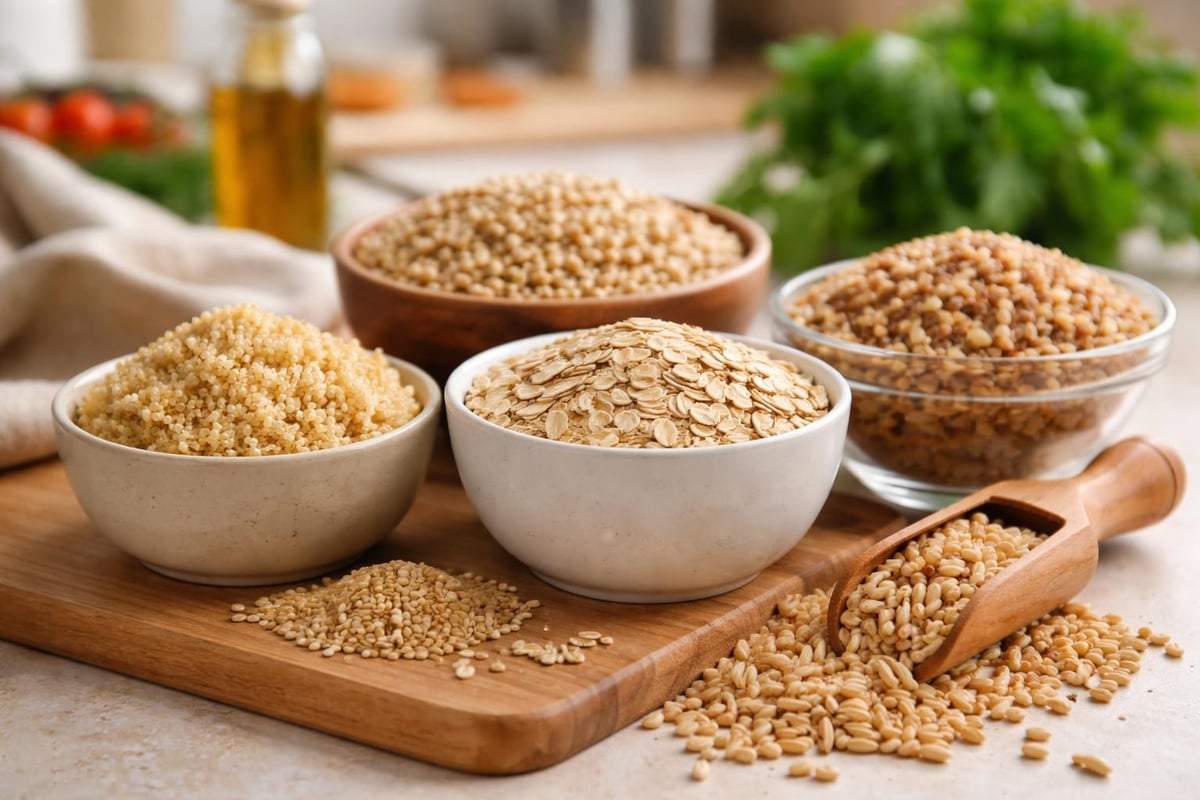
Steel-cut oats provide 8 grams of fiber per cooked cup, with beta-glucan fiber particularly effective at reducing cholesterol and controlling appetite. The slow-cooking variety retains more fiber than instant versions.
Quinoa offers 5.2 grams per cooked cup along with complete protein, creating a satisfying base for meals that supports weight management goals. Its mild flavor adapts to both sweet and savory preparations.
Barley contains 6 grams per cooked cup and has demonstrated particular effectiveness in reducing belly fat in multiple studies. Pearl barley works well in soups while hulled barley retains even more fiber.
Additional grain choices:
- Bulgur wheat: 8.2g per cup
- Wild rice: 6.5g per cup
- Buckwheat: 4.5g per cup
- Farro: 7.8g per cup
Vegetables High in Fiber
Artichokes top the vegetable category with 10.3 grams in one medium artichoke. Their preparation requires effort, but the payoff in both flavor and fiber makes them worthwhile for special meals.
Brussels sprouts deliver 4 grams per cooked cup while providing compounds that support liver detoxification. Roasting them brings out natural sweetness that makes regular consumption appealing.
Broccoli contributes 5.1 grams per cooked cup along with sulforaphane and other beneficial plant compounds. The combination of fiber and phytonutrients supports both weight loss and overall metabolic health.
Fiber-rich vegetable options:
- Carrots: 4.6g per cup (cooked)
- Beets: 3.8g per cup
- Sweet potatoes: 6.6g per medium potato
- Spinach: 4.3g per cup (cooked)
- Kale: 2.6g per cup (raw)
Fruits for Fiber and Weight Loss
Raspberries lead with an impressive 8 grams per cup, making them the most fiber-dense fruit available. Their low sugar content relative to fiber makes them ideal for weight management.
Pears provide 5.5 grams per medium fruit when eaten with the skin. The skin contains most of the fiber, so peeling reduces benefits significantly.
Avocados offer 10 grams per fruit along with healthy fats that enhance nutrient absorption and create lasting satiety. Their unique nutrient profile makes them valuable despite higher calorie content.
Top fruit choices:
- Apples: 4.4g per medium apple (with skin)
- Blackberries: 7.6g per cup
- Figs: 1.5g per fig
- Oranges: 3.1g per medium orange
Nuts, Seeds, and High-Fiber Snacks
Chia seeds pack 10.6 grams into just two tablespoons. They absorb liquid to form a gel that expands in your stomach, creating substantial fullness from a small serving.
Flaxseeds contribute 7.6 grams per quarter cup along with omega-3 fatty acids. Grinding them improves digestibility and nutrient absorption.
Almonds deliver 3.5 grams per ounce while providing protein and healthy fats. Their combination of nutrients makes them particularly effective at reducing between-meal hunger.
Additional options:
- Sunflower seeds: 3.9g per quarter cup
- Pistachios: 2.9g per ounce
- Pumpkin seeds: 1.9g per ounce
- Hemp seeds: 1.2g per tablespoon
Creating a High-Fiber Meal Plan for Weight Loss
Strategic meal planning ensures you consistently reach the recommended 25-38 grams daily while enjoying varied, satisfying foods. Building each meal around a fiber foundation creates natural portion control that doesn't require constant monitoring.
Breakfast Strategies
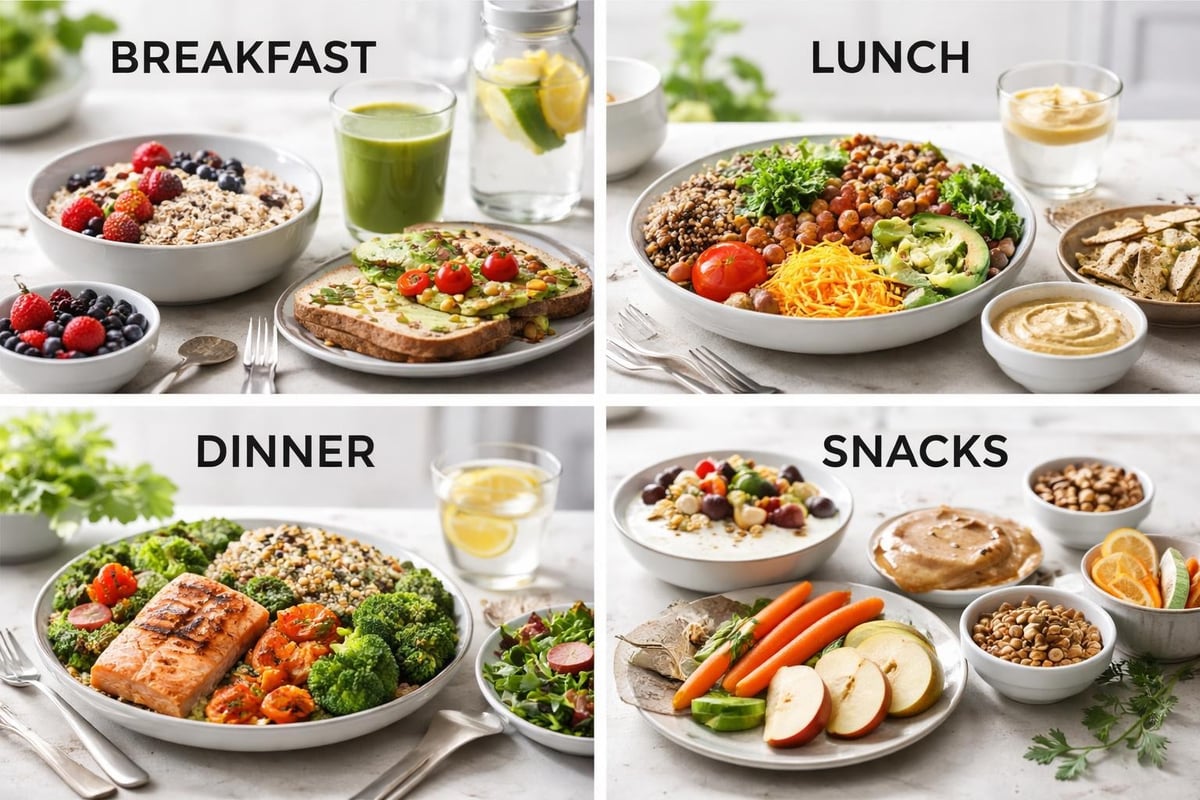
Start with steel-cut oats topped with berries and ground flaxseed. This combination delivers 15+ grams of fiber before noon while stabilizing blood sugar for hours.
Alternative breakfast options include:
- Whole grain toast with avocado and chia seeds
- Greek yogurt with sliced pear and almonds
- Smoothie with spinach, banana, berries, and hemp seeds
- Buckwheat pancakes with blackberry compote
The key involves combining multiple fiber sources rather than relying on a single food. This approach maximizes both total fiber intake and the diversity of beneficial compounds.
Lunch Combinations
Build lunch around legumes or whole grains as the foundation. A quinoa bowl with black beans, roasted vegetables, and pumpkin seeds can easily provide 20 grams of fiber.
High-fiber lunch templates:
- Lentil soup with whole grain bread and side salad
- Chickpea salad with vegetables on mixed greens
- Barley risotto with mushrooms and Brussels sprouts
- Three-bean chili with sweet potato
Each template allows infinite variations based on seasonal availability and personal preferences while maintaining high fiber density.
Dinner Planning
Evening meals should emphasize vegetables while including a fiber-rich grain or legume. Roasted vegetables over farro with a side of braised white beans creates satisfaction without heaviness.
Consider these dinner frameworks:
- Stir-fried vegetables with tofu over brown rice
- Baked salmon with quinoa and roasted broccoli
- Vegetable curry with chickpeas over barley
- Stuffed peppers with wild rice and black beans
Preparing vegetables in different ways throughout the week prevents monotony while ensuring consistent fiber intake. Learn more about sustainable approaches to weight loss that don't rely on restriction.
Smart Snacking with Fiber
Strategic snacks prevent the hunger that leads to poor decisions. Keep fiber-rich options readily available:
- Apple slices with almond butter
- Carrots and hummus
- Trail mix with nuts and dried figs
- Pear with pistachios
- Celery with sunflower seed butter
Each snack should provide at least 3-5 grams of fiber while remaining under 200 calories. This combination maintains satiety between meals without derailing calorie goals.
Maximizing the Weight Loss Benefits of High Fiber Foods
Simply adding high fiber foods for weight loss won't deliver optimal results without supporting strategies. The following approaches enhance fiber's effectiveness while preventing common pitfalls.
Gradual Fiber Increase
Sudden dramatic increases in fiber intake cause digestive discomfort that discourages adherence. Add 5 grams per week until reaching your target intake. This gradual approach allows your gut microbiome to adapt while preventing bloating and gas.
Weekly progression:
- Week 1: Add one serving of berries daily
- Week 2: Include one serving of legumes
- Week 3: Switch refined grains to whole grains
- Week 4: Add chia or flax to breakfast
- Week 5: Increase vegetable portions at meals
This methodical approach supports sustainable habit formation rather than triggering overwhelm.
Hydration Requirements
Fiber absorbs water as it moves through your digestive system. Without adequate hydration, fiber can cause constipation rather than preventing it. The American Heart Association recommends drinking at least eight glasses of water daily when following a high-fiber diet.
Distribute water intake throughout the day rather than consuming large amounts at once. Keep water accessible and develop a routine that ensures consistent hydration alongside fiber consumption.
Food Preparation Techniques
Cooking methods influence fiber availability and digestibility. Steaming vegetables preserves more fiber than boiling, while roasting concentrates flavors that make regular consumption more appealing.
Soaking and sprouting legumes and grains reduces antinutrients while maintaining fiber content. This traditional preparation method improves digestibility and nutrient absorption.
Preparation best practices:
- Leave skins on fruits and vegetables when possible
- Choose whole foods over juices
- Avoid overcooking vegetables
- Soak nuts and seeds before consuming
- Use cooking water in soups to retain nutrients
Combining Fiber with Protein and Healthy Fats
While fiber creates satiety, combining it with protein and healthy fats amplifies the effect. This macronutrient balance provides the building blocks for neurotransmitters that regulate appetite and mood.
A meal containing chickpeas (fiber + protein), olive oil (fat), and vegetables (fiber) delivers superior satiety compared to any single component. This synergy reduces the total calories needed to feel satisfied.
Overcoming Common Challenges with High Fiber Foods
Even with knowledge of high fiber foods for weight loss, implementation obstacles arise. Addressing these challenges proactively increases long-term success rates.
Managing Digestive Adjustment
Initial discomfort from increased fiber typically resolves within two to three weeks as gut bacteria populations shift. During this transition:
- Choose well-cooked vegetables over raw
- Focus on soluble fiber sources initially
- Take digestive enzymes if needed
- Maintain consistent meal timing
- Monitor portion sizes of high-fiber foods
According to WebMD, most people adapt successfully when increases happen gradually and hydration remains adequate.
Budget-Friendly Fiber Sources
High fiber foods for weight loss don't require expensive specialty products. The most affordable options include:
Budget priorities:
- Dried beans and lentils (bulk purchases)
- Seasonal vegetables (farmer's markets)
- Whole grain oats (large containers)
- Frozen berries (year-round availability)
- Apples and pears (widely available)
Buying dried legumes costs a fraction of canned versions while providing identical nutrition. A pound of dried lentils yields multiple servings at minimal cost.
Dining Out Strategies
Restaurant meals typically lack sufficient fiber, but strategic choices improve outcomes:
- Request vegetable substitutions for refined carbs
- Order bean-based dishes when available
- Choose whole grain options if offered
- Add side salad with meals
- Bring portable fiber sources like nuts
Planning ahead by reviewing menus online allows you to identify high-fiber options before arrival, reducing in-the-moment decision pressure.
Tracking Fiber Intake
Many people significantly underestimate their fiber consumption. Using a food tracking app for two weeks provides objective data about current intake and identifies gaps.
Focus on total daily fiber rather than individual meal targets. This flexibility reduces stress while ensuring adequate total consumption. Once you establish consistent habits, detailed tracking becomes unnecessary.
The Neuroscience Connection to High Fiber Foods
Your brain's response to fiber-rich meals differs substantially from its reaction to refined, low-fiber alternatives. Understanding this neurological dimension helps explain why fiber supports weight loss beyond simple calorie math.
Gut-Brain Signaling
Fiber fermentation produces butyrate and other short-chain fatty acids that cross the blood-brain barrier and influence neurotransmitter production. These compounds affect mood, stress response, and decision-making capacity around food.
The vagus nerve carries signals from your gut to your brain stem, communicating fullness and satisfaction. Fiber-rich meals generate stronger, longer-lasting signals compared to low-fiber alternatives.
Dopamine and Reward Pathways
Processed foods engineered to be low in fiber trigger intense dopamine responses that encourage overconsumption. Whole, high-fiber foods create moderate, sustainable dopamine release that satisfies without triggering addictive patterns.
This difference explains why you can easily overeat cookies but rarely overeat lentils. The fiber content moderates the reward response, allowing your brain to recognize genuine satisfaction.
Stress, Cortisol, and Fiber
Chronic stress elevates cortisol, which increases cravings for refined carbohydrates. High-fiber foods stabilize blood sugar, preventing the crashes that amplify stress responses.
The anti-inflammatory effects of fiber also reduce systemic inflammation that contributes to insulin resistance and weight gain. This biochemical foundation supports the mental clarity needed for consistent healthy choices.
Long-Term Success with High Fiber Eating Patterns
Sustainable weight loss requires patterns you can maintain indefinitely rather than temporary interventions. High fiber foods for weight loss align naturally with long-term health because they don't require deprivation or complex rules.
Building Automatic Habits
Your subconscious mind drives most eating decisions through established patterns rather than conscious choice. Creating environments where high-fiber options represent the path of least resistance builds automaticity.
Habit-building strategies:
- Prep vegetables immediately after grocery shopping
- Keep fiber-rich snacks at eye level
- Batch cook legumes weekly
- Default to whole grains in all recipes
- Stock freezer with berries and vegetables
These environmental changes reduce decision fatigue while increasing healthy choices through improved mental patterns.
Seasonal Variation and Flexibility
Rather than following rigid meal plans, develop frameworks that adapt to seasonal availability. Recent discussions about fiber-rich winter foods highlight how preferences naturally shift with the calendar.
Spring emphasizes asparagus, peas, and early greens. Summer brings berries, zucchini, and tomatoes. Fall offers apples, squash, and root vegetables. Winter features cruciferous vegetables, citrus, and storage crops.
This seasonal rhythm prevents monotony while supporting local food systems and optimal nutrition.
Social Situations and Special Occasions
Perfectionism undermines long-term adherence more than occasional flexibility. Special events can include lower-fiber choices without derailing overall patterns.
The key involves returning to high-fiber eating immediately afterward rather than allowing temporary choices to trigger extended departures from established habits. This resilient approach recognizes that sustainable change occurs through consistency over time rather than flawless execution.
Addressing Fiber-Related Myths and Misconceptions
Misinformation about fiber creates unnecessary confusion that prevents people from accessing its benefits. Clarifying these misunderstandings supports informed decision-making.
"All Fiber Is the Same"
Different fiber types produce distinct effects. Psyllium husk creates bulk differently than pectin from apples. Resistant starch from cooked and cooled potatoes affects gut bacteria differently than cellulose from wheat bran.
Variety matters because different fibers feed different bacterial populations and create different metabolic effects. Relying exclusively on one source limits benefits.
"Fiber Supplements Equal Food"
While fiber supplements can help bridge gaps, they lack the vitamins, minerals, antioxidants, and phytochemicals found in whole foods. The trend of "fibermaxxing" with supplements has raised concerns among nutrition experts about missing these synergistic compounds.
Food-based fiber comes packaged with nutrients that work together to support metabolism, inflammation control, and cellular health. Supplements provide isolated fiber without this nutritional context.
"More Fiber Always Means More Weight Loss"
Optimal fiber intake exists on a curve rather than a straight line. Consuming 50-60 grams daily doesn't produce better results than 30-40 grams for most people.
Excessive fiber can interfere with mineral absorption and cause digestive distress that reduces diet quality. The goal involves finding your personal optimal intake rather than maximizing consumption.
Practical Implementation Starting Today
Knowledge becomes valuable only through application. The following steps create immediate progress toward incorporating high fiber foods for weight loss into your daily routine.
Week One Action Steps
Day 1-2: Audit current fiber intake using a tracking app to establish baseline data.
Day 3-4: Add one high-fiber breakfast option from the strategies listed earlier.
Day 5-6: Incorporate one legume-based lunch or dinner.
Day 7: Plan next week's meals around three fiber-rich recipes you genuinely enjoy.
This measured approach prevents overwhelm while building momentum through small victories.
Shopping List Essentials
Create a master list of high-fiber staples to maintain consistently:
- Dried lentils (red, green, black)
- Canned beans (black, chickpeas, white)
- Steel-cut oats
- Quinoa or farro
- Frozen berries
- Frozen broccoli or Brussels sprouts
- Fresh seasonal vegetables
- Apples and pears
- Chia seeds
- Ground flaxseed
- Raw almonds
Having these items available eliminates barriers to high-fiber eating when time or energy runs low.
Meal Prep Strategies
Dedicate two hours weekly to preparation:
- Cook large batch of legumes (divide into portions)
- Wash and chop vegetables for the week
- Prepare overnight oats or chia pudding
- Make one large pot of soup or stew
- Portion nuts into single servings
This investment creates convenience that rivals processed foods while delivering superior nutrition and satiety.
High fiber foods for weight loss provide a foundation for sustainable results by working with your body's natural hunger and satiety mechanisms rather than fighting against them. When you consistently choose fiber-rich whole foods, you're not just reducing calories-you're creating the metabolic and neurological conditions that make healthy choices feel natural and effortless. If you're ready to transform your relationship with food by addressing the mental patterns that drive eating behaviors, Oneleaf can help you reprogram your subconscious mind to support the choices you're learning about here. Through just 10 minutes of daily guided sessions, you'll build the neural pathways that make mindful eating automatic, turning knowledge into lasting change.