The conversation around protein intake has shifted dramatically in recent years, with high-protein diets gaining mainstream attention as a sustainable approach to weight management. Unlike restrictive diets that rely on willpower and deprivation, a high protein diet for weight loss works with your body's natural mechanisms to promote fat loss while preserving lean muscle mass. Understanding how protein affects your metabolism, appetite, and body composition can transform your approach to sustainable weight management without the mental burden of constant restriction.
Understanding Protein's Role in Weight Management
Protein serves as more than just a macronutrient for building muscle. When you consume protein, your body undergoes a complex metabolic process that burns more calories than digesting carbohydrates or fats. This phenomenon, called the thermic effect of food, means that approximately 20-30% of protein calories are used during digestion itself.
Your brain responds differently to protein compared to other macronutrients. Protein triggers the release of satiety hormones like GLP-1 and peptide YY while simultaneously reducing levels of ghrelin, the hunger hormone. This neurological response explains why meals rich in protein naturally leave you feeling fuller for longer periods.
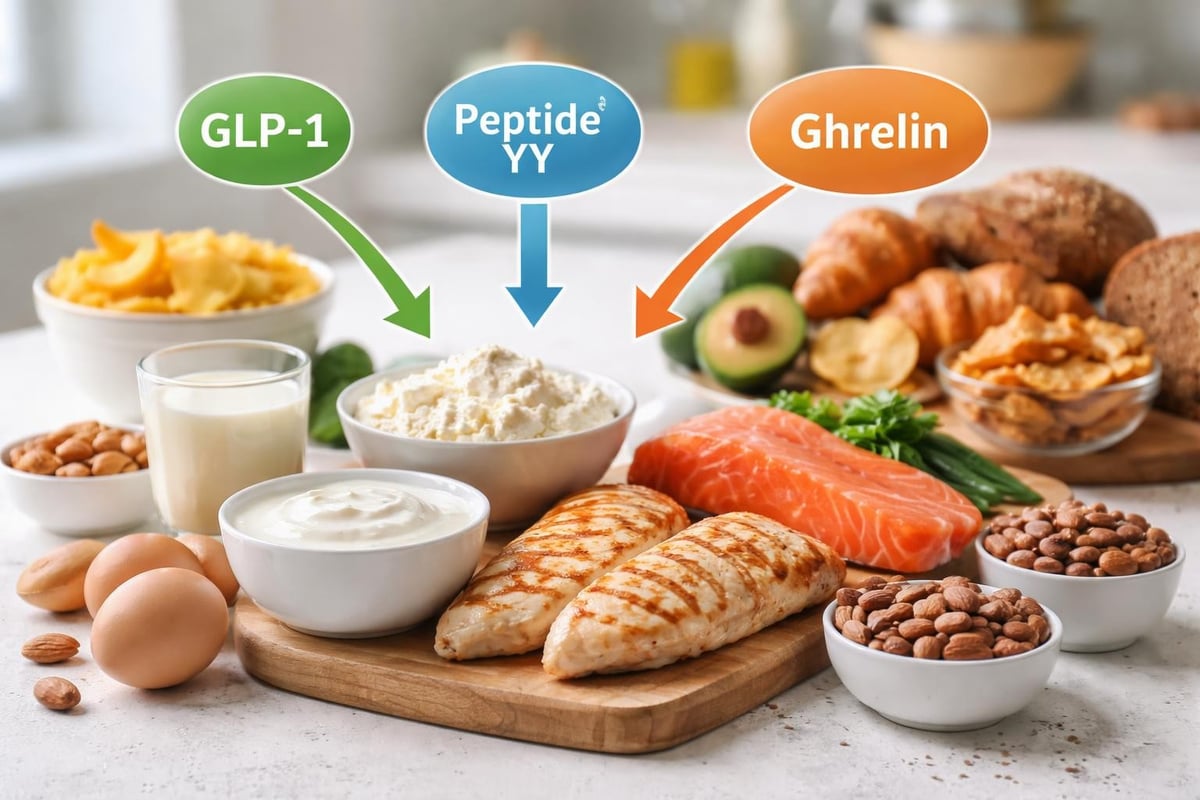
The protein leverage hypothesis suggests that humans have an innate drive to consume a specific amount of protein. When protein intake is inadequate, you may unconsciously eat more total calories to meet this protein target. By prioritizing protein in your meals, you satisfy this biological drive more efficiently, potentially reducing overall calorie consumption without conscious restriction.
How Much Protein Do You Actually Need?
Current dietary guidelines recommend 0.8 grams of protein per kilogram of body weight for average adults. However, research suggests that individuals pursuing weight loss may benefit from significantly higher intakes, typically ranging from 1.2 to 2.0 grams per kilogram of body weight.
Factors influencing your optimal protein intake include:
- Current body composition and lean muscle mass
- Activity level and exercise frequency
- Age and metabolic rate
- Weight loss goals and timeline
- Overall calorie intake and dietary approach
Most Americans already consume adequate protein through their regular diet, as recent analyses have shown. The key distinction for weight loss isn't just total protein intake but rather the strategic distribution of protein throughout the day and its proportion relative to other macronutrients.
The Metabolic Advantages of Higher Protein Intake
A high protein diet for weight loss offers several metabolic benefits that extend beyond simple calorie counting. When you reduce calorie intake to lose weight, your body typically responds by lowering metabolic rate. Adequate protein intake helps counteract this adaptive response by preserving lean muscle tissue, which burns more calories at rest than fat tissue.
During weight loss, your body breaks down both fat and muscle for energy. Without sufficient protein, up to 30% of weight lost may come from muscle tissue rather than fat. Higher protein intake shifts this ratio dramatically, ensuring that 80-90% of weight loss comes from fat stores while maintaining the muscle that keeps your metabolism elevated.
Research published in nutrition journals demonstrates that individuals consuming higher protein diets maintain higher resting metabolic rates compared to those following lower protein approaches, even when total calorie intake remains identical. This metabolic advantage can translate to an additional 80-100 calories burned daily, compounding over weeks and months.
Protein and Appetite Regulation
The neurological impact of protein on appetite regulation represents perhaps its most significant advantage for sustainable weight loss. Unlike diets that require constant willpower to override hunger signals, a high protein diet for weight loss works by reducing those signals at the source.
When protein-rich foods enter your digestive system, they trigger a cascade of hormonal responses that communicate fullness to your brain. This process happens automatically, without conscious effort or willpower. Your subconscious mind receives clear signals that nutritional needs are being met, making it easier to make healthy choices throughout the day.
Key appetite-regulating benefits of higher protein intake:
- Reduced cravings for high-calorie processed foods
- Decreased tendency toward emotional or stress eating
- Greater satisfaction from smaller meal portions
- Improved ability to maintain calorie deficits without hunger
- Enhanced meal-to-meal satiety reducing snacking urges
This natural appetite suppression aligns perfectly with neuroscience-based approaches to weight loss that focus on changing subconscious patterns rather than forcing conscious restriction. When your brain receives consistent fullness signals from protein-rich meals, the mental battle against hunger diminishes significantly.
Practical Implementation Strategies
Successfully adopting a high protein diet for weight loss requires more than simply eating more chicken breast. Strategic planning ensures you meet protein targets while maintaining nutritional balance and meal enjoyment.
Calculating Your Personal Protein Target
Start by determining your weight in kilograms (divide pounds by 2.2). Multiply this number by 1.6 to establish a solid baseline for weight loss. For a 180-pound individual, this calculation yields approximately 130 grams of daily protein.
Distribute this protein across three to four meals rather than concentrating it in one sitting. Your body can only synthesize a certain amount of muscle protein at once, typically around 25-40 grams per meal depending on your size and activity level. Spreading protein intake optimizes both muscle preservation and satiety throughout the day.
High-Quality Protein Sources
Not all protein sources offer equal nutritional value or appetite-suppressing benefits. Complete proteins containing all essential amino acids provide superior results for weight loss and muscle preservation.
Animal-based protein sources:
- Chicken breast: 31g protein per 4 oz serving
- Lean beef: 26g protein per 4 oz serving
- Salmon: 25g protein per 4 oz serving
- Greek yogurt: 20g protein per cup
- Eggs: 6g protein per large egg
- Cottage cheese: 14g protein per half cup
Plant-based protein sources:
- Lentils: 18g protein per cooked cup
- Chickpeas: 15g protein per cooked cup
- Quinoa: 8g protein per cooked cup
- Tofu: 20g protein per cup
- Tempeh: 31g protein per cup
- Edamame: 17g protein per cooked cup
Combining different protein sources throughout the day ensures you receive a complete amino acid profile while preventing dietary monotony. This variety keeps meals interesting and sustainable long-term, avoiding the burnout common with restrictive dietary approaches.
Common Challenges and Solutions
Transitioning to a high protein diet for weight loss presents several practical challenges that require thoughtful solutions. Understanding these obstacles in advance helps you develop strategies before they derail your progress.
Digestive Adjustment Period
Many individuals experience digestive discomfort when suddenly increasing protein intake. Your gut microbiome and digestive enzyme production need time to adapt to higher protein loads. Gradually increasing protein intake over two to three weeks minimizes these issues while allowing your body to adjust naturally.
Staying well-hydrated becomes increasingly important with higher protein consumption. Protein metabolism produces waste products that your kidneys filter and eliminate through urine. Adequate water intake, typically eight to ten glasses daily, supports this process and prevents potential strain on kidney function.
Concerns about protein toxicity primarily affect individuals with pre-existing kidney disease. For healthy individuals, research shows no adverse effects from protein intakes even exceeding 2.0 grams per kilogram of body weight. However, consulting with healthcare providers before making significant dietary changes remains advisable, especially for those with underlying health conditions.
Budget Considerations
Protein-rich foods often carry higher price tags than carbohydrate staples, making budget management a legitimate concern. Strategic shopping and meal planning can significantly reduce costs while maintaining adequate protein intake.
Budget-friendly protein strategies:
- Purchase eggs in bulk for economical complete protein
- Buy larger cuts of meat and portion them yourself
- Utilize canned fish like tuna and salmon
- Incorporate affordable legumes and beans
- Look for sales on frozen chicken breast and ground turkey
- Choose Greek yogurt containers over individual servings
Batch cooking protein sources on weekends streamlines weekday meal preparation while ensuring you always have protein-rich options available. This preparation reduces the temptation to grab convenient but protein-poor fast food when time becomes limited.
Integration with Sustainable Lifestyle Changes
A high protein diet for weight loss achieves its greatest success when combined with broader lifestyle modifications that support long-term health. Protein intake represents one component of a comprehensive approach to sustainable weight management.
The Role of Mindset and Behavioral Change
Neuroscience research demonstrates that lasting weight loss requires changes at the subconscious level, not just conscious dietary decisions. Your brain creates automatic patterns around food choices, eating behaviors, and stress responses that operate below conscious awareness. These patterns often undermine even the most well-intentioned dietary changes.
While increasing protein intake provides powerful metabolic and appetite advantages, addressing the underlying mental patterns that drive overeating creates synergistic effects. When your subconscious mind aligns with your conscious weight loss goals, making healthy choices feels natural rather than forced.
Behavioral patterns that enhance high protein diet success:
- Mindful eating practices that increase awareness of fullness signals
- Stress management techniques that reduce emotional eating triggers
- Positive reinforcement of healthy choices rather than punishment for setbacks
- Gradual habit formation that builds sustainable routines
- Self-compassion that prevents all-or-nothing thinking
The combination of strategic protein intake and subconscious reprogramming creates a foundation for effortless weight management. Rather than battling hunger and cravings through willpower, you remove these obstacles at their neurological source.
Physical Activity Considerations
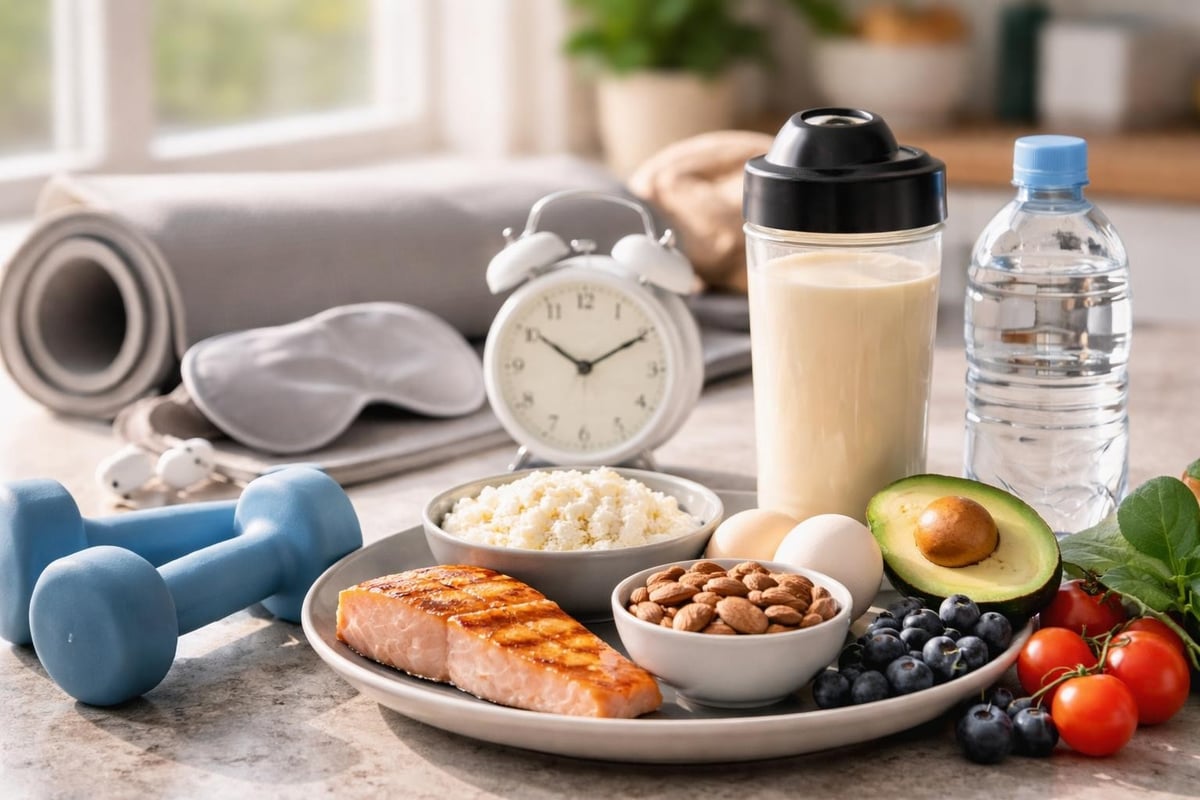
Protein intake and physical activity create a powerful synergy for body composition improvement. While diet alone can produce weight loss, combining higher protein intake with resistance training optimizes fat loss while building or maintaining muscle tissue.
You don't need intensive gym sessions to benefit from this combination. Even modest resistance training two to three times weekly, using bodyweight exercises or light weights, signals your body to preserve muscle tissue during calorie restriction. This preservation maintains metabolic rate and creates a more toned appearance as you lose fat.
Protein timing around workouts may offer additional benefits, though total daily intake matters more than precise timing. Consuming 20-30 grams of protein within two hours after resistance training supports muscle recovery and adaptation, maximizing the body composition benefits of your efforts.
Popular High-Protein Diet Approaches
Several structured dietary approaches emphasize higher protein intake, each with unique philosophies and implementation strategies. Understanding these options helps you select an approach that aligns with your preferences and lifestyle.
Established High-Protein Diets
The Dukan Diet represents one of the most well-known high-protein approaches, featuring four distinct phases that progressively reintroduce food groups while maintaining elevated protein intake. This structured approach provides clear guidelines but may feel restrictive for some individuals.
Protein Power, developed by physicians Michael and Mary Dan Eades, combines high protein intake with controlled carbohydrate consumption. This approach emphasizes metabolic health markers beyond simple weight loss, including insulin sensitivity and cardiovascular risk factors.
Comparison of popular high-protein approaches:
- Dukan Diet: Very high protein, low fat, phased approach, highly structured
- Protein Power: High protein, low carb, moderate fat, flexible within guidelines
- Zone Diet: Balanced protein/carb/fat ratios, moderate protein increase
- Paleo Diet: Moderate to high protein, whole foods focus, eliminates processed foods
- Flexible Dieting: Customizable protein targets, macronutrient tracking, no food restrictions
None of these structured approaches is inherently superior. The best high protein diet for weight loss is the one you can maintain consistently over months and years. Sustainability trumps perfection when it comes to lasting results.
Flexible vs. Structured Approaches
Some individuals thrive with detailed meal plans and strict guidelines, while others prefer flexible frameworks that allow personal customization. Neither approach is wrong, and your personality type often predicts which style will feel more sustainable.
Flexible approaches focus on hitting daily protein targets while allowing freedom in food choices and meal timing. This style works well for people who resist rigid rules and prefer autonomy in their eating patterns. The main requirement is tracking protein intake to ensure you meet your goals consistently.
Structured programs provide predetermined meal plans, recipes, and eating schedules. This approach reduces decision fatigue and provides clear direction for those who feel overwhelmed by too many choices. The tradeoff is less flexibility for personal preferences and social situations.
Safety Considerations and Potential Drawbacks
While a high protein diet for weight loss offers numerous benefits for most healthy individuals, understanding potential limitations and risks ensures informed decision-making.
Who Should Exercise Caution
Individuals with pre-existing kidney disease should consult nephrologists before significantly increasing protein intake. Research on protein and kidney function shows that healthy kidneys handle higher protein loads without issue, but compromised kidney function requires medical supervision for dietary changes.
Pregnant and breastfeeding women have increased protein needs but should work with healthcare providers to determine appropriate intake levels. Weight loss during pregnancy is generally not recommended except under specific medical supervision.
Additional considerations for specific populations:
- Athletes may need even higher protein intakes than typical weight loss recommendations
- Older adults benefit from higher protein to combat age-related muscle loss
- Vegetarians and vegans need strategic planning to meet protein targets
- Individuals with gout should monitor purine-rich protein sources
- Those with certain metabolic disorders require personalized guidance
Nutritional Balance Concerns
Focusing heavily on protein shouldn't come at the expense of other essential nutrients. A truly healthy high protein diet for weight loss includes abundant vegetables, fruits, healthy fats, and whole grains alongside protein-rich foods.
Fiber intake often decreases when protein displaces plant-based carbohydrates. Prioritizing high-fiber vegetables, legumes, and whole grains ensures digestive health and provides essential micronutrients. Aim for at least 25-35 grams of daily fiber regardless of your protein intake level.
The American Heart Association's evaluation of high-protein diets emphasizes the importance of choosing lean protein sources and balancing macronutrients to support cardiovascular health. Excessive saturated fat from fatty meat cuts can negate some metabolic benefits of higher protein intake.
Long-Term Maintenance and Weight Regain Prevention
The true measure of any weight loss approach is its effectiveness for long-term weight maintenance. Research on protein and weight maintenance demonstrates that maintaining higher protein intake after initial weight loss significantly reduces the likelihood of regaining lost weight.
The Weight Maintenance Phase
After reaching your weight loss goal, slightly reducing your protein intake while maintaining levels above standard recommendations helps prevent weight regain. Many successful maintainers consume 1.2-1.4 grams per kilogram body weight, higher than baseline recommendations but lower than aggressive weight loss phases.
This maintenance approach leverages protein's metabolic and appetite benefits without requiring the strict adherence necessary during active weight loss. The flexibility makes long-term adherence more realistic while providing continued protection against weight regain.
Strategies for sustainable protein intake long-term:
- Develop a repertoire of high-protein meals you genuinely enjoy
- Create habits around protein-rich breakfast options
- Keep convenient protein sources available for busy days
- Practice flexible eating that allows occasional lower-protein meals
- Monitor body composition rather than just scale weight
The goal shifts from losing weight to maintaining a healthy body composition and metabolic health. Protein continues playing a crucial role in this maintenance phase, supporting muscle mass and metabolic rate as you age.
Creating Lasting Change Through Brain Reprogramming
Sustainable weight management ultimately depends on changing the subconscious patterns that govern your food choices and eating behaviors. While increasing protein intake provides powerful metabolic advantages, combining dietary changes with neuroscience-based approaches addresses weight loss at multiple levels simultaneously.
Your brain operates largely on autopilot, making thousands of daily decisions about food without conscious thought. These automatic patterns determine whether you reach for protein-rich snacks or processed carbohydrates when stressed, whether you feel satisfied after meals or continue searching for more food, and whether healthy choices feel natural or require constant effort.
Reprogramming these subconscious patterns creates alignment between your conscious goals and automatic behaviors. When your brain naturally gravitates toward protein-rich foods and recognizes fullness signals accurately, maintaining a high protein diet for weight loss becomes effortless rather than exhausting.
This neurological approach complements the biological benefits of higher protein intake. Together, they create sustainable weight loss that doesn't rely on willpower, restriction, or constant vigilance. You change your habits at the source, making healthy choices feel automatic and natural.
Practical Meal Planning Templates
Implementing a high protein diet for weight loss becomes simpler with concrete meal planning examples. These templates demonstrate how to distribute protein throughout the day while maintaining nutritional balance and meal variety.
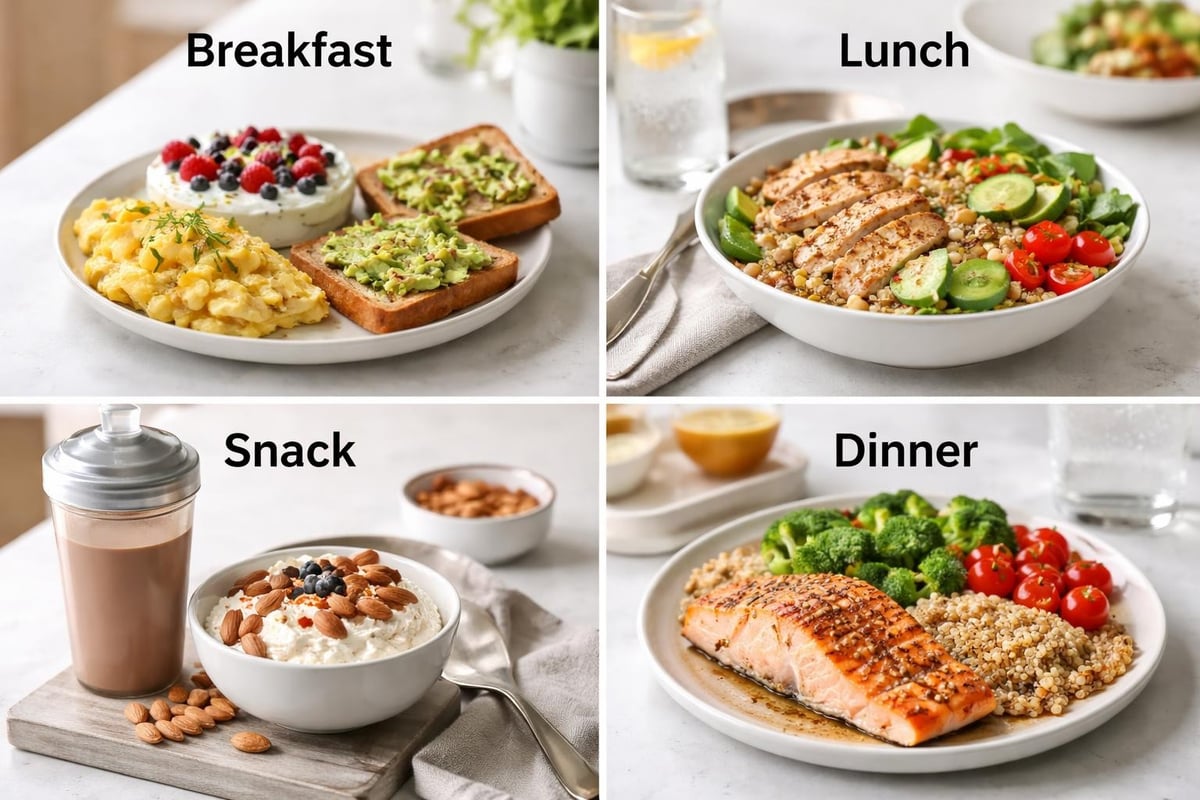
Sample High-Protein Day (150g total protein)
Breakfast (35g protein):
- Three-egg omelet with vegetables and low-fat cheese
- Greek yogurt with berries
- Coffee or tea
Mid-Morning Snack (15g protein):
- Protein shake or string cheese with apple
Lunch (40g protein):
- Grilled chicken breast salad with mixed greens, quinoa, and avocado
- Balsamic vinaigrette
- Sparkling water
Afternoon Snack (20g protein):
- Cottage cheese with cucumber slices and cherry tomatoes
Dinner (40g protein):
- Baked salmon with roasted vegetables and sweet potato
- Side salad with olive oil dressing
This distribution ensures steady protein intake throughout the day, maintaining satiety and supporting muscle protein synthesis. The template includes whole foods, abundant vegetables, healthy fats, and complex carbohydrates for nutritional balance.
Vegetarian High-Protein Options
Plant-based eaters can successfully implement a high protein diet for weight loss with strategic food combinations and planning.
Vegetarian protein-building strategies:
- Combine complementary proteins (rice and beans, hummus and whole grain pita)
- Incorporate protein-rich grains like quinoa and amaranth
- Utilize tofu, tempeh, and seitan regularly
- Include Greek yogurt, cottage cheese, and eggs if lacto-ovo vegetarian
- Consider plant-based protein powders for convenience
- Snack on nuts, seeds, and nut butters in measured portions
Vegetarian and vegan approaches require more intentional planning but achieve similar results when protein targets are met consistently. The key is ensuring complete amino acid profiles through food combinations and variety.
The Science Behind Protein and Body Composition
Understanding the biological mechanisms behind protein's effects on weight loss helps maintain motivation and informed decision-making throughout your journey.
Muscle Protein Synthesis and Breakdown
Your body constantly breaks down and rebuilds muscle tissue through processes called muscle protein breakdown and muscle protein synthesis. The balance between these processes determines whether you maintain, lose, or gain muscle mass.
During calorie restriction, muscle protein breakdown increases as your body searches for energy sources. Adequate protein intake stimulates muscle protein synthesis, counteracting this breakdown and preserving lean tissue. This preservation is critical for maintaining metabolic rate and achieving a lean, toned appearance rather than simply becoming a smaller version of your current shape.
Resistance exercise amplifies this protective effect by creating additional signals for muscle preservation and growth. The combination of higher protein intake and strength training during weight loss produces superior body composition changes compared to diet or exercise alone.
Thermogenesis and Energy Expenditure
The thermic effect of food describes the energy required to digest, absorb, and process nutrients. Protein has the highest thermic effect of all macronutrients, requiring significantly more calories for processing than carbohydrates or fats.
This metabolic advantage means that a high-protein diet inherently burns more calories throughout the day without additional exercise. While this effect accounts for a modest portion of total energy expenditure, it compounds over time to support greater fat loss.
Beyond direct thermogenesis, protein's effect on muscle mass preservation indirectly increases energy expenditure. Muscle tissue burns more calories at rest than fat tissue, so maintaining muscle during weight loss keeps your metabolism elevated even as total body weight decreases.
A high protein diet for weight loss offers powerful metabolic, appetite, and body composition benefits that support sustainable fat loss without constant hunger or deprivation. By understanding protein's role in metabolism and implementing strategic intake patterns, you create biological conditions that favor weight loss while preserving muscle and metabolic health. However, the most sustainable results come from addressing both the physical and psychological aspects of weight management. Oneleaf helps you reprogram the subconscious patterns that govern your food choices, making healthy decisions feel effortless rather than forced. When you combine the metabolic advantages of adequate protein with neuroscience-based habit change, you create lasting transformation that doesn't require willpower or restriction.