When you think about sustainable weight loss, protein often comes to mind as a macronutrient powerhouse. But the relationship between high protein foods for weight loss extends far beyond simple calorie counting. Protein uniquely influences your brain chemistry, hormones, and metabolic processes in ways that make healthy eating feel natural rather than forced. Understanding which foods deliver the most powerful protein benefits can transform your approach to weight management from restriction to nourishment.
Understanding Protein's Neurological Impact on Weight Loss
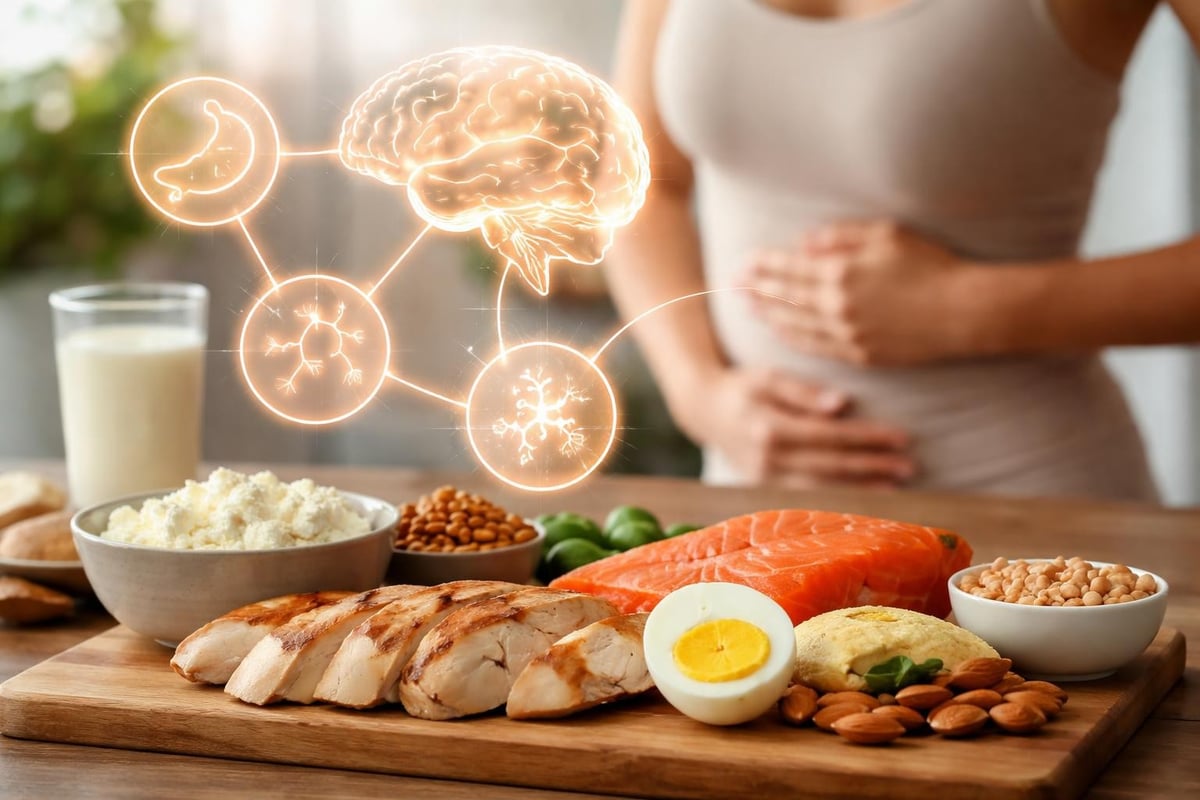
Protein fundamentally changes how your brain processes hunger and fullness signals. When you consume adequate protein, your body releases peptide YY and GLP-1, hormones that communicate satiety directly to your brain's appetite centers. This neurological shift means you naturally feel satisfied with less food, without relying on willpower or conscious restriction.
The brain-protein connection works through multiple pathways:
- Reduced production of ghrelin, the hunger hormone that drives overeating
- Enhanced leptin sensitivity, improving your brain's ability to recognize fullness
- Stabilized blood sugar levels that prevent the energy crashes triggering cravings
- Increased dopamine and norepinephrine production, supporting motivation and focus
Research shows that high-protein diets can significantly affect appetite regulation, creating a metabolic environment where your subconscious mind naturally gravitates toward appropriate portion sizes. This neurological advantage makes protein essential for anyone seeking to reprogram their eating patterns at the source.
The Metabolic Advantage of Protein
Beyond appetite control, protein requires more energy to digest than carbohydrates or fats. This thermic effect means your body burns approximately 20-30% of protein's calories just processing it. Over time, this metabolic boost compounds, creating a significant advantage for fat loss without increasing exercise intensity.
Protein also preserves lean muscle mass during caloric deficits. When your brain perceives reduced energy intake, it can trigger muscle breakdown for fuel. Adequate protein consumption sends signals to your subconscious regulatory systems that preserve muscle tissue, ensuring weight loss comes predominantly from fat stores rather than metabolically active muscle.
Top Animal-Based High Protein Foods for Weight Loss
Animal proteins deliver complete amino acid profiles with high bioavailability, meaning your body efficiently absorbs and utilizes these nutrients. Incorporating these foods strategically throughout your day supports both physical satiety and neurological satisfaction.
Chicken breast stands as one of the most versatile lean proteins available. A four-ounce serving provides approximately 35 grams of protein with minimal fat, making it ideal for those focused on maximizing protein intake without excess calories. The neutral flavor allows for diverse preparation methods that keep meals interesting and sustainable long-term.
Salmon and fatty fish offer dual benefits: high protein content alongside omega-3 fatty acids that support brain health and mood regulation. These healthy fats enhance the absorption of fat-soluble vitamins while reducing inflammation that can interfere with metabolic function. A six-ounce serving delivers roughly 40 grams of protein plus EPA and DHA that optimize neural signaling.
Greek yogurt provides probiotics alongside its impressive protein density. The gut-brain axis plays a crucial role in appetite regulation, and fermented dairy supports the beneficial bacteria that communicate with your central nervous system. Choose plain varieties to avoid added sugars that can trigger reward-seeking behaviors in the brain.
Strategic Protein Choices for Brain Health
Eggs represent nutritional powerhouses containing all essential amino acids plus choline, a nutrient critical for neurotransmitter production. The combination of protein and healthy fats in eggs creates sustained energy without blood sugar spikes. Two large eggs provide about 12 grams of protein and support cognitive function throughout your day.
Lean beef and bison supply not just protein but also iron, zinc, and B vitamins essential for energy metabolism and mental clarity. A four-ounce portion contains approximately 30 grams of protein. The satisfaction factor of red meat can prevent feelings of deprivation that derail weight loss efforts, making it a valuable component of a balanced approach.
According to research on the best protein sources for healthy diets, quality matters as much as quantity. Choosing minimally processed animal proteins ensures you receive the full spectrum of nutrients that support both physical and neurological health during weight loss.
Plant-Based High Protein Foods for Weight Loss
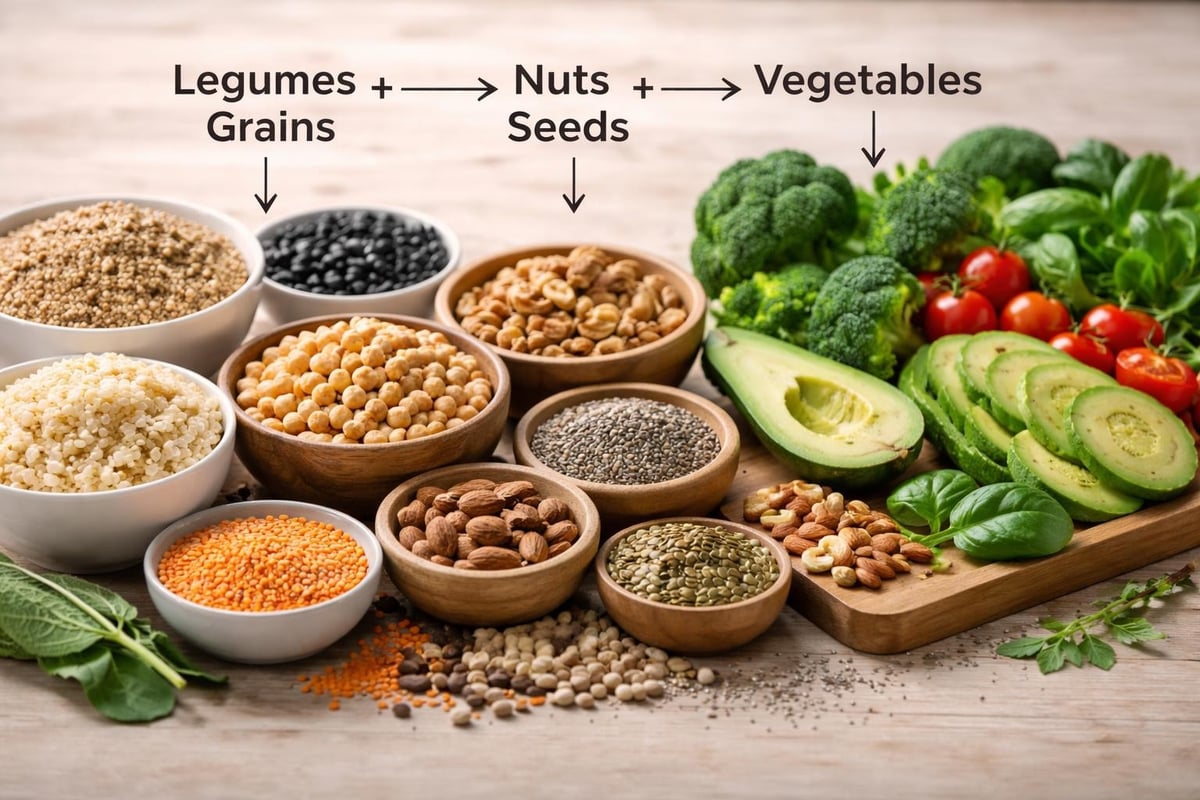
Plant proteins offer fiber alongside protein, creating a synergistic effect for satiety and digestive health. While most plant sources provide incomplete amino acid profiles, strategic combinations deliver all essential amino acids your body requires.
Legumes and lentils pack protein, fiber, and resistant starch that feeds beneficial gut bacteria. One cup of cooked lentils provides about 18 grams of protein plus the fiber that slows digestion, extending feelings of fullness. The gradual energy release prevents the blood sugar fluctuations that trigger stress eating and cravings.
- Chickpeas: 15 grams protein per cup, versatile for salads, roasting, or hummus
- Black beans: 15 grams protein per cup, rich in folate for brain health
- Split peas: 16 grams protein per cup, budget-friendly and shelf-stable
- Edamame: 17 grams protein per cup, complete protein with all amino acids
Quinoa stands out as one of few plant foods offering complete protein. This ancient grain provides about 8 grams of protein per cooked cup along with magnesium that supports stress management and quality sleep, both crucial for sustainable weight loss.
Nuts, Seeds, and Alternative Proteins
Hemp seeds, chia seeds, and flaxseeds deliver concentrated protein in small servings. Three tablespoons of hemp seeds provide 10 grams of protein plus omega-3 fatty acids that reduce inflammation and support mood stability. These seeds easily blend into smoothies or sprinkle over meals for convenient protein boosts.
Tofu and tempeh offer versatile soy-based proteins with distinct textures and nutrient profiles. Tempeh's fermentation process increases protein bioavailability and adds beneficial probiotics. A four-ounce serving of tempeh contains approximately 21 grams of protein, making it comparable to many animal sources.
Understanding how to implement these foods effectively involves more than just knowing their protein content. Studies on high-protein diet implementation suggest that spreading protein intake across meals optimizes muscle protein synthesis and maintains stable satiety signals throughout the day.
Protein Distribution and Timing Strategies
Your brain responds differently to protein consumed at various times throughout the day. Strategic timing maximizes both the metabolic and neurological benefits of high protein foods for weight loss.
Morning protein intake sets the tone for appetite regulation all day. Starting with 25-30 grams of protein at breakfast reduces cravings and stabilizes energy levels that influence food decisions hours later. This early protein consumption primes your brain's reward systems to prefer nutrient-dense foods over processed options.
The distribution pattern matters significantly:
- Breakfast: 25-30 grams to establish satiety and reduce afternoon cravings
- Lunch: 30-35 grams to maintain energy and prevent evening overeating
- Dinner: 25-30 grams to support overnight muscle repair and morning appetite control
- Snacks: 10-15 grams to bridge meals without triggering insulin spikes
This spacing ensures your body maintains elevated protein synthesis throughout the day rather than overwhelming its processing capacity with massive single doses. Your subconscious hunger regulation systems respond to consistent protein availability by reducing urgency around food.
Post-Exercise Protein Considerations
Exercise creates unique protein requirements as your body repairs and builds muscle tissue. Consuming protein within two hours after physical activity optimizes recovery and reinforces the neurological connection between movement and positive outcomes. This timing doesn't just support muscle growth but also strengthens the mental associations that make exercise feel rewarding rather than punishing.
The psychological component of protein timing extends beyond physiology. When you establish consistent eating patterns, your brain develops predictable rhythms that reduce anxiety around food and eliminate the scarcity mindset driving overeating behaviors.
Overcoming Common Protein Challenges
Many people struggle to consume adequate protein consistently, not because they lack knowledge but because old neural pathways default to carbohydrate-heavy patterns. Recognizing these obstacles allows you to develop strategies that work with your brain's wiring rather than against it.
Preparation barriers often prevent people from choosing protein-rich options. Batch cooking chicken, hard-boiling eggs, or pre-portioning nuts on weekends removes decision fatigue during busy weekdays. When protein requires no additional effort, your brain naturally selects these options over less nutritious convenient foods.
Cost concerns make some hesitant about increasing protein intake. However, strategic shopping identifies affordable options:
- Canned fish like tuna and sardines cost less than fresh while offering identical nutritional benefits
- Dried beans and lentils provide the most budget-friendly protein per serving
- Whole chickens or bone-in cuts cost significantly less than boneless varieties
- Buying in bulk and freezing portions spreads costs over multiple weeks
Taste fatigue from repetitive meals can undermine even the best intentions. Varying preparation methods, seasonings, and combinations keeps high protein foods for weight loss interesting. The brain craves novelty, and satisfying this need prevents the rebellion that leads to abandoning healthy patterns.
Research examining optimal protein consumption indicates that most people benefit from 0.7-1 gram of protein per pound of body weight for effective weight loss. This range supports muscle preservation while maximizing satiety benefits without excessive intake that provides no additional advantage.
Creating Protein-Centric Meal Frameworks
Building meals around protein sources rather than starches fundamentally shifts your nutritional intake and hunger patterns. This framework approach simplifies decisions while ensuring adequate protein consumption becomes automatic.
The protein-first plate method structures meals to prioritize satiety:
- Fill one-third to one-half of your plate with lean protein
- Add non-starchy vegetables to another third or half
- Include a smaller portion of complex carbohydrates or healthy fats
- Finish with herbs, spices, and flavorful additions that increase satisfaction
This visual system requires no calorie counting or measuring, making it sustainable for long-term implementation. Your brain quickly learns to recognize properly balanced meals, reducing the cognitive load of food decisions.
Protein-rich snack alternatives prevent the blood sugar crashes that trigger poor choices. Instead of crackers or chips, options like jerky, cheese, protein smoothies, or roasted chickpeas provide sustained energy. These alternatives train your reward systems to find satisfaction in nutrient density rather than empty calories.
The emerging trend toward high-protein eating reflects growing awareness of protein's unique benefits. However, sustainable results require more than following trends-they demand genuine neural reprogramming that makes protein preference feel natural rather than forced.
Protein Quality and Bioavailability Factors
Not all proteins deliver equal benefits for weight loss and body composition. Understanding quality indicators helps you select options that maximize results while supporting overall health and mental clarity.
Amino acid completeness determines how effectively your body uses protein for tissue repair, hormone production, and neurotransmitter synthesis. Complete proteins containing all nine essential amino acids in optimal ratios include all animal sources plus quinoa, soy, and properly combined plant foods.
Digestibility scores measure how much protein your body actually absorbs. Animal proteins generally score higher on digestibility scales, with eggs rating at the top followed closely by dairy, fish, and poultry. Plant proteins often require larger serving sizes to deliver equivalent absorbed protein.
Processing methods significantly impact protein quality. Grilled chicken retains more nutrients than heavily processed deli meat containing nitrates and excess sodium. Minimally processed options support both physical health and the mental clarity needed for consistent healthy choices.
Balancing Protein with Other Nutrients
While prioritizing protein for weight loss, maintaining nutritional balance prevents deficiencies that can derail progress. Fiber from vegetables and whole grains supports the digestive health essential for nutrient absorption. Healthy fats enable vitamin absorption and hormone production that regulate metabolism and mood.
The question of whether most people need added protein depends largely on current intake and weight loss goals. Standard dietary recommendations often fall short of optimal levels for body recomposition, particularly for those seeking to preserve muscle mass while losing fat.
Practical Implementation for Lasting Results
Knowledge without application creates no change. Translating understanding of high protein foods for weight loss into daily practice requires addressing the subconscious resistance patterns that sabotage new behaviors.
Start with single-meal changes rather than overhauling your entire diet overnight. Your brain perceives gradual shifts as less threatening than dramatic changes, reducing the internal resistance that causes most diets to fail. Begin by improving breakfast protein content, then progressively adjust other meals once new patterns feel comfortable.
Track without obsession by noting general protein intake for one week. This awareness often reveals surprising gaps between perceived and actual consumption. However, avoid the perfectionism that transforms healthy eating into punishment. The goal involves progress, not perfection.
Create environmental supports that make protein-rich choices the path of least resistance. Keep hard-boiled eggs visible in the refrigerator. Place nuts and seeds in clear containers at eye level. Remove tempting low-protein snacks from immediate view. These environmental modifications work with your brain's tendency to choose convenient options.
Different protein sources offer varying benefits beyond basic nutrition. Studies analyzing the best proteins for weight loss consistently show that variety matters. Different proteins provide unique micronutrient profiles that collectively support optimal metabolic function and neurological health.
Addressing Psychological Protein Resistance
Some people unconsciously resist protein consumption due to past diet trauma or cultural food relationships. If increasing protein intake triggers anxiety or rebellion, this signals deeper patterns requiring attention beyond nutritional education. Your relationship with food reflects neural pathways developed over years or decades, and sustainable change requires addressing these underlying programs.
When you change how your brain responds to food at the subconscious level, protein-rich eating becomes genuinely appealing rather than a disciplined obligation. This transformation distinguishes temporary diet compliance from lasting lifestyle change.
Measuring Progress Beyond the Scale
High protein foods for weight loss deliver benefits that extend far beyond weight reduction. Recognizing these improvements reinforces your brain's positive associations with protein consumption, strengthening new neural pathways.
Energy stability often improves within days of increasing protein intake. Stable blood sugar prevents the afternoon crashes that previously drove caffeine or sugar consumption. This sustained energy supports better decision-making throughout the day, creating a positive feedback loop of healthy choices.
Physical changes include reduced bloating, improved muscle tone, and better recovery from physical activity. These tangible improvements provide motivation that goes deeper than scale numbers, engaging the visual and kinesthetic brain regions that powerfully influence behavior.
Mental clarity and mood stability frequently improve as protein supports neurotransmitter production. Adequate amino acids ensure your brain can produce serotonin for mood regulation, dopamine for motivation, and norepinephrine for focus. These cognitive benefits make healthy eating feel rewarding rather than sacrificial.
Sleep quality often improves as protein stabilizes nighttime blood sugar and provides tryptophan for melatonin production. Better sleep reduces stress hormones that drive cravings and poor food choices, creating another reinforcing cycle of positive outcomes.
Comprehensive information about high-protein foods and their benefits demonstrates that protein's advantages touch nearly every aspect of health and wellbeing. This whole-person impact explains why protein-focused eating feels more sustainable than approaches that ignore human biology and psychology.
Building Sustainable Protein Habits
Long-term success with high protein foods for weight loss requires shifting from conscious effort to automatic preference. This transition happens when new behaviors repeat consistently enough to form neural pathways that operate without deliberate thought.
Habit stacking attaches protein consumption to existing routines. If you always drink coffee in the morning, pair this established habit with eating eggs or Greek yogurt. Your brain's existing neural pathway for the coffee routine carries the new protein behavior along with minimal resistance.
Identity-level change occurs when you shift from "trying to eat more protein" to "being someone who prioritizes protein." This subtle distinction activates different brain networks. Identity-based behaviors feel authentic rather than imposed, dramatically increasing long-term adherence.
Flexibility prevents perfectionism that leads to all-or-nothing thinking. Missing your protein target one day doesn't erase previous progress or predict future failure. Your brain interprets occasional variations as normal when you maintain overall consistency, preventing the "ruined it" mentality that triggers complete abandonment of healthy patterns.
Resources examining dietary treatments for obesity consistently highlight that sustainable approaches address both biological and psychological factors. Protein consumption influences both dimensions, making it central to effective weight management strategies.
Understanding which high protein foods for weight loss work best for your body provides essential nutritional foundation, but lasting transformation requires addressing the neural patterns that drive your food choices at the subconscious level. Oneleaf combines neuroscience and behavioral psychology to reprogram the mental patterns that make unhealthy eating feel automatic, helping you develop genuine preference for protein-rich, nourishing foods. When you retrain your brain through daily guided sessions, choosing high-protein meals becomes effortless rather than another source of stress or willpower depletion.