The concept of a lean gut has become increasingly prominent in weight loss conversations, but it represents far more than simply having a flat stomach or visible abs. A lean gut encompasses the entire relationship between your digestive system, metabolic function, and the neural pathways that govern your eating behaviors. While traditional diet culture focuses exclusively on calorie restriction and exercise, the neuroscience behind achieving a lean gut reveals that lasting transformation begins in your brain. Understanding this mind-gut connection is essential for anyone who has struggled with yo-yo dieting, emotional eating, or the frustration of regaining lost weight. The key to sustainable results lies in reprogramming the subconscious patterns that drive your food choices, rather than relying on willpower alone.
The Neuroscience of Gut Health and Weight Loss
Your brain and digestive system communicate constantly through the gut-brain axis, a sophisticated network of neurons, hormones, and biochemical signals. This bidirectional pathway means that your mental state directly influences your digestive function, while your gut health sends powerful signals back to your brain that affect mood, cravings, and decision-making.
When you're working toward a lean gut, you're not just changing what you eat. You're fundamentally altering the neural patterns that determine how your body processes food, stores fat, and responds to hunger signals. Research shows that chronic stress, negative thought patterns, and emotional regulation difficulties all create disruptions in this gut-brain communication, leading to inflammation, poor nutrient absorption, and stubborn weight retention.
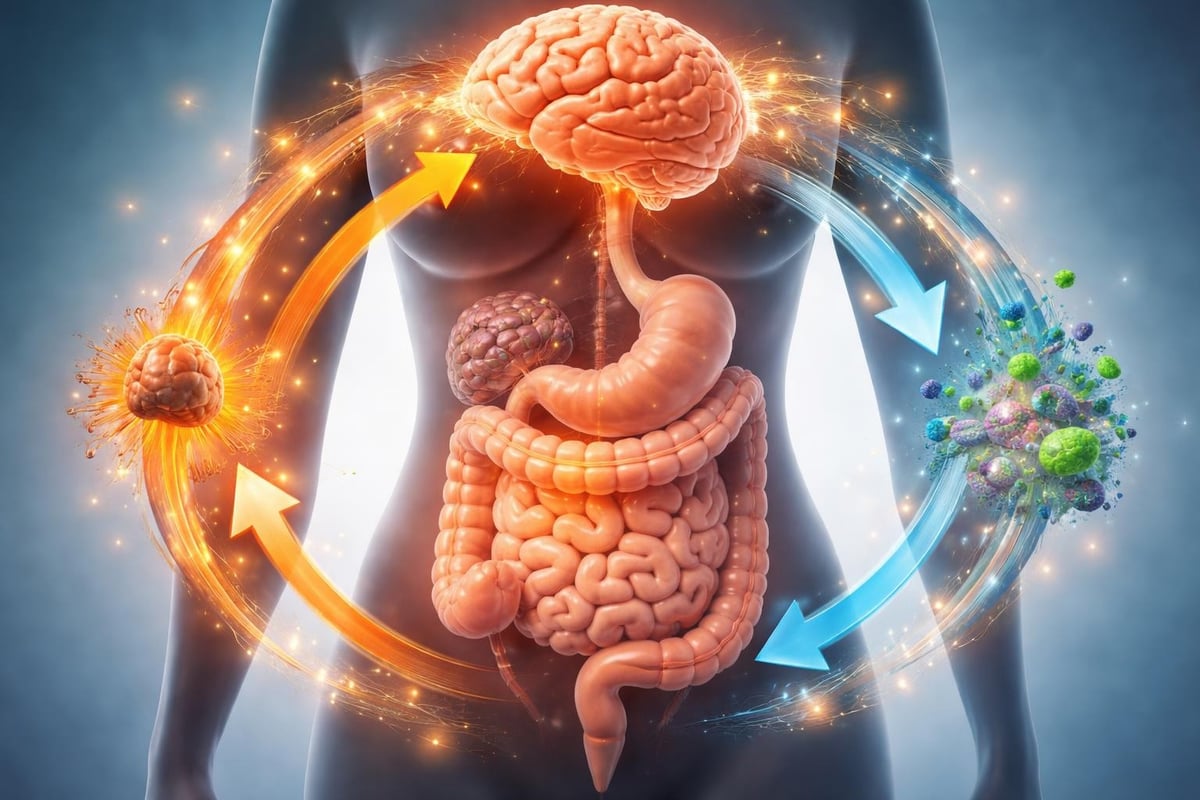
The subconscious mind controls approximately 95% of your daily behaviors, including when you eat, how much you consume, and what foods you crave. Traditional weight loss supplements and restrictive diets fail because they don't address these underlying neural programs. Instead of fighting your brain's programming with willpower, neuroscience-based approaches help you rewrite those programs at their source.
How Stress Hormones Prevent a Lean Gut
Cortisol, the primary stress hormone, plays a central role in preventing people from achieving a lean gut. When you're chronically stressed, your brain triggers the release of cortisol, which signals your body to store fat, particularly around the midsection. This evolutionary response once helped humans survive periods of scarcity, but in modern life, it creates a frustrating cycle.
Key effects of elevated cortisol on gut health:
- Increased visceral fat storage around organs
- Disrupted hunger hormone balance (ghrelin and leptin)
- Reduced digestive enzyme production
- Impaired nutrient absorption
- Heightened cravings for sugar and processed foods
- Slowed metabolic rate
Many people attempt to combat stress-related weight gain through supplements to reduce cortisol and belly fat, but supplements alone cannot retrain your brain's stress response patterns. The most effective approach combines stress management techniques with neural reprogramming to create lasting hormonal balance.
Reprogramming Your Brain for a Lean Gut
The concept of neuroplasticity proves that your brain can form new neural pathways at any age. This means the habitual patterns that currently drive overeating, emotional eating, or poor food choices can be rewired through consistent, targeted mental training.
Instead of relying on conscious willpower, which depletes throughout the day, you can create automatic healthy responses by accessing your subconscious mind. Self-hypnosis and guided audio sessions work by bypassing the critical conscious mind and communicating directly with the subconscious, where your deepest beliefs and automatic behaviors originate.
The Four Neural Patterns That Prevent a Lean Gut
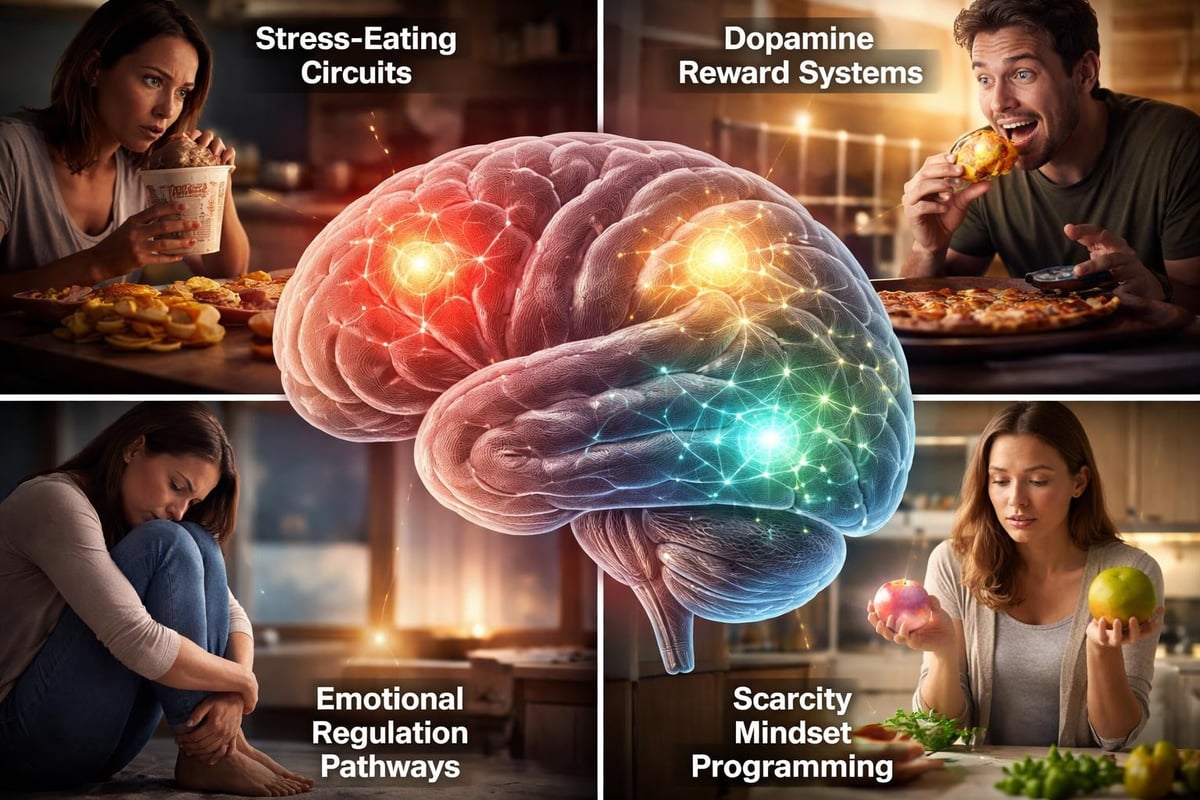
1. Stress-Triggered Eating Patterns
Your brain associates certain stressors with eating as a coping mechanism. These neural pathways become stronger each time you repeat the behavior, eventually creating an automatic response that feels impossible to control. Breaking this pattern requires identifying the specific triggers and creating new neural associations between stress and healthier coping strategies.
2. Reward System Dysregulation
Processed foods high in sugar, fat, and salt hijack your brain's dopamine reward system. Over time, your brain requires increasingly larger portions or more frequent eating episodes to achieve the same pleasure response. Restoring healthy dopamine function helps reduce cravings and makes nutritious foods more satisfying.
3. Emotional Suppression Behaviors
Many people use food to suppress uncomfortable emotions like anxiety, loneliness, or anger. This creates a neural association between emotional discomfort and eating, making it difficult to achieve a lean gut without addressing the underlying emotional patterns. Learning to process emotions without food requires retraining your brain's emotional regulation circuits.
4. Scarcity Mindset Programming
Diet culture creates a scarcity mindset that paradoxically increases overeating. When your brain believes certain foods are forbidden or restricted, it triggers powerful cravings and obsessive thoughts about those foods. This mental restriction often leads to binge episodes, followed by guilt and shame that perpetuate the cycle.
Mindful Eating and the Lean Gut Connection
Mindfulness practices offer powerful tools for developing a lean gut because they strengthen the prefrontal cortex, the brain region responsible for conscious decision-making and impulse control. When you eat mindfully, you're actively building neural pathways that support healthy eating behaviors.
Practical mindful eating techniques:
- Pause for three deep breaths before each meal to activate parasympathetic nervous system
- Notice the colors, textures, and aromas of your food before taking the first bite
- Chew each bite thoroughly, placing your utensils down between bites
- Identify specific flavors and sensations as you eat
- Stop eating when you feel satisfied rather than completely full
- Acknowledge any emotions that arise without judgment
These practices may seem simple, but they create profound neurological changes over time. Research demonstrates that consistent mindful eating reduces activation in brain regions associated with food cravings while strengthening areas linked to self-regulation and awareness. Unlike restrictive online weight loss programs that focus solely on meal plans, mindfulness addresses the root cause of overeating.
The Role of Sleep in Achieving a Lean Gut
Sleep quality directly impacts your ability to develop and maintain a lean gut. During sleep, your brain consolidates learning, processes emotions, and regulates the hormones that control hunger and metabolism. Chronic sleep deprivation disrupts this essential process, leading to increased ghrelin (hunger hormone), decreased leptin (satiety hormone), and impaired glucose metabolism.
When you're sleep-deprived, your prefrontal cortex, which governs rational decision-making, becomes less active. Simultaneously, the amygdala, your brain's emotional center, becomes hyperactive. This neurological shift makes you more likely to choose high-calorie comfort foods and less able to resist impulses.
Sleep optimization strategies for a lean gut:
- Maintain consistent sleep and wake times, even on weekends
- Create a dark, cool sleeping environment (65-68°F ideal)
- Limit screen exposure 90 minutes before bedtime
- Practice progressive muscle relaxation or guided meditation
- Avoid caffeine after 2 PM and alcohol within 3 hours of sleep
- Address underlying stress and anxiety that disrupt sleep quality
Quality sleep doesn't just support weight loss through hormonal balance. It also strengthens the neural changes you're creating through other practices. The brain consolidates new neural pathways during sleep, making your mental reprogramming work more effective when you're well-rested.
Breaking Free from Diet Culture to Achieve a Lean Gut
Traditional diet programs create a cycle of restriction and rebellion that makes achieving a sustainable lean gut nearly impossible. Understanding why diet programs fail reveals that the problem isn't your lack of willpower or discipline. The problem is that diets work against your brain's natural functioning rather than with it.
When you restrict calories or eliminate entire food groups, your brain interprets this as a threat to survival. This triggers a cascade of responses designed to protect you from starvation: increased hunger hormones, decreased metabolic rate, heightened food preoccupation, and eventually, compensatory overeating. These aren't character flaws but evolutionary survival mechanisms.
Abundance Mindset Versus Restriction
Creating a lean gut requires shifting from a scarcity mindset to an abundance mindset. This mental framework allows you to:
- Choose nutritious foods because they make you feel good, not because you "should"
- Enjoy treats occasionally without guilt or the need to compensate
- Trust your body's hunger and fullness signals
- View food as nourishment rather than the enemy
- Release the moral judgments attached to eating choices
This shift doesn't happen through conscious effort alone. Your subconscious beliefs about food, your body, and your self-worth must change for the abundance mindset to feel natural and automatic. That's where neuroscience-based reprogramming techniques become essential.
The Gut Microbiome and Neural Health
Your gut microbiome, the trillions of bacteria living in your digestive system, directly influences brain function and mental health. These microorganisms produce neurotransmitters like serotonin, dopamine, and GABA that affect mood, motivation, and decision-making. An imbalanced microbiome contributes to inflammation, poor mental health, and difficulty achieving a lean gut.
Factors that disrupt gut microbiome balance:
- Chronic stress and elevated cortisol
- Processed foods high in sugar and artificial additives
- Antibiotic use without probiotic supplementation
- Insufficient dietary fiber from whole plant foods
- Lack of diverse foods in your regular diet
- Excessive alcohol consumption
Supporting microbiome health isn't about following a rigid diet. It's about creating sustainable habits that naturally feed beneficial bacteria while reducing inflammation. Fermented foods, diverse plant fibers, adequate hydration, and stress management all contribute to a healthier gut microbiome.
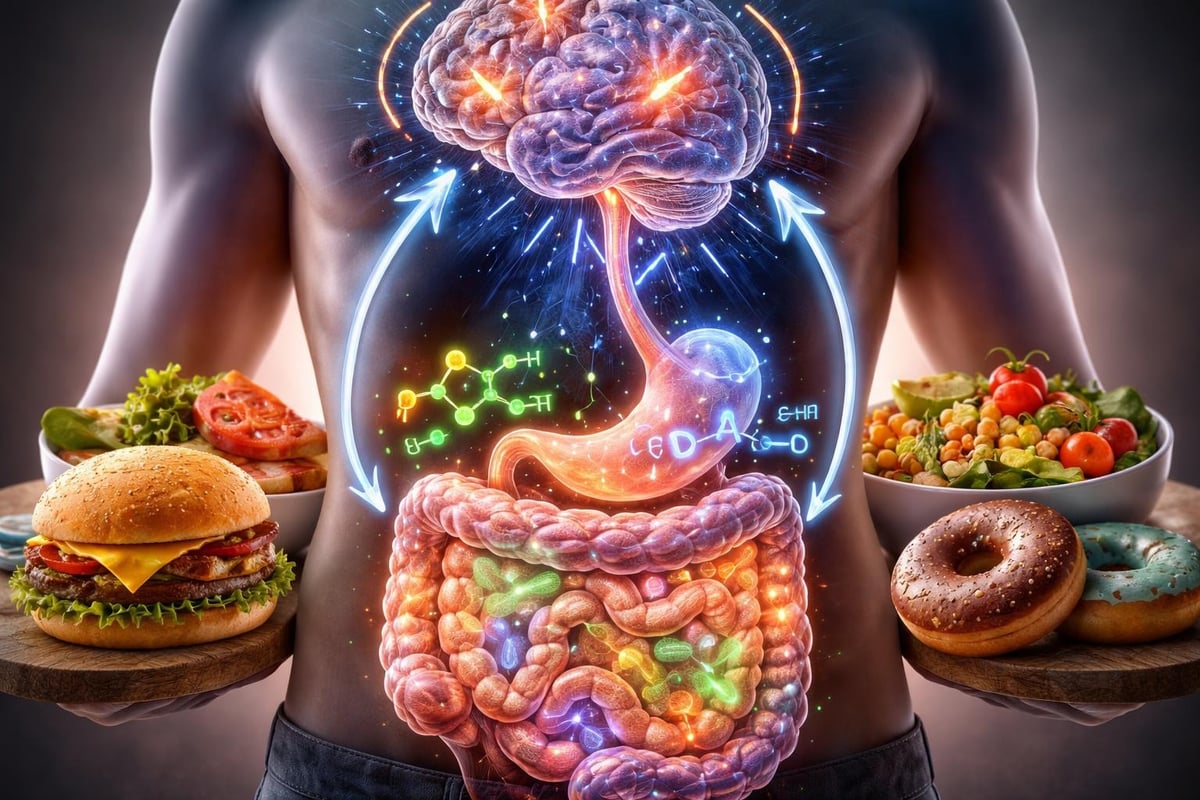
The microbiome-brain connection explains why some people struggle more with emotional eating or cravings than others. When your gut bacteria are imbalanced, they send signals to your brain that intensify cravings for the very foods that perpetuate the imbalance. Breaking this cycle requires both nutritional changes and neural reprogramming to establish new patterns.
Creating Automatic Healthy Behaviors
The ultimate goal in developing a lean gut isn't to maintain perfect discipline forever. It's to make healthy choices feel automatic and effortless. This transformation occurs when new neural pathways become stronger than old ones through consistent repetition and emotional reinforcement.
Characteristics of truly automatic healthy behaviors:
- They require minimal conscious effort or decision-making
- They feel natural and aligned with your identity
- They persist even during stressful periods
- They don't depend on external motivation or accountability
- They create positive emotional associations rather than obligation
Building these automatic behaviors requires approximately 10 minutes of focused mental training daily. Guided sessions combining self-hypnosis, visualization, and positive suggestion create neural changes more efficiently than willpower-based approaches. The key is consistency over intensity. Small daily practice produces better results than sporadic intensive efforts.
Addressing Hormonal Influences on Gut Health
Hormonal balance plays a crucial role in achieving and maintaining a lean gut. Beyond cortisol, several other hormones directly impact your digestive function, metabolism, and body composition. Understanding these influences helps you address weight loss from multiple angles rather than relying on calorie restriction alone.
Key hormones affecting lean gut development:
- Insulin: Regulates blood sugar and fat storage
- Thyroid hormones: Control metabolic rate and energy expenditure
- Estrogen/Progesterone: Influence water retention and fat distribution
- Testosterone: Supports muscle maintenance and metabolic health
- Growth hormone: Promotes fat burning and muscle development
Hormonal imbalances don't necessarily require medication. Many respond well to lifestyle modifications, including stress reduction, adequate sleep, regular movement, and targeted nutrition. For those experiencing hormonal challenges affecting weight, addressing the underlying stress response through neural reprogramming can create significant improvements.
The Power of Self-Compassion in Weight Loss
Perhaps the most overlooked factor in developing a lean gut is self-compassion. Research consistently shows that people who practice self-kindness achieve better long-term weight loss results than those who rely on self-criticism and shame. Your internal dialogue directly affects your stress levels, cortisol production, and ability to make consistent healthy choices.
When you criticize yourself for eating "bad" foods or missing a workout, you activate the same stress response that promotes fat storage and emotional eating. This creates a vicious cycle where shame leads to stress, stress leads to poor choices, and poor choices generate more shame.
Self-compassion practices for lasting change:
- Speak to yourself as you would a beloved friend facing similar challenges
- Recognize that struggles with food and weight are universal human experiences
- Acknowledge difficult emotions without judging yourself for having them
- Celebrate small victories and progressive improvements
- Release the expectation of perfection in favor of consistency
Developing genuine self-compassion requires rewiring deeply ingrained neural patterns of self-judgment. Many people learned harsh self-criticism in childhood and reinforced these patterns for decades. Changing them takes time and patience, but the neurological and emotional benefits extend far beyond achieving a lean gut.
Integrating Physical Movement with Mental Training
Physical activity supports a lean gut through multiple mechanisms: increased calorie expenditure, improved insulin sensitivity, stress reduction, and enhanced mood regulation. However, the relationship between exercise and weight loss is more complex than simple calorie mathematics.
Your beliefs about exercise and your emotional associations with movement significantly impact your consistency and results. If you view exercise as punishment for eating or a chore you must endure, you're less likely to maintain it long-term. Your brain associates these activities with negative emotions, creating resistance and avoidance.
Reframing movement for sustainable practice:
- Focus on how movement makes you feel rather than calories burned
- Choose activities you genuinely enjoy rather than those that burn the most calories
- Celebrate what your body can do instead of criticizing its appearance
- Start with manageable commitments that build confidence
- Notice improvements in energy, mood, and sleep quality
When you combine physical movement with mental training techniques, you accelerate both physical results and neural changes. The endorphins and improved mood from exercise make you more receptive to positive suggestions and new neural programming.
Long-Term Maintenance of a Lean Gut
Achieving a lean gut is one accomplishment. Maintaining it for years requires a different set of skills focused on adaptability, resilience, and continued neural reinforcement. The statistics on weight regain are sobering, with most people regaining lost weight within five years. This failure rate reflects the ineffectiveness of willpower-based approaches rather than individual weakness.
Sustainable maintenance strategies:
- Continue regular mental training to reinforce new neural pathways
- Adapt your approach as life circumstances change
- Build strong social support systems that encourage healthy behaviors
- Develop multiple stress management tools beyond food
- Practice flexible consistency rather than rigid perfection
- Address setbacks with curiosity rather than shame
The brain's neuroplasticity works in both directions. Just as you can build new healthy pathways, old patterns can resurface if you stop reinforcing new ones. Maintenance doesn't mean perfect adherence every day. It means having tools to navigate challenges, return to healthy patterns after disruptions, and continue evolving your relationship with food and your body.
Your journey toward a lean gut is fundamentally a journey of neural reprogramming and self-discovery. By understanding the neuroscience behind your eating behaviors and working with your brain rather than against it, you create sustainable transformation that extends far beyond physical appearance.
Achieving a lean gut requires more than diet and exercise. It demands a fundamental shift in the neural patterns that drive your eating behaviors and stress responses. Oneleaf offers a neuroscience-based solution that helps you reprogram your subconscious mind in just 10 minutes daily. Through guided audio sessions combining behavioral psychology and self-hypnosis, you'll reduce cravings, manage stress effectively, and make healthy choices feel automatic rather than forced. When you change your brain, lasting weight loss becomes not just possible but natural.