Many people seek ways to achieve a slimmer, more defined facial appearance, yet the journey to lose face fat often involves misconceptions and unrealistic expectations. The truth is that your face reflects your overall body composition, and the key to reducing facial fullness lies in understanding how your brain controls eating behaviors, stress responses, and metabolic processes. Rather than chasing quick fixes or targeted exercises that promise overnight results, a neuroscience-based approach addresses the root causes of weight gain by reprogramming the subconscious patterns that drive your daily choices. When you transform your relationship with food at the neurological level, facial fat reduction becomes a natural byproduct of comprehensive, sustainable weight loss.
Understanding Facial Fat Distribution
Facial fat accumulation occurs through complex biological mechanisms influenced by genetics, hormones, age, and overall body fat percentage. Your face stores fat in specific compartments including the cheeks, jawline, chin, and neck areas, with distribution patterns largely determined by your genetic blueprint.
The body cannot selectively burn fat from one specific area, a concept known as spot reduction. Research confirms that targeted fat loss is a myth, meaning facial exercises alone won't eliminate cheek or chin fat without addressing overall body composition.
Several factors contribute to facial fullness beyond simple weight gain:
- Genetics: Family history determines where your body preferentially stores fat
- Age: Collagen loss and muscle atrophy can create the appearance of sagging or puffiness
- Water retention: Sodium intake, hormones, and inflammation cause temporary facial swelling
- Stress hormones: Cortisol promotes fat storage, particularly in the face and midsection
- Sleep quality: Poor rest disrupts metabolic hormones that regulate fat storage
Understanding these mechanisms helps set realistic expectations for the timeline and approach needed to lose face fat effectively.
The Brain-Body Connection in Fat Loss
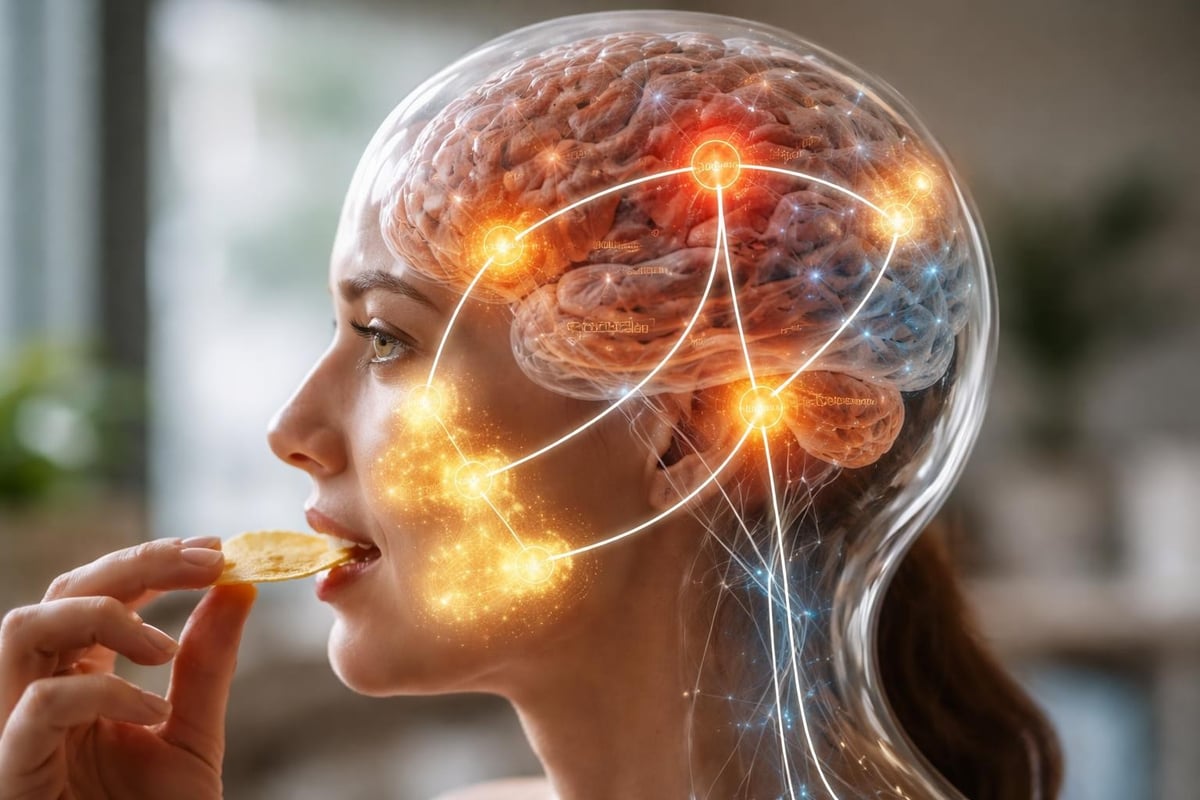
Your brain serves as the command center for every aspect of weight management, including where your body stores and releases fat. The subconscious mind controls approximately 95% of daily decisions, including food choices, portion sizes, stress responses, and movement patterns that directly impact facial fat levels.
Neuroscience reveals that habit formation occurs in the basal ganglia, a brain region that automates repeated behaviors. When unhealthy eating patterns become encoded as neural pathways, breaking free requires more than conscious willpower. Traditional dieting approaches fail because they rely on cognitive control, which fatigues quickly under stress or temptation.
The hypothalamus regulates hunger signals, energy expenditure, and metabolic rate. Chronic dieting disrupts these systems, creating metabolic adaptation that makes fat loss increasingly difficult. Managing stress effectively becomes crucial because elevated cortisol not only promotes abdominal fat storage but also contributes to facial puffiness and fluid retention.
Dopamine pathways govern reward-seeking behavior, making certain foods neurologically irresistible. When these circuits associate processed foods with pleasure and relief, cravings become hardwired responses rather than simple preferences.
By addressing weight loss at the neurological level, you can rewire these automatic patterns. This creates lasting changes that make healthy choices feel natural and effortless, allowing your body to release stored fat from all areas, including the face, without constant mental effort or restriction.
Cardiovascular Exercise for Systemic Fat Loss
Cardiovascular activity represents one of the most effective strategies to lose face fat because it creates the caloric deficit necessary for overall body fat reduction. When you burn more calories than you consume, your body mobilizes fat stores from throughout your entire system, including facial compartments.
Research demonstrates that regular aerobic exercise accelerates fat oxidation and improves metabolic efficiency. The key lies in consistency and intensity rather than duration alone.
Effective cardio approaches include:
- Moderate-intensity steady state: Walking, cycling, or swimming for 30-60 minutes activates fat-burning pathways
- High-intensity interval training: Short bursts of maximum effort followed by recovery periods maximize calorie burn and boost metabolism for hours afterward
- Daily movement accumulation: Taking stairs, parking farther away, and incorporating active breaks throughout the day compounds over time
Most experts recommend 150-300 minutes of moderate-intensity or 75-150 minutes of vigorous-intensity aerobic activity weekly for substantial fat loss. However, the neurological benefits extend beyond calorie expenditure. Exercise releases endorphins that reduce stress, improves insulin sensitivity, enhances sleep quality, and creates positive feedback loops that reinforce healthy behavior patterns.
When combined with brain-based habit reprogramming through Oneleaf's neuroscience approach, cardiovascular exercise becomes easier to maintain because your subconscious mind no longer resists physical activity or creates excuses to avoid movement.
Nutrition Strategies That Target Overall Fat Loss
Dietary modifications form the foundation of any successful effort to lose face fat, yet the approach matters as much as the content. Rather than restricting calories through willpower alone, neuroscience-based nutrition focuses on retraining your brain's relationship with food.
Cutting back on refined carbohydrates and added sugars reduces insulin spikes that promote fat storage while decreasing inflammation that contributes to facial puffiness. Simple carbohydrates trigger dopamine releases that reinforce cravings, creating neurological patterns that perpetuate overeating.
Key nutritional principles for facial fat reduction:
- Increase protein intake: Protein enhances satiety, preserves lean muscle during weight loss, and requires more energy to digest than carbohydrates or fats
- Prioritize whole foods: Vegetables, fruits, lean proteins, and healthy fats provide nutrients that support metabolic function without triggering addictive eating patterns
- Control portion sizes: Using smaller plates, eating slowly, and practicing mindful awareness helps recalibrate hunger signals
- Reduce sodium consumption: Excess salt causes water retention that creates temporary facial bloating and obscures actual fat loss progress
- Stay adequately hydrated: Drinking sufficient water supports metabolic processes, reduces false hunger signals, and prevents fluid retention
The challenge lies not in knowing what to eat but in consistently making optimal choices despite stress, emotions, social pressure, and ingrained habits. Understanding how dietary changes impact facial appearance helps maintain motivation, but sustainable success requires addressing the subconscious drivers of eating behavior.
When you reprogram neural pathways through techniques that combine self-hypnosis, behavioral psychology, and neuroscience, healthy eating transitions from forced discipline to automatic preference. This neurological shift makes it significantly easier to maintain the dietary patterns necessary for long-term fat loss, including reduction in facial fullness.

The Role of Sleep and Stress Management
Sleep quality and stress levels profoundly influence your ability to lose face fat, operating through hormonal pathways that regulate appetite, metabolism, and fat distribution. Chronic sleep deprivation disrupts leptin and ghrelin, the hormones responsible for hunger and fullness signals, making overeating nearly inevitable regardless of conscious intentions.
Research demonstrates that insufficient sleep increases cortisol production, which promotes visceral and facial fat accumulation. Additionally, sleep deprivation impairs decision-making regions in the prefrontal cortex while amplifying activity in reward centers, creating the perfect neurological storm for poor food choices.
Stress management proves equally critical because elevated cortisol not only directs fat storage to the face and midsection but also triggers inflammatory responses that cause facial puffiness and water retention.
Effective stress reduction techniques:
- Meditation and mindfulness: Regular practice reduces cortisol, rewires stress response patterns, and strengthens impulse control
- Deep breathing exercises: Activates the parasympathetic nervous system, counteracting fight-or-flight responses that promote fat storage
- Progressive muscle relaxation: Releases physical tension while creating mental calm
- Time in nature: Lowers stress hormones and provides psychological restoration
- Social connection: Reduces isolation-related stress that often triggers emotional eating
Quality sleep requires consistent bedtime routines, limiting screen exposure before bed, maintaining cool room temperatures, and addressing underlying sleep disorders. Most adults need seven to nine hours nightly for optimal hormonal regulation.
By incorporating stress management alongside other lifestyle changes, you create the neurological and physiological conditions necessary for sustainable fat loss. When stress decreases and sleep improves, your brain naturally makes better decisions about food, movement, and self-care, creating a positive cycle that accelerates facial fat reduction.
Hydration and Its Impact on Facial Appearance
Water intake directly affects facial fullness through multiple mechanisms, making adequate hydration essential for anyone seeking to lose face fat. Paradoxically, insufficient water consumption triggers the body to retain fluids as a protective response, creating bloating and puffiness that obscures facial definition.
Proper hydration supports metabolic processes, enhances fat oxidation, reduces appetite, and eliminates metabolic waste products. When cells receive adequate water, they function more efficiently, including adipocytes that store and release fat.
Recommended daily water intake varies by body size, activity level, and climate, but general guidelines suggest:
- Women: Approximately 2.7 liters (91 ounces) from all beverages and foods
- Men: Approximately 3.7 liters (125 ounces) from all beverages and foods
- Active individuals: Additional 12-16 ounces per 30 minutes of exercise
Practical hydration strategies include drinking water before meals to enhance satiety, replacing sugary beverages with water or unsweetened alternatives, and monitoring urine color as a hydration indicator. Clear to pale yellow indicates adequate hydration, while dark yellow suggests insufficient fluid intake.
Alcohol consumption deserves special attention because it severely dehydrates tissues while providing empty calories that contribute to weight gain. Alcoholic beverages also impair judgment, making overeating more likely, and disrupt sleep quality, compounding the challenges of fat loss.
By maintaining consistent hydration through Oneleaf's brain-based approach to healthy habits, drinking adequate water becomes an automatic behavior rather than something requiring constant reminders or effort.
The Truth About Facial Exercises
Facial exercises generate considerable interest among those hoping to lose face fat, yet understanding their actual effectiveness prevents wasted effort and disappointment. While exercises targeting facial muscles can improve muscle tone and potentially enhance definition, they cannot burn facial fat through spot reduction.
Common facial exercises include:
- Cheek puffs: Filling mouth with air and pushing it from cheek to cheek
- Jaw clenches: Repeated jaw movements intended to define the jawline
- Chin lifts: Tilting the head back and pushing the lower jaw forward
- Smiling exercises: Exaggerated smiling movements to work cheek muscles
These activities may strengthen underlying musculature, but fat loss requires creating a systemic caloric deficit through diet and cardiovascular exercise. The body mobilizes fat stores based on genetic predisposition and hormonal factors, not local muscle activity.
However, facial exercises aren't entirely without merit. Improved muscle tone can create subtle improvements in facial contour as overall body fat decreases. Additionally, the ritual of performing facial exercises might support mindfulness and body awareness, contributing to healthier lifestyle choices generally.
The key lies in maintaining realistic expectations. Facial exercises should complement, not replace, comprehensive strategies that address overall body composition through nutrition, cardiovascular activity, strength training, sleep optimization, and stress management. When combined with neurological reprogramming that makes healthy behaviors automatic, these comprehensive approaches yield genuine, sustainable results for facial fat reduction.

Tracking Progress Beyond the Scale
Monitoring your journey to lose face fat requires methods that capture changes the scale cannot reveal. Body weight fluctuates daily due to water retention, digestive contents, hormonal cycles, and muscle gain, making it an unreliable sole indicator of fat loss progress.
More accurate assessment methods include:
- Progress photographs: Taking consistent photos from multiple angles under similar lighting conditions reveals facial changes that occur gradually
- Measurements: Tracking neck circumference, jawline definition, and facial dimensions provides objective data
- Clothing fit: Noticing how collars, hats, and accessories fit differently indicates genuine body composition changes
- Body fat percentage: Professional assessments through DEXA scans or bioelectrical impedance offer comprehensive composition data
- Energy and wellness markers: Improved sleep quality, enhanced mood, increased energy, and better stress management indicate positive neurological and metabolic changes
Realistic timelines expect gradual progress rather than rapid transformation. Healthy fat loss typically occurs at 0.5-2 pounds weekly, with facial changes becoming noticeable after several weeks of consistent effort. Genetics determine when and how significantly facial fat reduces relative to other body areas.
Patience proves essential because sustainable change requires neurological reprogramming that unfolds over weeks and months, not days. Quick fixes and extreme measures create temporary results that reverse rapidly once unsustainable behaviors cease.
By focusing on behavioral patterns and brain-based changes rather than obsessing over daily weight fluctuations, you maintain motivation through the inevitable plateaus and fluctuations that characterize genuine fat loss. This psychological approach prevents the discouragement that derails most weight loss attempts.
Lifestyle Factors That Influence Facial Fat
Beyond diet and exercise, numerous lifestyle elements affect your ability to lose face fat. These factors operate through hormonal, inflammatory, and neurological pathways that either support or hinder fat loss efforts.
Alcohol consumption deserves particular attention because it contributes empty calories, dehydrates tissues, disrupts sleep architecture, impairs decision-making, and promotes inflammation. Even moderate drinking can sabotage fat loss efforts while creating facial puffiness that obscures progress.
Smoking damages collagen and elastin fibers, accelerating skin aging and creating sagging that emphasizes facial fullness. The inflammatory effects of smoking also promote fluid retention and impair metabolic efficiency.
Environmental toxin exposure from air pollution, household chemicals, and personal care products creates inflammatory responses that manifest as facial puffiness. Minimizing exposure supports overall health and potentially reduces inflammation-related facial swelling.
Social relationships profoundly impact weight loss success through behavioral modeling, emotional support, and accountability mechanisms. Surrounding yourself with people who prioritize health makes healthy choices feel normal rather than restrictive.
Work environments influence eating patterns, stress levels, physical activity, and sleep schedules. Creating workplace boundaries that protect meal timing, movement breaks, and reasonable hours supports the neurological and physiological conditions necessary for fat loss.
Financial stress, relationship challenges, and life transitions trigger emotional eating patterns and elevate cortisol levels. Addressing these psychological factors through comprehensive approaches that include neurological reprogramming creates the mental foundation for sustainable change.
Building Sustainable Habits Through Neuroscience
The ultimate key to losing face fat permanently lies in transforming temporary efforts into automatic behaviors that require minimal conscious effort. Willpower functions as a limited resource that depletes throughout the day, making it an unreliable foundation for lasting change.
Neuroscience reveals that habit formation occurs through repetition that strengthens specific neural pathways. Each time you perform a behavior, myelin sheaths thicken around relevant neural connections, making that behavior increasingly automatic. Eventually, healthy choices become the default response rather than requiring deliberate decision-making.
The habit loop consists of three components:
- Cue: A trigger that initiates the behavior
- Routine: The behavior itself
- Reward: The benefit that reinforces the pattern
Traditional approaches focus on changing the routine through discipline, but this ignores the neurological reality that cues and rewards drive behavior automatically. Effective change requires either modifying environmental cues, restructuring reward associations, or addressing subconscious beliefs that maintain unwanted patterns.
Self-hypnosis and guided visualization access the subconscious mind directly, bypassing conscious resistance that sabotages traditional willpower-based approaches. By communicating with the brain in its native language of imagery, emotion, and sensory experience, these techniques reprogram automatic responses at their source.
Combined with behavioral psychology principles that optimize environmental design, social support, and positive reinforcement, neuroscience-based methods create comprehensive transformation. This approach through Oneleaf makes healthy eating, regular exercise, adequate sleep, and effective stress management feel natural rather than forced, creating the consistent behaviors necessary to lose face fat permanently.
Medical and Professional Considerations
While lifestyle modifications form the foundation for reducing facial fat, certain medical conditions and professional interventions warrant consideration. Underlying health issues can complicate fat loss efforts or create facial fullness unrelated to body fat percentage.
Thyroid disorders, particularly hypothyroidism, slow metabolic rate and promote weight gain including facial puffiness. Hormonal imbalances related to cortisol, estrogen, testosterone, and growth hormone affect fat distribution patterns. Medication side effects from corticosteroids, antidepressants, and other pharmaceuticals contribute to weight gain and facial swelling.
Medical evaluation becomes appropriate when:
- Fat loss efforts produce no results despite consistent lifestyle modifications
- Facial swelling occurs suddenly or asymmetrically
- Additional symptoms suggest hormonal or metabolic dysfunction
- Sleep disorders like sleep apnea contribute to facial puffiness
Professional interventions range from nutritional counseling and personal training to medical weight loss programs and surgical options. However, understanding that systemic fat loss requires comprehensive lifestyle changes prevents unrealistic expectations about any single intervention.
Cosmetic procedures like buccal fat removal, chin liposuction, or facial contouring provide options for those who maintain healthy body composition but have genetically predetermined facial fullness. These surgical approaches carry risks, require recovery time, and produce permanent changes that may not age naturally.
Most individuals achieve satisfactory facial slimming through consistent application of evidence-based lifestyle strategies that address overall body composition. The key lies in patience, realistic expectations, and commitment to sustainable behaviors rather than seeking quick fixes that provide temporary results.
Integrating Multiple Strategies for Optimal Results
Successfully reducing facial fat requires orchestrating multiple interventions that work synergistically rather than relying on any single approach. Cardiovascular exercise, nutrition optimization, strength training, sleep improvement, stress management, and adequate hydration each contribute unique benefits that compound when implemented together.
Creating an integrated plan involves:
- Establishing baseline measurements: Document current weight, body fat percentage, facial photos, and wellness markers
- Setting realistic goals: Target 0.5-2 pounds weekly fat loss and recognize facial changes occur gradually
- Designing sustainable routines: Build exercise, meal planning, and self-care practices that fit your schedule and preferences
- Addressing psychological barriers: Identify emotional triggers, limiting beliefs, and sabotaging patterns that undermine consistency
- Creating environmental support: Modify your physical and social environment to make healthy choices easier than unhealthy ones
- Monitoring and adjusting: Track progress through multiple metrics and refine approaches based on results
The most critical element involves transforming these strategies from temporary efforts into permanent lifestyle patterns. This requires addressing the neurological mechanisms that control automatic behavior, which is where traditional approaches consistently fail.
When you rely solely on conscious willpower, decision fatigue, stress, and environmental cues inevitably trigger old patterns. By reprogramming subconscious drivers through neuroscience-based techniques, healthy behaviors become the path of least resistance rather than constant struggle.
This comprehensive, brain-centered approach creates sustainable fat loss that includes facial areas while improving overall health, energy, mood, and quality of life. Rather than fighting against your brain, you work with its natural mechanisms to create lasting transformation.
Losing facial fat permanently requires addressing overall body composition through sustainable lifestyle changes that become automatic rather than requiring constant effort. The neuroscience-based approach recognizes that lasting transformation happens at the subconscious level, where habits form and automatic behaviors originate. Oneleaf helps you reprogram the neural pathways that control eating behaviors, stress responses, and daily choices, making healthy decisions feel natural and effortless in just 10 minutes daily. When you change your brain, your body follows, creating the comprehensive transformation that reveals a slimmer, more defined facial appearance as part of your overall wellness journey.