Your relationship with food isn't just about willpower or counting calories. The foods you choose directly influence your brain chemistry, hunger signals, and even your ability to make decisions about what to eat next. When you understand how low calorie foods interact with your neurological pathways, you can start making choices that feel natural rather than forced. This knowledge transforms eating from a battle of restriction into an intuitive process where your brain and body work together toward sustainable weight loss.
Understanding Low Calorie Foods and Brain Responses
Low calorie foods aren't simply about reducing numbers on a nutrition label. These foods trigger specific responses in your brain that influence everything from satiety hormones to reward pathways. When you consume nutrient-dense, low-calorie options, your body receives essential vitamins and minerals while your brain registers satisfaction without the blood sugar spikes that lead to cravings.
The satiety value of different foods varies significantly, affecting how full you feel after eating. Foods high in water content, fiber, and protein tend to activate satiety signals more effectively than calorie-dense options. Your brain's hypothalamus monitors these signals, determining when you've had enough to eat.
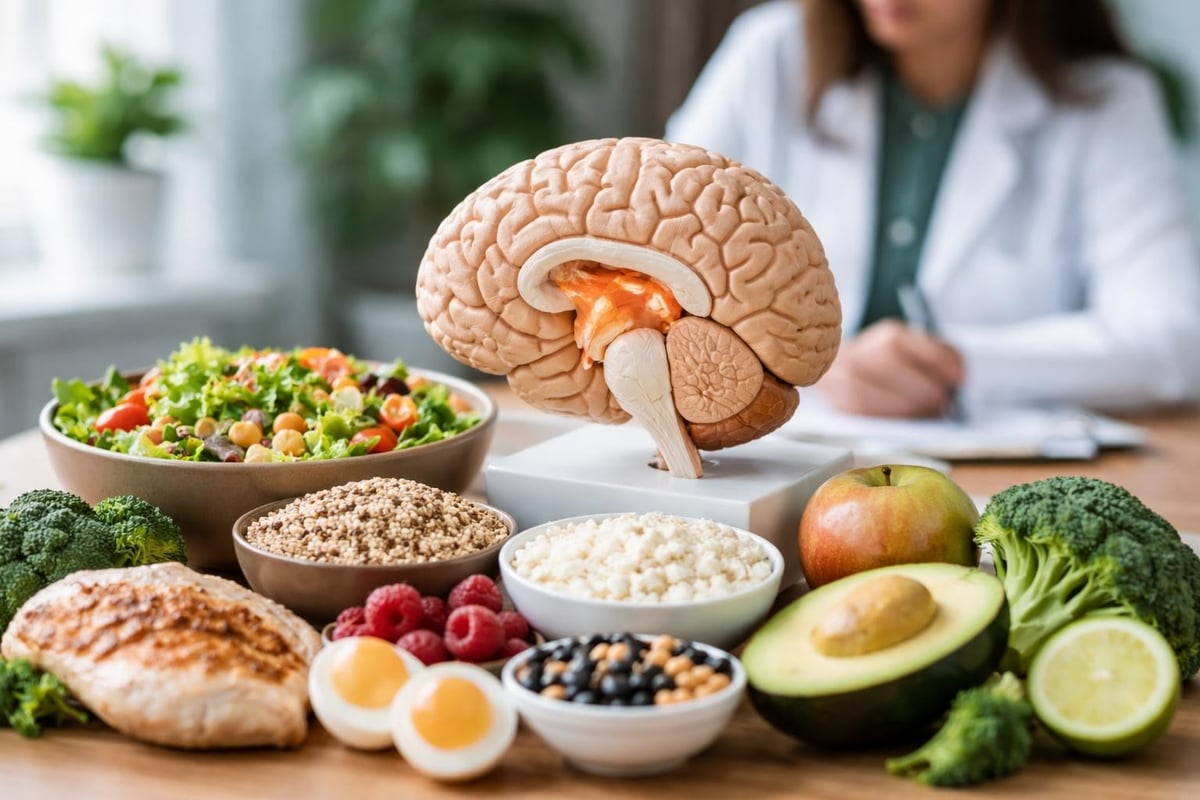
The Neuroscience of Food Choices
Every time you eat, your brain creates neural patterns that influence future decisions. These patterns form through repetition, which is why certain eating habits feel automatic. When you consistently choose low calorie foods that promote fullness, you're literally rewiring your brain to prefer these options.
Your prefrontal cortex handles decision-making, while your limbic system processes emotions and rewards. Traditional dieting creates conflict between these systems, forcing your prefrontal cortex to override emotional desires constantly. This approach depletes mental energy and rarely succeeds long-term.
Instead, sustainable change happens when you align both systems. By choosing satisfying low calorie foods and retraining your subconscious responses, you eliminate the internal battle. Your brain begins associating healthy choices with pleasure and satisfaction rather than deprivation.
Categories of Low Calorie Foods That Support Weight Loss
Understanding which foods deliver maximum nutrition with minimal calories helps you build meals that satisfy both hunger and nutritional needs. These categories form the foundation of eating patterns that feel sustainable rather than restrictive.
Non-Starchy Vegetables
Leafy greens and cruciferous vegetables provide exceptional nutrition with remarkably few calories:
- Spinach (7 calories per cup raw)
- Kale (33 calories per cup raw)
- Broccoli (31 calories per cup raw)
- Cauliflower (25 calories per cup raw)
- Brussels sprouts (38 calories per cup raw)
- Zucchini (20 calories per cup raw)
These vegetables contain high amounts of fiber, which slows digestion and extends feelings of fullness. The fiber also feeds beneficial gut bacteria, which produce short-chain fatty acids that influence appetite-regulating hormones like leptin and ghrelin.
Bell peppers, cucumbers, and celery offer hydration alongside nutrients. The concept of negative-calorie foods suggests these items require nearly as much energy to digest as they provide, though the effect is modest. What matters more is their ability to add volume and crunch to meals without adding significant calories.
Lean Proteins
Protein triggers the release of peptide YY, a hormone that signals fullness to your brain. When you include protein-rich, low calorie foods in your meals, you naturally eat less throughout the day without conscious restriction.
Animal-based options include:
- Chicken breast (165 calories per 3.5 oz)
- Turkey breast (135 calories per 3.5 oz)
- White fish like cod or tilapia (90-120 calories per 3.5 oz)
- Shrimp (99 calories per 3.5 oz)
- Egg whites (52 calories per 3.5 oz)
Plant-based proteins provide variety and additional fiber:
- Lentils (116 calories per cooked cup)
- Black beans (227 calories per cooked cup)
- Tofu (94 calories per 3.5 oz)
- Edamame (188 calories per cooked cup)
- Greek yogurt, non-fat (100 calories per 6 oz container)
The low-fat yogurt options available today offer excellent protein content while keeping calories minimal, making them ideal for breakfast or snacks.
Fruits with High Water Content
While fruits contain natural sugars, many varieties offer substantial nutrition and fiber with relatively few calories. Your brain responds positively to the natural sweetness, satisfying cravings without triggering the overconsumption patterns associated with processed sugars.
Top choices include:
- Watermelon (46 calories per cup)
- Strawberries (49 calories per cup)
- Cantaloupe (54 calories per cup)
- Grapefruit (52 calories per half)
- Oranges (62 calories per medium fruit)
- Apples (95 calories per medium fruit)
- Berries of all types (50-85 calories per cup)
These fruits provide antioxidants that reduce inflammation, supporting overall metabolic health. The fiber content slows sugar absorption, preventing the rapid blood sugar fluctuations that trigger hunger and cravings.

Building Meals That Reprogram Eating Patterns
Creating satisfying meals with low calorie foods requires understanding portion composition and how different foods interact on your plate. When you structure meals strategically, you train your brain to expect and enjoy nutrient-dense options.
The Volume Approach to Eating
Your stomach contains stretch receptors that signal fullness to your brain. By choosing foods with high volume but low calorie density, you activate these receptors while consuming fewer calories. This approach works with your body's natural systems rather than against them.
Practical application:
- Fill half your plate with non-starchy vegetables
- Add a palm-sized portion of lean protein
- Include a serving of fruit or a small amount of whole grains
- Add healthy fats sparingly for flavor and nutrient absorption
This composition ensures adequate nutrition while keeping calorie totals moderate. Your brain receives signals of abundance rather than scarcity, reducing the psychological stress that triggers overeating.
The National Heart, Lung, and Blood Institute's guide categorizes foods into "GO," "SLOW," and "WHOA" groups, providing a framework for making choices that support health and weight management. Most low calorie foods fall into the "GO" category, foods you can eat freely without concern.
Enhancing Flavor Without Adding Calories
One major obstacle to enjoying low calorie foods is the perception that they lack flavor. However, herbs, spices, and fermented foods dramatically improve taste without adding meaningful calories.
Flavor enhancement strategies:
- Fresh herbs like basil, cilantro, parsley, and mint
- Spices including cumin, paprika, turmeric, and cinnamon
- Citrus juice and zest from lemons, limes, and oranges
- Vinegars such as balsamic, apple cider, and rice wine vinegar
- Fermented foods like sauerkraut, which adds probiotic benefits alongside tangy flavor
Healthy fats in small amounts also boost satisfaction. While not extremely low in calories themselves, small portions of avocado, nuts, seeds, or olive oil help you absorb fat-soluble vitamins and increase meal satisfaction. Guacamole made with fresh ingredients provides healthy fats and flavor when used as a condiment rather than a main dish.
Condiments like peanut chutney offer concentrated flavor that allows you to use less while still enjoying your meal. This mindful approach to flavor helps retrain your palate to appreciate subtle tastes rather than requiring intense sweetness or saltiness.
How Your Brain Learns to Prefer Healthy Options
The transition to preferring low calorie foods doesn't happen through force or willpower. Your brain changes through repeated positive experiences that create new neural pathways. Understanding this process helps you approach the transition with patience and realistic expectations.
The Role of Dopamine in Food Preferences
Dopamine, often called the "reward chemical," plays a crucial role in habit formation. Highly processed foods trigger massive dopamine releases, creating powerful cravings and associations. When you reduce cravings naturally, you're essentially retraining your dopamine response.
Initially, low calorie foods may seem less exciting because your brain expects the intense stimulation of processed options. However, as you consistently choose nutrient-dense foods and pair them with positive experiences, your brain begins releasing dopamine in response to these healthier choices.
This neural rewiring happens through:
- Repeated exposure to new foods
- Mindful eating practices that enhance enjoyment
- Removing negative associations with healthy eating
- Creating positive emotional contexts around meals
- Reducing exposure to hyperpalatable processed foods
Over time, your brain actually begins craving the foods that make you feel good physically rather than those that provide only momentary pleasure followed by crashes and discomfort.
Breaking the Restriction-Binge Cycle
Traditional calorie counting often creates a mental framework of "good" and "bad" foods, leading to guilt, anxiety, and eventual rebellion against dietary rules. This psychological pattern keeps people trapped in cycles of restriction followed by overeating.
When you approach weight loss through neuroscience, you eliminate this harmful cycle. Instead of forcing yourself to eat low calorie foods through willpower, you retrain your subconscious mind to genuinely prefer them. This shift happens at the neurological level, making healthy choices feel automatic rather than difficult.
Your amygdala, the brain's fear center, responds to deprivation by increasing anxiety and triggering stress eating. By choosing satisfying low calorie foods in adequate quantities, you signal safety to your brain. This reduces stress hormones like cortisol, which otherwise promote fat storage and increase appetite.

Practical Strategies for Daily Implementation
Knowledge about low calorie foods means nothing without practical application. These strategies help you integrate beneficial foods into your daily routine while supporting the neurological changes that make healthy eating effortless.
Meal Preparation and Planning
Batch cooking vegetables ensures you always have nutritious options available. When hunger strikes and your prefrontal cortex is tired, you'll reach for whatever requires the least effort. Having prepared vegetables ready to eat removes barriers to healthy choices.
Simple preparation methods:
- Roast multiple trays of mixed vegetables weekly
- Prep salad ingredients and store them separately
- Cook large batches of lean proteins to use throughout the week
- Wash and portion fruits for grab-and-go snacks
- Prepare vegetable-based soups for quick meals
This approach doesn't require perfection. Even preparing just two or three components in advance significantly increases your likelihood of choosing low calorie foods throughout the week.
Mindful Eating Practices
Your brain needs time to register fullness signals, typically about 20 minutes. When you eat quickly while distracted, you consume far more than your body needs before satiety signals reach conscious awareness. Slowing down transforms the eating experience and naturally reduces calorie intake.
Mindfulness techniques that support healthy eating:
- Put your fork down between bites
- Chew thoroughly and notice flavors and textures
- Eliminate screens and other distractions during meals
- Take three deep breaths before eating
- Ask yourself if you're actually hungry or eating for other reasons
These practices strengthen the connection between your conscious mind and your body's natural hunger and fullness signals. Over time, you develop genuine awareness of what your body needs rather than relying on external rules.
Nutrient Density Beyond Calorie Counting
The most effective low calorie foods provide substantial nutrition, not just minimal calories. This distinction matters because your brain monitors nutrient status alongside energy intake. When you consume adequate micronutrients, your body sends satisfaction signals even with fewer calories.
Essential Micronutrients in Low Calorie Foods
Vitamins and minerals support thousands of biochemical processes, including those that regulate metabolism and appetite. Deficiencies in certain nutrients can actually increase hunger and cravings as your body seeks the missing compounds.
Key nutrients abundant in low calorie foods:
- Vitamin C (bell peppers, strawberries, broccoli) supports immune function and collagen production
- Vitamin K (leafy greens, Brussels sprouts) aids blood clotting and bone health
- Potassium (spinach, mushrooms, zucchini) regulates blood pressure and cellular function
- Magnesium (leafy greens, legumes) supports nerve function and energy production
- Iron (lentils, spinach, lean meats) enables oxygen transport and prevents fatigue
- Calcium (leafy greens, low-fat dairy) maintains bone health and muscle function
The recommendations from Canada's Food Guide emphasize choosing nutrient-dense foods across all categories, ensuring adequate nutrition while maintaining appropriate calorie levels.
Phytonutrients and Antioxidants
Beyond basic vitamins and minerals, low calorie foods contain thousands of beneficial plant compounds. These phytonutrients reduce inflammation, protect against oxidative stress, and support healthy cellular function throughout your body.
Colorful vegetables and fruits provide different phytonutrient profiles. Eating a rainbow of colors ensures you receive diverse beneficial compounds that work synergistically to support health and weight management.
Research reviewed in Food, Nutrition, Physical Activity and the Prevention of Cancer: a Global Perspective demonstrates that diets rich in vegetables, fruits, and other low calorie foods reduce disease risk while supporting healthy body weight.
Creating Sustainable Change Through Neural Reprogramming
The ultimate goal isn't simply to know which low calorie foods to eat, but to reach a point where choosing them feels natural and enjoyable. This transformation requires changing the subconscious patterns that drive automatic eating behaviors.
The Subconscious Mind and Eating Habits
Research indicates that over 95% of your daily decisions happen subconsciously. You don't consciously think about most food choices; you automatically reach for familiar options based on established neural patterns. This is why willpower-based approaches fail. You can't consciously override subconscious programming indefinitely.
When you retrain your subconscious mind around food, you change the automatic programming that drives your choices. Instead of fighting against ingrained patterns, you update them at the source. This creates lasting change because healthy choices become the new default.
Techniques that access the subconscious include:
- Guided visualization of enjoying healthy foods
- Self-hypnosis sessions focused on natural appetite regulation
- Behavioral psychology principles applied to eating patterns
- Stress management practices that prevent emotional eating
- Sleep optimization, since sleep deprivation disrupts appetite hormones
These methods work with your brain's natural plasticity, the ability to form new neural connections throughout life. Just 10 minutes daily of focused practice can significantly reshape your relationship with food over several weeks.
Stress, Sleep, and Food Choices
Your brain's ability to make healthy decisions depends heavily on your overall neurological state. Chronic stress and poor sleep dramatically impair prefrontal cortex function while amplifying limbic system responses. This combination makes you far more likely to choose high-calorie comfort foods over nutritious options.
Cortisol and ghrelin, stress and hunger hormones respectively, both increase with inadequate sleep. Meanwhile, leptin (the satiety hormone) decreases. This hormonal shift creates intense cravings for calorie-dense foods while reducing satisfaction from meals.
By managing stress through evidence-based techniques and prioritizing sleep, you create the neurological conditions necessary for making choices aligned with your goals. Low calorie foods become genuinely appealing rather than options you force yourself to choose.
Specific Low Calorie Foods Worth Incorporating
Beyond general categories, certain specific foods offer exceptional benefits for weight loss and overall health. Incorporating these items regularly provides variety while ensuring robust nutrition.
Cruciferous Vegetables and Metabolic Health
Broccoli, cauliflower, cabbage, and Brussels sprouts contain compounds called glucosinolates that support liver detoxification pathways. Your liver processes hormones, toxins, and metabolic waste; supporting its function indirectly benefits weight regulation.
These vegetables also provide sulforaphane, a compound with anti-inflammatory properties that may improve insulin sensitivity. Better insulin function helps stabilize blood sugar, reducing cravings and energy crashes.
Fermented Foods and Gut Health
Your gut microbiome influences appetite regulation, nutrient absorption, and even mood. Low calorie fermented foods provide probiotics that support beneficial bacterial populations.
Beyond sauerkraut, consider:
- Kimchi (15-20 calories per half cup)
- Plain kefir (100 calories per cup)
- Unsweetened kombucha (30 calories per cup)
- Miso (35 calories per tablespoon)
These foods add flavor variety while supporting the gut-brain axis, the bidirectional communication system between your digestive system and central nervous system.
Root Vegetables in Moderation
While higher in calories than leafy greens, certain root vegetables provide sustained energy and important nutrients. Yams offer complex carbohydrates, fiber, and vitamin C in a package that your body digests slowly, providing steady energy without blood sugar spikes.
Other beneficial root vegetables:
- Beets (58 calories per cup, cooked)
- Turnips (34 calories per cup, cooked)
- Radishes (19 calories per cup, raw)
- Carrots (52 calories per cup, raw)
These foods work well in roasted vegetable medleys or as components of Buddha bowls that combine proteins, vegetables, and small amounts of whole grains.
The Psychology of Abundance Versus Scarcity
Your mindset around food directly influences your neurological responses and ultimately your success with weight management. Approaching low calorie foods from a perspective of abundance rather than deprivation creates entirely different brain responses.
Reframing "Diet" Mentality
The word "diet" typically implies temporary restriction and sacrifice. This framing activates threat responses in your brain, increasing stress hormones and triggering the desire to rebel against imposed rules. Even when you intellectually understand that low calorie foods benefit you, the subconscious resistance to restriction undermines your efforts.
Instead, frame healthy eating as adding beneficial foods rather than eliminating problematic ones. When you focus on incorporating more vegetables, fruits, lean proteins, and other nutritious options, you naturally crowd out less beneficial choices without triggering deprivation responses.
This subtle shift in perspective makes an enormous difference in sustainability. You're not "giving up" foods you love; you're discovering new foods that make you feel energized and satisfied.
Celebrating Non-Scale Victories
Weight loss happens as a natural consequence of neurological and behavioral changes, but focusing exclusively on the scale creates unnecessary stress. Your brain responds better to celebrating immediate positive experiences: increased energy, better sleep, improved mood, reduced bloating, clearer thinking.
Track these markers alongside or instead of weight:
- How you feel physically throughout the day
- Quality of sleep and morning energy
- Digestive comfort and regularity
- Mental clarity and focus
- Emotional stability and stress resilience
- Strength and endurance improvements
These indicators reflect the neurological and physiological changes happening as you incorporate more low calorie foods and retrain your eating patterns. They provide positive reinforcement that strengthens new neural pathways.
Understanding which low calorie foods support weight loss and how they interact with your brain's chemistry provides the foundation for lasting change. The real transformation happens when you move beyond intellectual knowledge to subconscious reprogramming, making healthy choices feel automatic rather than forced. Oneleaf helps you bridge this gap through daily neuroscience-based audio sessions that retrain your subconscious mind, reduce cravings, and eliminate the mental patterns that lead to overeating. In just 10 minutes a day, you can rewire your relationship with food so that choosing nutritious options feels effortless and natural, creating results that last.