Finding the right low calorie snacks for weight loss isn't just about counting numbers on a nutrition label. Your brain responds differently to various foods, triggering distinct neurological patterns that either support or sabotage your weight loss goals. When you understand how your subconscious mind processes hunger cues and satisfaction signals, choosing snacks becomes less about restriction and more about rewiring automatic behaviors. The most effective approach combines strategic food choices with an understanding of the neural mechanisms that drive your eating patterns, creating lasting change without the constant battle of willpower.
Understanding the Neuroscience Behind Smart Snacking
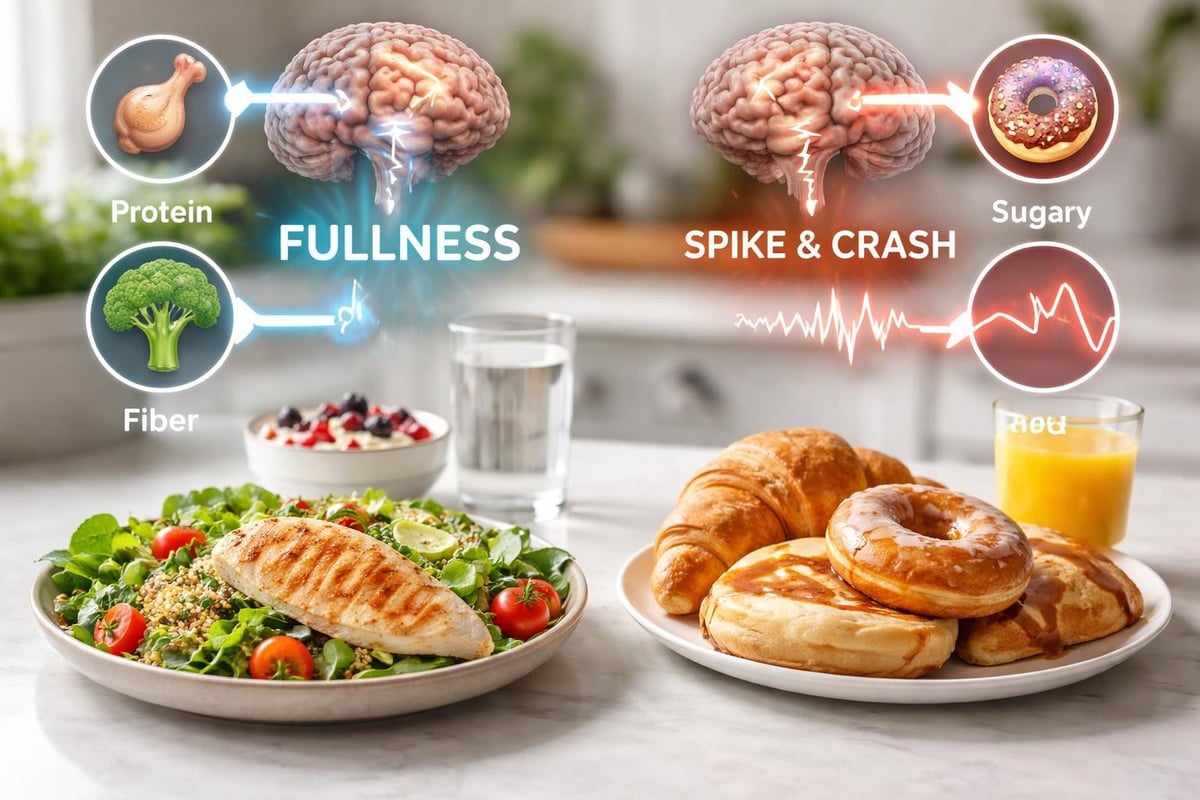
Your brain doesn't simply register calories. It processes complex signals involving taste, texture, volume, nutrient density, and emotional associations. When you consume a snack, your hypothalamus evaluates satiety while your limbic system assesses reward value. This dual processing explains why 100 calories of vegetables can leave you satisfied while 100 calories of candy triggers more cravings within an hour.
The key to successful snacking lies in selecting foods that communicate fullness to your brain while providing genuine nutritional value. Research shows that protein and fiber send stronger satiety signals than simple carbohydrates, helping your subconscious mind recognize genuine satisfaction rather than temporary pleasure.
The Psychology of Portion and Satisfaction
Volume matters tremendously when retraining your brain's perception of adequate portions. High-volume, low-calorie snacks allow you to eat substantial amounts without exceeding your energy needs. This approach satisfies both the psychological need to feel physically full and the neurological requirement for adequate nutrition.
Your brain measures satisfaction through multiple pathways:
- Stretch receptors in your stomach that signal physical fullness
- Blood glucose levels that indicate energy availability
- Nutrient sensors that detect vitamins, minerals, and amino acids
- Dopamine responses that create feelings of reward and pleasure
- Ghrelin suppression that reduces hunger hormone production
When you choose snacks strategically, you activate all these pathways simultaneously, creating comprehensive satisfaction that prevents the cycle of constant snacking.
Protein-Rich Options That Satisfy Your Brain
Protein stands as the most satiating macronutrient, triggering the release of peptide YY and GLP-1, hormones that directly communicate fullness to your brain. Unlike quick-digesting carbohydrates, protein requires more energy to metabolize and provides sustained amino acid release into your bloodstream.
Greek yogurt delivers exceptional value for weight loss efforts. A single cup contains approximately 100-150 calories while providing 15-20 grams of protein. The thick texture activates oral sensory receptors that enhance satisfaction, and the fermentation process creates probiotics that support gut health and mood regulation through the gut-brain axis.
Hard-boiled eggs represent nature's perfect pre-portioned snack. At roughly 70 calories each, eggs provide all essential amino acids plus choline, which supports neurotransmitter production. Your brain recognizes eggs as nutrient-dense food, triggering deeper satisfaction than calorie-equivalent processed options.
Seafood Snacks for Neurological Benefits
Incorporating seafood into your snack routine provides omega-3 fatty acids that support brain function and reduce inflammation. Shrimp cocktail offers an impressive 85 calories per three-ounce serving with 18 grams of protein. The substantial chewing required activates satiety mechanisms in your brain stem before the food even reaches your stomach.
Canned sardines might seem unconventional, but they deliver 100 calories with 13 grams of protein per two-ounce serving. The omega-3 content specifically supports the prefrontal cortex, the brain region responsible for impulse control and decision-making around food choices.
Fiber-Forward Snacks That Train Your Appetite
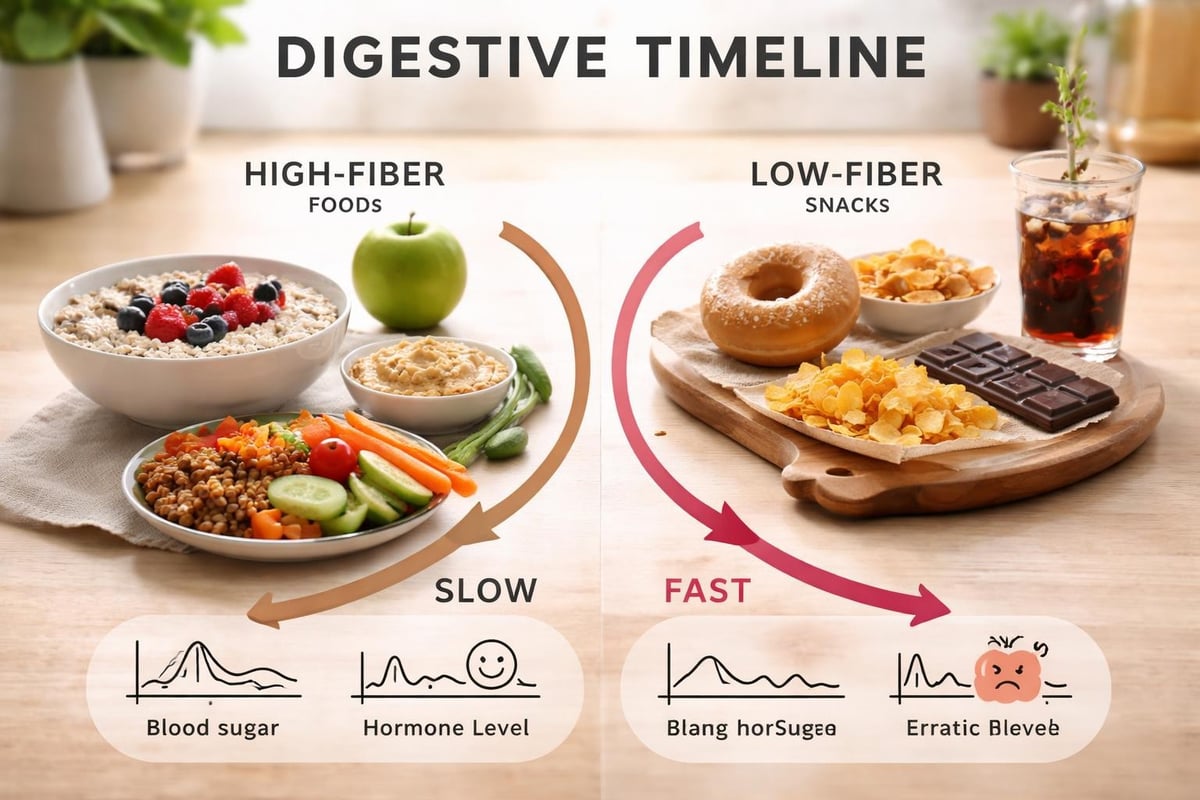
Fiber creates physical volume in your digestive system while slowing glucose absorption, preventing the blood sugar spikes that trigger reactive hunger. When your brain receives steady glucose instead of dramatic fluctuations, it maintains balanced hunger hormones throughout the day.
Vegetables with hummus create an ideal combination of fiber, protein, and healthy fats. Two tablespoons of hummus with unlimited cucumber, celery, and bell pepper strips total approximately 100-120 calories while providing substantial crunch and volume. The repetitive chewing activates the vagus nerve, which communicates satiety signals from your gut to your brain.
Air-popped popcorn deserves special recognition among low calorie snacks for weight loss. Three cups contain only 90 calories while delivering impressive volume that satisfies the psychological need to eat a substantial portion. The whole grain provides fiber that feeds beneficial gut bacteria, which produce neurotransmitter precursors affecting mood and appetite regulation.
Fruit as Strategic Fuel
Fresh berries combine natural sweetness with exceptional fiber content. One cup of strawberries contains just 50 calories, while blueberries provide antioxidants that protect brain cells from oxidative stress. The natural sugars satisfy sweet cravings while the fiber prevents the insulin spike that would occur with candy or baked goods.
Apples with their skin intact deliver both soluble and insoluble fiber. A medium apple contains 95 calories and requires substantial chewing time, allowing your brain's satiety centers to activate before you finish eating. This natural pacing mechanism helps prevent the mindless overconsumption that occurs with processed snacks requiring minimal chewing.
Smart Dairy Choices for Sustained Energy
Cottage cheese has emerged as a weight loss staple for good reason. A half-cup serving provides 80-90 calories with 12-14 grams of protein. The casein protein digests slowly, providing steady amino acid release for hours. This sustained nutrition prevents the energy crashes that trigger impulsive snacking.
String cheese offers perfect portion control at 80 calories per piece. The physical act of peeling the cheese slows consumption, giving your brain time to register satisfaction. The combination of protein and fat activates reward pathways more effectively than fat-free alternatives, preventing feelings of deprivation that undermine long-term success.
Recent research highlighted by Cleveland Clinic's comprehensive guide emphasizes that planned snacking prevents the extreme hunger that leads to poor decisions. When you maintain stable blood sugar through strategic snack timing, your prefrontal cortex remains in control rather than your primitive brain regions that seek immediate caloric density.
Preparing Your Environment for Success
Your physical environment shapes unconscious eating patterns more powerfully than conscious willpower. When low calorie snacks for weight loss are visible and accessible while processed options require effort to obtain, your brain defaults to the easier choice.
Preparation strategies that work with your brain:
- Pre-portion snacks immediately after grocery shopping so grabbing them requires zero decision-making
- Place prepared vegetables at eye level in clear containers to trigger visual appetite for healthy options
- Store nuts in small containers (1-ounce portions contain 160-180 calories) to prevent mindless handfuls
- Keep frozen grapes readily available for a naturally sweet option at 60 calories per cup
- Prepare snack combinations in advance so choosing healthy options requires less mental energy than unhealthy alternatives
This environmental design works because your subconscious mind constantly seeks the path of least resistance. When healthy choices become the easiest choices, you reprogram automatic behaviors without relying on depleting willpower reserves.
Timing Snacks to Support Neurological Patterns
Your brain operates on predictable energy cycles throughout the day. Strategic snacking during natural energy dips prevents the desperate hunger that overwhelms rational decision-making. Most people experience decreased glucose availability mid-morning (around 10 AM) and mid-afternoon (around 3 PM), making these optimal times for planned snacks.
Eating protein-rich snacks during these windows stabilizes neurotransmitter production. Dopamine and serotonin synthesis both require amino acids, meaning inadequate protein intake can trigger mood changes that feel like hunger but actually represent neurochemical imbalances.
Understanding True Hunger Versus Habitual Patterns
Your brain often confuses boredom, stress, or thirst with genuine hunger. Before reaching for any snack, implementing a simple pause allows your prefrontal cortex to evaluate actual need versus automatic habit. This momentary awareness activates conscious brain regions that otherwise remain dormant during habitual eating.
Genuine physiological hunger develops gradually and accepts various food options. Emotional or habitual cravings appear suddenly and demand specific foods, usually those high in sugar, salt, or fat. Recognizing these patterns represents the first step in retraining your brain's automatic responses.
Combining Macronutrients for Optimal Satisfaction
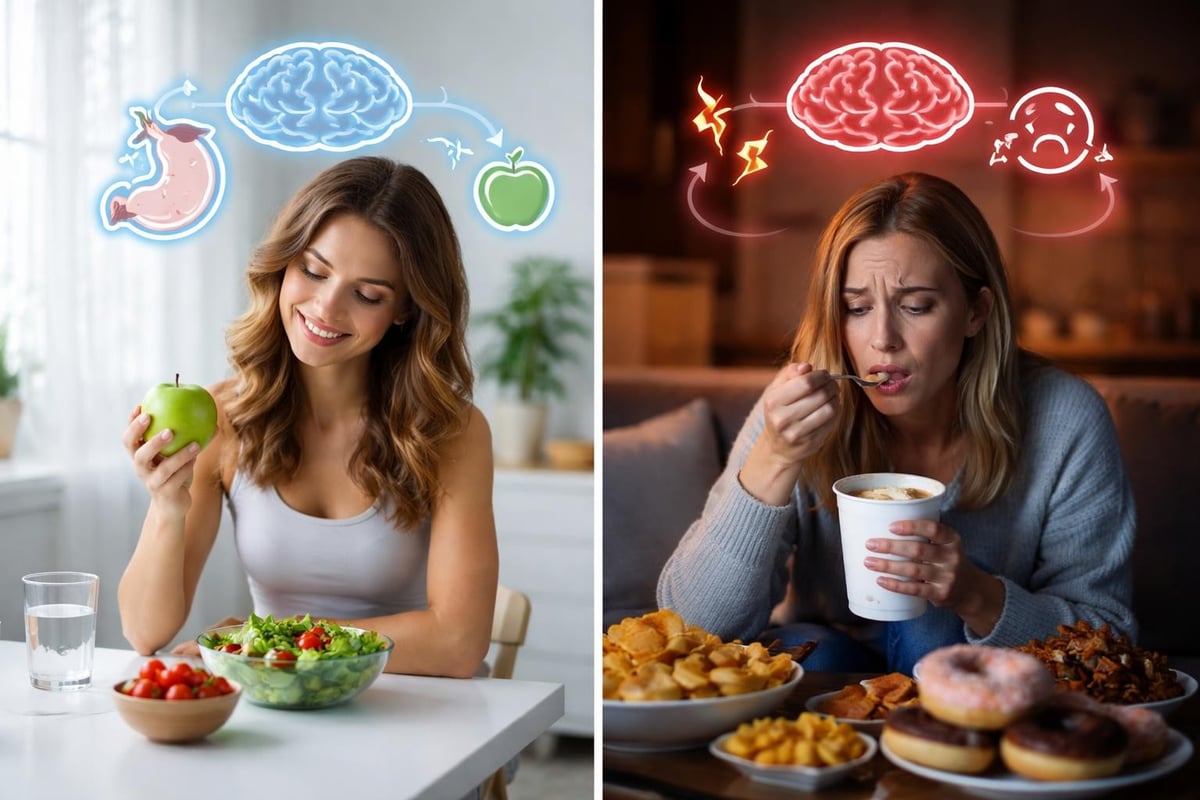
While individual low calorie snacks for weight loss provide benefits, combining macronutrients creates superior neurological satisfaction. A snack containing protein, healthy fat, and fiber triggers multiple satiety pathways simultaneously, creating comprehensive fullness that prevents subsequent overeating.
Winning combinations under 200 calories:
- Rice cakes (2) with almond butter (1 tablespoon) and banana slices
- Cherry tomatoes with mozzarella pearls and fresh basil
- Celery sticks with peanut butter and raisins
- Whole grain crackers with tuna and cucumber
- Apple slices with sharp cheddar cheese
These combinations require your brain to process complex flavors and textures, increasing eating time and allowing satiety hormones to activate before you finish. The variety of nutrients signals abundance to your subconscious mind, preventing the scarcity mindset that triggers binge behaviors.
High-Volume Strategies for Maximum Satisfaction
Research on high-volume, low-calorie foods demonstrates that physical stomach distension triggers mechanical receptors that signal fullness independent of caloric content. This means you can literally fill your stomach with minimal energy intake, satisfying the primal drive to feel physically full.
Vegetable-based soups exemplify this principle. A bowl of vegetable soup contains 50-100 calories while providing substantial volume. The warm liquid triggers additional satiety mechanisms compared to cold foods, and the extended eating time allows your brain to register satisfaction before you consume excessive calories.
Watermelon and other water-rich fruits provide similar benefits. Two cups of watermelon contain only 90 calories while delivering substantial volume and natural sweetness. The high water content hydrates while the natural sugars satisfy cravings without triggering the blood sugar rollercoaster of processed sweets.
Creating Visual Appeal
Your brain begins the digestive process before food enters your mouth. Visual presentation triggers anticipatory responses that influence satisfaction levels. Arranging colorful vegetables attractively on a plate or serving berries in a beautiful bowl activates reward pathways that enhance the eating experience without adding calories.
This principle explains why restaurant portions often satisfy despite containing less food than home servings. Professional plating creates visual abundance that communicates plenty to your subconscious mind, demonstrating that perception shapes satisfaction as powerfully as actual quantity.
Addressing Common Snacking Pitfalls
Even with healthy options available, certain patterns undermine weight loss efforts. Distracted eating while watching television or working prevents your brain from fully registering consumption. Studies show that people eating while distracted consume significantly more calories because their attention never focuses on satiety signals.
Your brain requires conscious awareness to process eating events into memory. When you snack unconsciously, your subconscious mind literally doesn't remember eating, leaving you feeling unsatisfied despite adequate caloric intake. This mechanism explains the phenomenon of opening the refrigerator repeatedly without remembering what you already consumed.
Mindful snacking practices that enhance satisfaction:
- Sit down without distractions when eating
- Place food on a plate rather than eating from packages
- Chew thoroughly and notice flavors, textures, and temperatures
- Put utensils down between bites to slow consumption
- Rate hunger levels before and after snacking on a 1-10 scale
These simple practices activate your prefrontal cortex, creating conscious awareness that allows your brain to properly register nourishment and satisfaction.
Building a Sustainable Snacking Framework
Unlike restrictive diets that inevitably trigger rebellion from your subconscious mind, building a flexible framework of preferred low calorie snacks for weight loss creates sustainable patterns. Your brain responds positively to structure combined with choice, allowing you to feel in control while maintaining options.
Creating a personal menu of 10-15 preferred snacks eliminates decision fatigue while preventing boredom. When you rotate through favorite options rather than eating identically every day, you maintain interest and satisfaction while still operating within a structured framework that supports your goals.
Resources like Healthline's comprehensive snack guide provide extensive options, but the key involves identifying which specific snacks your individual brain finds satisfying. Some people feel most satisfied by crunchy foods, while others prefer creamy textures. Honoring your personal preferences within healthy parameters creates adherence that restriction never achieves.
Adapting to Social Situations
Social gatherings present unique challenges because food choices carry social meaning beyond nutrition. Your brain processes these situations through both nutritional and social lenses, creating complex decision-making scenarios. Planning ahead by eating a protein-rich snack before events prevents arriving desperately hungry, when your primitive brain regions override rational planning.
Bringing your own healthy options to gatherings demonstrates commitment while ensuring suitable choices exist. Most people appreciate guests who contribute, and having familiar healthy options available prevents the feeling of deprivation that triggers later overeating.
Progressive Implementation for Lasting Change
Your brain resists dramatic overnight changes, perceiving them as threats to established patterns. Gradually introducing healthier snacks while slowly reducing processed options allows your neural pathways to adapt without triggering resistance. This progressive approach respects your brain's need for gradual adaptation while moving steadily toward your goals.
Start by replacing one daily snack with a healthier alternative. After a week or two, when this choice feels automatic, replace another. This incremental approach builds new neural pathways without overwhelming your system, creating permanent changes rather than temporary compliance followed by rebellion.
Studies on sustainable weight loss consistently show that gradual changes produce better long-term results than dramatic overhauls. Your subconscious mind learns through repetition and consistency, not through dramatic gestures that prove unsustainable.
Tracking Patterns Without Obsession
Awareness differs fundamentally from obsession. Noticing which snacks genuinely satisfy you versus which leave you wanting more provides valuable information without requiring rigid tracking. Your brain learns from observation, allowing patterns to emerge naturally when you pay attention without judgment.
Some people find that keeping a simple log of how different snacks affect their energy, mood, and subsequent hunger provides insights that inform better choices. This information-gathering approach activates your conscious mind as an ally in retraining unconscious patterns, creating partnership between different brain systems rather than internal conflict.
The goal involves developing intuitive understanding of how your unique brain responds to various foods, creating personalized knowledge that no generic diet plan can provide.
Creating Food Freedom Through Understanding
True food freedom emerges not from eating whatever you want whenever you want, but from understanding your brain's responses so deeply that healthy choices feel natural rather than forced. When you comprehend how protein stabilizes your mood, how fiber prevents energy crashes, and how volume satisfies your psychological need for abundance, choosing low calorie snacks for weight loss becomes preference rather than punishment.
This shift from external rules to internal understanding represents the difference between temporary compliance and permanent transformation. Your brain stops fighting against restriction because restriction no longer exists. Instead, you've developed sophisticated awareness that naturally guides choices aligned with your wellbeing.
Additional perspectives from expert nutritional guidance reinforce that sustainable weight loss emerges from working with your body's natural systems rather than against them. When hunger receives appropriate responses rather than being ignored or indulged excessively, your metabolism and hormones stabilize into patterns that support rather than sabotage your goals.
Smart snacking forms one component of comprehensive weight loss success, but lasting change requires addressing the subconscious patterns that drive eating behaviors. Instead of constantly battling cravings through willpower, what if healthy choices simply felt natural and automatic? Oneleaf uses neuroscience-based audio sessions to reprogram the mental patterns that lead to overeating, helping you build the internal foundation where choosing nutritious snacks becomes effortless rather than exhausting. When you change your brain, everything else follows naturally.