The optifast diet plan has been helping people achieve significant weight loss for over four decades. This medically supervised program uses meal replacements to create a controlled calorie deficit, allowing participants to lose weight rapidly while maintaining proper nutrition. Unlike quick-fix diets that promise unrealistic results, Optifast operates under medical guidance and has been backed by scientific research supporting its efficacy in weight management. Understanding how this structured program works, what it involves, and whether it aligns with your needs can help you make an informed decision about your weight loss journey.
Understanding the Optifast Program Structure
The optifast diet plan operates as a very low-calorie diet (VLCD) that replaces conventional meals with nutritionally complete products. This approach allows participants to consume between 800 and 1,000 calories daily while still meeting their body's essential nutrient requirements.
The OPTIFAST® VLCD Program follows a structured approach designed to produce safe, effective weight loss. Participants work closely with healthcare professionals throughout their journey, ensuring medical oversight and support at every stage.

Phase One: Intensive Weight Loss
During the initial intensive phase, participants replace all conventional meals with Optifast products. This phase typically lasts 12 weeks but can be extended depending on individual goals and medical recommendations.
Key characteristics of this phase include:
- Complete meal replacement with shakes, soups, and bars
- Strict adherence to 800-1,000 calories per day
- Weekly medical monitoring and support
- Rapid weight loss results
- Metabolic adaptation to lower caloric intake
Most people experience their most significant weight loss during this intensive period. The body enters a state of ketosis, which helps reduce hunger and accelerate fat burning while preserving lean muscle mass.
Phase Two: Transition Period
The transition phase gradually reintroduces conventional foods while maintaining some meal replacements. This critical period helps participants learn sustainable eating patterns that will support long-term success.
During transition, you'll work with healthcare professionals to:
- Slowly add solid foods back into your diet
- Learn portion control and balanced nutrition
- Continue using some Optifast products as meal replacements
- Develop practical strategies for real-world eating situations
- Address emotional and psychological aspects of eating
This phase typically lasts 6 to 8 weeks, allowing your body and mind to adjust gradually. The goal is building confidence in making healthy food choices independently while maintaining your weight loss achievements.
Phase Three: Long-Term Maintenance
The final phase focuses on sustaining your weight loss through balanced nutrition and healthy lifestyle habits. While some participants continue using occasional Optifast products, most transition to regular meals guided by the principles learned during the program.
Successful maintenance requires ongoing attention to behavioral patterns, stress management, and the psychological factors that influence eating. This is where understanding your brain's role in weight regulation becomes essential. Visit Oneleaf's weight loss program to discover how neuroscience-based approaches can support lasting change.
What Makes the Optifast Diet Plan Different
The optifast diet plan distinguishes itself through medical supervision and comprehensive support systems. Unlike commercial diet programs you can start independently, Optifast requires enrollment through healthcare providers who monitor your progress and health markers throughout the program.
Medical oversight provides several critical advantages:
- Regular health screenings and blood work monitoring
- Professional guidance on medication adjustments as weight decreases
- Early identification of potential complications
- Personalized modification of the program based on individual response
- Access to registered dietitians and behavioral specialists
This medical framework ensures safety, particularly for people with obesity-related health conditions like type 2 diabetes, high blood pressure, or sleep apnea. Healthcare providers can adjust the program to accommodate these conditions while maximizing weight loss benefits.

Nutritional Completeness and Product Options
One significant advantage of the optifast diet plan involves its nutritionally balanced formulations. Each product provides essential vitamins, minerals, and macronutrients your body needs to function optimally despite the reduced calorie intake.
| Nutrient Category | Coverage in Optifast Products |
|---|---|
| Protein | High-quality protein to preserve muscle mass |
| Vitamins | Complete spectrum meeting daily requirements |
| Minerals | Essential minerals including calcium and iron |
| Fiber | Adequate fiber for digestive health |
| Carbohydrates | Controlled amounts for energy needs |
The program offers variety through different product formats:
- Shakes in multiple flavors (chocolate, vanilla, strawberry)
- Savory soups for meal variety
- Nutrition bars for convenient options
- Dessert-style products for psychological satisfaction
This variety helps prevent boredom and makes adherence easier over the 12-week intensive phase. Many participants report that having options reduces feelings of deprivation commonly associated with restrictive diets.
Expected Weight Loss Results
According to research on the OPTIFAST program, participants can expect to lose significant weight, particularly during the intensive phase. On average, people lose 1.5 to 2.5 pounds per week, though individual results vary based on starting weight, adherence, and metabolic factors.
Factors influencing weight loss outcomes include:
- Starting body weight and composition
- Metabolic rate and hormonal balance
- Adherence to the program protocols
- Physical activity levels
- Sleep quality and stress management
- Previous dieting history
People with higher starting weights typically experience more rapid initial weight loss. However, the program's success extends beyond numbers on the scale. Many participants report improvements in obesity-related health conditions, increased energy levels, and enhanced quality of life.
Understanding that sustainable weight loss involves more than calorie restriction is crucial. The brain's neural pathways govern eating behaviors, cravings, and food responses. Learn how neuroscience approaches can complement structured programs for lasting results.
Potential Benefits Beyond Weight Loss
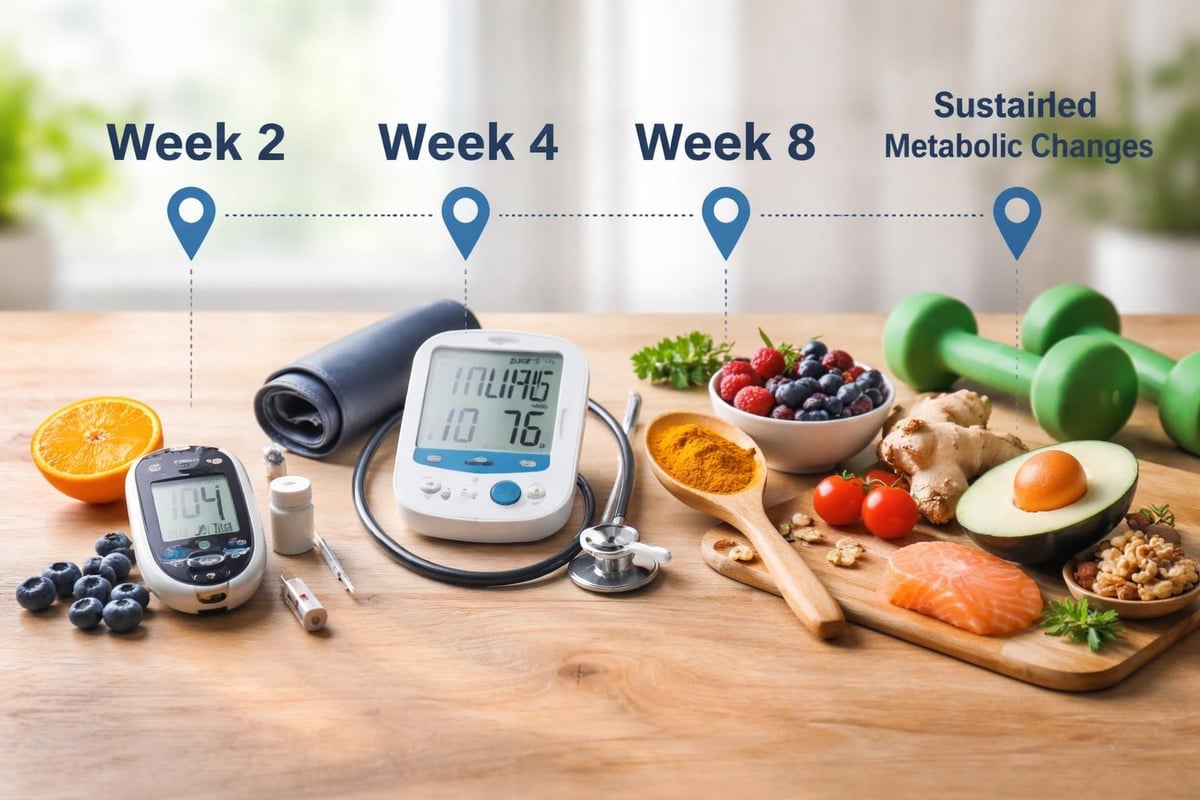
The optifast diet plan offers health improvements that extend well beyond aesthetic changes. Rapid weight loss under medical supervision can produce meaningful improvements in obesity-related conditions within weeks.
Documented health benefits include:
- Improved blood sugar control and insulin sensitivity
- Reduced blood pressure and cardiovascular risk factors
- Decreased inflammation markers
- Better sleep quality and reduced sleep apnea severity
- Improved mobility and reduced joint pain
- Enhanced mental clarity and mood
- Normalized liver function in fatty liver disease
These improvements often motivate continued adherence as participants experience tangible health gains. Many people find that resolving or improving chronic health conditions provides powerful reinforcement for maintaining their weight loss.
Challenges and Considerations
While the optifast diet plan produces impressive results, it presents challenges that participants should understand before starting. The intensive phase requires significant commitment and lifestyle adjustment.
Common challenges include:
- Social situations involving food and dining
- Managing hunger during the initial adjustment period
- Cost of meal replacement products and medical supervision
- Potential side effects like fatigue, dizziness, or constipation
- Emotional difficulty with food restriction
- Limited food variety during intensive phase
Side effects typically diminish as the body adapts to the program. Healthcare providers can recommend strategies to minimize discomfort, such as increasing water intake, taking fiber supplements, or adjusting the meal replacement schedule.
The financial investment represents another consideration. Detailed nutrition guides and program materials outline costs, which include both products and medical supervision fees. While significant, many participants view this as an investment in their health that may reduce future medical expenses.
Who Should Consider This Program
The optifast diet plan is specifically designed for individuals with significant weight to lose, typically those with a body mass index (BMI) of 30 or higher. Healthcare providers may also recommend it for people with a BMI of 27 or above who have obesity-related health complications.
Ideal candidates include people who:
- Have struggled with conventional diet and exercise approaches
- Need rapid weight loss for health reasons
- Are preparing for bariatric surgery
- Have obesity-related health conditions requiring improvement
- Can commit to medical supervision and program requirements
- Are motivated to make long-term lifestyle changes
Certain individuals should not pursue this program without careful medical evaluation. Pregnant or nursing women, people with certain eating disorders, and those with specific medical conditions may need alternative approaches. This underscores the importance of working with healthcare professionals who can assess individual suitability.
Alternative Approaches to Consider
While the optifast diet plan works effectively for many people, it's not the only path to sustainable weight loss. Understanding various solutions for obesity helps you make informed choices aligned with your preferences and circumstances.
Some people prefer approaches that address the psychological and neurological aspects of eating behavior. Traditional diets often fail because they don't address the subconscious patterns driving food choices. Discover more about evidence-based weight loss strategies that target the root causes of overeating.
Alternative or complementary approaches include:
- Behavioral therapy addressing eating patterns
- Mindfulness-based interventions for emotional eating
- Neuroscience-based programs targeting subconscious patterns
- Mediterranean or plant-based dietary patterns
- Intermittent fasting protocols
- Bariatric surgery for severe obesity
Many people find that combining structured programs with psychological interventions produces the most lasting results. Understanding why most diets fail can help you choose approaches that address both physical and mental aspects of weight management.
Making the Program Work Long-Term
Success with the optifast diet plan depends on more than completing the intensive phase. The transition and maintenance periods require developing new relationships with food, understanding hunger signals, and creating sustainable habits.
Strategies for long-term success include:
- Continuing regular healthcare provider check-ins
- Maintaining food and activity journals
- Building support systems through groups or counseling
- Addressing stress management and emotional triggers
- Practicing mindful eating techniques
- Setting realistic maintenance goals
- Planning for high-risk situations in advance
Research shows that people who maintain regular follow-up appointments and continue monitoring their food intake have significantly better long-term outcomes. The accountability and support these structures provide help navigate challenges that arise during maintenance.
The brain's neural pathways play a crucial role in sustaining weight loss. When stress, emotions, or old triggers resurface, the subconscious mind can default to previous eating patterns. Explore how reprogramming your brain naturally supports lasting behavioral change without relying solely on willpower.
Cost and Accessibility Factors
Understanding the financial commitment involved in the optifast diet plan helps with realistic planning. Costs vary depending on location, healthcare provider fees, and program duration.
Typical expenses include:
- Initial medical consultation and screening tests
- Weekly or biweekly follow-up appointments
- Meal replacement products (shakes, soups, bars)
- Nutritional counseling sessions
- Behavioral support or group classes
- Laboratory monitoring and health assessments
A complete 26-week program (intensive plus transition phases) can cost several thousand dollars. Some insurance plans cover portions of medically supervised weight loss programs, particularly when obesity-related health conditions exist. Check with your insurance provider about coverage options.
The program's accessibility also depends on finding qualified healthcare providers in your area. The official OPTIFAST® website offers provider search tools to help locate certified programs near you. Urban areas typically have more options than rural communities, though telehealth is expanding access.
Evaluating Program Effectiveness
Independent reviews of the OPTIFAST® program examine both short-term weight loss success and long-term maintenance outcomes. Research consistently shows impressive initial results, with most participants losing significant weight during the intensive phase.
Long-term success rates vary more widely, reflecting the challenges of weight maintenance that affect all weight loss approaches. Studies indicate that participants who complete the full program, including transition and maintenance phases, have better sustained outcomes than those who discontinue early.
Key factors predicting long-term success:
- Completing all program phases rather than stopping after intensive weight loss
- Continuing some level of meal replacement use during maintenance
- Regular physical activity incorporated into daily life
- Ongoing behavioral support and counseling
- Strong social support systems
- Addressing psychological factors driving overeating
The program's effectiveness ultimately depends on individual commitment and the development of sustainable habits. While Optifast provides structure and medical support, participants must actively engage in behavioral change for lasting results.
Integrating Lifestyle Changes
The optifast diet plan provides a framework for rapid weight loss, but integrating broader lifestyle changes determines long-term success. Physical activity, stress management, sleep quality, and social connections all influence weight regulation.
Essential lifestyle components include:
- Regular movement and exercise appropriate to fitness level
- Stress reduction techniques like meditation or yoga
- Consistent sleep patterns supporting metabolic health
- Social connections that support rather than sabotage goals
- Healthy coping mechanisms for difficult emotions
- Environmental modifications reducing food-related triggers
Many participants find that the weight loss achieved through Optifast creates momentum for other positive changes. Increased energy and mobility make exercise more enjoyable, while improved health markers provide motivation to maintain progress.
However, willpower alone rarely sustains these changes long-term. Your brain's subconscious patterns ultimately determine whether new behaviors become automatic or remain a constant struggle. Transform your relationship with food by addressing habits at the source through neuroscience-based approaches.
Medical Supervision Throughout the Journey
One defining feature of the optifast diet plan is continuous medical oversight. This supervision ensures safety while maximizing health benefits and weight loss outcomes.
Medical monitoring typically includes:
- Baseline health assessment and laboratory work
- Weekly or biweekly weight and vital sign checks
- Regular review of medication needs as weight decreases
- Monitoring for side effects or complications
- Adjustment of program protocols based on individual response
- Nutritional counseling and education
- Behavioral support addressing psychological aspects
Healthcare providers can identify and address issues before they become serious. For example, rapid weight loss can affect medication requirements for diabetes, blood pressure, or thyroid conditions. Regular monitoring allows timely adjustments, preventing potentially dangerous complications.
This medical framework also provides accountability and support that enhances adherence. Knowing you'll meet with your healthcare team regularly helps many people stay committed during challenging periods.
Planning Your Decision
Deciding whether the optifast diet plan aligns with your needs requires honest assessment of your situation, goals, and readiness for change. Consider both practical factors and psychological readiness.
Questions to ask yourself:
- Am I medically appropriate for a very low-calorie diet?
- Can I commit to the time requirements for medical visits?
- Is the financial investment feasible for my situation?
- Do I have support from family and friends?
- Am I prepared for the lifestyle adjustments required?
- What's my plan for maintaining weight loss long-term?
- Have I addressed emotional and psychological factors affecting my eating?
Discussing these questions with healthcare providers helps determine whether this program suits your circumstances. They can assess medical appropriateness and discuss alternatives if Optifast isn't the best fit.
Remember that successful weight loss ultimately requires changing the brain patterns that govern your food choices and behaviors. While structured programs like Optifast provide external support, internal transformation creates lasting change without constant vigilance or restriction.
The optifast diet plan offers a medically supervised pathway to significant weight loss through structured meal replacement and comprehensive support. While it produces impressive short-term results, sustainable success requires addressing the deeper patterns that influence eating behavior. If you're ready to transform your relationship with food at the neurological level, Oneleaf helps you reprogram your subconscious mind for lasting change. Through brief daily sessions combining neuroscience, behavioral psychology, and guided audio, you'll discover how changing your brain naturally changes your choices, creating effortless healthy habits that support lifelong weight management.