Living with polycystic ovary syndrome (PCOS) presents unique challenges that extend far beyond reproductive health. Women with PCOS often struggle with weight management, insulin resistance, hormonal imbalances, and the emotional toll of managing a complex metabolic condition. When searching for a "pcos nutritionist near me," you're taking a critical step toward comprehensive care that addresses the root causes of your symptoms. The right nutrition professional understands how dietary choices influence hormone levels, inflammation, and metabolic function, while also recognizing that lasting change requires more than meal plans alone-it demands a fundamental shift in how your brain responds to food.
Understanding Why Specialized PCOS Nutrition Matters
PCOS affects approximately one in ten women of reproductive age, yet standard dietary advice rarely addresses the condition's complexity. A specialized pcos nutritionist near me brings targeted expertise in managing insulin resistance, chronic inflammation, and hormonal dysregulation through evidence-based dietary interventions.
The Metabolic Foundation of PCOS
Women with PCOS frequently experience insulin resistance, meaning their cells don't respond effectively to insulin. This metabolic dysfunction creates a cascade of problems:
- Elevated insulin levels trigger increased androgen production
- Excess androgens disrupt ovulation and contribute to symptoms like acne and excess hair growth
- High insulin promotes fat storage, particularly around the abdomen
- Chronic inflammation worsens insulin resistance, creating a self-perpetuating cycle
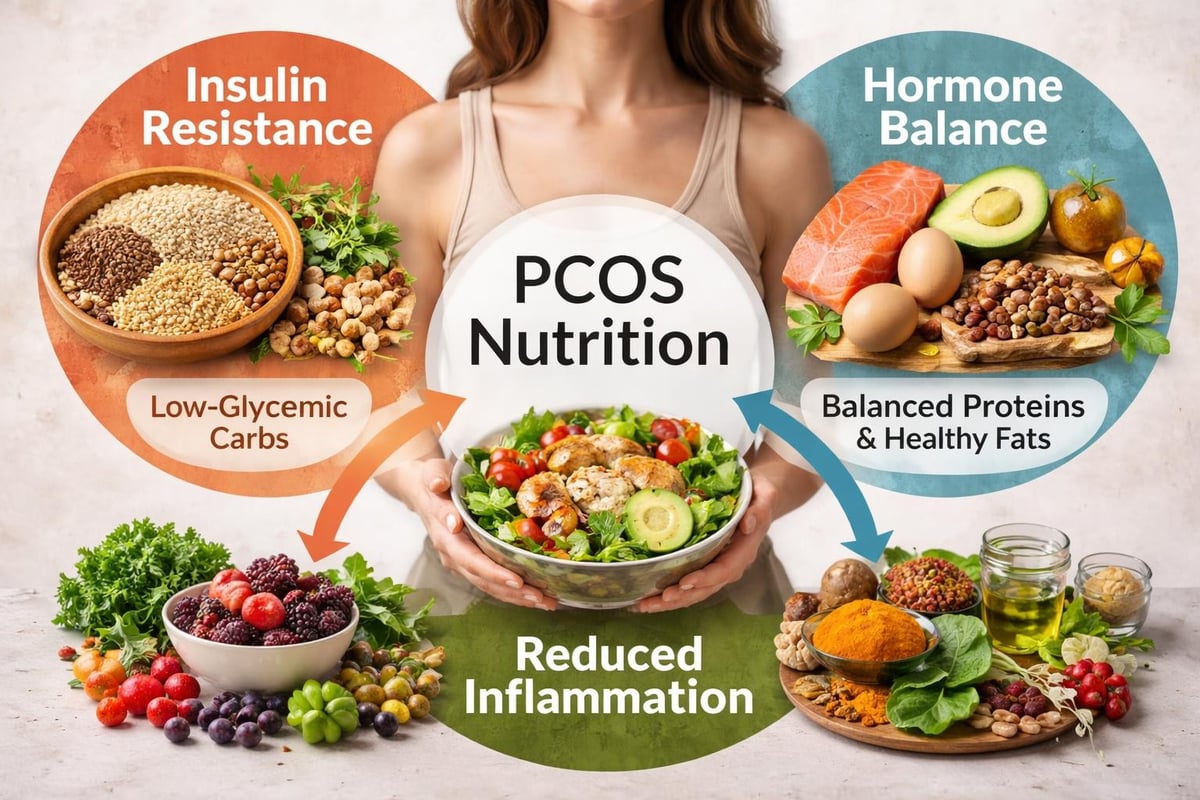
According to Mass General Brigham, consuming high-fiber foods, lean proteins, and healthy fats helps stabilize blood sugar levels and support hormonal balance. These dietary modifications work at the cellular level to reduce insulin spikes and improve metabolic function.
Beyond Traditional Nutrition Counseling
What distinguishes a PCOS specialist from general nutrition advice? The answer lies in personalized assessment and targeted interventions. When you search for a pcos nutritionist near me, you're seeking someone who:
Evaluates your complete metabolic profile rather than applying generic meal plans. PCOS manifests differently in every woman, with variations in insulin sensitivity, androgen levels, and inflammatory markers.
Addresses the psychological components of eating behaviors. The stress of managing PCOS, combined with societal pressure around weight, creates emotional patterns that sabotage even the best-designed meal plans.
Integrates lifestyle factors including sleep quality, stress management, and movement patterns that directly influence insulin sensitivity and hormone production.
What to Look for When Searching for a PCOS Nutritionist Near Me
Finding the right nutrition professional requires understanding both credentials and specialization. Not all nutritionists possess the specific expertise necessary to manage PCOS effectively.
Essential Qualifications and Expertise
Your ideal PCOS nutritionist should hold credentials from recognized professional organizations. Registered Dietitians (RD) or Registered Dietitian Nutritionists (RDN) have completed extensive education and clinical training. Many also pursue additional certification in women's health or metabolic disorders.
Specialized training matters significantly. PCOS Awareness Association maintains a directory of qualified PCOS specialists who understand the condition's unique nutritional requirements. These professionals stay current with emerging research on dietary interventions, supplement protocols, and lifestyle modifications specific to PCOS management.
Key Questions to Ask Prospective Nutritionists
Before committing to a nutrition program, conduct thorough interviews with potential providers:
- How many PCOS clients have you worked with? Experience with similar cases indicates familiarity with common challenges and effective solutions.
- What is your approach to insulin resistance? Their answer should reference specific macronutrient strategies, meal timing, and blood sugar management techniques.
- How do you personalize recommendations? Generic meal plans rarely address individual metabolic differences, food preferences, or cultural dietary patterns.
- Do you collaborate with other healthcare providers? Comprehensive PCOS care often requires coordination between nutritionists, endocrinologists, and gynecologists.
- What is your philosophy on restriction and dieting? Sustainable approaches focus on nourishment and metabolic healing rather than severe caloric restriction.
Just as supplements to balance hormones and lose weight require careful consideration, your nutritionist should take an individualized approach to dietary interventions.
Dietary Strategies Your PCOS Nutritionist Will Likely Recommend
Evidence-based PCOS nutrition emphasizes specific macronutrient distributions and food choices that support metabolic health. Understanding these principles helps you evaluate whether a potential nutritionist uses current, research-backed approaches.
Macronutrient Balance for Insulin Sensitivity
The macronutrient composition of your diet profoundly influences insulin response and hormonal balance. Healthline's comprehensive PCOS diet guide explains how different foods impact insulin resistance and inflammation.
Protein intake should be moderate to high, typically 25-30% of total calories. Adequate protein stabilizes blood sugar, reduces cravings, and supports lean muscle mass, which improves insulin sensitivity. Quality sources include:
- Wild-caught fish rich in omega-3 fatty acids
- Pasture-raised poultry and eggs
- Grass-fed beef in moderation
- Plant-based options like legumes, tempeh, and quinoa
Carbohydrate selection focuses on quality and quantity. Rather than eliminating carbs entirely, effective PCOS nutrition emphasizes:
- Low-glycemic options that minimize insulin spikes
- High-fiber vegetables that slow glucose absorption
- Strategic timing around physical activity
- Portion awareness based on individual insulin sensitivity
Healthy fats should constitute 30-35% of calories, supporting hormone production and reducing inflammation. Prioritize sources like avocados, nuts, seeds, olive oil, and fatty fish while minimizing processed vegetable oils.
Anti-Inflammatory Food Choices
Chronic inflammation worsens insulin resistance and contributes to many PCOS symptoms. Your pcos nutritionist near me should emphasize foods that reduce systemic inflammation:
- Colorful vegetables rich in antioxidants and phytonutrients
- Berries containing polyphenols that combat oxidative stress
- Turmeric, ginger, and other anti-inflammatory spices
- Green tea providing catechins that improve insulin sensitivity
- Omega-3 fatty acids from fatty fish, walnuts, and flaxseeds
Dr. Oracle's recommended meal plans emphasize balanced dietary approaches with specific macronutrient distributions supporting metabolic health in PCOS.

The Brain-Based Approach to PCOS Weight Management
While nutrition forms the foundation of PCOS management, sustainable success requires addressing the neurological patterns that govern eating behaviors. This is where searching for a pcos nutritionist near me intersects with innovative approaches to weight management.
Why Willpower Fails Women with PCOS
Traditional weight loss advice relies heavily on restriction and willpower-an approach that proves particularly ineffective for women with PCOS. Several factors explain this failure:
Metabolic resistance to weight loss: Insulin resistance and hormonal imbalances make the body more efficient at storing fat and resistant to releasing it. This biological reality means women with PCOS often experience minimal results despite significant effort.
Stress-cortisol-insulin connection: The frustration of managing PCOS elevates cortisol levels, which further worsens insulin resistance. Similar to how supplements to reduce cortisol and belly fat target this specific pathway, managing stress becomes essential for metabolic improvement.
Psychological burden of restriction: Constant dietary rules and food anxiety activate stress responses that undermine metabolic health. The brain interprets severe restriction as deprivation, triggering compensatory mechanisms that increase cravings and reduce metabolic rate.
Retraining Your Brain for Effortless Healthy Choices
Neuroscience research demonstrates that lasting behavioral change requires reprogramming subconscious patterns rather than relying on conscious willpower. Oneleaf's approach applies this principle to weight management by combining behavioral psychology and self-hypnosis to rewire the mental patterns driving overeating.
When you change neural pathways associated with food choices, several transformations occur:
- Cravings for inflammatory, high-glycemic foods naturally diminish
- Stress eating patterns weaken as new coping mechanisms develop
- Mindful eating becomes automatic rather than requiring constant attention
- Your relationship with food shifts from restriction to nourishment
This brain-based approach complements the dietary guidance from your pcos nutritionist near me by addressing why you make certain food choices, not just what you should eat.
Virtual vs. In-Person PCOS Nutrition Services
The landscape of nutrition counseling has expanded significantly, offering both traditional in-person consultations and comprehensive virtual programs. Understanding the advantages of each helps you make informed decisions when searching for a pcos nutritionist near me.
Benefits of Local, In-Person Consultations
Face-to-face meetings with a nutritionist provide certain advantages:
- Physical assessment including body composition measurements
- Personalized cooking demonstrations and grocery store tours
- Stronger accountability through scheduled in-person appointments
- Local referrals to complementary providers like endocrinologists or personal trainers
- Community connections with other PCOS patients in your area
Resources like PCOS Nutrition Center offer personalized nutrition coaching tailored to PCOS, though services may be delivered virtually or in-person depending on location.
Advantages of Virtual PCOS Nutrition Programs
Online platforms have revolutionized access to specialized care, offering distinct benefits:
Access to top specialists regardless of geographic location. Women in underserved areas can work with leading PCOS nutritionists who might be hundreds of miles away.
Flexible scheduling that accommodates work commitments and family responsibilities. Virtual appointments eliminate travel time and allow for evening or weekend sessions.
Comprehensive digital tools including food tracking apps, recipe databases, and educational resources accessible 24/7.
Often lower costs compared to in-person consultations due to reduced overhead expenses.
Platforms like Alike Nutrition connect individuals with registered dietitians specializing in PCOS, offering personalized nutrition plans through virtual consultations.
Hybrid Approaches for Optimal Support
Many successful PCOS management programs combine elements of both models. You might work with a local pcos nutritionist near me for initial assessments and periodic check-ins while utilizing online weight loss programs for daily support and behavior modification.
This integrated approach addresses multiple dimensions of PCOS management:
- Professional nutrition guidance for metabolic optimization
- Neuroscience-based tools for sustainable behavior change
- Community support for emotional resilience
- Educational resources for ongoing learning
Integrating Medical Care with Nutritional Support
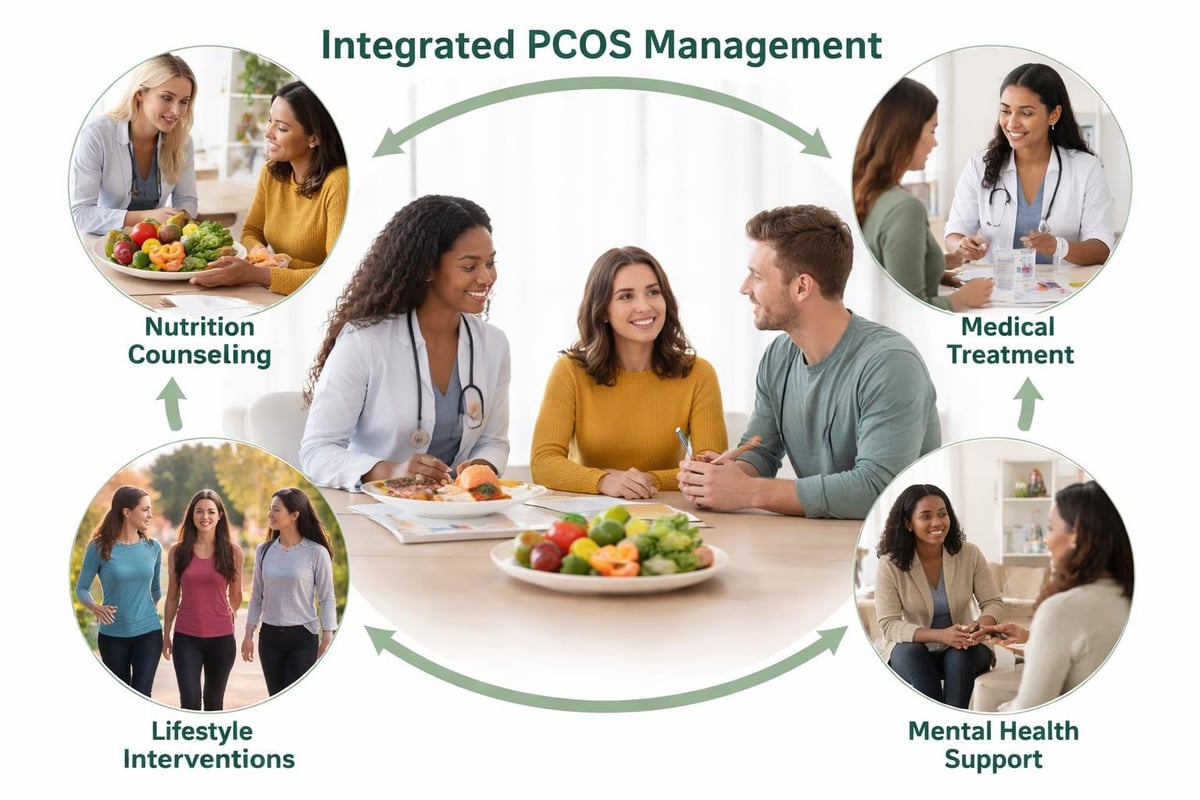
PCOS requires coordinated care across multiple disciplines. Your pcos nutritionist near me should function as part of a comprehensive treatment team rather than operating in isolation.
The Multidisciplinary PCOS Care Team
Optimal PCOS management typically involves several healthcare professionals:
- Primary care physician or internist who coordinates overall care and monitors general health markers
- Endocrinologist specializing in hormonal disorders and metabolic dysfunction
- Gynecologist or reproductive endocrinologist managing menstrual irregularities and fertility concerns
- Registered dietitian nutritionist providing specialized PCOS nutrition guidance
- Mental health professional addressing anxiety, depression, or eating disorder concerns often associated with PCOS
- Exercise physiologist or personal trainer designing movement programs that improve insulin sensitivity
OnPoint Nutrition exemplifies this integrated approach, offering tailored nutrition counseling that coordinates with other aspects of PCOS treatment.
Communication Between Providers
When interviewing a potential nutritionist, ask about their collaboration practices:
- Do they regularly communicate with your other healthcare providers?
- Will they share lab results and treatment plans with your medical team?
- Can they provide documentation for insurance reimbursement?
- How do they adjust recommendations based on medication changes or new diagnoses?
Effective collaboration ensures all providers work toward aligned goals rather than offering contradictory advice.
Financial Considerations and Insurance Coverage
Cost represents a significant factor when choosing PCOS nutrition services. Understanding payment options and insurance coverage helps you budget appropriately while accessing necessary care.
Insurance Reimbursement for Nutrition Counseling
Medical nutrition therapy (MNT) qualifies for insurance coverage under certain conditions:
Diagnosis requirements: PCOS itself may not always trigger coverage, but related conditions like prediabetes, diabetes, or obesity often do. Your physician can provide diagnosis codes that maximize insurance approval.
Provider credentials: Most insurance plans require services from a Registered Dietitian Nutritionist (RDN) rather than nutritionists with other certifications.
Referral needs: Some plans mandate physician referrals before authorizing nutrition counseling.
Session limits: Coverage typically extends to a specific number of sessions annually, ranging from 3-10 visits depending on your plan.
Contact your insurance provider before scheduling appointments to verify:
- Whether your plan covers nutrition counseling for PCOS
- How many sessions receive authorization
- If you need pre-approval or referrals
- What your copay or coinsurance costs will be
Out-of-Pocket Investment Options
For services not covered by insurance, expect these approximate costs:
- Initial comprehensive assessment: $150-$300
- Follow-up sessions: $75-$150 per hour
- Package programs: $500-$2,000 for multi-month comprehensive support
- Virtual group programs: $200-$800 depending on duration and resources included
Many nutritionists offer payment plans or sliding scale fees based on financial need. Don't hesitate to discuss pricing openly-quality PCOS care should be accessible regardless of income level.
Measuring Success Beyond the Scale
When working with a pcos nutritionist near me, success encompasses far more than weight loss alone. Comprehensive PCOS management targets multiple health markers and quality-of-life improvements.
Metabolic Health Indicators
Your nutritionist should track objective measures of metabolic improvement:
- Fasting insulin and glucose levels: Declining insulin levels indicate improving insulin sensitivity, even before weight changes occur
- Hemoglobin A1C: This three-month average of blood sugar levels shows sustained metabolic improvement
- Lipid panel: Triglycerides and HDL cholesterol often improve with PCOS-specific dietary interventions
- Inflammatory markers: C-reactive protein and other inflammation indicators should decrease with anti-inflammatory eating patterns
- Hormone levels: Testosterone, DHEA-S, and other androgen levels may normalize as insulin resistance improves
Symptom Reduction and Quality of Life
Equally important are subjective improvements in PCOS symptoms:
- More regular menstrual cycles
- Reduced acne and skin inflammation
- Decreased excess hair growth (hirsutism)
- Improved energy levels and reduced fatigue
- Better mood stability and reduced anxiety
- Enhanced sleep quality
- Reduced food cravings and emotional eating episodes
These quality-of-life improvements often emerge before significant weight loss occurs, providing early evidence that your dietary interventions are working at the metabolic level.
Sustainable Behavior Change
Perhaps the most crucial measure of success involves your relationship with food and your body. Effective PCOS nutrition support should foster:
- Confidence in making nourishing food choices without rigid rules
- Reduced anxiety around eating and social food situations
- Improved body image and self-compassion
- Enhanced understanding of how different foods affect your unique metabolism
- Sustainable habits that feel natural rather than restrictive
This behavioral transformation distinguishes temporary diet programs from lasting lifestyle change. When you reprogram your brain to make healthy choices feel effortless, results extend far beyond short-term symptom management.
Common Pitfalls to Avoid When Choosing PCOS Nutrition Support
Not all nutrition advice serves women with PCOS equally well. Recognizing problematic approaches helps you avoid programs that might worsen metabolic dysfunction or psychological stress.
Red Flags in PCOS Nutrition Programs
Extremely low-calorie meal plans: Severe restriction often backfires for women with PCOS by slowing metabolism, increasing cortisol, and worsening insulin resistance. Sustainable approaches prioritize metabolic healing over aggressive calorie deficits.
One-size-fits-all protocols: PCOS manifests differently in every woman. Cookie-cutter meal plans ignore individual variations in insulin sensitivity, food preferences, cultural dietary patterns, and lifestyle factors.
Elimination of entire macronutrient groups: While some women with PCOS benefit from lower carbohydrate intake, completely eliminating carbs or fats often proves unsustainable and metabolically counterproductive.
Emphasis on "clean eating" or food morality: Labeling foods as "good" or "bad" creates psychological stress and disordered eating patterns that undermine metabolic health.
Lack of psychological support: Ignoring the emotional and behavioral dimensions of eating guarantees that most women will struggle to maintain dietary changes long-term.
Unrealistic Promises and Expectations
Be skeptical of pcos nutritionist near me results that promise:
- Rapid weight loss exceeding 1-2 pounds per week
- "Curing" PCOS through diet alone
- Guaranteed pregnancy within specific timeframes
- Elimination of all symptoms within weeks
- Complete normalization of hormone levels without medical intervention
Legitimate PCOS specialists set realistic expectations while providing hope through evidence-based interventions. Understanding how your mind influences your choices helps contextualize why quick fixes rarely produce lasting results.
Building Your Personalized PCOS Management Plan
Once you've identified a qualified pcos nutritionist near me, the real work begins-creating and implementing a comprehensive plan tailored to your unique needs.
Initial Assessment Components
Your first appointments should include thorough evaluation of:
Medical history and current symptoms: Document menstrual patterns, weight history, previous treatments, current medications, and symptom severity across all PCOS manifestations.
Laboratory results: Review recent bloodwork including hormone panels, metabolic markers, inflammatory indicators, and vitamin/mineral status.
Dietary assessment: Analyze current eating patterns, food preferences, cultural dietary practices, cooking skills, budget constraints, and previous diet experiences.
Lifestyle factors: Evaluate sleep quality, stress levels, physical activity patterns, work schedules, and social support systems.
Psychological relationship with food: Explore eating behaviors, emotional triggers, body image concerns, and any history of disordered eating.
This comprehensive assessment ensures recommendations address your complete situation rather than applying generic protocols.
Phased Implementation Strategy
Effective PCOS nutrition programs introduce changes gradually:
Phase 1: Metabolic stabilization focuses on blood sugar regulation through balanced meals, strategic timing, and macronutrient optimization. This foundation typically spans 4-8 weeks.
Phase 2: Inflammatory reduction emphasizes anti-inflammatory foods while identifying and minimizing inflammatory triggers unique to your body.
Phase 3: Hormone optimization fine-tunes nutritional strategies to support menstrual cycle regularity and androgen balance.
Phase 4: Sustainable integration transitions from structured protocols to intuitive, sustainable eating patterns that maintain metabolic improvements long-term.
Similar to how personalized weight loss approaches adapt to individual needs, your PCOS nutrition plan should evolve as your body responds to interventions.
Ongoing Monitoring and Adjustments
Regular check-ins with your nutritionist ensure your plan remains effective:
- Bi-weekly appointments initially, transitioning to monthly as patterns stabilize
- Quarterly lab work to track metabolic markers
- Food journaling to identify patterns and challenges
- Symptom tracking to correlate dietary changes with improvements
- Regular reassessment of goals and priorities as your health evolves
This iterative process recognizes that PCOS management requires ongoing optimization rather than a static prescription.
Complementary Approaches to Enhance PCOS Nutrition
While diet forms the foundation of PCOS management, several complementary strategies amplify the effectiveness of nutritional interventions when working with your pcos nutritionist near me.
Movement and Exercise
Physical activity directly improves insulin sensitivity independent of weight loss:
- Resistance training builds muscle mass, which enhances glucose uptake and metabolism
- Moderate cardio improves cardiovascular health and reduces inflammation
- High-intensity interval training (HIIT) maximizes insulin sensitivity improvements in minimal time
- Yoga and gentle movement support stress reduction and mind-body connection
Your nutritionist may coordinate with fitness professionals to ensure exercise and nutrition strategies work synergistically.
Stress Management Techniques
Chronic stress elevates cortisol, which worsens insulin resistance and promotes abdominal fat storage. Effective stress management includes:
- Mindfulness meditation to reduce physiological stress responses
- Deep breathing exercises to activate parasympathetic nervous system
- Adequate sleep prioritization for hormone regulation
- Time management strategies to reduce daily overwhelm
- Professional counseling when stress or anxiety becomes overwhelming
Strategic Supplementation
While whole foods should provide primary nutrition, specific supplements may benefit women with PCOS:
- Inositol (myo-inositol and d-chiro-inositol) improves insulin sensitivity and ovulation
- Omega-3 fatty acids reduce inflammation and support metabolic health
- Vitamin D when deficient, as deficiency correlates with insulin resistance
- Magnesium supports glucose metabolism and reduces inflammation
- Chromium may enhance insulin function in some women
Your pcos nutritionist near me should recommend supplements based on your individual lab results and symptoms rather than universal protocols. Just as with weight loss supplements, quality matters significantly, and some supplements may interact with medications.
Mind-Body Interventions
Addressing the psychological dimensions of PCOS dramatically improves outcomes:
- Cognitive behavioral therapy (CBT) for managing emotional eating
- Body image work to reduce stress and improve self-compassion
- Support groups connecting you with other women managing PCOS
- Neuroscience-based behavior modification to rewire automatic eating patterns
These psychological tools complement nutritional strategies by addressing why you make certain food choices, not merely what you should eat. Brain reprogramming approaches work at the subconscious level to make healthy choices feel natural and effortless rather than requiring constant willpower.
Taking the First Step Toward PCOS Wellness
Beginning your search for a pcos nutritionist near me represents a powerful commitment to your health. This journey requires patience, self-compassion, and recognition that meaningful change unfolds gradually rather than overnight.
Preparing for Your First Appointment
Maximize the value of your initial consultation by:
- Gathering recent lab results and medical records
- Documenting your symptoms, including timing and severity
- Writing questions and concerns you want to address
- Tracking your current eating patterns for several days before your appointment
- Identifying your primary goals and priorities for PCOS management
This preparation helps your nutritionist understand your unique situation and develop targeted recommendations from the first session.
Setting Realistic Expectations
Women with PCOS often experience metabolic improvements before visible weight loss occurs. Trust the process by:
- Focusing on non-scale victories like improved energy, better sleep, and reduced cravings
- Giving interventions adequate time to work-typically 8-12 weeks before judging effectiveness
- Maintaining lab work to track invisible metabolic changes
- Celebrating small wins rather than fixating on ultimate goals
- Practicing self-compassion when setbacks occur
Remember that PCOS management represents a marathon, not a sprint. Sustainable improvements in metabolic health create lasting results that extend far beyond temporary symptom relief.
Building Your Support System
Successful PCOS management rarely happens in isolation. In addition to your pcos nutritionist near me, cultivate support through:
- Healthcare providers who understand PCOS complexities
- Family and friends who respect your health journey
- Online or in-person support groups with other PCOS patients
- Mental health professionals for emotional processing
- Technology tools that track progress and provide daily guidance
This comprehensive support network sustains you through challenges and celebrates victories along the way.
Finding the right pcos nutritionist near me combined with evidence-based behavioral strategies creates a powerful foundation for managing PCOS effectively. While specialized nutrition addresses the metabolic and hormonal dimensions of PCOS, lasting transformation requires changing the subconscious patterns that drive your daily choices. Oneleaf offers a neuroscience-based approach that complements nutritional guidance by retraining your brain to make healthy choices feel effortless and automatic, helping you achieve sustainable results that extend far beyond temporary diets.