Polycystic ovary syndrome affects approximately 10% of women of reproductive age, creating unique challenges that extend far beyond the reproductive system. For women living with PCOS, weight management often feels like an uphill battle against their own biology. The hormonal imbalances, insulin resistance, and metabolic dysfunction that characterize this condition create a complex web of obstacles that traditional diet-and-exercise approaches frequently fail to address. Understanding why PCOS makes weight loss more difficult represents the first step toward developing strategies that actually work with your body instead of fighting against it.
Understanding Why PCOS Weight Loss Is Different
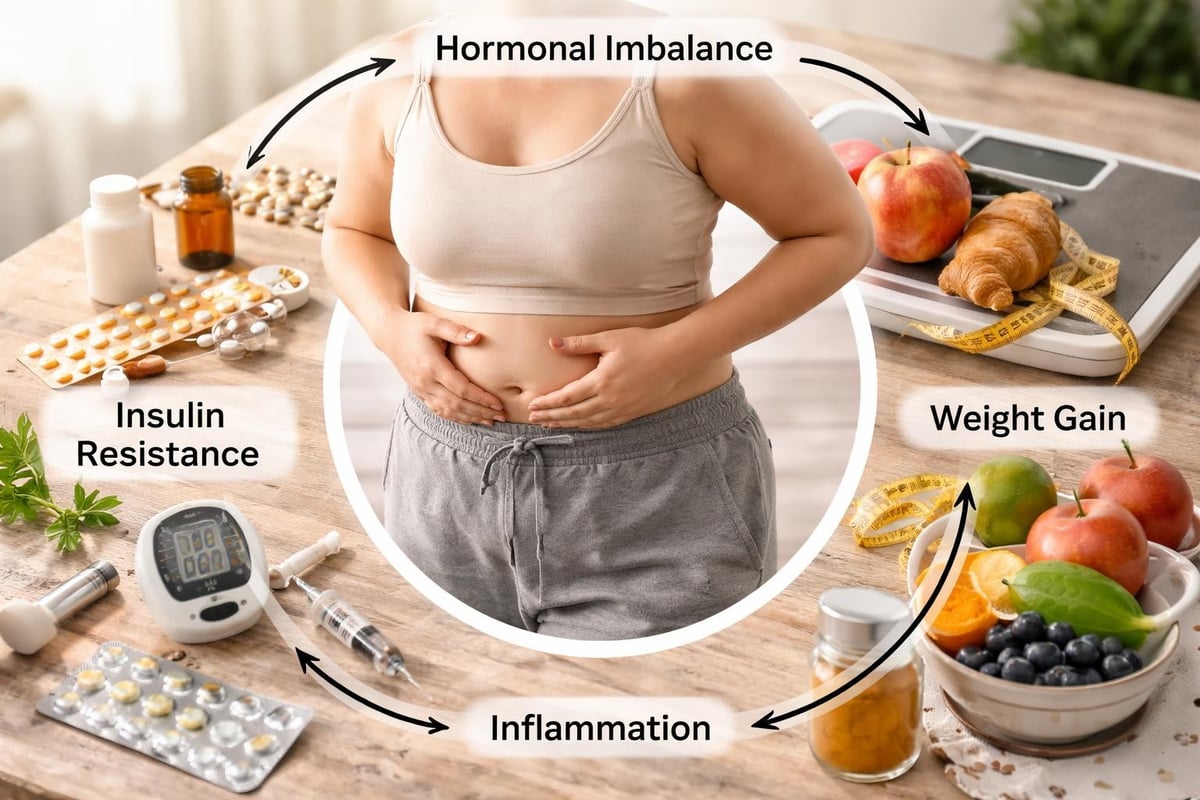
The relationship between PCOS and weight involves multiple interconnected systems that don't respond to conventional weight loss methods the way bodies without this condition do. Research on PCOS and weight management demonstrates that insulin resistance affects up to 70% of women with PCOS, regardless of their current weight. This insulin dysfunction creates a vicious cycle where your body stores fat more readily while simultaneously making it harder to access stored energy.
Your hormonal environment plays a crucial role in this process:
- Elevated androgens (male hormones) shift fat storage patterns toward the abdominal area
- Insulin resistance triggers increased hunger and intense cravings for refined carbohydrates
- Disrupted leptin signaling prevents your brain from receiving accurate satiety cues
- Chronic low-grade inflammation slows metabolic function throughout your body
- Elevated cortisol from stress compounds insulin resistance and promotes fat storage
The psychological burden compounds these physiological challenges. When you're fighting against your own biochemistry, willpower becomes a limited resource that depletes quickly. Traditional restriction-based approaches often backfire, creating additional stress that worsens hormonal imbalances and makes sustainable pcos weight loss even more elusive.
The Neuroscience of Eating Patterns in PCOS
Your brain's reward systems and habit pathways don't operate in isolation from your hormonal environment. Women with PCOS often experience heightened responses to high-sugar, high-fat foods due to dopamine dysregulation combined with insulin resistance. This neurobiological reality means that simply deciding to "eat better" confronts significant obstacles at the subconscious level.
The prefrontal cortex, responsible for decision-making and impulse control, must constantly override powerful signals from the limbic system when insulin levels spike and crash throughout the day. This creates decision fatigue that makes maintaining healthy choices increasingly difficult as the day progresses. Learn more about stress eating and weight loss to understand how neurological patterns influence your food choices.
Retraining Your Brain's Food Response
Neural plasticity offers hope for changing these ingrained patterns. Your brain can form new pathways that make healthy choices feel automatic rather than effortful. This process involves consistent repetition of new behaviors while simultaneously addressing the subconscious associations that drive old patterns.
Key neuroplasticity principles for pcos weight loss:
- Consistent small changes create stronger neural pathways than dramatic overhauls
- Positive reinforcement strengthens new behaviors more effectively than self-criticism
- Stress management protects the prefrontal cortex's ability to regulate impulses
- Sleep quality consolidates new neural pathways formed during waking hours
- Mindful awareness interrupts automatic eating patterns triggered by emotional states
Research demonstrates that behavioral interventions targeting subconscious patterns produce more sustainable results than conscious restriction alone. When you address the mental patterns driving overeating, the behavioral changes follow naturally without requiring constant vigilance.
Comprehensive Lifestyle Strategies That Work
Comprehensive lifestyle management for PCOS emphasizes that successful approaches integrate multiple interventions rather than relying on diet alone. Your body responds to a constellation of inputs, meaning that sleep quality, stress levels, movement patterns, and psychological well-being all influence metabolic function.
Movement patterns deserve particular attention because exercise affects PCOS through multiple mechanisms beyond simple calorie expenditure. Physical activity improves insulin sensitivity, reduces inflammation, balances sex hormones, and enhances mood through endorphin release. However, the type and intensity of exercise matters significantly for women with PCOS.
Effective exercise approaches include:
- Strength training to build muscle mass that improves insulin sensitivity
- Moderate-intensity cardio that reduces cortisol while burning calories
- High-intensity interval training in limited doses to avoid stress hormone elevation
- Restorative practices like yoga that manage cortisol and reduce inflammation
- Consistent daily movement rather than sporadic intense sessions
The timing of meals influences hormonal responses throughout your day. Eating within a consistent window helps regulate insulin release and supports circadian rhythm alignment. Evidence-based advice on diet and exercise suggests that meal timing may be as important as meal composition for managing insulin resistance.
Nutritional Approaches Beyond Calorie Counting
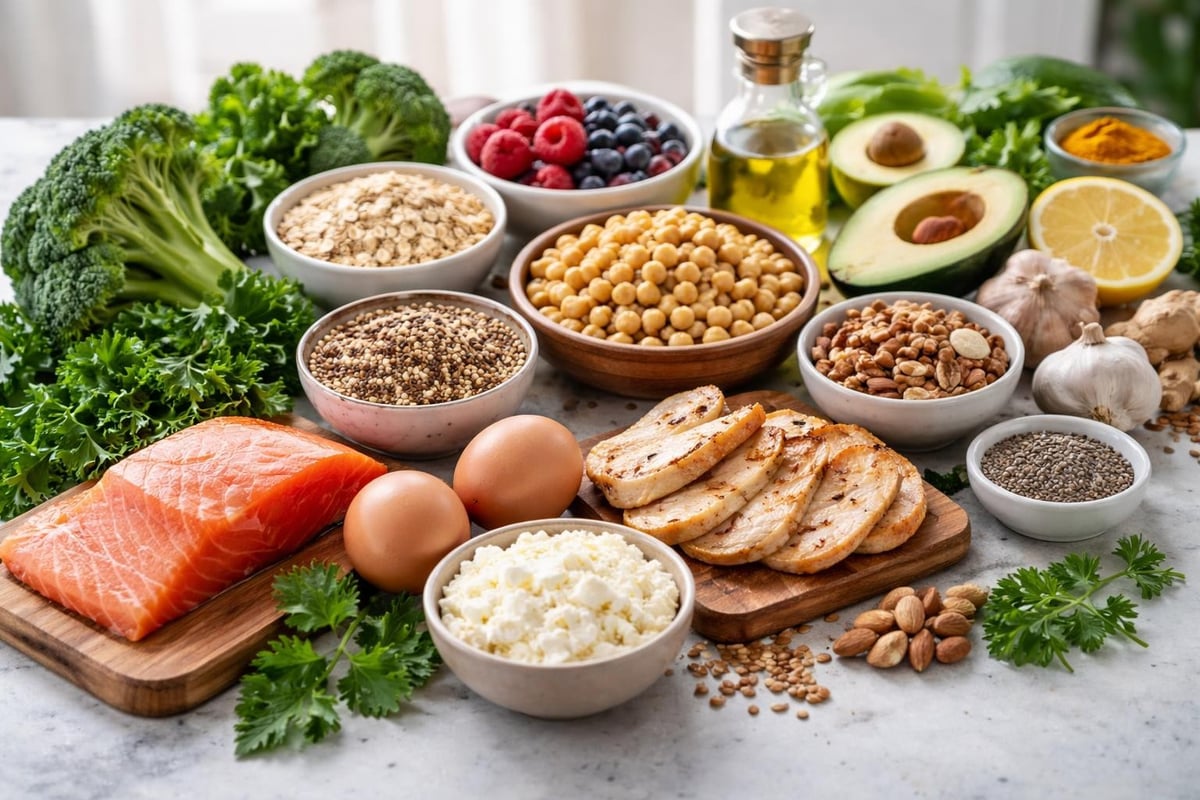
PCOS weight loss succeeds when nutrition focuses on hormonal balance rather than restriction. Your food choices send signals to your endocrine system that either support or undermine metabolic health. The best nutrition for PCOS patients emphasizes nutrient density, blood sugar stability, and anti-inflammatory compounds.
Protein intake deserves priority attention because adequate protein supports satiety, preserves muscle mass during weight loss, and requires more energy to digest than carbohydrates or fats. Women with PCOS often benefit from slightly higher protein intake than standard recommendations, particularly at breakfast to stabilize blood sugar for the day ahead.
Nutritional priorities for managing PCOS:
- Complex carbohydrates with fiber to slow glucose absorption
- Adequate healthy fats to support hormone production
- Anti-inflammatory foods to reduce systemic inflammation
- Inositol-rich foods that improve insulin sensitivity
- Magnesium sources to support insulin function and reduce inflammation
The psychological relationship with food matters as much as the food itself. When you approach eating with guilt, shame, or anxiety, stress hormones interfere with digestion and metabolism. Developing a neutral, non-judgmental relationship with food supports both psychological well-being and physiological function. Understanding metabolism and weight management helps create a framework for sustainable change.
The Role of Sleep and Stress in Weight Management
Sleep deprivation and chronic stress create a perfect storm for weight gain in PCOS. Both conditions elevate cortisol, worsen insulin resistance, disrupt hunger hormones, and impair the decision-making capacity needed for healthy choices. Women with PCOS often struggle with sleep quality due to hormonal imbalances, creating a vicious cycle that perpetuates metabolic dysfunction.
Quality sleep regulates leptin and ghrelin, the hormones controlling hunger and satiety. Even partial sleep deprivation alters these hormones in ways that increase appetite and preference for high-calorie foods. For sustainable pcos weight loss, addressing sleep quality represents a non-negotiable foundation rather than an optional addition.
Sleep optimization strategies include:
- Maintaining consistent sleep and wake times, even on weekends
- Creating complete darkness in your bedroom to support melatonin production
- Limiting blue light exposure for two hours before bedtime
- Managing evening blood sugar to prevent nighttime waking
- Addressing sleep disorders like sleep apnea, which occurs more frequently with PCOS
Stress management techniques that activate the parasympathetic nervous system counteract cortisol elevation and support metabolic health. Deep breathing, meditation, progressive muscle relaxation, and other mind-body practices provide measurable benefits for both stress hormones and insulin sensitivity.
Psychological Interventions and Mindset Shifts
The mental and emotional aspects of pcos weight loss often receive insufficient attention despite their critical importance. Discover how to overcome emotional eating to address patterns that sabotage physical interventions. Your beliefs about yourself, your body, and your capacity for change shape your behaviors in powerful ways.
Self-compassion emerges as a surprisingly effective tool for sustainable change. Research demonstrates that self-criticism activates stress responses that worsen insulin resistance and promote comfort eating. In contrast, treating yourself with kindness during setbacks maintains motivation and supports continued effort without the metabolic costs of shame-induced cortisol spikes.
Breaking Free from Diet Mentality
The restrict-binge cycle that characterizes traditional dieting proves particularly problematic for women with PCOS. Restriction triggers stress responses that elevate cortisol and worsen insulin resistance. The inevitable "failures" that follow reinforce negative beliefs and create psychological patterns that make future attempts more difficult.
Shifting from diet mentality to sustainable lifestyle:
- Focus on adding nutrient-dense foods rather than eliminating food groups
- Recognize hunger and fullness cues instead of following external rules
- View food as information for your body rather than moral categories
- Celebrate non-scale victories like improved energy and mood stability
- Acknowledge that progress isn't linear and setbacks provide learning opportunities
Cognitive behavioral strategies help identify and modify thought patterns that trigger overeating or sabotage healthy behaviors. When you understand the specific thoughts and emotions that precede unhelpful eating, you can develop alternative responses that serve your long-term goals.
Medical Interventions and Professional Support
While lifestyle interventions form the foundation of PCOS management, medical treatments can support your efforts when appropriate. Metformin, originally developed for diabetes, improves insulin sensitivity in women with PCOS and may facilitate weight loss for some individuals. Other medications address specific symptoms or metabolic challenges.
Weight loss medications for PCOS represent options worth discussing with your healthcare provider, particularly if lifestyle interventions alone haven't produced desired results. GLP-1 receptor agonists show promise for managing both weight and metabolic health in PCOS, though long-term data continues to accumulate.
Working with professionals who understand PCOS proves invaluable for developing personalized approaches. A registered dietitian specializing in PCOS can identify specific nutritional strategies suited to your unique hormonal profile and food preferences. Dietitian-approved PCOS weight management tips emphasize individualized approaches rather than one-size-fits-all protocols.
Professional support may include:
- Endocrinologists for hormonal management and medication oversight
- Registered dietitians specializing in PCOS and insulin resistance
- Mental health professionals trained in eating behavior and body image
- Exercise physiologists who understand PCOS-specific considerations
- Integrative medicine practitioners addressing multiple body systems
Your healthcare team should collaborate to address the multifaceted nature of PCOS rather than treating isolated symptoms. This comprehensive approach recognizes that successful pcos weight loss requires coordination across physical, psychological, and behavioral domains.

Measuring Success Beyond the Scale
Weight represents only one metric of health improvement in PCOS management. Focusing exclusively on pounds lost ignores crucial improvements in metabolic health, hormone balance, and quality of life. Many women experience significant health benefits before substantial weight changes occur on the scale.
Meaningful progress indicators include:
- Improved menstrual regularity and reduced PMS symptoms
- Better blood sugar stability with fewer energy crashes
- Reduced inflammation markers in laboratory tests
- Enhanced mood stability and decreased anxiety
- Improved sleep quality and daytime energy levels
- Greater confidence in making healthy choices
- Reduced waist circumference independent of total weight
Waist circumference specifically matters because visceral fat around organs contributes more to metabolic dysfunction than subcutaneous fat elsewhere. Even modest reductions in abdominal fat produce disproportionate improvements in insulin sensitivity and hormonal balance. Understanding fat loss versus weight loss helps set appropriate expectations and recognize genuine progress.
Laboratory markers provide objective evidence of metabolic improvement. Fasting insulin, hemoglobin A1c, lipid panels, and inflammatory markers like C-reactive protein demonstrate changes happening beneath the surface. These improvements reduce long-term health risks even when the scale doesn't move as quickly as desired.
Building Sustainable Habits for Long-Term Success
Sustainable pcos weight loss emerges from habit formation rather than temporary behavior changes. Your brain's habit loops operate largely outside conscious awareness, meaning that willpower-dependent approaches inevitably fail when decision fatigue sets in. Creating automatic healthy behaviors removes the need for constant decision-making.
The habit formation process follows predictable patterns that you can leverage deliberately. Identify existing routines where you can stack new behaviors. Drinking water immediately after waking, taking a short walk after lunch, or practicing deep breathing before meals creates consistency without requiring motivation.
Effective habit-building strategies:
- Start with behaviors so small that resistance feels impossible
- Attach new habits to existing routines using "after X, I will Y" formulas
- Create environmental cues that prompt desired behaviors automatically
- Track completion to build momentum and visualize progress
- Celebrate small wins to reinforce new neural pathways
Explore how habits form and change to understand the neuroscience behind behavioral change. Your subconscious mind drives approximately 95% of daily behaviors, meaning that accessing and reprogramming these automatic patterns determines long-term success more than conscious intentions.
Managing Setbacks and Maintaining Perspective
Setbacks represent normal parts of any change process rather than evidence of personal failure. Women with PCOS face additional challenges that make perfect adherence unrealistic and unnecessary. How you respond to setbacks determines whether they become temporary detours or permanent derailments.
Self-compassion during difficult periods protects against the shame-cortisol-binge cycle that amplifies setbacks into prolonged struggles. Treating yourself with the same kindness you'd offer a friend facing similar challenges maintains psychological resilience and motivation. Learn strategies for overcoming weight loss plateaus to navigate inevitable challenges.
Resilience-building approaches include:
- Viewing challenges as learning opportunities rather than failures
- Identifying specific triggers that preceded setbacks to develop alternative responses
- Reconnecting with your deeper motivations beyond appearance
- Seeking support from communities who understand PCOS challenges
- Adjusting expectations to match realistic timelines for your unique situation
Progress with PCOS rarely follows a linear trajectory. Hormonal fluctuations throughout your menstrual cycle, stress variations, sleep quality changes, and countless other factors create natural ups and downs. Zooming out to observe longer-term trends rather than day-to-day fluctuations provides more accurate feedback about your overall trajectory.
Creating Your Personalized PCOS Weight Loss Plan
No single approach works for every woman with PCOS because the condition manifests differently across individuals. Some women struggle primarily with insulin resistance, while others face predominantly androgen excess or inflammatory challenges. Your personalized plan should address your specific symptom profile and life circumstances.
Assessment questions to guide personalization:
- Which PCOS symptoms affect you most significantly?
- What times of day do you experience strongest cravings or lowest energy?
- How do stress and sleep quality currently impact your eating patterns?
- Which previous approaches worked temporarily, and why did they become unsustainable?
- What support systems and resources do you currently have access to?
Experimentation with different nutritional approaches helps identify what works for your unique physiology. Some women with PCOS thrive on lower-carbohydrate approaches that minimize insulin spikes, while others feel and function better with moderate complex carbohydrates distributed throughout the day. Paying attention to energy levels, mood, hunger patterns, and cravings provides valuable feedback.
Science-backed PCOS weight loss strategies emphasize working with your hormones rather than against them. This approach requires patience as you identify the specific combination of nutrition, movement, stress management, and psychological strategies that fit your life sustainably.
Managing PCOS weight loss requires addressing the complex interplay of hormones, metabolism, psychology, and lifestyle factors that traditional approaches overlook. When you understand that your challenges stem from biology rather than lack of willpower, you can develop compassionate, science-based strategies that create lasting change. Oneleaf helps you reprogram the subconscious patterns driving your eating behaviors, making healthy choices feel natural and automatic without relying on restriction or willpower. In just 10 minutes daily, you'll retrain your brain to work with your body instead of fighting against it, creating the sustainable transformation you deserve.