Saxenda injections have emerged as a significant option in the medical weight loss landscape, offering hope to individuals struggling with obesity and weight-related health conditions. As a prescription medication containing liraglutide, Saxenda works by mimicking a naturally occurring hormone in your body that regulates appetite and food intake. Understanding how this medication functions, its proper administration, potential benefits, and side effects can help you make an informed decision about whether it fits into your weight management strategy. This comprehensive guide explores everything you need to know about Saxenda in 2026, from its mechanism of action to practical considerations for daily use.
Understanding How Saxenda Injections Work
Saxenda belongs to a class of medications called GLP-1 receptor agonists. These compounds mimic the action of glucagon-like peptide-1, a hormone your body naturally produces in response to eating. When you inject Saxenda, the liraglutide activates GLP-1 receptors in your brain, specifically in areas that regulate appetite and food intake.
This activation triggers several important physiological responses. First, it slows gastric emptying, which means food stays in your stomach longer, promoting feelings of fullness. Second, it signals to your brain that you're satisfied, reducing hunger and cravings between meals. Third, it helps regulate blood sugar levels by stimulating insulin secretion when needed.

The comprehensive clinical evidence demonstrates that Saxenda can be effective for chronic weight management when combined with lifestyle modifications. However, it's essential to understand that this medication isn't a magic solution. It works best as part of a broader approach that includes dietary changes, physical activity, and behavioral modifications.
Key mechanisms of action:
- Activation of GLP-1 receptors in appetite control centers
- Delayed gastric emptying for prolonged satiety
- Reduced hunger signals between meals
- Enhanced insulin secretion in response to glucose
- Decreased glucagon secretion to prevent blood sugar spikes
The medication doesn't directly burn fat or increase metabolism. Instead, it creates neurological and physiological conditions that make it easier to consume fewer calories naturally, which is where the weight loss occurs.
Proper Dosage and Administration Guidelines
Starting saxenda injections requires a gradual approach to minimize side effects and allow your body to adjust. The medication comes in pre-filled pens that deliver doses ranging from 0.6 mg to 3.0 mg. Understanding proper dosage guidelines is crucial for both safety and effectiveness.
The typical dosing schedule follows this pattern:
Week 1: 0.6 mg once daily
Week 2: 1.2 mg once daily
Week 3: 1.8 mg once daily
Week 4: 2.4 mg once daily
Week 5 and beyond: 3.0 mg once daily (maintenance dose)
This gradual escalation helps your digestive system adapt to the medication's effects. You should inject Saxenda subcutaneously, which means under the skin, in your abdomen, thigh, or upper arm. The injection site should be rotated daily to prevent skin irritation or lipodystrophy (changes in fat tissue distribution).
Administration best practices:
- Inject at the same time each day for consistency
- Can be taken with or without food
- Store unused pens in the refrigerator between 36°F and 46°F
- Once in use, pens can be kept at room temperature (below 86°F) for 30 days
- Always check the solution before injecting (should be clear and colorless)
- Use a new needle for each injection
- Dispose of used needles in a sharps container
If you miss a dose and it's been less than 12 hours since your scheduled time, take it as soon as you remember. If more than 12 hours have passed, skip that dose and resume your normal schedule the next day. Never double up on doses to compensate for a missed injection.
Expected Results and Timeline
Weight loss with saxenda injections doesn't happen overnight. Clinical trials show that most people begin experiencing gradual weight reduction within the first few weeks, with more significant results appearing after several months of consistent use.
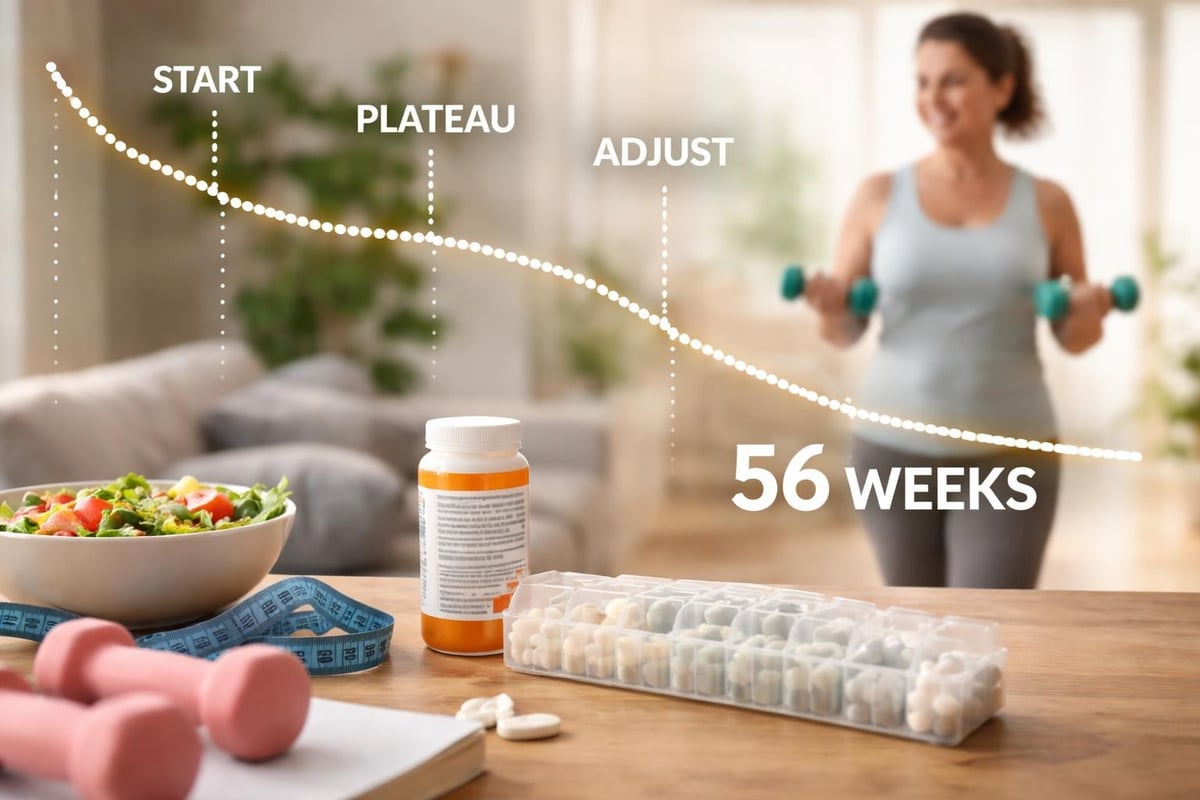
In clinical studies, patients using Saxenda lost an average of 5-10% of their body weight over 56 weeks when combined with lifestyle modifications. Some individuals experience more dramatic results, while others see more modest changes. The effectiveness varies based on factors including starting weight, adherence to the medication schedule, dietary habits, physical activity levels, and individual metabolic differences.
Typical timeline for results:
- Weeks 1-4: Reduced appetite and smaller portion sizes
- Weeks 5-12: Initial weight loss of 2-4% of body weight
- Weeks 13-26: Continued steady weight loss
- Weeks 27-56: Additional weight loss reaching potential 5-10% total
Healthcare providers typically evaluate progress after 16 weeks. If you haven't lost at least 4% of your initial body weight by this point, your doctor may discontinue the medication, as it's unlikely to produce significant results for you.
It's important to recognize that effectiveness and administration considerations extend beyond just the injection itself. Success requires commitment to dietary changes, regular physical activity, and often behavioral therapy or counseling to address the underlying patterns that contribute to weight gain.
Potential Side Effects and Safety Considerations
Like all medications, saxenda injections can cause side effects. Most people experience some adverse effects, especially during the initial weeks as they adjust to the medication. Understanding what to expect helps you distinguish between normal adjustment symptoms and serious concerns requiring medical attention.
Common side effects (experienced by more than 5% of users):
- Nausea (most frequent, especially in early weeks)
- Diarrhea or constipation
- Vomiting
- Decreased appetite (intended effect but can be excessive)
- Headache
- Dizziness
- Fatigue
- Abdominal pain or discomfort
- Injection site reactions (redness, itching)
These symptoms typically diminish as your body adjusts to the medication. Eating smaller meals, avoiding high-fat foods, and staying hydrated can help manage gastrointestinal side effects.
More serious but less common side effects require immediate medical attention. These include signs of pancreatitis (severe abdominal pain that may radiate to your back), symptoms of thyroid tumors (lump in your neck, difficulty swallowing, persistent hoarseness), or signs of kidney problems (changes in urination, swelling in legs or feet).
Saxenda carries specific warnings and contraindications. It should not be used by:
- Individuals with personal or family history of medullary thyroid carcinoma
- People with Multiple Endocrine Neoplasia syndrome type 2
- Pregnant or breastfeeding women
- Those with a history of severe allergic reactions to liraglutide
- Individuals with gastroparesis or severe gastrointestinal disease
The official prescribing information provides comprehensive details on contraindications, drug interactions, and safety monitoring requirements.
Who Is an Ideal Candidate
Not everyone struggling with weight is an appropriate candidate for saxenda injections. Medical professionals prescribe this medication following specific clinical criteria designed to identify those most likely to benefit while minimizing risks.
The FDA-approved indications specify that Saxenda is intended for:
- Adults with a body mass index (BMI) of 30 kg/m² or greater (obesity)
- Adults with a BMI of 27 kg/m² or greater (overweight) who also have at least one weight-related comorbid condition such as hypertension, type 2 diabetes, or dyslipidemia
Beyond these basic criteria, ideal candidates typically share certain characteristics. They've attempted weight loss through diet and exercise alone without achieving or maintaining adequate results. They're committed to making sustainable lifestyle changes alongside medication use. They don't have contraindications or conditions that would make Saxenda unsafe.
Factors that increase likelihood of success:
- Realistic expectations about weight loss timeline and magnitude
- Willingness to track food intake and physical activity
- Access to nutritional counseling or support programs
- Commitment to regular medical follow-up appointments
- Financial resources or insurance coverage for ongoing treatment
- Support system encouraging healthy behavior changes
Your healthcare provider will conduct a thorough evaluation before prescribing Saxenda. This includes medical history review, physical examination, laboratory tests to assess kidney and liver function, and discussion of your weight loss goals and previous attempts.
Cost Considerations and Access
The financial aspect of saxenda injections represents a significant consideration for many people. As a brand-name prescription medication, Saxenda carries a substantial price tag that varies depending on insurance coverage, pharmacy choice, and available assistance programs.
Without insurance, the retail price typically ranges from $1,300 to $1,500 per month for the maintenance dose. This represents one of the barriers to access for many individuals who could benefit from the medication. However, several options may reduce out-of-pocket costs.
Cost reduction strategies:
- Insurance coverage: Many commercial insurance plans cover Saxenda when medical necessity criteria are met
- Manufacturer savings programs: Novo Nordisk offers a savings card that may reduce copays for eligible patients
- Patient assistance programs: Those meeting income requirements may qualify for free or reduced-cost medication
- Flexible spending accounts or health savings accounts can cover costs with pre-tax dollars
- Comparison shopping among pharmacies, as prices vary
Insurance coverage often requires prior authorization, which means your doctor must submit documentation demonstrating medical necessity. This typically includes BMI measurements, documentation of previous weight loss attempts, and presence of obesity-related comorbidities.
The duration of treatment varies by individual. Some people use Saxenda for several months to reach their goal weight, while others continue long-term to maintain results. It's worth noting that many people regain weight after discontinuing the medication, which raises questions about cost sustainability for long-term use.
Integrating Saxenda Into a Comprehensive Approach
While saxenda injections can be effective, they work best as part of a holistic weight management strategy rather than as a standalone solution. The medication creates favorable conditions for weight loss by reducing appetite and cravings, but lasting success requires addressing the behavioral, psychological, and lifestyle factors that contribute to weight challenges.
A comprehensive approach includes several key components. Nutrition counseling helps you understand portion control, food choices, and meal planning strategies that support your goals. Regular physical activity, starting with whatever level is appropriate for your current fitness and gradually increasing, builds muscle, burns calories, and improves overall health.
Behavioral therapy addresses the psychological aspects of eating, including emotional eating, stress-related food choices, and habit formation. This is where the neuroscience of behavior change becomes particularly important. Your brain's patterns and responses around food were formed over years or decades, and reshaping them requires more than just medication.

Elements of an integrated approach:
- Regular medical monitoring and dose adjustments as needed
- Structured meal planning with appropriate caloric targets
- Progressive exercise program matching current abilities
- Sleep optimization for hormonal balance and recovery
- Stress management techniques to prevent emotional eating
- Support groups or accountability partnerships
- Mindfulness practices for conscious eating decisions
The neurological changes that occur during weight loss go beyond the medication's direct effects. When you consistently make healthier choices, your brain literally rewires itself. Neural pathways associated with unhealthy habits weaken, while new pathways supporting beneficial behaviors strengthen. This neuroplasticity is fundamental to lasting change.
Research demonstrates that combining medication with behavioral interventions produces superior results compared to medication alone. Clinical considerations and comprehensive guides emphasize this integrated approach for optimal outcomes.
Long-Term Maintenance and Sustainability
One of the most challenging aspects of weight management involves maintaining results after achieving your goal weight. Clinical data shows that many people regain weight after discontinuing saxenda injections, highlighting the importance of developing sustainable habits during treatment.
The question of how long to continue Saxenda doesn't have a universal answer. Some healthcare providers recommend gradually reducing the dose once you've maintained your goal weight for several months, while others suggest continuing indefinitely if the medication remains effective and well-tolerated.
What happens when you stop taking Saxenda depends largely on the habits you've developed during treatment. If you've used the appetite suppression as a tool to learn proper portion sizes, identify true hunger versus emotional eating, and establish regular physical activity, you're more likely to maintain your progress. However, if you've relied solely on the medication without developing these skills, weight regain becomes almost inevitable.
Strategies for sustainable maintenance:
- Gradual transition period rather than abrupt discontinuation
- Continued nutritional counseling and meal planning
- Established exercise routine that feels enjoyable rather than punishing
- Regular self-monitoring of weight and behaviors
- Quick intervention if weight begins creeping upward
- Ongoing stress management and emotional regulation skills
The reality is that for some individuals, long-term or even lifelong medication may be appropriate. Obesity is increasingly understood as a chronic disease influenced by genetic, metabolic, hormonal, and environmental factors. Just as people with hypertension or diabetes often require ongoing medication, those with obesity may benefit from continued pharmaceutical support.
This perspective shifts the conversation from viewing Saxenda as a temporary fix to understanding it as one tool in lifelong health management. The key is ensuring that the benefits justify the costs, both financial and in terms of potential side effects.
Alternative and Complementary Approaches
While saxenda injections represent one evidence-based option for weight management, they're not the only approach, nor are they suitable for everyone. Understanding alternatives helps you make informed decisions about what combination of strategies might work best for your situation.
Other prescription medications approved for weight loss include orlistat (which blocks fat absorption), phentermine-topiramate (which suppresses appetite through different mechanisms), naltrexone-bupropion (which affects brain reward pathways), and semaglutide (a newer GLP-1 agonist similar to liraglutide but dosed weekly instead of daily).
Surgical interventions like gastric bypass or sleeve gastrectomy produce more dramatic weight loss than medications but involve greater risks and permanent anatomical changes. These procedures are typically reserved for individuals with BMI above 40 or above 35 with serious comorbidities.
Beyond medical interventions, emerging research in neuroscience offers promising approaches to weight management. The brain's role in eating behavior extends far beyond basic hunger and satiety signals. Your subconscious mind drives the majority of your food choices, portion sizes, and eating patterns based on deeply ingrained neural pathways formed through years of repetition.
Addressing weight at the neurological level through techniques that reprogram subconscious patterns can create lasting change without relying solely on external interventions like medication or surgery. This approach recognizes that sustainable weight loss requires changing not just what you eat, but why you eat, when you eat, and how you respond to food-related cues and emotions.
Non-pharmaceutical approaches worth considering:
- Cognitive behavioral therapy specifically designed for eating behaviors
- Mindfulness-based stress reduction to address emotional eating
- Neuroscience-based habit modification programs
- Structured meal replacement programs for portion control
- Intensive lifestyle intervention programs with regular coaching
- Self-hypnosis and guided imagery for subconscious reprogramming
Reviews of safety and efficacy help contextualize Saxenda within the broader landscape of weight management options, highlighting both its benefits and limitations.
The most effective approach often combines multiple strategies tailored to individual needs, circumstances, and preferences. Some people achieve excellent results with Saxenda alongside behavioral support, while others find success through different combinations.
Saxenda injections offer a scientifically-backed tool for weight management, working through appetite regulation and metabolic effects that can support meaningful weight loss when combined with lifestyle modifications. However, the medication alone doesn't address the deeper neurological patterns that drive eating behaviors and food choices.
This is where neuroscience-based approaches to weight loss become invaluable. Oneleaf helps you reprogram your subconscious mind through daily guided sessions that combine behavioral psychology, neuroscience, and self-hypnosis. In just 10 minutes a day, you can retrain your brain to make healthy choices automatically, reduce cravings at their source, and create lasting change without relying on willpower or restriction. When you change your brain, your body follows naturally.