Saxenda weight loss has become one of the most discussed pharmaceutical interventions for obesity management in recent years. As a prescription medication containing liraglutide, Saxenda works by mimicking a naturally occurring hormone that regulates appetite and food intake. For individuals struggling with weight management, understanding how Saxenda functions, what realistic outcomes look like, and how it compares to other approaches can inform better decisions about whether this medication aligns with their health goals and lifestyle.
How Saxenda Works for Weight Management
Saxenda operates through a mechanism that targets the brain's appetite regulation centers. The active ingredient, liraglutide, is a GLP-1 receptor agonist that mimics glucagon-like peptide-1, a hormone your body produces naturally after eating. When you inject Saxenda, it activates these receptors in the brain, particularly in areas that control hunger and satiety.
The medication influences several biological processes simultaneously:
- Appetite suppression through direct action on hypothalamic regions
- Delayed gastric emptying, which keeps you feeling fuller longer
- Reduced food cravings by modulating reward pathways in the brain
- Blood sugar regulation that helps stabilize energy levels throughout the day
This multi-faceted approach means saxenda weight loss isn't simply about eating less. The medication changes how your brain interprets hunger signals and satisfaction from food. Many users report that food becomes less mentally consuming, and the constant thoughts about eating diminish significantly.

The Science Behind GLP-1 Receptor Agonists
GLP-1 medications represent a significant advancement in obesity treatment because they address weight at a neurological level. Traditional approaches often rely on conscious restriction and willpower, which create mental and physical stress. Saxenda bypasses this struggle by working directly with your brain's existing regulatory systems.
Research has shown that GLP-1 receptor activation reduces the reward value of food, particularly high-calorie, palatable options. This neurological shift can make healthy choices feel more natural rather than forced. The medication essentially recalibrates your internal set point for hunger and fullness, allowing you to eat appropriate portions without the mental battle.
Realistic Saxenda Weight Loss Results
Understanding what to expect from saxenda weight loss requires looking at both clinical trial data and real-world experiences. In pivotal studies, participants using Saxenda alongside lifestyle modifications lost an average of 8-10% of their starting body weight over 56 weeks. This translates to approximately 15-20 pounds for someone weighing 200 pounds.
However, individual results vary considerably based on multiple factors:
- Starting weight and body composition
- Adherence to the medication protocol
- Concurrent lifestyle modifications
- Metabolic health and hormone balance
- Exercise habits and activity levels
- Stress management and sleep quality
Weight Loss Timeline Expectations:
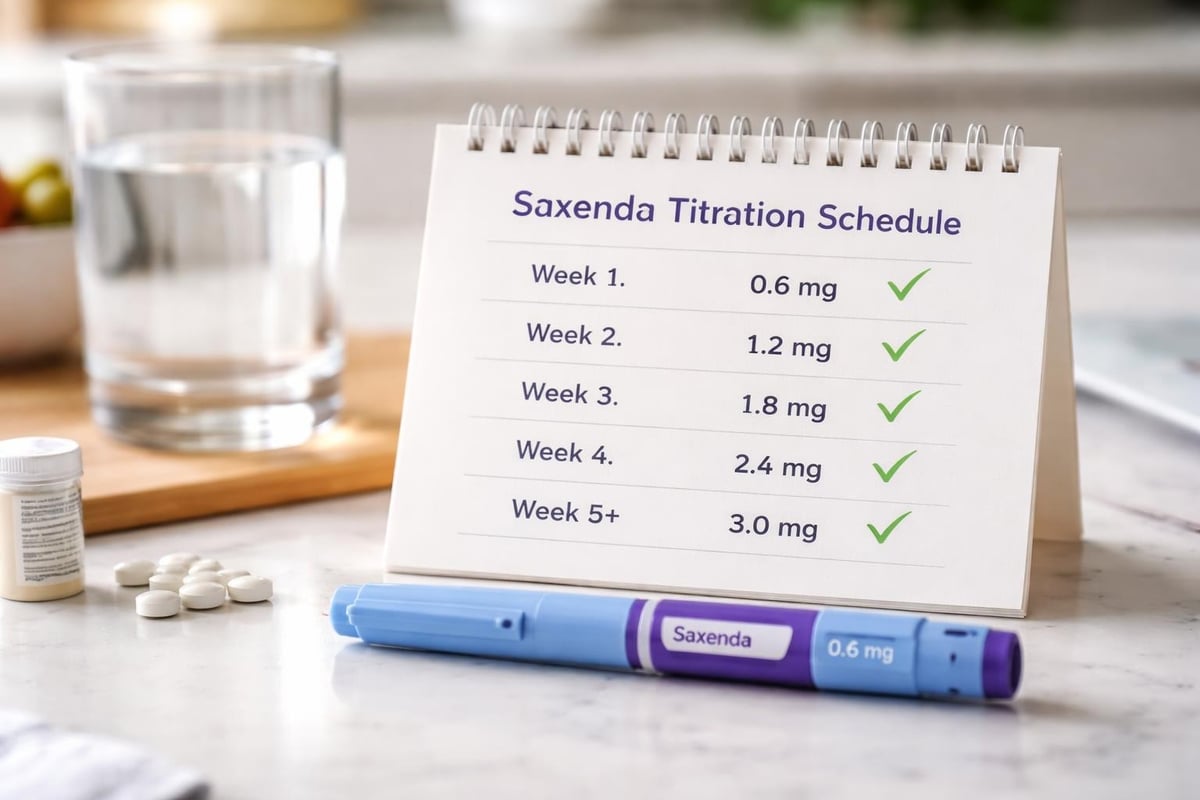
- Weeks 1-4: Minimal weight loss (0-3 pounds) as dosage gradually increases
- Weeks 5-12: More noticeable changes (5-8 pounds) as full dose is reached
- Weeks 13-26: Continued steady loss (8-15 pounds total) with consistent use
- Weeks 27-56: Plateau or slower loss (10-20 pounds total) requiring maintenance strategies
The most successful outcomes occur when saxenda weight loss is combined with behavioral changes. The medication creates a neurological environment where healthier choices become easier, but it doesn't eliminate the need for those choices entirely. Think of it as removing obstacles rather than doing the work for you.
Managing Saxenda Side Effects
Like all medications that influence biological systems, Saxenda comes with potential side effects that vary in frequency and severity. Understanding these reactions helps you prepare and decide whether the benefits outweigh the drawbacks for your situation.
Most Common Side Effects:
- Nausea (affecting 39% of users initially)
- Diarrhea or constipation
- Vomiting during dose escalation
- Headaches and fatigue
- Injection site reactions
- Low blood sugar (especially if combined with other medications)
Most gastrointestinal symptoms improve significantly after the first month as your body adapts to the medication. Starting with a low dose and gradually increasing helps minimize these reactions. Eating smaller, more frequent meals and avoiding high-fat foods can also reduce nausea and digestive discomfort.
Serious Considerations and Risk Factors
The official Saxenda safety information outlines several serious but rare risks that require medical monitoring. These include thyroid tumors (observed in rodent studies), pancreatitis, gallbladder problems, and kidney issues. While these complications are uncommon, they necessitate careful screening before starting treatment.
Saxenda isn't appropriate for everyone. You shouldn't use this medication if you have a personal or family history of medullary thyroid carcinoma, multiple endocrine neoplasia syndrome type 2, or are pregnant. Additionally, people with certain digestive disorders or severe kidney disease need alternative approaches.
Interestingly, recent FDA reviews have removed suicide risk warnings from Saxenda's labeling after comprehensive analysis found no increased risk. This decision followed extensive examination of clinical trial data and post-market surveillance, providing reassurance about the medication's psychological safety profile.
The Cost and Commitment of Saxenda Treatment
Saxenda weight loss requires both financial and practical commitment. The medication typically costs between $1,300 and $1,500 per month without insurance coverage. Some insurance plans cover Saxenda when prescribed for obesity management with documentation of previous weight loss attempts, but coverage varies significantly.
Beyond monetary cost, Saxenda demands daily injection compliance. Missing doses or inconsistent timing can reduce effectiveness and potentially increase side effects when resuming. The injection itself is relatively simple using a pre-filled pen, but it represents a daily commitment that some find burdensome.
Practical Requirements:
- Daily subcutaneous injection at the same time
- Refrigeration of unused pens
- Rotating injection sites to prevent tissue damage
- Regular medical monitoring including blood work
- Lifestyle modifications to maximize results
- Long-term continuation to maintain weight loss
One significant consideration is that saxenda weight loss often reverses when you stop the medication. Studies show that most people regain a substantial portion of lost weight within months of discontinuation. This suggests that Saxenda may need to be a long-term commitment rather than a temporary intervention.
Comparing Saxenda to Alternative Approaches
The pharmaceutical weight loss landscape has expanded considerably, with several options now available beyond Saxenda. Understanding how these compare helps contextualize where Saxenda fits in the treatment spectrum.
Comprehensive reviews of Saxenda often compare it to other GLP-1 medications like semaglutide (Wegovy) and tirzepatide (Zepbound). These newer options show higher average weight loss percentages (15-20% of body weight) but come with similar side effect profiles and often higher costs.
Saxenda vs. Other Weight Loss Medications:
- Effectiveness: Moderate (8-10% average weight loss)
- Injection frequency: Daily vs. weekly for newer alternatives
- Side effect profile: Similar GI symptoms across GLP-1 class
- Cost: High across all prescription weight loss medications
- FDA approval timeline: Earlier approval with longer safety track record
Beyond pharmaceutical options, behavioral and neurological approaches offer different mechanisms entirely. Rather than introducing external substances, these methods work to change the brain patterns that drive eating behavior from within.
The Neurological Alternative to Medication
While saxenda weight loss addresses appetite through chemical intervention, emerging neuroscience-based approaches target the same brain regions through different mechanisms. These methods focus on retraining subconscious patterns, emotional eating triggers, and stress responses that drive overconsumption.

The advantage of neurological retraining is addressing root causes rather than symptoms. Saxenda reduces hunger signals pharmacologically, but it doesn't change the underlying thought patterns, emotional associations with food, or stress-eating behaviors that often contribute to weight gain. When the medication stops, those patterns remain unchanged.
Neurological Approaches Address:
- Subconscious eating triggers and automatic behaviors
- Emotional regulation without using food as comfort
- Stress response patterns that lead to overeating
- Identity and self-image related to body weight
- Motivation systems and sustainable habit formation
- Mindfulness and present-moment eating awareness
Research into patient experiences with GLP-1 medications reveals that while these drugs effectively reduce physical hunger, many users still struggle with psychological cravings, social eating pressure, and emotional food relationships. This highlights the distinction between suppressing appetite and truly changing your relationship with food.
Who Benefits Most from Saxenda
Saxenda weight loss shows the best outcomes for specific populations. Clinical guidelines recommend it for adults with a BMI of 30 or higher, or 27 or higher with weight-related health conditions like type 2 diabetes, high blood pressure, or sleep apnea.
Beyond the numbers, Saxenda works best for people who:
- Have struggled with appetite control specifically
- Can commit to daily injections long-term
- Have access to medical monitoring and support
- Can afford the ongoing medication costs
- Have tried behavioral approaches without success
- Don't have contraindications or risk factors
Conversely, Saxenda may not be ideal if you primarily struggle with emotional eating, stress-driven food choices, or habitual eating patterns rather than physical hunger. The medication won't change these behaviors, which means you might see limited results or rapid weight regain after stopping.
Integration with Lifestyle Changes
The most successful saxenda weight loss outcomes occur when the medication supports comprehensive lifestyle modification rather than replacing it. The pharmaceutical intervention creates a neurological environment where change becomes easier, but you still need to implement those changes actively.
Effective integration strategies include:
- Structured meal planning that takes advantage of reduced appetite
- Regular physical activity to preserve muscle mass during weight loss
- Sleep optimization to support metabolic health and hormone balance
- Stress management to prevent emotional eating triggers
- Social support systems that reinforce healthy behaviors
The medication essentially removes one barrier (excessive hunger) while other barriers remain. This partial solution explains why outcomes vary so dramatically between individuals. Those who address multiple factors simultaneously see better results than those relying on the medication alone.
Long-Term Sustainability Considerations
Perhaps the most challenging aspect of saxenda weight loss is maintaining results after treatment. The medication changes your appetite while you're using it, but it doesn't permanently rewire your brain's eating patterns. This creates a dependence scenario where continued use becomes necessary to maintain benefits.
Analysis of public discussions about similar medications reveals significant concern about long-term sustainability and the psychological impact of medication dependence. Many users express frustration about needing ongoing pharmaceutical intervention to maintain what they hoped would be permanent changes.
Sustainability Challenges:
- Weight regain averaging 50-70% within one year of stopping
- Financial burden of indefinite medication costs
- Physical tolerance requiring dose adjustments over time
- Psychological dependence on external appetite control
- Difficulty transitioning to internal regulation mechanisms
These realities don't negate Saxenda's value for appropriate candidates, but they highlight the importance of realistic expectations. If you view Saxenda as a temporary intervention, you'll likely face disappointment. If you understand it as a long-term medical management tool for a chronic condition, you can plan accordingly.
Building Lasting Change Beyond Medication
The ultimate goal of any weight management approach should be sustainable change that doesn't require ongoing medical intervention. While saxenda weight loss can provide results during treatment, true transformation requires addressing behavioral and neurological patterns at their source.
This is where neuroscience-based behavioral approaches offer distinct advantages. Instead of suppressing hunger chemically, these methods retrain your brain to naturally make healthier choices. The change happens internally through pattern recognition, habit reformation, and subconscious reprogramming rather than external chemical intervention.
Advantages of Neurological Retraining:
- Changes persist after the intervention ends
- No physical side effects or medical risks
- Addresses emotional and psychological eating drivers
- Builds self-efficacy and internal locus of control
- Costs significantly less than ongoing medication
- Improves overall relationship with food and body
Think of it as learning a language versus using a translation device. Saxenda is the translator that helps you communicate (control appetite) while using it, but you haven't learned the language. Neuroscience-based retraining teaches you the language itself, giving you permanent capability.
Making an Informed Decision About Saxenda
Deciding whether saxenda weight loss aligns with your goals requires honest assessment of multiple factors. Consider your specific struggles, resources, timeline expectations, and willingness to commit to various aspects of treatment.
Ask yourself these critical questions:
- Is physical hunger your primary obstacle to weight management?
- Can you afford $1,300+ monthly indefinitely?
- Are you comfortable with daily injections long-term?
- Do you have medical clearance and no contraindications?
- Have you addressed behavioral and emotional eating patterns?
- What happens when you eventually stop the medication?
If hunger control is genuinely your main barrier and other factors align, Saxenda might provide valuable support. However, if emotional eating, stress responses, habitual patterns, or psychological factors drive your eating behavior, the medication addresses only part of your challenge.
Many people find that combining approaches yields better results than either intervention alone. Using Saxenda to reduce physical hunger while simultaneously working on neurological retraining creates both immediate support and long-term capability. This integrated strategy provides the best chance for sustainable transformation.
The Future of Weight Management
The landscape of weight loss interventions continues evolving rapidly. While medications like Saxenda represent important tools, the future likely involves more comprehensive approaches that address biological, neurological, behavioral, and psychological factors simultaneously.
Emerging research increasingly recognizes obesity as a complex condition involving brain function, hormone regulation, gut microbiome composition, stress response systems, and learned behaviors. Single-intervention approaches, whether pharmaceutical or behavioral, can't fully address this complexity.
The most promising developments focus on personalization. Rather than one-size-fits-all solutions, future interventions will likely match specific mechanisms to individual needs. Someone struggling with hunger might benefit from appetite-regulating medication, while someone with emotional eating patterns needs neurological retraining, and someone with metabolic issues requires different support entirely.
For now, understanding how different approaches work and where they excel helps you make informed choices. Saxenda weight loss offers real benefits for appropriate candidates but isn't a universal solution. Knowing your specific obstacles, resources, and goals guides you toward interventions most likely to create the results you want.
Saxenda weight loss represents one pathway among many for managing weight, with specific benefits and limitations that make it suitable for some individuals but not others. Understanding how it works, what realistic outcomes look like, and where it fits in the broader treatment landscape empowers better decision-making. If you're looking for an approach that creates lasting change by addressing weight at its neurological source, Oneleaf offers a science-based alternative that retrains your brain to make healthy choices naturally. In just 10 minutes daily, you'll rewire the subconscious patterns driving your eating behavior, creating sustainable transformation without medication, restriction, or ongoing costs.