Navigating weight loss during menopause feels like playing a game where the rules suddenly changed without warning. Your metabolism slows, hormones fluctuate wildly, and the strategies that worked in your thirties now seem completely ineffective. The menopause diet 5 day plan to lose weight offers a science-backed approach that addresses these unique challenges head-on. Rather than another restrictive eating program, this strategy focuses on working with your body's changing needs during this transitional phase. Understanding how hormonal shifts affect your brain's relationship with food creates the foundation for sustainable weight management that doesn't require constant willpower or deprivation.
Understanding Menopause and Weight Gain
Hormonal changes during menopause don't just affect your reproductive system. They fundamentally alter how your brain regulates hunger, processes stress, and makes decisions about food. Declining estrogen levels trigger a cascade of metabolic shifts that make weight gain feel inevitable.
The Hormonal Shift
Estrogen plays a critical role in regulating metabolism and body composition. As levels drop during perimenopause and menopause, your body begins storing fat differently, particularly around the midsection. This isn't about lack of discipline. Your brain's reward centers respond differently to food, cravings intensify, and satiety signals become less reliable.
Research shows that managing weight during menopause requires understanding these neurological changes. The hypothalamus, which controls hunger and fullness, becomes less sensitive to leptin, the hormone that signals satisfaction after eating. Meanwhile, cortisol levels often rise due to increased stress and sleep disruptions, further promoting abdominal fat storage.
Metabolic Changes
Your resting metabolic rate decreases by approximately 200-300 calories per day during menopause. This happens gradually, often without noticeable changes in activity levels or eating patterns. The result feels frustrating: eating the same amount as before leads to steady weight gain.

Muscle mass naturally declines with age, and this process accelerates during menopause. Since muscle tissue burns more calories than fat tissue, losing muscle means burning fewer calories throughout the day. This creates a compound effect where metabolic slowdown meets increased fat storage capacity.
The Five-Day Reset Strategy
The menopause diet 5 day plan to lose weight provides a structured approach to jumpstart your metabolism and establish sustainable eating patterns. This isn't about drastic calorie restriction or eliminating entire food groups. Instead, it focuses on nutrient density, hormonal balance, and retraining your brain's automatic responses to food.
Why Five Days Works
Five days offers enough time to reset your palate, stabilize blood sugar, and begin establishing new neural pathways around eating decisions. Your brain needs consistency to form new patterns, but not so long that the commitment feels overwhelming. This timeframe allows you to experience tangible results while building confidence in your ability to sustain changes.
The plan emphasizes foods that support estrogen metabolism, reduce inflammation, and provide steady energy without blood sugar spikes. Each day builds on the previous one, creating momentum that extends beyond the initial five-day period.
Day-by-Day Breakdown
Day One: Foundation Building
Start with protein-rich foods at every meal to stabilize blood sugar and support muscle maintenance. Begin your morning with eggs, Greek yogurt, or a protein smoothie containing at least 25 grams of protein. This sets the neurological foundation for balanced eating throughout the day.
Morning priorities:
- High-protein breakfast within one hour of waking
- Minimum 16 ounces of water before coffee
- Ten minutes of mindful breathing to reduce cortisol
Mid-morning and afternoon snacks should combine protein with healthy fats. Think almond butter with celery, hard-boiled eggs, or cottage cheese with cucumber slices. These combinations prevent the blood sugar crashes that trigger intense cravings and impulsive eating decisions.
Dinner focuses on lean protein, abundant vegetables, and a moderate portion of complex carbohydrates like quinoa or sweet potato. The key lies in eating until satisfied, not stuffed, allowing your brain time to register fullness signals.
Day Two: Anti-Inflammatory Focus
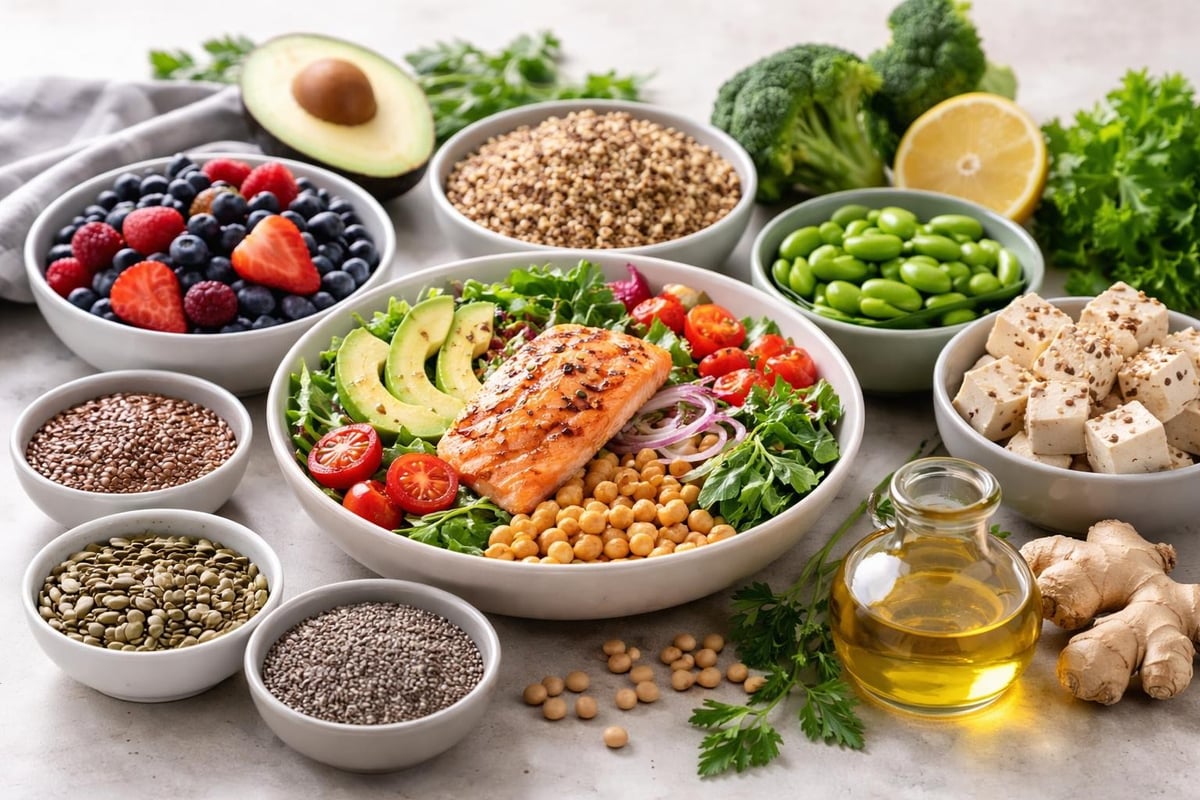
Inflammation interferes with hormone signaling and makes weight loss more difficult. Day two emphasizes foods rich in omega-3 fatty acids, antioxidants, and phytoestrogens that naturally support hormonal balance.
Key foods to include:
- Fatty fish like salmon or sardines
- Flaxseeds and chia seeds
- Leafy greens and cruciferous vegetables
- Berries high in antioxidants
- Green tea throughout the day
Dr. Stacy Sims explains that eating more nutrient-dense foods rather than less food overall proves more effective for fat loss during perimenopause and menopause. Your brain needs adequate nutrition to regulate metabolism effectively. Restriction triggers survival mechanisms that slow metabolism further.
Day Three: Blood Sugar Stabilization
Steady blood sugar prevents the hormonal rollercoaster that drives overeating. This day emphasizes timing meals every three to four hours and pairing carbohydrates with protein or healthy fats.
Replace simple carbohydrates with fiber-rich alternatives. Choose steel-cut oats over instant oatmeal, whole fruit over juice, and legumes over white rice. These swaps maintain steady glucose levels that keep your brain functioning optimally without triggering cravings.
Monitor your energy levels and mood throughout the day. These serve as reliable indicators of blood sugar stability. When you feel energized and emotionally balanced between meals, you've found the right combination.
Day Four: Gut Health Optimization
The gut microbiome influences hormone metabolism, inflammation levels, and even mood regulation. Supporting beneficial bacteria improves how your body processes estrogen and manages weight during menopause.
Probiotic and prebiotic sources:
- Fermented foods like sauerkraut, kimchi, and kefir
- Prebiotic vegetables including garlic, onions, and asparagus
- High-fiber foods that feed beneficial bacteria
- Bone broth for gut lining support
Your gut bacteria communicate directly with your brain through the vagus nerve, influencing food preferences and appetite regulation. Improving gut health literally changes what foods your brain craves. A comprehensive approach to the menopause diet includes this gut-brain connection as a critical component.
Day Five: Sustainable Integration
The final day focuses on identifying which strategies feel most sustainable long-term. Review what worked well and what felt challenging. Notice which meals left you satisfied for hours versus those that triggered hunger soon after eating.
Experiment with meal timing that suits your natural rhythms. Some women thrive with intermittent fasting during menopause, while others need more frequent meals. Your brain's response to different eating patterns provides better guidance than any universal rule.
Plan your transition beyond these five days by selecting three to five strategies that felt effortless. These become your foundation for continued progress without relying on willpower.
Essential Nutritional Components
Protein Requirements
Women experiencing menopause need more protein than conventional guidelines suggest. Aim for 1.2 to 1.6 grams per kilogram of body weight daily to preserve muscle mass and support metabolic function.
Protein affects satiety hormones more powerfully than carbohydrates or fats. Adequate intake helps your brain recognize fullness more reliably, reducing the likelihood of overeating later in the day. Distribute protein evenly across meals rather than concentrating it at dinner.
Healthy Fats and Hormones
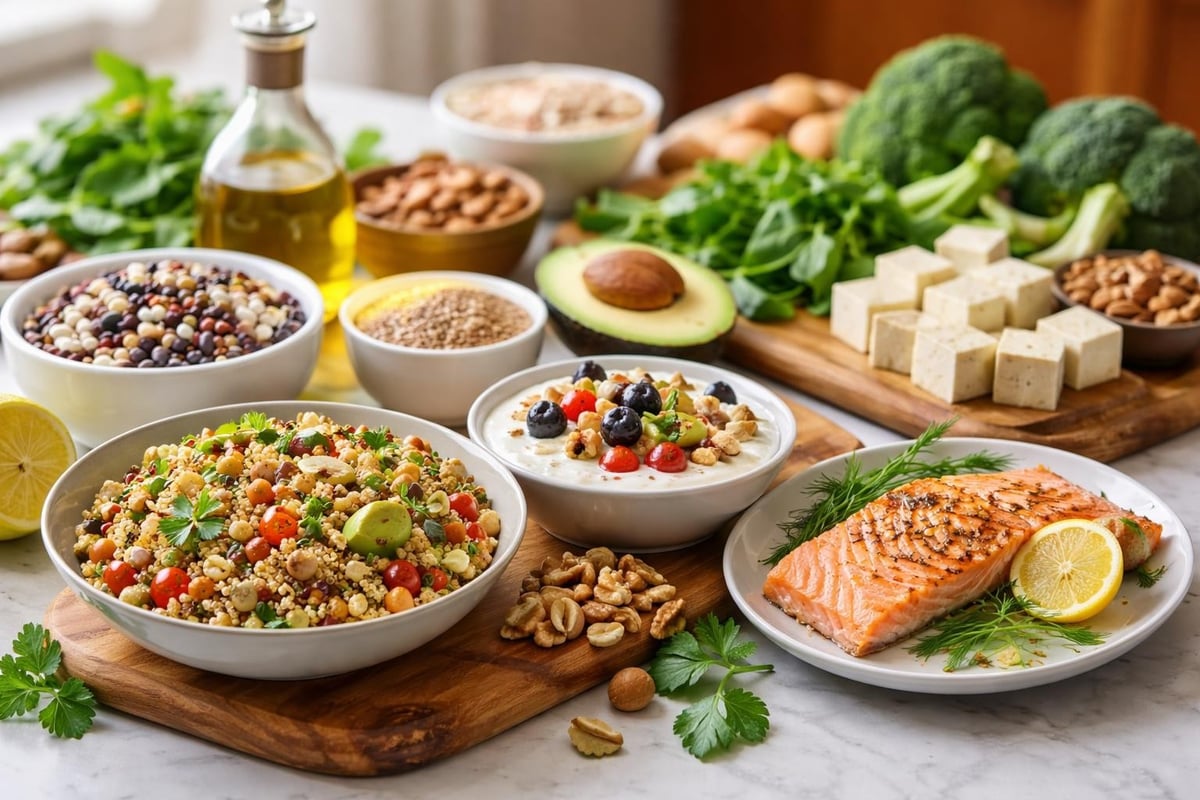
Dietary fats provide the building blocks for hormone production. Emphasize monounsaturated and omega-3 fatty acids while limiting saturated and trans fats.
Beneficial fat sources:
- Avocados and olive oil
- Nuts and seeds
- Fatty fish
- Coconut oil in moderation
These fats support brain health, reduce inflammation, and improve nutrient absorption. They also slow digestion, preventing blood sugar spikes that trigger cravings and energy crashes.
Fiber for Estrogen Metabolism
Fiber helps eliminate excess estrogen from your body and supports healthy gut bacteria. Women should consume 25 to 35 grams daily from whole food sources.
Soluble fiber found in oats, legumes, and fruits slows glucose absorption. Insoluble fiber from vegetables and whole grains promotes regular elimination, preventing estrogen reabsorption. Both types work synergistically to support hormonal balance.
Behavioral Strategies Beyond Food
The Brain-First Approach
The menopause diet 5 day plan to lose weight works best when combined with strategies that address the neurological patterns driving eating behavior. Your subconscious mind controls approximately 95% of your daily decisions, including what, when, and how much you eat.
Traditional diets rely on conscious willpower, which depletes quickly under stress. Menopause brings additional stressors including sleep disruptions, mood changes, and physical discomfort. Expecting willpower alone to overcome decades of established neural pathways sets you up for frustration.
Instead, focus on retraining your subconscious responses to food. This involves recognizing triggers, interrupting automatic patterns, and establishing new associations between emotions and behaviors. When healthy choices become automatic rather than effortful, sustainable weight loss follows naturally.
Stress Management and Cortisol
Chronic stress elevates cortisol, which promotes abdominal fat storage and increases cravings for high-calorie comfort foods. Managing stress becomes as important as food choices during menopause.
Daily stress reduction practices:
- Ten minutes of deep breathing or meditation
- Regular movement you enjoy
- Adequate sleep (seven to nine hours)
- Social connection and support
Your brain cannot distinguish between physical danger and psychological stress. Both trigger the same cortisol response that encourages fat storage around vital organs. Consistent stress management signals safety to your nervous system, allowing metabolism to function optimally.
Sleep and Hunger Hormones
Sleep disruptions during menopause interfere with ghrelin and leptin, the hormones regulating hunger and fullness. One night of poor sleep can increase ghrelin by 28% while decreasing leptin by 18%, creating intense hunger the following day.
Prioritize sleep hygiene by maintaining consistent bedtimes, creating a cool dark environment, and avoiding screens two hours before sleep. When sleep improves, hunger regulation normalizes without conscious effort. Your brain makes better food decisions when well-rested.
Common Challenges and Solutions
Intense Cravings
Cravings during menopause often stem from hormonal fluctuations rather than true hunger. When estrogen drops, serotonin production decreases, leading your brain to seek quick mood elevation through sugar and refined carbohydrates.
Combat cravings by addressing their root cause. Ensure adequate protein and healthy fats at each meal. Stay hydrated, as thirst often masquerades as hunger. When cravings strike, wait ten minutes while engaging in a distracting activity. Often, they pass without action.
Understanding that different approaches work for various stages of menopause helps tailor strategies to your specific needs. Perimenopause requires different support than post-menopause as hormone fluctuations vary in intensity and pattern.
Plateau Breaking
Weight loss plateaus frustrate everyone, but they're especially common during menopause. Your metabolism adapts to caloric intake, requiring periodic adjustments to continue progress.
Rather than drastically cutting calories, focus on changing meal timing or composition. Try intermittent fasting, increase protein while reducing carbohydrates, or add resistance training to build muscle mass. Small strategic changes signal your metabolism to keep adapting.
Social Situations
Navigating social eating requires planning and clear intentions. Decide before events what boundaries you'll maintain. Eat a protein-rich snack beforehand to prevent arriving hungry and making impulsive choices.
Focus conversations on connection rather than food. When you change your association between socializing and eating, you naturally consume less at gatherings. Your brain learns that social fulfillment doesn't require overeating.
Measuring Progress Beyond the Scale
Non-Scale Victories
Weight represents just one metric of success. During menopause, body composition changes matter more than pounds lost. You might lose inches while maintaining weight as muscle replaces fat tissue.
Track these indicators:
- Energy levels throughout the day
- Sleep quality and duration
- Mood stability and resilience
- Clothing fit and comfort
- Strength and physical capability
These measurements reflect metabolic health more accurately than scale weight. They also provide motivation during periods when weight remains stable despite positive changes.
Long-Term Sustainability
The menopause diet 5 day plan to lose weight serves as a catalyst, not a permanent eating pattern. Use these five days to identify which strategies feel natural and which require excessive effort. Sustainable weight management emerges from habits that align with your preferences and lifestyle.
Following the initial five days, gradually reintroduce foods you enjoy in moderate portions. Notice how different foods affect your energy, cravings, and satisfaction. This awareness allows informed choices without rigid rules or guilt.
Building flexibility into your approach prevents the all-or-nothing thinking that sabotages long-term success. When you view occasional indulgences as normal rather than failures, you maintain progress despite imperfection.
Building New Neural Pathways
Automatic Healthy Choices
Your brain operates efficiently by automating repeated behaviors. After sufficient repetition, decisions become unconscious habits requiring no willpower. This neurological principle works for both helpful and harmful patterns.
Creating new eating habits requires consistent repetition until they become automatic. Research suggests this takes 66 days on average, though the timeline varies individually. The menopause diet 5 day plan to lose weight initiates this process by establishing initial patterns.
Focus on making one meal completely automatic before adding complexity. When breakfast becomes effortless, your brain has freed up decision-making resources for other challenges. Gradually expand these automatic patterns across all meals.
Mindful Eating Practice
Mindfulness interrupts automatic overeating by bringing conscious awareness to physical sensations and emotional states. This practice strengthens the connection between your conscious and subconscious mind.
Eat without distractions at least once daily. Notice food textures, flavors, and aromas. Check in with hunger levels before, during, and after meals. This awareness helps your brain recognize true satiety signals rather than relying on external cues like empty plates.
When you eat mindfully, you naturally consume less while feeling more satisfied. Your brain receives clear feedback about what your body genuinely needs.
Reframing Your Relationship with Food
Food isn't the enemy, nor is it your primary source of comfort and reward. During menopause, reestablishing a balanced relationship with eating becomes essential for sustainable weight management.
Identify what purposes food currently serves beyond nutrition. Does it provide stress relief, entertainment, or emotional comfort? Once you recognize these patterns, you can address underlying needs through more effective means. Your brain craves the feeling food provides, not necessarily the food itself.
When you meet emotional needs directly rather than through eating, food becomes fuel and enjoyment rather than a coping mechanism. This shift happens gradually as you build new neural pathways connecting emotions with healthier responses.
The menopause diet 5 day plan to lose weight offers a structured starting point for addressing the unique metabolic challenges of this life transition. By combining strategic nutrition with an understanding of how hormonal changes affect your brain, you create conditions for sustainable weight management without constant restriction or willpower depletion. However, lasting transformation requires addressing the subconscious patterns that drive eating behavior at their source. Oneleaf helps you reprogram these deep-seated patterns through neuroscience-based guided audio sessions that retrain your brain to make healthy choices automatically, supporting your weight loss journey with just ten minutes of daily practice that fits seamlessly into your routine.