The journey toward sustainable weight loss starts with understanding how your food choices interact with your brain's natural reward systems and hunger signals. A vegetarian meal plan for weight loss offers unique advantages by focusing on nutrient-dense, fiber-rich foods that naturally support satiety and metabolic health. When combined with an understanding of how your subconscious mind influences eating behaviors, plant-based eating becomes more than just a diet-it transforms into a lifestyle that aligns your body's needs with your brain's patterns. This approach removes the mental battle against restrictive dieting and replaces it with automatic, healthy decision-making rooted in neuroscience.
Why Plant-Based Eating Supports Natural Weight Loss
The science behind vegetarian diets and weight management extends beyond simple calorie counting. Plant-based foods naturally contain higher fiber content, which slows digestion and extends feelings of fullness. This biological response reduces the frequency of hunger signals reaching your brain, making it easier to maintain a caloric deficit without experiencing constant cravings.
Research consistently shows that vegetarians tend to have lower body mass indexes compared to meat-eaters. The reasons are multifaceted:
- Higher fiber intake triggers satiety hormones like GLP-1 and peptide YY
- Lower caloric density means larger portion sizes with fewer calories
- Improved insulin sensitivity helps regulate blood sugar and reduce fat storage
- Enhanced gut microbiome produces metabolites that influence weight regulation
Beyond the physiological benefits, adopting a vegetarian diet can support both weight loss goals and budget-friendly shopping when approached strategically. The key lies in choosing whole foods over processed vegetarian alternatives, which often contain hidden sugars and refined oils.
The Neuroscience Connection
Your brain forms powerful associations between foods and emotional rewards. These neural pathways, developed over years of eating patterns, determine which foods you crave and how much you consume. When transitioning to a vegetarian meal plan for weight loss, understanding these subconscious patterns becomes essential for lasting success.
The prefrontal cortex-responsible for decision-making and impulse control-can be strengthened through consistent practice and mental retraining. This neuroplasticity allows you to rewire automatic responses to food triggers, making healthy choices feel natural rather than forced.

Building Your Foundation: Core Principles
Creating an effective vegetarian meal plan for weight loss requires balancing macronutrients while ensuring adequate protein intake. Many people mistakenly believe vegetarian diets lack sufficient protein, but strategic planning easily meets daily requirements through diverse plant sources.
Protein sources to prioritize:
- Legumes (lentils, chickpeas, black beans) providing 15-18g per cooked cup
- Tofu and tempeh offering 10-20g per serving
- Greek yogurt and cottage cheese delivering 15-20g per cup
- Quinoa and ancient grains contributing 8g per cooked cup
- Nuts and seeds adding 5-8g per quarter cup
- Protein-rich vegetables like edamame and peas
The psychological aspect of meal planning often gets overlooked. When your brain perceives restriction, it activates stress responses that increase cortisol and trigger compensatory overeating. Instead of rigid rules, focus on abundance-filling your plate with colorful vegetables, hearty legumes, and satisfying whole grains. This mental shift from deprivation to nourishment changes how your subconscious mind views your eating pattern.
Caloric Considerations Without Counting
While some structured plans like the 1,500-calorie vegetarian approach from Diabetes UK provide specific frameworks, sustainable weight loss doesn't require obsessive tracking. Your brain's hypothalamus naturally regulates appetite when you eat whole foods and practice mindful eating.
Focus on these principles instead:
- Fill half your plate with non-starchy vegetables
- Dedicate one quarter to protein-rich legumes or plant proteins
- Reserve one quarter for whole grains or starchy vegetables
- Add healthy fats in controlled portions (avocado, nuts, olive oil)
This visual approach bypasses the analytical mind and appeals directly to your brain's pattern recognition systems, making portion control automatic rather than calculated.
Sample Daily Meal Structures
Creating variety prevents monotony while ensuring nutritional completeness. These flexible frameworks allow personalization based on preferences and hunger levels throughout the day.
Breakfast Options
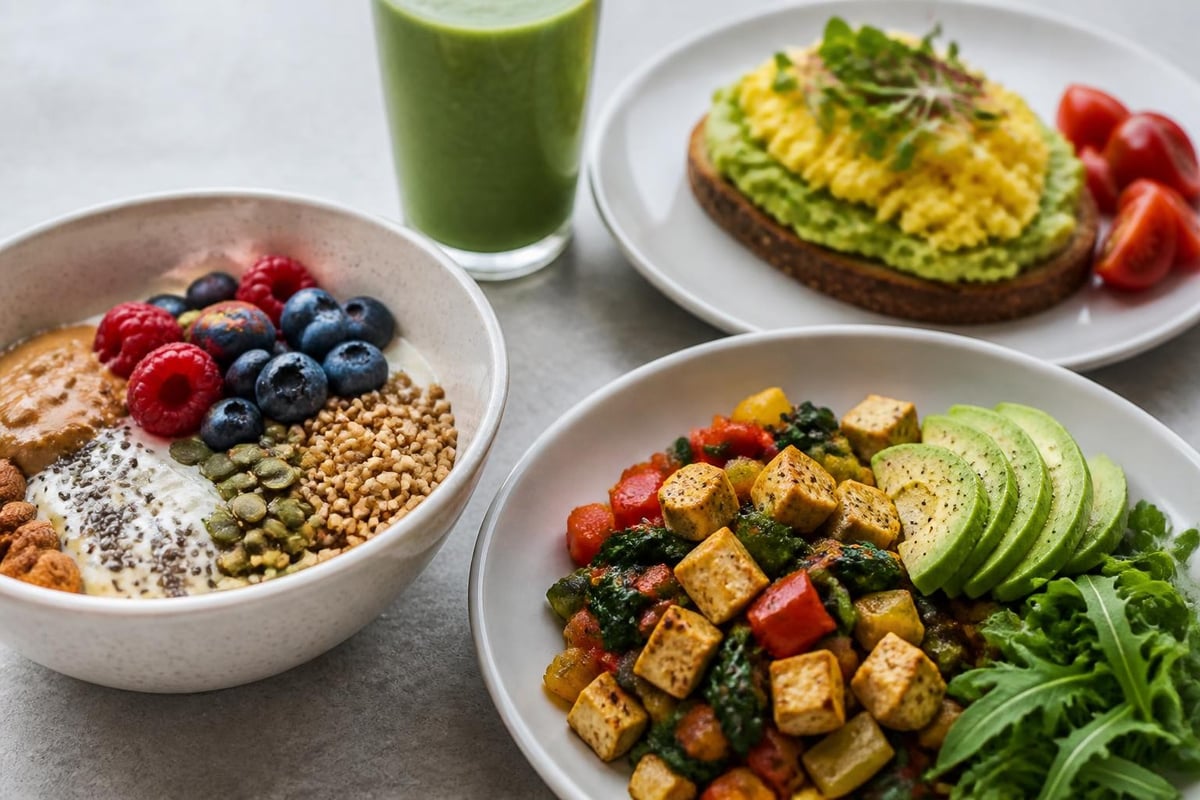
Option 1: Protein-Powered Start Greek yogurt parfait with mixed berries, ground flaxseed, and a sprinkle of granola provides probiotics, antioxidants, and omega-3 fatty acids. This combination stabilizes blood sugar and reduces mid-morning cravings.
Option 2: Savory Morning Plate Scrambled tofu with spinach, mushrooms, and nutritional yeast over whole grain toast delivers B-vitamins and satisfying protein. The savory flavors activate different taste receptors than sweet breakfasts, offering mental variety.
Option 3: Quick and Portable Overnight oats prepared with almond milk, chia seeds, banana, and almond butter require no morning preparation. This convenience factor reduces decision fatigue when willpower is lowest.
Midday Meals That Sustain
Lunch should provide lasting energy without causing afternoon drowsiness. The key is balancing complex carbohydrates with adequate protein and healthy fats.
Buddha Bowl Formula:
- Base: Mixed greens or quinoa
- Protein: Roasted chickpeas or baked tofu
- Vegetables: Roasted sweet potato, shredded carrots, cucumber
- Healthy fat: Tahini dressing or sliced avocado
- Flavor boost: Fresh herbs, lemon juice, Everything bagel seasoning
Hearty Soup and Salad: Lentil soup paired with a large mixed green salad creates volume and satisfaction. The warm soup triggers fullness signals faster than cold foods, helping with portion awareness.
Mediterranean-Inspired Plate: Hummus with raw vegetables, whole grain pita, tabbouleh, and marinated white beans combines protein, fiber, and satisfying textures. The variety keeps your brain engaged and satisfied.
Evening Nutrition
Dinner represents an opportunity to wind down while nourishing your body for overnight recovery and repair. Evening meals should be satisfying but not so heavy that they disrupt sleep quality.
Stir-Fry Success: Tempeh or edamame stir-fried with colorful vegetables (bell peppers, broccoli, snap peas) over brown rice or cauliflower rice provides customizable nutrition. The act of cooking can also serve as a mindful transition from workday stress.
Comfort Food Reimagined: Vegetarian chili loaded with kidney beans, black beans, tomatoes, and vegetables topped with a small amount of cheese and Greek yogurt satisfies cravings for hearty meals without excess calories.
Light and Fresh: Zucchini noodles with marinara sauce, white beans, and fresh basil offers a lighter option that won't interfere with evening routines or sleep patterns.
Strategic Snacking and Hunger Management
Between-meal hunger often triggers impulsive decisions that derail progress. Rather than viewing snacks as failures, recognize them as opportunities to practice mindful eating and reinforce positive neural pathways.
Smart snack combinations include:
- Apple slices with almond butter (fiber plus healthy fats)
- Roasted chickpeas seasoned with spices (crunchy satisfaction)
- Celery sticks with hummus (high volume, low calories)
- Mixed nuts in pre-portioned amounts (prevents mindless overeating)
- Protein smoothie with spinach, banana, and plant-based protein powder
The timing of snacks matters more than many realize. Eating every three to four hours prevents blood sugar crashes that trigger stress responses in your brain. When your amygdala-the brain's threat detector-perceives low energy, it initiates urgent hunger signals that often lead to overconsumption.
Weekly Planning Strategies
Successful implementation of a vegetarian meal plan for weight loss requires removing decision points during vulnerable moments. Meal preparation transforms abstract intentions into concrete actions.
Sunday preparation routine:
- Cook large batches of grains (quinoa, brown rice, farro)
- Prepare three different legume dishes (curried lentils, seasoned black beans, marinated chickpeas)
- Chop vegetables for quick assembly during the week
- Portion snacks into individual containers
- Prepare overnight oats jars for weekday breakfasts
This investment of two to three hours creates a supportive environment where healthy choices become the path of least resistance. Your brain naturally selects convenient options, so making nutritious foods the most accessible choice leverages this tendency.
For those seeking structured guidance, a comprehensive 7-day vegetarian meal plan can provide the framework needed to establish consistent patterns before customizing based on personal preferences.
Adapting to Your Lifestyle
Flexibility prevents the all-or-nothing thinking that sabotages long-term success. If you prefer eating out, most restaurants now offer vegetarian options that align with weight loss goals:
- Choose vegetable-forward dishes with protein additions
- Request dressings and sauces on the side
- Start meals with soup or salad to activate satiety signals
- Share entrees or immediately box half for later
Social situations require planning but not avoidance. Your brain learns through repeated experiences, so navigating challenging scenarios successfully builds confidence and reinforces your new identity as someone who naturally makes healthy choices.
Addressing Common Challenges
The transition to a vegetarian meal plan for weight loss presents predictable obstacles that become opportunities for growth when anticipated.
Protein Adequacy Concerns
Meeting protein needs without meat requires intentionality but remains entirely achievable. Target 0.8 to 1.0 grams per kilogram of body weight daily through diverse sources. Combining different plant proteins throughout the day ensures complete amino acid profiles.
A high-protein vegetarian meal plan approach can demonstrate how strategic food combinations easily meet these requirements while supporting muscle maintenance during weight loss.
Managing Cravings
Cravings originate from complex interactions between nutritional needs, emotional associations, and habitual patterns. Rather than suppressing them with willpower-which depletes over time-address the underlying triggers.
Physical cravings often indicate:
- Dehydration (drink water first)
- Blood sugar imbalance (eat balanced meals regularly)
- Mineral deficiencies (ensure variety in vegetable intake)
Emotional cravings stem from:
- Stress responses seeking comfort
- Boredom looking for stimulation
- Habit patterns activated by environmental cues
Retraining your subconscious response to these triggers creates lasting change. When you consistently respond to stress with deep breathing instead of snacking, new neural pathways form that make the healthy response automatic.
Energy Level Fluctuations
Some people experience initial fatigue when transitioning to plant-based eating. This typically results from inadequate calorie intake, insufficient B12, or low iron levels.
Solutions include:
- Monitoring portion sizes to ensure adequate energy
- Taking a quality B12 supplement (essential for all vegetarians)
- Combining iron-rich foods with vitamin C sources for absorption
- Spacing meals appropriately to maintain stable blood sugar
Mindful Eating Integration
The mechanical aspects of a vegetarian meal plan for weight loss provide structure, but the psychological components determine long-term success. Mindful eating practices strengthen the connection between your conscious intentions and subconscious behaviors.
Core mindfulness practices:
- Eliminate distractions during meals (no phones, television, or computers)
- Chew thoroughly, putting utensils down between bites
- Notice flavors, textures, and sensations without judgment
- Rate hunger and fullness on a scale before and during eating
- Express gratitude for the nourishment being received
These simple actions shift eating from an automatic behavior to a conscious experience. This awareness interrupts the mindless consumption patterns stored in your basal ganglia-the brain region managing habitual behaviors.
The Ten-Minute Practice
Dedicating just ten minutes daily to mental retraining accelerates the transformation of eating patterns. During this focused time, you can practice visualization techniques that prepare your brain for success.
Imagine yourself:
- Choosing colorful vegetables at the grocery store
- Feeling satisfied after appropriate portions
- Declining foods that don't serve your goals without internal conflict
- Experiencing pride and confidence in your healthy choices
Repeated visualization activates the same neural networks as actual experiences, effectively pre-programming your brain for success in real-world situations.
Long-Term Sustainability
The difference between temporary dieting and permanent lifestyle change lies in how behaviors integrate with your identity and values. A structured approach like a 12-week vegetarian meal plan can establish foundational habits, but maintaining results requires deeper transformation.
Building Your Support System
Weight loss journeys benefit enormously from social support and accountability. This doesn't necessarily mean formal groups-it can include:
- A friend also adopting healthier eating patterns
- Online communities focused on vegetarian nutrition
- Family members who understand and respect your goals
- A journal documenting progress, challenges, and insights
Your brain's mirror neuron system means you unconsciously adopt behaviors of those around you. Surrounding yourself with health-conscious influences makes positive choices feel normal and natural.
Tracking Progress Beyond the Scale
Weight represents only one metric of success, and often not the most meaningful. Your brain responds powerfully to achievement recognition, so celebrate diverse victories:
- Increased energy levels throughout the day
- Improved sleep quality and morning alertness
- Better digestion and reduced bloating
- Enhanced mood stability and reduced anxiety
- Stronger physical capabilities and endurance
- Improved biomarkers (blood pressure, cholesterol, blood sugar)
These non-scale victories provide motivation during plateaus and reinforce the broader health benefits of your choices beyond appearance.
Nutrient Optimization Strategies
While vegetarian diets offer abundant nutrition, certain nutrients require attention to ensure optimal intake during weight loss.
Key nutrients to monitor:
- Vitamin B12: Found only in animal products or fortified foods; supplementation recommended
- Iron: Abundant in legumes, leafy greens, and fortified grains; pair with vitamin C
- Omega-3 fatty acids: Include walnuts, flaxseeds, chia seeds, or algae-based supplements
- Vitamin D: Often deficient regardless of diet; consider testing and supplementation
- Calcium: Available in fortified plant milks, leafy greens, and tofu prepared with calcium
- Zinc: Present in legumes, nuts, seeds, and whole grains
Adequate nutrition supports the neurological processes underlying behavior change. Deficiencies in B-vitamins, for example, can impair neurotransmitter production, making it harder to regulate mood and resist cravings.
Hydration's Hidden Role
Water intake profoundly influences appetite regulation and metabolic function. The hypothalamus sometimes confuses thirst signals with hunger, leading to unnecessary eating.
Aim for:
- Half your body weight in ounces daily as a baseline
- Additional water before meals to support satiety
- Herbal teas for variety and additional phytonutrients
- Infused water with fruits and herbs for flavor without calories
Proper hydration also supports the detoxification processes that occur during fat loss, helping you feel energized rather than sluggish.
Personalizing Your Approach
No single vegetarian meal plan for weight loss works optimally for everyone. Individual factors including age, activity level, metabolic rate, food preferences, and schedule all influence ideal nutrition patterns.
Customization considerations:
- Activity level: More active individuals require additional calories and protein
- Food sensitivities: Eliminate personally problematic foods regardless of health status
- Cultural preferences: Adapt meal structures to honor traditional eating patterns
- Budget constraints: Prioritize affordable staples like dried beans, frozen vegetables, and seasonal produce
- Cooking skills: Start with simple recipes and gradually expand complexity
The most effective plan is one you'll actually follow consistently. Perfection matters far less than adherence, and adherence depends on alignment with your lifestyle and preferences.
Experimentation and Adjustment
Allow yourself a six-week adaptation period before making major changes. Your body needs time to adjust to new eating patterns, and your brain requires consistent repetition to form lasting neural pathways.
During this time:
- Notice which meals leave you most satisfied
- Identify times when hunger or cravings peak
- Experiment with meal timing and frequency
- Adjust portion sizes based on actual hunger cues
- Track how different foods affect your energy and mood
This data-gathering phase provides invaluable insights that inform sustainable customization. You're learning your body's unique signals and preferences rather than following someone else's prescription.
Creating Lasting Transformation
The ultimate goal extends beyond reaching a target weight-it's about transforming your relationship with food, your body, and yourself. This deeper change happens at the subconscious level, where automatic behaviors and emotional patterns reside.
Understanding that vegetarian diets naturally support weight loss provides the logical foundation, but lasting success requires addressing the psychological and neurological dimensions that drive daily choices. When your subconscious mind genuinely believes healthy eating serves your best interests, when cravings for whole foods replace desires for processed options, when portion control happens automatically without conscious effort-that's when transformation becomes permanent.
The process isn't always linear. Your brain will occasionally revert to old patterns, especially during stress or disruption. These moments aren't failures; they're opportunities to practice self-compassion and reinforce new responses. Each time you notice an old pattern and choose a new response, you strengthen the neural pathways supporting your goals.
A well-designed vegetarian meal plan for weight loss provides the nutritional framework for success, but lasting results require addressing the mental patterns that drive eating behaviors. Oneleaf helps you reprogram your subconscious mind to make healthy choices automatic through daily 10-minute audio sessions combining neuroscience, behavioral psychology, and self-hypnosis. Instead of battling willpower or restriction, you'll retrain your brain to naturally prefer foods that serve your goals, manage stress without emotional eating, and feel genuinely in control of your choices.