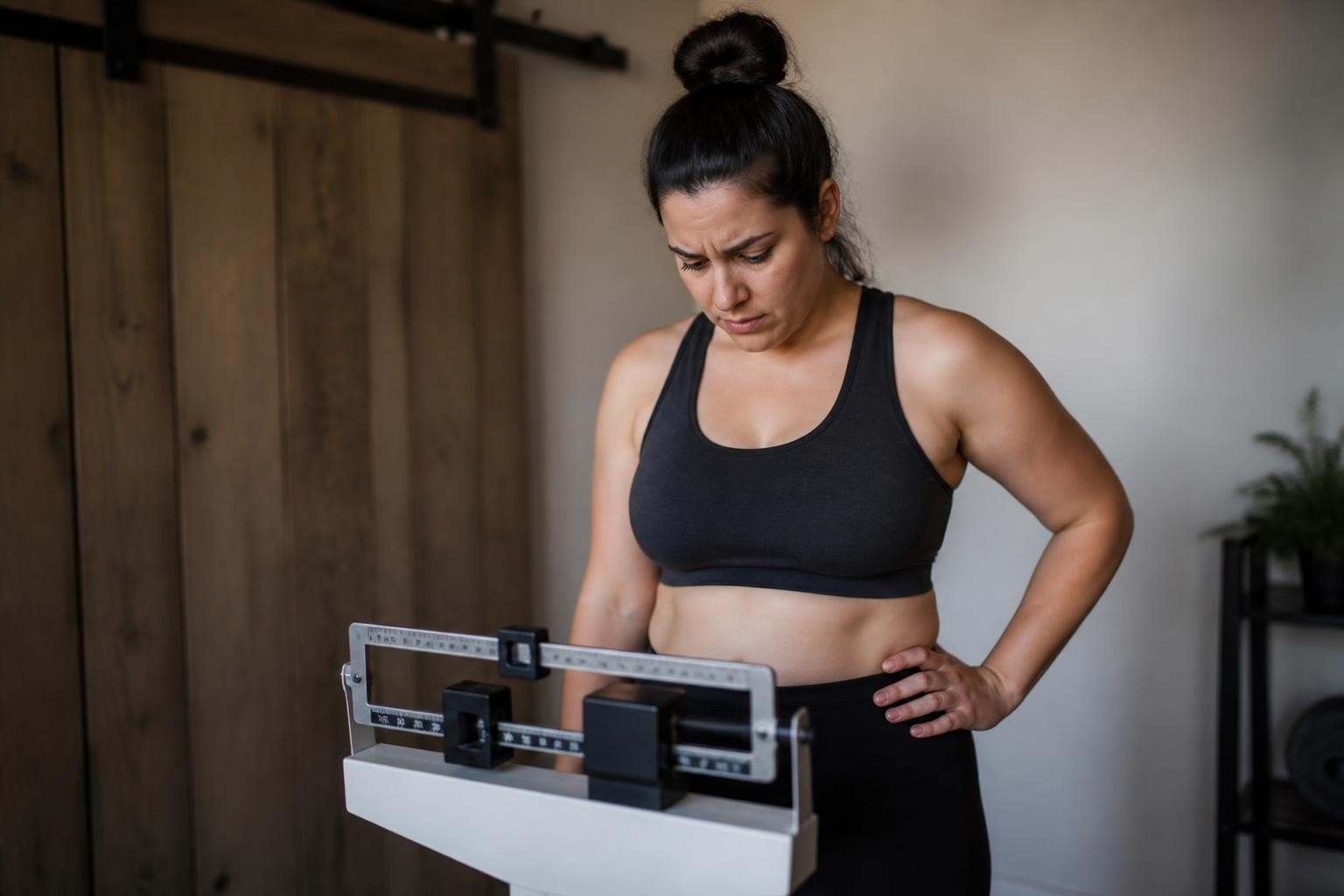
Weight loss for women involves more than just eating less and exercising more. Your body requires specific nutrients to function optimally, and deficiencies can sabotage even the most disciplined efforts. Understanding vitamins for weight loss for females means recognizing how these micronutrients influence metabolism, energy levels, hormone balance, and the mental clarity needed to make consistent healthy choices. While no vitamin can replace the fundamentals of proper nutrition and lifestyle habits, strategic supplementation can address gaps that slow progress and leave you feeling depleted.
The Connection Between Vitamins and Female Weight Loss
Female bodies have unique nutritional requirements that shift throughout different life stages. Menstruation, pregnancy, perimenopause, and menopause all create specific vitamin needs that directly impact weight management.
Metabolic processes depend on adequate micronutrient levels. When certain vitamins are deficient, your metabolism slows, energy production decreases, and fat storage increases. Many women unknowingly struggle with subclinical deficiencies that don't cause obvious symptoms but create metabolic resistance.
How Vitamin Deficiencies Affect Weight
Research shows that vitamin deficiencies can trigger several weight-related challenges:
- Slower metabolic rate reducing daily calorie burn
- Increased hunger hormones making satiety difficult
- Poor blood sugar regulation causing energy crashes and cravings
- Reduced muscle mass lowering overall metabolic capacity
- Compromised thyroid function affecting metabolism control
The relationship between vitamins and weight isn't about magic pills that melt fat. Instead, these nutrients ensure your body's systems operate efficiently enough to respond to healthy lifestyle changes.

Essential Vitamins for Weight Loss for Females
Vitamin D: The Metabolism Regulator
Vitamin D deficiency affects nearly 42 percent of American adults, with higher rates among women. This fat-soluble vitamin plays crucial roles in weight regulation through multiple mechanisms.
Vitamin D receptors exist throughout the body, including in fat cells. When levels are adequate, these receptors help regulate fat storage and breakdown. Women with sufficient vitamin D levels tend to lose more weight when following calorie-controlled programs compared to those with deficiencies.
Beyond fat metabolism, vitamin D influences:
- Appetite regulation through leptin signaling
- Insulin sensitivity and blood sugar control
- Mood and motivation through serotonin production
- Muscle function and strength maintenance
Most women need between 1000-4000 IU daily, though individual requirements vary based on baseline levels, sun exposure, and absorption capacity. Testing your vitamin D status provides the most accurate starting point for supplementation.
B-Complex Vitamins: Energy Production Powerhouses
The B-vitamin family includes eight distinct vitamins that work synergistically to convert food into usable energy. For women focused on weight loss, several B vitamins deserve particular attention.
Vitamin B12 supports red blood cell formation and neurological function while playing essential roles in metabolic processes. Women following plant-based diets face higher deficiency risks since B12 occurs naturally only in animal products.
Vitamin B6 helps metabolize proteins and regulate mood-affecting neurotransmitters. It also reduces water retention that can mask fat loss progress on the scale.
Thiamine (B1), riboflavin (B2), and niacin (B3) all participate in converting carbohydrates, fats, and proteins into cellular energy. Without adequate amounts, you'll feel fatigued regardless of calorie intake.
Folate (B9) becomes especially important for women of childbearing age, supporting cellular function and DNA synthesis. It works alongside B12 to prevent anemia that can drain energy and motivation.
Consider these B-vitamin rich food sources:
- Eggs, poultry, and fish for B12
- Leafy greens and legumes for folate
- Whole grains for thiamine and niacin
- Nuts and seeds for B6
Iron: Combating Fatigue and Supporting Metabolism
Iron deficiency represents one of the most common nutritional deficiencies worldwide, particularly affecting menstruating women. Monthly blood loss creates ongoing iron demands that diet alone sometimes cannot meet.
Low iron levels directly impact weight loss efforts by reducing oxygen transport to muscles and tissues. This oxygen deficit decreases exercise capacity, lowers daily energy expenditure, and makes physical activity feel exhausting.
Iron also participates in thyroid hormone production. Your thyroid controls metabolic rate, and inadequate iron can contribute to hypothyroid symptoms including unexplained weight gain and difficulty losing fat.
Women need approximately 18 mg of iron daily before menopause and 8 mg after. However, absorption varies significantly based on iron type and accompanying nutrients. Heme iron from animal sources absorbs more efficiently than non-heme iron from plant foods.
Pairing plant-based iron with vitamin C enhances absorption considerably. A spinach salad with strawberries or lentils with bell peppers optimizes iron utilization.

Magnesium and Additional Supportive Nutrients
Magnesium: The Stress and Sleep Mineral
Magnesium participates in over 300 enzymatic reactions throughout the body, including those governing energy production, protein synthesis, and blood sugar control. For women pursuing sustainable weight loss approaches, magnesium deserves serious consideration.
Stress depletes magnesium rapidly, creating a problematic cycle. Low magnesium increases stress sensitivity while stress further reduces magnesium levels. Since chronic stress triggers cortisol elevation and abdominal fat storage, maintaining adequate magnesium becomes essential.
Sleep quality also depends heavily on magnesium availability. This mineral helps activate neurotransmitters that calm the nervous system and promote restorative sleep. Poor sleep disrupts hunger hormones, increases cravings for high-calorie foods, and reduces insulin sensitivity.
Women should aim for 310-320 mg of magnesium daily, though individual needs vary. Many experts suggest higher amounts for those experiencing significant stress or sleep difficulties.
Top magnesium sources include:
- Dark leafy greens like spinach and Swiss chard
- Pumpkin seeds and almonds
- Black beans and edamame
- Dark chocolate (70 percent cacao or higher)
- Avocados
Vitamin C: Beyond Immune Support
While famous for immune function, vitamin C contributes to weight management through several pathways. This water-soluble antioxidant helps produce carnitine, a compound that transports fatty acids into cells for energy production.
Women with adequate vitamin C burn more fat during exercise compared to those with marginal deficiencies. Research suggests that vitamin C status inversely correlates with body mass, meaning higher vitamin C levels associate with lower body fat percentages.
Vitamin C also supports collagen production, which maintains skin elasticity during weight loss and helps prevent the loose skin some women experience with significant fat reduction.
Since the body cannot store vitamin C, consistent daily intake through food or supplements remains important. Most women need around 75 mg daily, though higher amounts may benefit those under stress or fighting illness.
Vitamin E: Antioxidant Protection During Fat Loss
As your body metabolizes stored fat, it releases toxins that were sequestered in adipose tissue. Vitamin E provides antioxidant protection against the oxidative stress this process creates.
This fat-soluble vitamin also supports immune function and helps reduce inflammation that can interfere with metabolic efficiency. While deficiency remains relatively rare in well-nourished populations, women following very low-fat diets may not absorb sufficient amounts.
Good vitamin E sources include sunflower seeds, almonds, spinach, and avocados. The recommended daily amount for women is 15 mg.

Strategic Supplementation vs. Food-First Approaches
When Supplements Make Sense
Ideally, vitamins for weight loss for females come primarily from whole food sources. Nutrient-dense foods provide vitamins alongside fiber, minerals, and phytonutrients that work synergistically for optimal health.
However, certain situations justify strategic supplementation:
- Diagnosed deficiencies confirmed through blood testing
- Dietary restrictions limiting food variety (vegan, allergies, intolerances)
- Life stage demands including menstruation, pregnancy, or menopause
- Malabsorption issues affecting nutrient uptake
- Geographical limitations restricting sun exposure for vitamin D
Quality matters significantly when choosing supplements. Third-party testing, appropriate dosing, and bioavailable forms ensure you're getting actual benefit rather than expensive urine.
Absorption and Timing Considerations
Taking vitamins randomly may waste both money and potential benefits. Understanding absorption principles maximizes effectiveness.
Fat-soluble vitamins (A, D, E, K) absorb best when consumed with dietary fat. Taking these with meals containing healthy fats like avocado, nuts, or olive oil enhances uptake.
Water-soluble vitamins (B-complex, C) don't require fat for absorption but do need regular replenishment since excess amounts are excreted. Spreading B-complex throughout the day maintains steadier energy levels than single large doses.
Iron absorption deserves special attention due to interactions with other nutrients. Calcium and iron compete for absorption, so avoid taking these together. Coffee and tea contain tannins that inhibit iron uptake, making morning supplementation problematic for regular coffee drinkers.
Food Sources vs. Synthetic Vitamins
While supplements offer convenience, whole food sources provide additional benefits that isolated vitamins cannot match. An orange delivers vitamin C alongside fiber, potassium, and flavonoids that support the vitamin's function.
Research from institutions like the Harvard T.H. Chan School of Public Health reviews various diets and consistently shows that whole food patterns support long-term weight management better than reliance on supplements alone.
Building meals around nutrient-dense whole foods creates natural vitamin adequacy while supporting satiety, energy stability, and overall health markers. Supplements should enhance this foundation, not replace it.
The Neuroscience Connection: Beyond Physical Nutrition
Understanding vitamins for weight loss for females extends beyond purely physical nutrition. The brain requires specific nutrients to function optimally, and deficiencies directly impact the mental and emotional aspects of weight management.
B vitamins support neurotransmitter production essential for motivation, focus, and emotional regulation. When levels are inadequate, you may experience the mental fog, irritability, and low motivation that derail even the best intentions.
Vitamin D receptors throughout the brain influence mood regulation and cognitive function. Seasonal affective disorder and winter weight gain both correlate with reduced vitamin D from decreased sun exposure.
Magnesium deficiency associates with anxiety and depression, both of which frequently drive emotional eating patterns. Adequate magnesium helps regulate the stress response system, making it easier to respond to challenges without turning to food for comfort.
The mind-body connection in weight loss cannot be overstated. Your brain drives every eating decision, exercise choice, and stress response. Supporting optimal brain function through proper nutrition creates the foundation for sustainable behavior change.
According to information from the National Institutes of Health's Office of Dietary Supplements, no dietary supplement is a substitute for healthy eating patterns and regular physical activity. However, addressing deficiencies removes barriers that make healthy choices feel impossibly difficult.
Creating Your Personalized Vitamin Strategy
Testing and Assessment
Rather than guessing about vitamin needs, testing provides objective data about your current status. Common tests that inform supplementation decisions include:
- Vitamin D (25-hydroxyvitamin D) revealing deficiency, insufficiency, or adequacy
- Complete blood count identifying potential iron-deficiency anemia
- Comprehensive metabolic panel showing overall health markers
- Thyroid function tests if metabolism concerns exist
Working with healthcare providers ensures appropriate testing interpretation and supplementation recommendations based on your individual health history, medications, and goals.
Building Sustainable Habits
Vitamins support weight loss most effectively when incorporated into consistent daily routines. Random supplementation creates inconsistent benefits and makes it difficult to assess what's actually helping.
Morning routines work well for most women, particularly for B-complex vitamins that support energy throughout the day. Taking fat-soluble vitamins with breakfast ensures adequate dietary fat for absorption.
Evening magnesium can support better sleep quality when taken 30-60 minutes before bed. This timing also prevents potential digestive upset some people experience with morning magnesium.
Creating reminder systems through phone alarms, pill organizers, or habit stacking ensures consistency. Linking supplement-taking to established habits like morning coffee or evening skincare makes it automatic rather than requiring willpower.
Monitoring and Adjusting
Your vitamin needs aren't static. They change with age, activity levels, stress, dietary patterns, and health status. Regular reassessment every 6-12 months helps ensure your strategy remains appropriate.
Pay attention to how you feel:
- Energy levels throughout the day
- Sleep quality and morning alertness
- Mood stability and stress resilience
- Exercise recovery and performance
- Hunger patterns and cravings
- Rate of weight loss progress
Changes in these markers may indicate the need for dosage adjustments or additional support. Keep notes about what you're taking and how you're responding to identify patterns over time.
Integrating Vitamins Into Holistic Weight Loss
The Bigger Picture
Vitamins for weight loss for females represent one component of comprehensive wellness, not a standalone solution. They work best when integrated into an overall approach addressing nutrition, movement, stress management, sleep quality, and psychological factors.
Nutrient adequacy removes obstacles that make healthy behaviors feel overwhelming. When you have sufficient energy, stable moods, and mental clarity, choosing nourishing foods and moving your body transitions from forced discipline to natural preference.
This shift from external control to internal alignment represents the fundamental difference between temporary dieting and lasting transformation. Your brain needs proper nutrition to make decisions that serve your long-term wellbeing rather than seeking immediate relief through food.
Mindful Implementation
Approaching supplementation mindfully means paying attention to your body's responses rather than following generic recommendations blindly. What works for one woman may not work for another due to individual biochemistry, absorption capacity, and lifestyle factors.
Start with one change at a time when adding new supplements. This allows you to identify what's actually making a difference versus what might be unnecessary for your situation. Adding everything simultaneously makes it impossible to determine which interventions provide benefit.
Give each addition at least 4-6 weeks before assessing effectiveness. Many vitamins require time to build to therapeutic levels in your system, particularly fat-soluble vitamins that accumulate gradually.
Sustainable Approaches Win Long-Term
The most effective vitamin strategy for weight loss support is one you can maintain consistently over months and years, not just weeks. Expensive, complicated supplement regimens that require perfect adherence rarely succeed long-term.
Focus on addressing confirmed deficiencies and supporting your specific challenges. If energy is your biggest obstacle, prioritize B-complex and iron. If stress and sleep interfere with progress, emphasize magnesium and vitamin D.
Building gradually creates sustainable habits that become automatic parts of your routine rather than temporary fixes that disappear when motivation wanes.
Vitamins for weight loss for females work by ensuring your body has the micronutrients needed for efficient metabolism, stable energy, and optimal brain function. When physical nutrition supports mental clarity and emotional balance, healthy choices become easier and more automatic. Oneleaf complements nutritional strategies by retraining your brain's automatic responses around food, stress, and self-care through neuroscience-based audio sessions that require just 10 minutes daily. When you address both the physical and psychological aspects of weight management, lasting transformation becomes possible.