Creating an effective weight loss workout plan requires more than choosing random exercises and hoping for results. The most successful approaches combine structured physical activity with an understanding of how your brain forms habits and makes choices. When you align your exercise routine with the way your mind actually works, you create sustainable changes that feel natural rather than forced. This integration of movement and neuroscience transforms weight loss from a battle of willpower into an automatic process that your brain supports rather than resists.
Understanding the Foundation of Effective Exercise for Weight Loss
The relationship between exercise and weight loss extends far beyond calories burned during a workout session. Physical activity triggers neurological changes that influence hunger hormones, stress responses, and decision-making patterns. When you establish a consistent weight loss workout plan, you're not just burning energy but literally rewiring neural pathways that govern your relationship with food and movement.
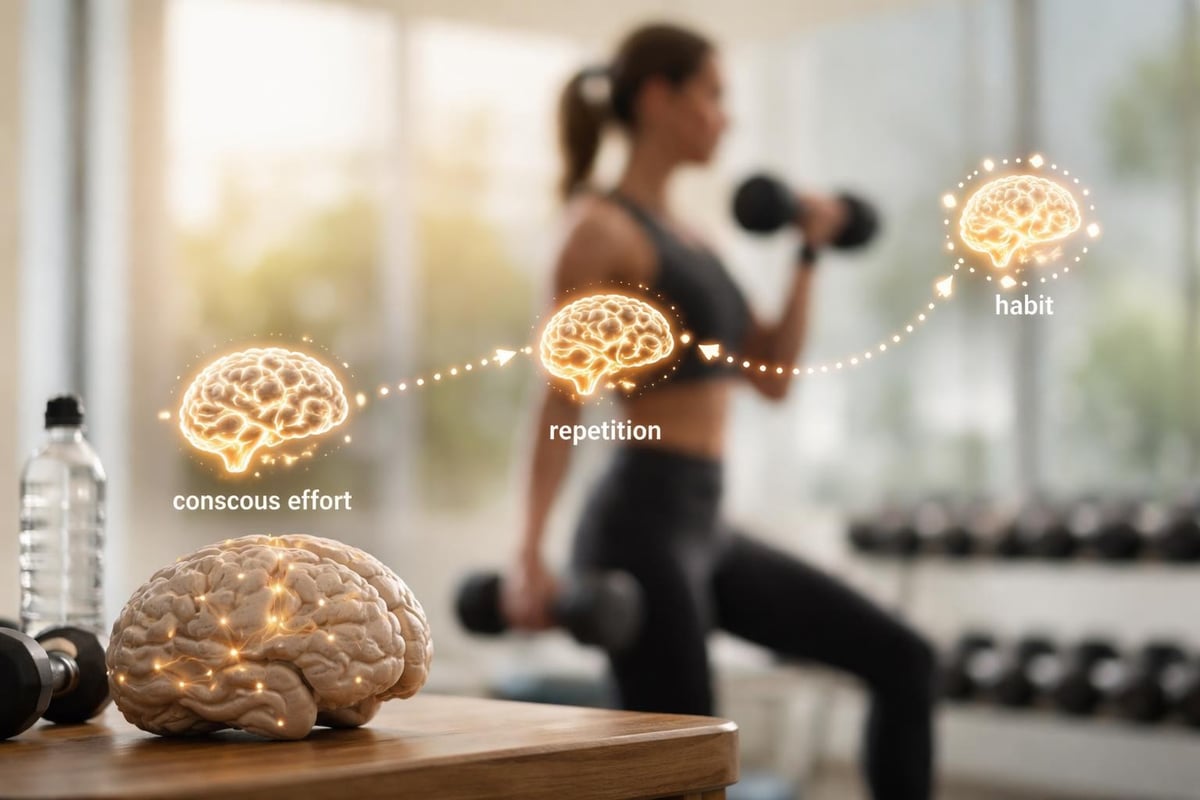
Your basal metabolic rate and total daily energy expenditure form the foundation of how your body uses energy throughout the day. Exercise increases both metrics, but the real transformation happens when your brain begins to crave movement rather than resist it. This shift from conscious effort to automatic behavior marks the difference between temporary results and lasting change.
The Science Behind Exercise and Brain Chemistry
Physical activity stimulates the release of neurotransmitters that directly impact your eating behaviors and motivation levels. Every workout session strengthens the neural connections between movement and positive feelings, making future exercise sessions feel more appealing. This biological reward system becomes self-reinforcing when you understand how to work with it rather than against it.
- Dopamine release during exercise creates positive associations with physical activity
- Reduced cortisol levels help minimize stress-related eating triggers
- Enhanced serotonin production improves mood regulation and reduces emotional eating
- Increased BDNF (brain-derived neurotrophic factor) supports neuroplasticity and habit formation
The brain requires approximately 66 days to fully automate a new behavior pattern. Your weight loss workout plan should account for this timeline, building gradually to allow neural pathways to solidify before increasing intensity or complexity.
Designing Your Weekly Exercise Structure
A balanced approach to exercise incorporates multiple training modalities that target different aspects of fitness while keeping your brain engaged and challenged. Creating personalized workout plans starts with understanding your current fitness level and the types of movement your brain finds rewarding.

Cardiovascular Training Components
Cardiovascular exercise forms the backbone of most weight loss workout plans because it efficiently increases energy expenditure while improving heart health. However, the psychological component matters just as much as the physical benefit. Choosing cardio activities your brain finds engaging dramatically increases adherence rates.
Moderate-Intensity Options (3-4 sessions per week):
- Brisk walking for 30-45 minutes
- Cycling at a conversational pace
- Swimming with varied strokes
- Dancing to music you enjoy
- Hiking on varied terrain
High-Intensity Interval Training (1-2 sessions per week):
- 20-30 second sprints followed by 90 seconds recovery
- Circuit training with minimal rest periods
- Jump rope intervals
- Stair climbing bursts
- Rowing machine intervals
The key to cardiovascular success lies in variety and progression. Your brain responds positively to novelty, so rotating between different cardio modalities prevents both mental boredom and physical plateaus. Start with durations and intensities that feel challenging but achievable, then gradually increase as your fitness improves.
Resistance Training Fundamentals
Strength training offers unique neurological benefits for weight loss beyond muscle building. Each resistance exercise requires focused attention and mind-muscle connection, strengthening the neural networks responsible for body awareness and conscious control.
Essential Movement Patterns (2-3 sessions per week):
- Push movements - push-ups, chest press, overhead press
- Pull movements - rows, pull-ups, lat pulldowns
- Squat patterns - bodyweight squats, goblet squats, lunges
- Hinge movements - deadlifts, hip thrusts, good mornings
- Core stability - planks, dead bugs, pallof presses
- Carry exercises - farmer's walks, suitcase carries
Begin with bodyweight variations to establish proper movement patterns and neural coordination. Your brain needs to learn these motor skills before adding external resistance. Progressive overload should occur gradually, allowing both your muscles and nervous system to adapt simultaneously.
Optimizing Exercise Timing and Frequency
The most effective weight loss workout plan fits seamlessly into your daily routine rather than disrupting it. Research in behavioral psychology demonstrates that habit formation succeeds when new behaviors attach to existing routines and occur at consistent times. Your brain learns to anticipate and prepare for exercise when it happens predictably.
Morning workouts leverage elevated cortisol levels that naturally peak after waking, providing energy without requiring caffeine or supplements. However, the "best" time for exercise is ultimately the time you'll consistently maintain. Evening sessions can serve as stress-relief transitions between work and home life, using physical activity to process daily tensions.
Creating Exercise Automaticity
The goal of any sustainable weight loss workout plan involves removing decision fatigue from the equation. Building sustainable exercise routines requires establishing cues and contexts that trigger automatic workout behaviors without requiring conscious motivation.
Environmental Design Strategies:
- Lay out workout clothes the night before
- Schedule exercise as non-negotiable calendar appointments
- Keep equipment visible in high-traffic areas
- Create a dedicated workout space, even if small
- Develop pre-exercise rituals that signal your brain
These environmental modifications work because they reduce the cognitive load required to initiate exercise. Your subconscious mind responds to visual cues and established patterns, making the decision to work out feel automatic rather than effortful.
Integrating Nutrition with Your Training Plan
Exercise represents only one component of effective weight management strategies. The relationship between nutrition and physical activity extends beyond simple calorie mathematics. Your brain interprets food as fuel, reward, or comfort based on established neural patterns that developed over years or decades.
A comprehensive weight loss workout plan addresses both movement and eating behaviors through unified neurological principles. When you exercise consistently, your brain becomes more sensitive to hunger and satiety signals, making intuitive eating choices easier to implement. Physical activity also reduces the reward value of highly processed foods while increasing appreciation for nutrient-dense options.
Pre and Post-Workout Nutrition Principles
Fueling your workouts appropriately supports both performance and recovery while teaching your brain to associate certain foods with positive physical feelings. This creates natural preferences for foods that genuinely serve your body rather than foods marketed to trigger cravings.
Pre-Exercise Guidelines (1-2 hours before):
- Complex carbohydrates for sustained energy
- Moderate protein for muscle support
- Minimal fat to avoid digestive discomfort
- Adequate hydration starting 2-3 hours prior
Post-Exercise Recovery (within 60 minutes):
- Protein to support muscle repair
- Carbohydrates to replenish glycogen stores
- Electrolytes if session exceeded 60 minutes
- Continued hydration throughout recovery period
These nutrition strategies work with your physiology rather than against it. When your brain learns that certain foods improve workout performance and recovery, it naturally begins craving those options at appropriate times.
Tracking Progress Beyond the Scale
Traditional weight loss metrics often fail to capture the neurological transformations occurring throughout your journey. While body composition changes matter, the mental shifts prove equally important for long-term success. Your weight loss workout plan should include markers that reflect both physical and psychological progress.
Comprehensive Progress Indicators:
- Energy levels throughout the day
- Sleep quality and duration
- Mood stability and stress resilience
- Hunger and satiety signal clarity
- Exercise enjoyment and anticipation
- Recovery time between workouts
- Strength and endurance improvements
- Body measurements at multiple sites
- How clothes fit in different areas
- Resting heart rate changes
These diverse metrics provide feedback that motivates continued effort even during periods when scale weight remains stable. Your brain responds more strongly to varied evidence of progress than to single data points.
Managing Plateaus and Setbacks
Every weight loss journey includes periods where visible progress stalls despite continued effort. Understanding the neurological reality of plateaus prevents the discouragement that often leads to plan abandonment. Your brain and body periodically require consolidation periods where changes stabilize before new adaptations occur.
When progress slows, resist the urge to dramatically increase exercise volume or restrict food intake. Instead, focus on evidence-based approaches to physical fitness that emphasize consistency over intensity. Small adjustments to workout variables like exercise selection, rep ranges, or rest periods often restart progress without requiring unsustainable effort increases.

Recovery and Regeneration Strategies
The time between workouts determines how effectively your body adapts to training stress. Your weight loss workout plan must balance exercise stimulus with adequate recovery to prevent burnout, injury, and hormonal disruption. The nervous system requires recovery just as much as muscles do.
Sleep quality directly impacts weight loss success through multiple mechanisms. During deep sleep, your brain consolidates motor learning from workouts, regulates hunger hormones, and processes emotional experiences that might otherwise trigger stress eating. Prioritizing 7-9 hours of quality sleep supports both exercise performance and dietary adherence.
Active Recovery Techniques
Complete rest days serve important purposes, but active recovery sessions provide additional benefits without overtaxing your system. These lighter activities promote blood flow, reduce muscle soreness, and maintain movement patterns while allowing physiological restoration.
Effective Active Recovery Options:
- Gentle yoga or stretching routines
- Easy-pace walking in nature
- Swimming at relaxed intensity
- Mobility work targeting tight areas
- Foam rolling and self-massage
- Tai chi or similar mindful movement practices
These activities engage your parasympathetic nervous system, shifting your body from stress response into recovery mode. The mental benefits often exceed the physical ones, as active recovery provides time for reflection without performance pressure.
Addressing Common Workout Plan Challenges
Implementing any weight loss workout plan involves navigating obstacles that test commitment and creativity. Rather than viewing challenges as failures, recognize them as opportunities to strengthen problem-solving skills and mental resilience. How you respond to difficulties matters more than avoiding them entirely.
Frequently Encountered Barriers:
- Time constraints from work or family obligations
- Lack of access to equipment or facilities
- Weather conditions affecting outdoor exercise
- Motivation fluctuations during high-stress periods
- Physical limitations or minor injuries
- Social situations that conflict with workout schedules
- Travel disrupting established routines
Each barrier has multiple solutions when approached with flexibility rather than rigidity. Home workout options, shorter high-intensity sessions, and adaptable scheduling all maintain progress when ideal conditions aren't available.
Building Mental Resilience Through Exercise
Physical training strengthens psychological resilience through direct experience with discomfort, effort, and achievement. Every workout where you push slightly beyond comfort zones teaches your brain that challenging sensations lead to positive outcomes. This neural learning transfers to other life areas, including dietary choices and stress management.
The relationship between physical activity and overall health encompasses far more than weight management alone. Regular exercise reduces anxiety, improves focus, enhances self-efficacy, and creates a positive identity as someone who takes care of their body. These psychological benefits often motivate continued adherence more powerfully than aesthetic changes.
Personalizing Your Approach for Long-Term Success
Generic workout templates provide starting points, but truly effective weight loss workout plans evolve based on individual responses and preferences. Your brain's reward system responds uniquely to different activities, intensities, and contexts. Discovering which exercise variables you find most satisfying increases the likelihood of lifelong adherence.
Experiment systematically with different training approaches while maintaining consistency in overall exercise frequency. Some people thrive with structured programs and progressive tracking, while others prefer varied spontaneous movement. Neither approach is superior; effectiveness depends entirely on which style your particular brain finds sustainable and rewarding.
The integration of exercise with brain-based behavior change creates synergistic effects that exceed what either component achieves independently. When you combine physical training with neuroscience-informed strategies, you address weight loss from both the body and mind simultaneously. This dual approach accelerates results while making the process feel more natural and less restrictive.
Your subconscious mind controls the vast majority of daily decisions, including what you eat, how much you move, and how you respond to stress. Traditional weight loss workout plans often ignore this reality, relying instead on conscious willpower that inevitably depletes. By incorporating techniques that reprogram automatic thought patterns, you transform exercise from an obligation into a genuine preference.
Measuring and Celebrating Non-Scale Victories
The complete picture of weight loss success includes dozens of improvements that bathroom scales never capture. Recognizing and celebrating these victories reinforces the neural pathways that support continued healthy behaviors. Your brain learns to value exercise for its comprehensive benefits rather than fixating solely on body weight numbers.
Important Non-Scale Achievements:
- Completing a workout that previously felt impossible
- Choosing movement over sedentary options spontaneously
- Recovering faster between exercise sessions
- Experiencing genuine enjoyment during physical activity
- Noticing improved posture and body confidence
- Achieving new personal records in strength or endurance
- Feeling energized rather than depleted after workouts
- Making healthy food choices without internal debate
These victories represent the fundamental behavioral and neurological changes that predict long-term success. When your weight loss workout plan produces these transformations, sustainable results follow naturally.
Advanced Periodization Strategies
Once you've established consistent exercise habits over several months, introducing periodization concepts can prevent adaptation plateaus while maintaining interest. Periodization involves systematically varying training variables across different timeframes to optimize results and recovery.
Basic Periodization Framework:
- Weeks 1-4: Higher volume, moderate intensity, focus on movement quality
- Weeks 5-8: Moderate volume, higher intensity, emphasize progressive overload
- Weeks 9-12: Lower volume, peak intensity, test new capabilities
- Week 13: Deload week with reduced volume and intensity for recovery
This cyclical approach keeps your nervous system adapting while preventing the overtraining that occurs when intensity remains constantly elevated. Your brain also responds positively to the variety, maintaining engagement across months of training.
Incorporate evidence-based fitness information when designing advanced training phases. As your fitness level improves, your body requires increasingly specific stimuli to continue adapting. Working with qualified professionals or researching reputable sources ensures your weight loss workout plan evolves appropriately.
The mental discipline developed through consistent exercise training extends far beyond the gym or workout space. As you strengthen the neural pathways responsible for following through on commitments, you simultaneously improve your capacity for dietary adherence, stress management, and emotional regulation. This comprehensive transformation represents the true power of exercise-based approaches to sustainable weight management.
Your relationship with physical activity reflects and influences your broader relationship with self-care and body respect. When exercise feels punishing or obligatory, it reinforces negative mental patterns about worthiness and control. Conversely, when movement feels celebratory and energizing, it strengthens positive self-perception and intrinsic motivation. The quality of this relationship determines whether your weight loss workout plan produces temporary results or lasting transformation.
A comprehensive weight loss workout plan combines strategic exercise selection with an understanding of how your brain forms habits and makes decisions. When you address both physical training and neurological patterns, sustainable results become achievable without constant willpower. Oneleaf helps you reprogram the subconscious patterns that control your relationship with food and movement, making healthy choices feel automatic rather than forced. Through just 10 minutes daily of neuroscience-based audio sessions, you can retrain your brain to support your fitness goals naturally, creating lasting change from the inside out.